Feeds:
Posts
Comments
A cigarette butt, lying in dirty snow.
Image via Wikipedia

By Sue Shekut, Owner, Working Well Massage, Licensed Massage Therapist, Certified Wellness Coach, ACSM Personal Trainer

Recently a client of mine quit smoking. He’s using a combination of tools to help him stay quit and I have to say I am so proud of his progress so far!   When I quit smoking about 17 years ago, I found that the negative press on smoking wasn’t motivation enough. Quitting smoking is one of the toughest things I’ve ever done. Knowing that I could get lung cancer some far off date in the future should have scared me enough to quit, but frankly it didn’t. I could rationalize my smoking, tell myself I had plenty of time to quit before my health was impacted. I could tell myself that I’d deal with the consequences later. To give me the mental courage to quit I needed something to hang onto. I needed reasons why quitting would make my life better. Strategies for coping with life to replace the coping crutch of smoking.

The reasons I quite smoking were many. Remembering them helped me cope with withdrawal symptoms and keep me away from smoking.
1. I didn’t want to hurt my pets. They could get burned from accidents with cigarettes. It also hurt their little lungs.
2. I got mad when I was winded after walking up a flight of stairs. I wanted to be in better shape. Smoking was hurting my cardiovascular fitness.
3. Smoking wasn’t making me any thinner. I had quit before, gained weight and started smoking again to take the weight off. Only it didn’t work.
4. Smoking made me less desirable as an employee and as a partner. I was single and wanted to look for a new job when I quit. Smoking was holding me back on both counts.
5. I wanted my hair and skin to smell cleaner.
6. I wanted to stop the rapid aging process of my skin. Smoking made me look 10 years older!
7. Cigarettes were getting expensive. Back when I quit they were up to about $2.00 a pack. Now they cost even more. At about $8/pack x 30 days=$240…that’s the price of a car payment!
8. Smoking was no longer “cool.” Being a smoker made me feel socially alienated.

What are/were your reasons for quitting?

The American Cancer Society lists more great reasons to help motivate you to quit smoking. Read on to find out what they are!

When smokers quit — What are the benefits over time?

20 minutes after quitting: Your heart rate and blood pressure drops.

(Mahmud A, Feely J. Effect of Smoking on Arterial Stiffness and Pulse Pressure Amplification. Hypertension. 2003;41:183.)

12 hours after quitting: The carbon monoxide level in your blood drops to normal.

(U.S. Surgeon General’s Report, 1988, p. 202)

2 weeks to 3 months after quitting: Your circulation improves and your lung function increases.

(U.S. Surgeon General’s Report, 1990, pp. 193, 194, 196, 285, 323)

1 to 9 months after quitting: Coughing and shortness of breath decrease; cilia (tiny hair-like structures that move mucus out of the lungs) regain normal function in the lungs, increasing the ability to handle mucus, clean the lungs, and reduce the risk of infection.

(U.S. Surgeon General’s Report, 1990, pp. 285-287, 304)

1 year after quitting: The excess risk of coronary heart disease is half that of a smoker’s.

(U.S. Surgeon General’s Report, 1990, p. vi)

5 years after quitting: Your stroke risk is reduced to that of a non-smoker 5 to 15 years after quitting.

(U.S. Surgeon General’s Report, 1990, p. vi)

10 years after quitting: The lung cancer death rate is about half that of a person who continues smoking. The risk of cancer of the mouth, throat, esophagus, bladder, cervix, and pancreas decrease, too.

(U.S. Surgeon General’s Report, 1990, pp. vi, 131, 148, 152, 155, 164, 166)

15 years after quitting: The risk of coronary heart disease is the same as a non-smoker’s.

(U.S. Surgeon General’s Report, 1990, p. vi)

Immediate rewards of quitting

Kicking the tobacco habit offers some benefits that you’ll notice right away and some that will develop over time. These rewards can improve your day-to-day life a great deal:

  • your breath smells better
  • stained teeth get whiter
  • bad smelling clothes and hair go away
  • your yellow fingers and fingernails disappear
  • food tastes better
  • your sense of smell returns to normal
  • everyday activities no longer leave you out of breath (such as climbing stairs or light housework)

Cost

The prospect of better health is a major reason for quitting, but there are other reasons, too. Smoking is expensive. It isn’t hard to figure out how much you spend on smoking: multiply how much money you spend on tobacco every day by 365 (days per year). The amount may surprise you. Now multiply that by the number of years you have been using tobacco and that amount will probably shock you.

Multiply the cost per year by 10 (for the next 10 years) and ask yourself what you would rather do with that much money.

And this doesn’t include other possible costs, such as higher costs for health and life insurance, and likely health care costs due to tobacco-related problems.
Social acceptance
Smoking is less socially acceptable now than ever.

Today, almost all workplaces have some type of smoking rules. Some employers even prefer to hire non-smokers. Studies show smoking employees cost businesses more because they are out sick more. Employees who are ill more often than others can raise an employer’s need for costly short-term replacement workers. They can increase insurance costs both for other employees and for the employer, who often pays part of the workers’ insurance premiums. Smokers in a building also can increase the maintenance costs of keeping odors down, since residue from cigarette smoke clings to carpets, drapes, and other fabrics.

Landlords may choose not to rent to smokers since maintenance costs and insurance rates may rise when smokers live in buildings.

Friends may ask you not to smoke in their homes or cars. Public buildings, concerts, and even sporting events are largely smoke-free. And more and more communities are restricting smoking in all public places, including restaurants and bars. Like it or not, finding a place to smoke can be a hassle.

Smokers may also find their prospects for dating or romantic involvement, including marriage, are largely limited to other smokers, who make up less than 21% of the adult population.

Health of others
Smoking not only harms your health but it hurts the health of those around you. Exposure to secondhand smoke (also called environmental tobacco smoke or passive smoking) includes exhaled smoke as well as smoke from burning cigarettes.

Studies have shown that secondhand smoke causes thousands of deaths each year from lung cancer and heart disease in healthy non-smokers.

If a mother smokes, there is a higher risk of her baby developing asthma in childhood, especially if she smoked while she was pregnant. Smoking is also linked to sudden infant death syndrome (SIDS) and low-birth weight infants. Babies and children raised in a household where there is smoking have more ear infections, colds, bronchitis, and other lung and breathing problems than children in non-smoking families. Secondhand smoke can also cause eye irritation, headaches, nausea, and dizziness.
Setting an example
If you have children, you probably want to set a good example for them. When asked, nearly all smokers say they don’t want their children to smoke. But children whose parents smoke are more likely to start smoking themselves. You can become a good role model for them by quitting now.

Read more at the American Cancer Society website here.

How to Quit

Government Resources from the CDC website here.

Pathways to Freedom
Pathways to Freedom

Reblog this post [with Zemanta]

By Sue Shekut, Owner, Working Well Massage, Licensed Massage Therapist, Certified Wellness Coach, ACSM Personal Trainer

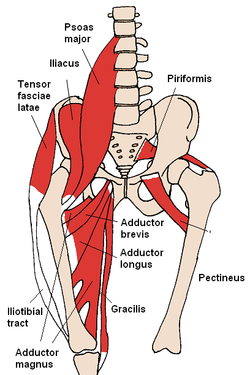
Low back pain is a common complaint these days. Most people work at an office or are spending much of their day sitting. This tightens hip flexor muscles (ilopsoas which consists of the Iliacus and Psoas muscles) and can lead to low back tension. One way to help combat low back tension is to strengthen the muscles that are deep to your “core”,”or the muscles that are closest to your actual spine.

Anterior Spine Muscles

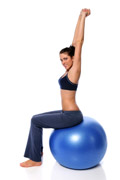
Sylvia Marten from Spine-Health.com shares tips on using an exercise ball to strength low back muscles. read this excerpt from her article, “Using an Exercise Ball to Rehab Your Back.”

Spine Strengthening Exercises on the Ball

Low back injuries often restrict movement and lead to the weakening of low back muscles. Exercise balls are a great option for a gentle core-strengthening program that can stabilize the muscles surrounding the spine and help prevent future injury.

One of the simplest ways to incorporate an exercise ball into your routine is just to practice sitting on it.

Sitting on the ball activates the core muscles required to maintain balance. If you are having trouble balancing, deflate the ball a little for added stability. If your balance feels good, try replacing your office chair with an exercise ball or sitting on the ball while watching television. Besides working your core muscles, the ball also reduces stress on the spine.

Many low back injuries occur as a result of improper lifting; squats that use an exercise ball for support (the exercise ball is placed against the wall behind the small of the back) train the back to retain proper posture and train the knees not to extend over the toes.

The muscle action required to remain upright on the ball also helps in finding a neutral spine position, improving posture, increasing low back mobility, and developing overall strength and control of the core muscles—both back and abdominal. As with any exercise program, it is essential to consult your doctor or a licensed physical therapist before beginning.
Read the entire article at Spine-Health here.

Reblog this post [with Zemanta]
Tai Chi in the Grange
Image by Darren // DA Creative Photography via Flickr

By Sue Shekut, Owner, Working Well Massage, Licensed Massage Therapist, Certified Wellness Coach, ACSM Personal Trainer

If you want to try a tai chi class and are not an in home video/dvd afficionado, there are classes around the Chicagoland area you may want to check out. While not an exhaustive list, it does give you a few ideas of where to look for tai chi instruction.

Taoist Tai Chi Society of the USA

Midwest Branch of the International Taoist Tai Chi Society
A charitable organization that promotes the dual cultivation of body and mind.

They offer instruction in the Taoist Tai Chi Society® internal arts of health including tai chi chuan in the following locations:

Chicago Center
1922 W. Montrose Ave, Chicago IL 60613
773 275-5992
Arlington Heights Center
332 E. Golf Road,
Arlington Heights IL 60005
847-734-6044

Lombard
United Methodist Church
155 S Main St
(Corner Main and Maple)
Lombard, IL
630-268-9152
lombard.il@taoist.org

• Elmhurst
Elmhurst Presbyterian Church
367 Spring Road
Elmhurst, IL 60126
630-268-9152

The Tai Chi Center of Chicago

4043 N. Ravenswood, Suite 228
Chicago, IL 60613
773.396.2653

4-Week Introductory Class

    Cost: $50.00 a month for one class a week (4 classes) plus a one time registration fee of $10.00.
    Requirements: Come 15 minuted early on your first day to register. Wear loose comfortable clothing.

Ongoing Tai Chi Program [Beginning Level I – Advanced III]
Cost:$80.00 a month.
All forms other than the 64-posture Tai Chi Chuan and Tan Tui are initially taught in special seminars and will incur additional fees.

Link to their website here.

Durgerberg Academy of Martial Arts & Fitnexx, Inc.

Chicago Martial Arts Classes

Link to Dugerberg website here.

Stirling Tai Chi

(773) 252-74431123 N. Ashland, Chicago, IL 60622
http://www.stirlingtaichi.com/curriculum.html

Northwestern Memorial Hospital:

Northwestern Memorial Hospital – Feinberg and Galter Pavilions
251 E. Huron
Chicago, IL 60611

Slow, steady movements encourage the flow of “Chi” or vital energy. Performed in a standing position. Tai Chi helps reduce tension and builds strength and balance. It is ideal for those with arthritis or joint pain. Instructor : Raye Bemis

For more information or to register:
Phone: 1-877-926-4664
Link to February class sign up here.

Forest Park (Yoga & Healing & Tai Chi) Dahn Yoga Studio

Center Main Image

Center Photo 1
7233 Madison St Ste. #2. Forest Park. IL 60130
Phone : 708-771-9642

Website link here.

Clark (Body + Brain franchise center) Dahn Yoga Studio

Center Main Image
2732 N. Clark St. Chicago. IL 60614
Phone : 773-755-9566

Website link here.

La Grange (Body + Brain franchise center) Dahn Yoga Studio

Center Main Image
108 W Burlington Ave. La Grange. IL 60525
Phone : 708-482-0571

Website link here.

Glenview Qi /Ki Gong Therapy Dahn Yoga Studio

Center Main Image

2630 Golf Road. Glenview. IL 60025
Phone : 847-998-1377

Website link here.

Schaumburg (Body + Brain Franchise Center) Dahn Yoga Studio

No Image Available

1063 N. Salem Dr. Schaumburg. IL 60194
Phone : 847-882-6980

Website link here.

By Sue Shekut, Owner, Working Well Massage, Licensed Massage Therapists, Certified Wellness Coach, ACSM Personal Trainer

Now you can power your household appliances while you workout! Energy shortages and high levels of obesity–one company aims to solve both problems with one product: The Human Dynamo 4.2. The designer, Henry Works, created this workout machine to harness the energy you produce while exercising.

Human Dynamo 4.2

How Does the Human Dynamo 4.2 Work?

The machine has a 200 watt (max) permanent magnet generator. The control unit allows the rider to vary the output and therefore the effort required. A person in decent shape can average from 60-120 watts per hour (watts).

Note: this is true electrical output; the generator is about 70% efficient so the actual physical work is 30% higher.

The HD Power Control shows watts being produced, watt/hours (WH) for session, battery voltage and total WH produced since first day of use.

Some typical power uses:
Laptop 60-80 watts.
Stereo 30-70 watts.
Small TV 60-100 watts.

As you can see if you work out for 30 minutes at 100 watts you have made 50 watts (half an hour). So you could listen to a stereo at 25 watts for a two hours.

The Future of Harnessing Human Energy-FireWheel Inter Grid Generation – the FIGG System

Henry Works is currently testing a way of connecting a rotary power source, like the Human Dynamo, directly to the Grid. He calls this system the “FireWheel Inter Grid Generation” system or “FIGG” for short. He will be testing this soon at The Green Micro Gym in Portland, OR.

What it means is that no special DC wiring is needed or inverters to hook up machines. The Dynamo will simply “plug in” to a standard socket and the power flows out through the cord into the circuit. If the power in the building goes out, the system stops producing power, making it entirely safe.

How Can the Human Dynamo Help Reduce Your Utility Bill?

As to your utility bill; the electrical meter slows down in relation to the inside power generated and if you have enough machines producing more than you are using, the meter will turn backwards! If you have produced more than you consumed for the month, most utility companies let you store this as a credit for the following month. (To make this much energy, the machines would have to be in use for most of the day).

How Do I Order a Human Dynamo 4.2?

Go to the Website here. The complete machine is $1950. You will need a heavy duty 12 volt battery and 120 volt AC inverter to power small appliances. If you buy basic version the generator-control can be added later with common tools.

Who is Talking About the Human Dynamo 4.2?

Read this article, from the BBC,  “A Gym Powered by Sweat and Tears” and watch the video showing how a gym in Portland Oregon is using the Human Dynamo to power their gym!

Men’s Health magazine has a great article on the Human Dynamo 4.2 in their March, 2010 issue: Harness Your Power

Tre personer som åker långfärdsskridsko
Image via Wikipedia

By Sue Shekut, Owner, Working Well Massage, Licensed Massage Therapist, Certified Wellness Coach, ACSM Personal Trainer

When I was a young girl I remember reading Little House On The Prairie and imaging what life was like in the winter back in those days. From what I recall, back then winter meant staying indoors for months, knitting, snowing, mending, cooking and basically trying to stay warm and avoid blizzards. Well now we have central heat, indoor plumbing and electricity to help combat the harsh outdoors. But we still have issues with the winter.

For those of us that don’t suffer from actual Seasonal Affective Disorder but are feeling the effects of winter, SparkPeople has some great tips on keeping your mood up this time of year. Nicole Nichols, Fitness Instructor Health Educator wrote a great post, “10 Cool Ways to Beat the Winter Blues.” I’ve provided an excerpt below. Read Nicole’s entire article at Spark People here.

The “winter blues” are characterized by the mild depression, lack of motivation, and low energy that many people experience during this cold season. Luckily, there’s a lot you can do to both prevent the blues from coming on and get yourself back to normal if they’re already here.

1. Exercise: Exercise isn’t only for maintaining your weight and staying healthy. It’s great for relieving the stresses of life. Plus, the effects of a good workout can last for several hours after you hit the showers. You’ll have more energy throughout the day, and your metabolism with stay elevated too

2. Eat a Healthy Diet: Avoid refined and processed foods (like white breads, rice, and sugar). These foods are not only devoid of the nutrients your body craves, but they zap your energy levels and can affect your mood—causing depression, lack of concentration, and mood swings. Try to incorporate more complex carbohydrates (whole wheat breads, brown rice, veggies, fruit) and get your daily 8 cups of water.

3. Get Some Rays: Did you know that sunlight improves your mood? Winter days are shorter and darker than other months, and because of the cold weather, a lot of people spend less and less time outdoors. Similar to exercise, sunlight exposure releases neurotransmitters in the brain that affect mood. Try to spend a little more time outdoors.  Keep your shades up during the day to let more light in. Sit near windows in restaurants and during class. Try changing the light bulbs in your house to “full spectrum” bulbs. These mimic natural light and actually have the same affects on your mind as the real thing.

4. Act on Your Wellness Goals: A recent study from the CDC showed a strong link between healthy behaviors and depression. Women who exhibited healthy behaviors (like exercising, not smoking, etc.) had less sad and depressed days than those whose behaviors were less than healthy.

5. Avoid Binge Drinking: Many people who feel down also tend to turn to alcohol when they’re feeling down. But alcohol is actually a depressant, and rather than improving your mood, it only makes it worse. Avoiding alcohol when you are already depressed is a good idea. Moderate drinking is fine for most people, but binge drinking (defined as having 5 or more drinks in one sitting) is never a healthy choice.

6. Give Yourself Something to Look Forward To: Plan something that’s exciting to you—a weekend trip, a day at the spa, a party (but keep #5 above in mind), or special event like a play, girls (or guys) night out, or sporting event.

7. Make relaxation part of your life: Work, class, family, friends, appointments, meetings—even if you enjoy being busy, everyone needs some time off. Don’t be afraid to say “No” to extra opportunities (covering a shift for a co-worker, bringing food to your son’s class party). Try to spend a few minutes each day doing nothing! Read a book or magazine, sleep in on the weekend, go to bed early, try some meditations, or take a yoga class.

8. Embrace the Season: Instead of always avoiding the cold and the snow—look for the best that it has to offer! Take up a winter sport like ice skating, snowboarding, hockey, or even sledding!

9. Get Social Support: Keep a mental list of these special people and don’t be afraid to ask for help or encouragement when you need it. Something as simple as a phone call, a chat over coffee, or a nice email or letter can brighten your mood.

10. Sleep Well: With a little time management, and some self-discipline, you can meet your shut-eye needs. Aim for 7-8 hours each night, and try to keep your bedtime and waking time consistent. That way, your sleeping patterns can normalize and you’ll have more energy. Try not to oversleep—those 12-hour snoozes on the weekend can actually make you MORE tired. Don’t forget naps! A short (10-30 minute) afternoon nap may be all you need to re-energize midday.

Reblog this post [with Zemanta]
A 30 kHz bright light therapy lamp (Innosol Ro...
Image via Wikipedia

By Sue Shekut, Owner, Working Well Massage, Licensed Massage Therapists, Certified Wellness Coach, ACSM Personal Trainer

Lately everyone I talk to is feeling the effects of winter. In Chicago we’ve had little to no sunshine, lots of cold weather and snow, snow, snow. Crankiness, irritability, more frequent colds and flues result.  But for some people, the winter blues may be more serious, they may have Seasonal Affective Disorder (also called SAD).

According to the MayoClinic, SAD is a an actual medical disorder: Seasonal affective disorder  is a type of depression that occurs at the same time every year. If you’re like most people with seasonal affective disorder, your symptoms start in the fall and may continue into the winter months, sapping your energy and making you feel moody.

What Are the Symptoms of SAD?

Seasonal affective disorder is a cyclic, seasonal condition. This means that signs and symptoms come back and go away at the same time every year. Usually, seasonal affective disorder symptoms appear during late fall or early winter and go away during the sunnier days of spring and summer. Some people have the opposite pattern and become depressed with the onset of spring or summer. In either case, problems may start out mild and become more severe as the season progresses.

Fall and winter seasonal affective disorder (winter depression)
Winter-onset seasonal affective disorder symptoms include:

  • Depression
  • Hopelessness
  • Anxiety
  • Loss of energy
  • Social withdrawal
  • Oversleeping
  • Loss of interest in activities you once enjoyed
  • Appetite changes, especially a craving for foods high in carbohydrates
  • Weight gain
  • Difficulty concentrating and processing information

What Causes SAD?

The specific cause of seasonal affective disorder remains unknown. It’s likely, as with many mental health conditions, that genetics, age and, perhaps most importantly, your body’s natural chemical makeup all play a role in developing the condition. A few specific factors that may come into play include:

  • Your biological clock (circadian rhythm). The reduced level of sunlight in fall and winter may disrupt your body’s internal clock, which lets you know when you should sleep or be awake. This disruption of your circadian rhythm may lead to feelings of depression.
  • Melatonin levels. The change in season can disrupt the balance of the natural hormone melatonin, which plays a role in sleep patterns and mood. Talk to your doctor to see whether taking melatonin supplements is a good option.
  • Serotonin levels. A drop in serotonin, a brain chemical (neurotransmitter) that affects mood, might play a role in seasonal affective disorder. Reduced sunlight can cause a drop in serotonin, perhaps leading to depression.

How Do I Know if I Have SAD or Just Hate Winter?

To help diagnose seasonal affective disorder, your doctor or mental health provider will do a thorough evaluation, which generally includes:

  • Detailed questions. Your doctor or mental health provider may ask about your mood, seasonal changes in your thoughts and behavior, your lifestyle and social situation, and sleeping and eating patterns, for example. You may also fill out psychological questionnaires.
  • Physical exam. Your doctor or mental health provider may do a physical examination to check for any underlying physical issues that could be linked to your depression.
  • Medical tests. There’s no medical test for seasonal affective disorder, but if your doctor suspects a physical condition may be causing or worsening your depression, you may need blood tests or other tests to rule out an underlying problem.

Seasonal affective disorder is considered a subtype of depression or bipolar disorder. Even with a thorough evaluation, it can sometimes be difficult for your doctor or mental health provider to diagnose seasonal affective disorder because other types of depression or mental health conditions may mimic seasonal affective disorder.

How Can I Treat My SAD?

Treatment for seasonal affective disorder may include light therapy, medications and psychotherapy.

Light therapy
In light therapy, also called phototherapy, you sit a few feet from a specialized light therapy box so that you’re exposed to bright light. Light therapy mimics outdoor light and appears to cause a change in brain chemicals linked to mood. This treatment is easy to use and seems to have few side effects.

Although light therapy is widely used and appears to be helpful, it isn’t clear how light therapy works and how effective it is in treating seasonal affective disorder. Before you purchase a light therapy box or consider light therapy, talk to your doctor or mental health provider to make sure it’s a good idea and to make sure you’re getting a high-quality light therapy box.

Medications
Some people with seasonal affective disorder benefit from treatment with antidepressants, especially if symptoms are severe. Medications commonly used to treat seasonal affective disorder include:
• Bupropion. An extended-release version of the antidepressant bupropion (Wellbutrin XL) may help prevent depressive episodes in people with a history of seasonal affective disorder.
• Other antidepressants. Antidepressants commonly used to treat seasonal affective disorder include paroxetine (Paxil), sertraline (Zoloft), fluoxetine (Prozac, Sarafem) and venlafaxine (Effexor)

Psychotherapy
Psychotherapy is another option to treat seasonal affective disorder. Although seasonal affective disorder is thought to be related to biochemical processes, your mood and behavior also can add to symptoms. Psychotherapy can help you identify and change negative thoughts and behaviors that may be making you feel worse. You can also learn healthy ways to cope with seasonal affective disorder and manage stress.

Do It Yourself Treatments for SAD

  • Make your environment sunnier and brighter. Open blinds, add skylights and trim tree branches that block sunlight. Sit closer to bright windows while at home or in the office.
  • Get outside. Take a long walk, eat lunch at a nearby park, or simply sit on a bench and soak up the sun. Even on cold or cloudy days, outdoor light can help — especially if you spend some time outside within two hours of getting up in the morning.
  • Exercise regularly. Physical exercise helps relieve stress and anxiety, both of which can increase seasonal affective disorder symptoms. Being more fit can make you feel better about yourself, too, which can lift your mood.

Mind-body therapies that may help relieve depression symptoms include:

  • Acupuncture
  • Yoga
  • Meditation
  • Guided imagery
  • Massage therapy

Read the entire article at MayoClinics’ website here.

Reblog this post [with Zemanta]

By Sue Shekut, Owner, Working Well Massage, Licensed Massage Therapist, Certified Wellness Coach, ACSM Personal Trainer

Now it can.  With the FitDeck Mobile downloadable personal training program, you can take your “personal trainer” with you everywhere you take your phone!. Created by former Navy SEAL and certified trainer Phil Black, FitDeck Mobile gives you a workouts on the go!

What is FitDeck Mobile?

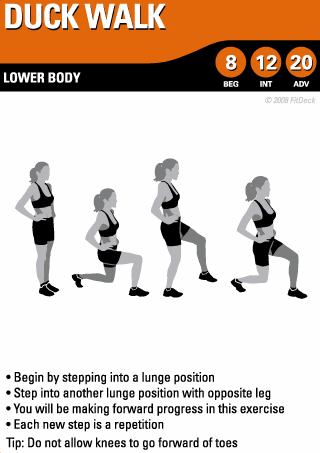
FitDeck Mobile is an application that runs on your mobile device and guides you through a unique physical fitness routine. It is comprised of various slides which contain instructions for exercises that you can do without any weights or special equipment (so you can do it anywhere!). FitDeck Mobile gives you a comprehensive set of exercises for the entire body, with each slide categorized into one of four body regions – Upper Body, Lower Body, Middle Body, or Full Body. You can arrange the slides in order or shuffle them to get a unique, random workout. Get the free FitDeck Mobile demo for your mobile: See the demo.

Will FitDeck Mobile work on my phone or mobile device?
FitDeck Mobile currently runs on the Java (j2me) platform and works on most phones and mobile devices. To find out if it will work on your mobile, simply use the mobile device selection wizard and follow the instructions to get the free trial version.

Is there a Money-Back Guarantee?
Yes.  If, upon paying to unlock your product, you are dissatisfied for any reason,  let FitDeck know within 90 days and they will correct the problem to your satisfaction and/or refund your payment. Please note there is a demo version of the FitDeck Mobile software available free of charge, so make sure the product works on your device before buying the keycode.

Sample FitDeck Mobile Workout

How else can FitDeck Mobile help me stay in shape?

Here are creative ways to stay motivated and incorporate FitDeck Mobile into your daily routine:

  1. Interval Training: Perform a series of FitDeck Mobile exercises alternately with a cross-training exercise (e.g., lap around the track, FitDeck Mobile exercise, lap around the track, FitDeck Mobile exercise, and so on).
  2. Coffee Break: Take a quick break from the desk and rattle off 2 or 3 FitDeck Mobile exercises. You’ll feel reinvigorated and there’s no need to change into workout clothes. Best of all, over the course of a week you’ll have done a complete bonus workout.
  3. 8 Before Bed: Were you so busy you had to forgo your workout today? Motivate and do 8 FitDeck Mobile exercises before you hit the sack. In less than 10 minutes you’ll shake off the day’s stress and put those feelings of guilt to rest as well.
  4. Group Training: Are you a teacher, manager, coach, or anyone else who oversees a group activity? Mix things up by leading them through a short FitDeck Mobile workout of 10 slides or so and get your folks motivated.
  5. Workout Reminder: FitDeck Mobile lives on your mobile and you live by your mobile. Use your calendar feature to schedule workouts during the week – when the alarm sounds you already have your workout right at hand.
  6. Ideas of your own: Do you have other creative ways that you incorporate FitDeck Mobile into your life? Please share them with FitDeck and they’ll make you famous.

FitDeck Mobile is Easy to use.

FitDeck Mobile uses one screen per exercise with no need to push a button to see an image or description.

Do I Need An Internet Connection for FitDeck?

No. FitDeck Mobile, lives on the device and requires no Internet connection – so you really can take it anywhere! Many competitors offer Web versions of their software which poses two significant problems: (1) If you are out of range of service, you simply cannot use the app; and (2) you will have to wait for each page to load.

Does FitDeck Require Special Equipment?

The FitDeck BODYWEIGHT workout program requires no special weights or equipment – so you can do it anywhere!

What Does FitDeck Cost?

FitDeckMobile is pretty inexpensive too. From what I could tell from their website, it’s about $7.95 per download.

Reblog this post [with Zemanta]
Happy Valentines Day
Image by blmurch via Flickr

By Sue Shekut, Owner, Working Well Massage, Licensed Massage Therapists, Certified Wellness Coach, ACSM Personal Trainer
Valentine’s Day is a day when couples give each other cards, flowers and candies to show their love. It’s also a day that many of my singles bemoan their lack of a romantic partner.

Instead of making Valentine’s Day a day to sulk about and envy romantic couples, friends of mine and I decided to make it a day for giving to others. We bought a bunch of pink carnations and a friend and drove around the city, looking for lonely people to give flowers to. We gave some to an old woman on a park bench, to single moms with strollers, to a workman repairing the street, to a homeless man. Giving away the flowers made us feel good and hopefully brightened the day of some people that may not have had anyone else showering them with affection.

Valentine’s Day is a day that reminds us to share our affection for all the loves in our lives, including parents, children, friends and pets!  Why? Because there are health benefits to forming social bonds and sharing affection. According to Sherry Rauh of WebMD Health News in her article “10 Surprising Health Benefits of Love, some of the benefits include lower blood pressure, fewer colds, and better stress management. Read on for an excerpt of Sherry’s article:

Humans are wired for connection, and when we cultivate good relationships, the rewards are immense. But we’re not necessarily talking about spine-tingling romance.

“There’s no evidence that the intense, passionate stage of a new romance is beneficial to health,” says Harry Reis, PhD, co-editor of the Encyclopedia of Human Relationships. “People who fall in love say it feels wonderful and agonizing at the same time.” All those ups and downs can be a source of stress.

It takes a calmer, more stable form of love to yield clear health benefits. “There is very nice evidence that people who participate in satisfying, long-term relationships fare better on a whole variety of health measures,” Reis tells WebMD.

Most of the research in this area centers on marriage, but Reis believes many of the perks extend to other close relationships — for example, with a partner, parent, or friend. The key is to “feel connected to other people, feel respected and valued by other people, and feel a sense of belonging,” he says. Here are 10 research-backed ways that love and health are linked:

1. Fewer Doctor’s Visits

The Health and Human Services Department reviewed a bounty of studies on marriage and health. One of the report’s most striking findings is that married people have fewer doctor’s visits and shorter average hospital stays.

“Nobody quite knows why loving relationships are good for health,” Reis says. “The best logic for this is that human beings have been crafted by evolution to live in closely knit social groups. When that is not happening, the biological systems … get overwhelmed.”

2. Less Depression & Substance Abuse

According to the Health and Human Services report, getting married and staying married reduces depression in both men and women. This finding is not surprising, Reis says, because social isolation is clearly linked to higher rates of depression. What’s interesting is that marriage also contributes to a decline in heavy drinking and drug abuse, especially among young adults.

3. Lower Blood Pressure

A happy marriage is good for your blood pressure. That’s the conclusion of a study in the Annals of Behavioral Medicine. Researchers found happily married people had the best blood pressure, followed by singles. Unhappily married participants fared the worst.

“It’s marital quality and not the fact of marriage that makes a difference,” Reis tells WebMD. This supports the idea that other positive relationships can have similar benefits. In fact, singles with a strong social network also did well in the blood pressure study, though not as well as happily married people.

4. Less Anxiety

When it comes to anxiety, a loving, stable relationship is superior to new romance. Researchers at the State University of New York at Stony Brook used functional MRI (fMRI) scans to look at the brains of people in love. They compared passionate new couples with strongly connected long-term couples. Both groups showed activation in a part of the brain associated with intense love.

5. Natural Pain Control

The fMRI study reveals another big perk for long-term couples — more activation in the part of the brain that keeps pain under control. A CDC report complements this finding. In a study of more than 127,000 adults, married people were less likely to complain of headaches and back pain.

6. Better Stress Management

If love helps people cope with pain, what about other types of stress? Aron says there is evidence of a link between social support and stress management. “If you’re facing a stressor and you’ve got the support of someone who loves you, you can cope better,” he tells WebMD.

7. Fewer Colds

We’ve seen that loving relationships can reduce stress, anxiety, and depression — a fact that may give the immune system a boost. Researchers at Carnegie Mellon University found that people who exhibit positive emotions are less likely to get sick after exposure to cold or flu viruses. The study, published in Psychosomatic Medicine, compared people who were happy and calm with those who appeared anxious, hostile, or depressed.

8. Faster Healing

The power of a positive relationship may make flesh wounds heal faster. Researchers at Ohio State University Medical Center gave married couples blister wounds. The wounds healed nearly twice as fast in spouses who interacted warmly compared with those who demonstrated a lot of hostility toward each other. The study was published in the Archives of General Psychiatry.

9. Longer Life

A growing body of research indicates that married people live longer. One of the largest studies examines the effect of marriage on mortality during an eight-year period in the 1990s. Using data from the National Health Interview Survey, researchers found that people who had never been married were 58% more likely to die than married people.

Marriage protects against death by warding off feelings of isolation. “Loneliness is associated with all-cause mortality — dying for any reason,” Reis says. In other words, married people live longer because they feel loved and connected.

10. Happier Life

It may seem obvious that one of love’s greatest benefits is joy. But research is just beginning to reveal how strong this link can be. A study in the Journal of Family Psychology shows happiness depends more on the quality of family relationships than on the level of income. And so we have scientific evidence that, at least in some ways, the power of love trumps the power of money.

Nurture Your Relationships

To foster a loving relationship that yields concrete benefits, Aron offers four tips:

  • If you are depressed or anxious, get treatment.
  • Brush up on communication skills and learn to handle conflict.
  • Do things that are challenging and exciting with your loved one on a regular basis.
  • Celebrate each other’s successes.

To read the entire article at WebMD, click here.

For a bit of history of Valentine’s Day check out this site, History Made Everyday, here.

Reblog this post [with Zemanta]

By Sue Shekut, Owner, Working Well Massage, Licensed Massage Therapists, Certified Wellness Coach, ACSM Personal Trainer

Yesterday I was at Gold Coast Whole Foods Market and got a fantastic 30-minute massage from Marcus Brent, one of my crew at our Working Well Massage chair station. Marcus’ massage had me so relaxed and feeling great I thought I’d grab a nice dinner. I went over to the hot food bar to look for some great eats and struck up a conversation with an interesting woman who was also waiting for the cooks to bring out some fresh pecan encrusted catfish (absolutely melt in your mouth yummy). Turns out, the woman is Pam Peterson, a fitness instructor, personal trainer and professional signer. And Pam has a new kind of exercise she’s created called ExerSong.

ExerSong is a combination exercise class and singing event!  In her one hour class, you can sing and move to your favorite songs, while increasing your strength, flexibility, endurance and balance through a well-rounded exercise program. Songs are customized to the group’s preferences (show tunes, pop, oldies, etc.). You also learn basic breath control and how to vocalize from the core. (Which really helps for those unexpected karaoke events!)

Pam teaches her ExerSong classes at the Indigo Studio at 309 W. Chicago Ave, Suite #300 on Saturdays at 9am and on Sundays at 10am.

Who IS Pam Peterson and Why Should We Take Her Classes?

Pam Peterson

Pam Peterson, ACE-Certified Personal Fitness Trainer, has facilitated profound change in her many dedicated clients for over 20 years. A staunch believer in the transformational power of physical strength and movement, Pam has shared her enthusiasm with many groups in corporate settings and fitness clubs, as well as one-on-one.

She was awarded Best Trainer in Chicago by HG Magazine, and continues to effect winning results in the health, appearance and positive mental attitude of her clients.

In addition to her fitness background, Pam is an accomplished singer and now runs Custom Cabaret, a company that gives you a musical revue, complete with Spoofs, favorite tunes and anecdotes about the honoree.

Pam told me she created the class to make exercise more fun, help people improve their cardio vascular fitness and get a great workout. Pam is not only committed to fitness but she’s committed to song and fun. If you are fighting the winter blues and want to belt out a show tune while you workout, try Pam’s class!

You can reach Pam for more info at 773-525-6414 or pam@pampetersonfitness.com

Reblog this post [with Zemanta]

By Sue Shekut, Owner, Working Well Massage, Licensed Massage Therapist, Certified Wellness Coach, ACSM Personal Trainer

The Compassionate Vet

Pets are important family members for their owners. They provide comfort, companionship and affection to young and old family members. Cats and dogs can help decrease blood pressure and cholesterol levels in their owners, reduce loneliness and even provide exercise and socialization for us.  Even the U.S. Government encourages pet ownership for our health! According to the CDC, caring for a pet has many health benefits. At the same time, losing a pet can be stressful.

This Wednesday I had to put my much loved cat, Niche, down. She was a big part of our family and has been with me for over 17 years. It was a tough decision. We knew she was dying from feline renal failure and we knew it would be a matter of time before she started suffering. By Wednesday it was time. I knew I wanted to give her the best possible end of life experience I could. So I called the Compassionate Vet and he came to our home and euthanized our “baby” in familiar warm surroundings.

Dr. Shanon, aka The Compassion Vet,  is a vet that makes house calls!  He provides hospice care, wellness care and pet euthanasia services. He also sees pets at this clinic at 620 W. Webster.  I first met Dr. Shanon years ago when he came to a friend’s home to euthanize my friend’s cat. Last year Dr. Shanon put our other cat down and each time I’ve worked with him he’s been very supportive and compassionate.

Losing our “children,” which our kitties are in some ways, was tough enough. But I would not want to have to drag my dying cat outside in this weather in a cat carrier to the vet’s office with other dogs and cats and bright lights for her last moments. For me that would have been torture for her and for me. Instead she got to sit with us on a comfy space on the familiar family coach and Dr. Shanon came in and examined her. He agreed she was suffering and it was a reasonable time to let her go. He injected a sedative to calm her down before he gave her the final injection that let her go peacefully. Then he took her sweet body with him for cremation.

Death is not easy and losing a pet is very difficult. But I am so relieved she is not suffering and we were able to give her this very peaceful last  few moments. When Dr. Shanon left he gave us a folder with some wonderful handouts on grief and handling the loss of a pet.

I am sad that I lost my two cats, but I am so very grateful for the years of love and affection I received from them. I am just as grateful for the opportunity they gave me and my family to love and care for them. My blood pressure is and health has benefited as well as my mental health. And I thank Dr. Shanon for making the end of my cat’s lives easier to bear.

Link to the Compassionate Vet website here.