Feeds:
Posts
Comments

Posts Tagged ‘weight loss’

By Sue Shekut, Licensed Massage Therapist, ACSM Personal Trainer, Certified Wellness Coach, Owner, Working Well Massage

It’s that time of year. Holiday parties abound with extra cocktails and appetizers.  Cookies,  candies and vendor gifts line workplace kitchen areas. How do you eat sensibly and maintain a healthy weight without overdoing it and packing on an extra 5-10 pounds this holiday season? Surprisingly, by NOT following some well meaning but unhelpful diet tips.  Katherine Hobson from U.S. News and World Report, has the following tips about diet tips. Her advice: shun or eschew the conventional tips about holiday dieting for a more practical–and healthful–approach.

6 Stupid Holiday Diet Tips You Should Ignore (And 1 You Shouldn’t)

By Katherine Hobson, U.S. News and World Report

(Julia Nichols/iStockphoto)

You can read the best holiday diet advice while waiting in line at the supermarket! Or not. Amidst the stories about Tiger Woods’s monogamy issues, I found some ideas for controlling weight that sounded too good (or odd) to be true. (I picked up a few more online.) I ran them by people who know far more about nutrition and the body than I do, and some added their own examples of stupid holiday diet tips you’re better off ignoring. Here’s the final list—including one tip that sounds stupid but is actually pretty smart.

Diet Tip Myth #1: Avoid dairy products, since they’re tough to digest.

(iStockphoto)

There are several reasons you might want to avoid dairy products: lactose intolerance, a commitment to veganism, or simply a dislike of cheese and milk. But “because they complicate digestion,” as I read in one magazine, is not one of them.

If you’re lactose intolerant, the sugar in milk will sail through the gastrointestinal tract without being processed, says Amy Foxx-Orenstein, past president of the American College of Gastroenterology and an associate professor of medicine at the Mayo Clinic. That can lead to bloating, gas, and other unpleasantness. Folks experiencing flare-ups of celiac disease or irritable bowel syndrome might also find milk hard on the stomach, she says. And, says Suzanne Havala Hobbs, a registered dietitian and faculty member at Gillings School of Public Health at the University of North Carolina, people with acid reflux may experience symptoms if they eat a lot of high-fat cheese and then loll on the sofa. But otherwise healthy people without those problems aren’t going to be harmed by dairy—and cutting it out certainly won’t provide any magic weight-loss advantage.

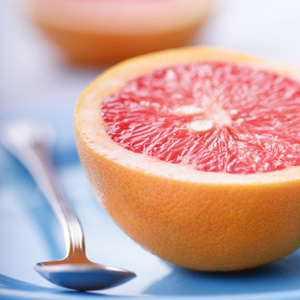
Diet Tip Myth #2: If you’re trying to lose weight quickly, cut out all fruits except grapefruit.
(Liv Friis-Larsen/iStockphoto)

Why on earth would you pick a diet that eliminates what American Dietetic Association spokesperson Jeannie Gazzaniga-Moloo calls “nature’s perfect food”? Fruit is loaded with vitamins, minerals, and beneficial phytochemicals, she says. While fruit does contain sugar, it’s helpfully packaged with fiber, which slows the absorption of sugar by the liver. “I don’t think most people’s [weight] problems come from eating too many apples,” notes Rachel Cosgrove, cofounder of Results Fitness in Southern California and author of The Female Body Breakthrough.

Diet Tip Myth #3: Use agave, not sugar.

(Cathleen Abers-Kimball/iStockphoto) Blue agave plant.

Whether it’s table sugar, maple syrup, agave, or honey, it’s largely empty calories and so should be eaten in moderation. “When it comes to weight loss, a sugar is a sugar is a sugar,” says Gazzaniga-Moloo.

Diet Tip Myth #4: Don’t drink a lot of water or other fluids during your meal because they may dilute the digestive juices in your stomach and make digestion more difficult.

(Nicolette Neish/iStockphoto)

Umm…no. Water and other liquids actually help the stomach acids to better combine with the solid food in your stomach and to give the mixture the proper consistency to pass from the stomach, says Foxx-Orenstein. (At the opposite extreme, slavishly drinking eight glasses of water a day is no guarantee of weight loss, either, says Gazzaniga-Moloo.)

Diet Tip Myth #5: Make “healthful” versions of holiday favorites—like nonfat, no-sugar cheesecake.

(Paul Johnson/iStockphoto)

OK, I made up that example; I’m not sure such a thing exists. But, says Cosgrove, substituting ingredients or making “lite” holiday dishes is rarely a good idea. “Usually, it still isn’t very healthy, and now it just doesn’t taste as good,” she says. “Life’s too short not to have my grandmother’s sweet potato pie.” Her suggestion for the holidays (and the rest of the year): Eat healthfully 90 percent of the time, and then give yourself the freedom to splurge during the other 10 percent.

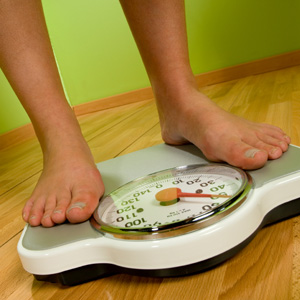
Diet Tip Myth #6: Lose seven pounds in seven days.
Istock photo

“Get thin for the holidays” with the restrictive, 1,000-to-1,200-calorie diet featured in a gossip magazine? Not likely. First, do the math: Even if you normally burn off 2,500 calories in a day and cut back to 1,000, your deficit over a week still adds up to less than 7 pounds (1 pound is equivalent to 3,500 calories). Anything you do lose on a strict calorie deprivation diet is mostly water. Moreover, most dietitians would counsel people to maintain their weight—not try for a drastic loss—over the holidays, says Havala Hobbs.

#1 Smart Diet Tip: Eat dessert first.

(Ed O'Neil/iStockphoto)

I always thought that substituting leftover cookie batter for dinner while I bake counted as a guilty pleasure, but going straight for your favorite treat can sometimes be a smart move, says Havala Hobbs. If you know you’re going to eat the cookies and the pumpkin pie, having them first, even if it spoils your appetite for dinner, will very likely keep your daily calorie total lower than if you eat a full dinner and then chow down on your favorites although you’re already stuffed. No, it won’t be the most nutritionally balanced meal of your life, but that’s OK once in a while.

Link to Katherine Hobson’s full article here. Katherine Hobson is a Senior Writer for U.S. News and World Report. Her expertise is in Cancer research and treatment,  diet,  nutrition, exercise and fitness.

Reblog this post [with Zemanta]

Read Full Post »

One of the anxiety producing aspects of Thanksgiving for my Wellness Coaching clients is the potential for overeating. Here are some tips from WebMD on how to keep up your healthy eating and lifestyle habits  even on a day traditionally known for “stuffing” (ourselves with food!).

10 Tips for a Thinner Thanksgiving

Read entire article here.

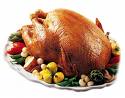
Thanksgiving dinner Photo Credit:bookcellarinc.com

By Kathleen M. Zelman, MPH, RD, LD
WebMD Weight Loss Clinic-Feature
Reviewed by Louise Chang, MD

Thanksgiving only comes around once a year, so why not go ahead and splurge? Because gaining weight during the holiday season is a national pastime. Year after year, most of us pack on at least a pound (some gain more) during the holidays — and keep the extra weight permanently.

But Thanksgiving does not have to sabotage your weight, experts say. With a little know-how, you can satisfy your desire for traditional favorites and still enjoy a guilt-free Thanksgiving feast. After all, being stuffed is a good idea only if you are a turkey!

Get Active

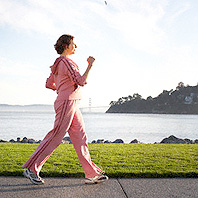
Gentle exercise from EverydayHealth.com

Create a calorie deficit by exercising to burn off extra calories before you ever indulge in your favorite foods, suggests Connie Diekman, Med, RD, former president of the American Dietetic Association (ADA).

“‘Eat less and exercise more’ is the winning formula to prevent weight gain during the holidays,” Diekman says. “Increase your steps or lengthen your fitness routine the weeks ahead and especially the day of the feast.”

Make fitness a family adventure, recommends Susan Finn, PhD, RD, chair of the American Council on Fitness and Nutrition: “Take a walk early in the day and then again after dinner. It is a wonderful way for families to get physical activity and enjoy the holiday together.”

Eat Breakfast

While you might think it makes sense to save up calories for the big meal, experts say eating a small meal in the morning can give you more control over your appetite. Start your day with a small but satisfying breakfast — such as an egg with a slice of whole-wheat toast, or a bowl of whole-grain cereal with low-fat milk — so you won’t be starving when you arrive at the gathering.

“Eating a nutritious meal with protein and fiber before you arrive takes the edge off your appetite and allows you to be more discriminating in your food and beverage choices,” says Diekman.

Lighten Up

Whether you are hosting Thanksgiving dinner or bringing a few dishes to share, make your recipes healthier with less fat, sugar, and calories.

“There is more sugar and fat in most recipes than is needed, and no one will notice the difference if you skim calories by using lower calorie ingredients,” says Diekman.

Her suggestions:

  • Use fat-free chicken broth to baste the turkey and make gravy.
  • Use sugar substitutes in place of sugar and/or fruit purees instead of oil in baked goods.
  • Reduce oil and butter wherever you can.
  • Try plain yogurt or fat-free sour cream in creamy dips, mashed potatoes, and casseroles.

Police Your Portions

  • Thanksgiving tables are bountiful and beautiful displays of traditional family favorites. Before you fill your plate, survey the buffet table and decide what you’re going to choose. Then select reasonable-sized portions of foods you cannot live without.

“Don’t waste your calories on foods that you can have all year long,” suggests Diekman. “Fill your plate with small portions of holiday favorites that only come around once a year so you can enjoy desirable, traditional foods.”

  • Skip the Seconds.Try to resist the temptation to go back for second helpings.”Leftovers are much better the next day, and if you limit yourself to one plate, you are less likely to overeat and have more room for a delectable dessert,” Diekman says.

Slowly Savor

Eating slowly, putting your fork down between bites, and tasting each mouthful is one of the easiest ways to enjoy your meal and feel satisfied with one plate full of food, experts say. Choosing whole grains, fruits, vegetables, broth-based soups, salads, and other foods with lots of water and fiber add to the feeling of fullness.

Go Easy on Alcohol

Go Easy on Alcohol

Don’t forget those alcohol calories that can add up quickly.

“Have a glass of wine or a wine spritzer and between alcoholic drinks, (or) enjoy sparkling water,” says Diekman. “this way you stay hydrated, limit alcohol calories, and stay sober.”

Be Realistic

The holiday season is a time for celebration. With busy schedules and so many extra temptations, this is a good time to strive for weight maintenance instead of weight loss.

“Shift from a mindset of weight loss to weight maintenance,” says Finn. “You will be ahead of the game if you can avoid gaining any weight over the holidays.”

Focus on Family and Friends

Thanksgiving is not just about the delicious bounty of food. It’s a time to celebrate relationships with family and friends.

Read entire article at WebMD here.

Read Full Post »

By Barbara Russi Sarnataro
WebMD Feature
Reviewed by Louise Chang, MD

How many New Year’s Eves have you spent sipping champagne and vowing to get more fit in the coming year? And how many times have you failed to follow through?

“December 31 over a drink is too late to set goals and make promises,” says Justin Price, owner of The Biomechanics, a personal training and wellness coaching facility in San Diego, Calif.

Fall, on the other hand, is a great time to start a fitness program because “‘you’re going to create good habits for the holiday season and the upcoming winter months,” says Price.

Chris Freytag, a fitness instructor and fitness expert with Prevention magazine, agrees.

“With the change of seasons comes a renewed time to rethink and restart,” she says. “‘What’s so special about January?”

Besides, says Freytag, a mother of three, moms with school-aged kids “think of September as the new year.”

Here are 10 ways to start making the most of the season. And who knows? This year, you might be in great shape before that New Year’s Eve party rolls around.

1. Take advantage of the weather. Fall can be a treat for the senses: the crisp air, apple picking, pumpkin carving, a gorgeous canopy of fall foliage, and the crunch of leaves underfoot. These months are a great time to exercise outdoors and enjoy cooler temperatures.

“Walking, hiking and cycling are all awesome in the fall,” says Todd Durkin, MS, fitness coach and owner of Fitness Quest 10 in San Diego, Calif.

Discover park trails and take in some new scenery, whether you’re walking, biking, or in-line skating, he suggests.

In places where snow falls early, try cross country skiing or snowshoeing. Or, if you live near the beach, get out and play volleyball, throw the Frisbee around, or play a vigorous game of fetch with your dog.

“It’s a great time to do beach activities because it’s so much less crowded,” says Price.

If you’re near a lake, try kayaking or canoeing, for an excellent whole-body workout and a great change of pace.

And remember, it doesn’t have to seem like exercise to be a great workout.

“Raking leaves or doing some fall outdoor yard work is a great way to get the heart pumping, and it’s great calorie-burning,” says Freytag.

2. Think outside the box. Always wanted to learn to tap dance? Attempt to box? Master the jump rope? Ask any schoolchild: Fall is a great time to learn something new.

Many classes at gyms and elsewhere get started in the fall, so look around and see if something intrigues you.

And with the kids in school, parents have more time to check out those classes, Freytag says.

Fall is the perfect time to gain new physical skills, Price says, because you burn fewer calories when you begin a new activity (thanks to the learning curve). If you learn something new now, by next summer, you’ll have mastered the skill — and you’ll burn more calories doing it, just in time for swimsuit season.

3. Be an active TV watcher. Many people get geared up for fall premieres of their favorite television shows, says Freytag. “If you’re going to sit down and watch hours of TV, get moving,” she suggests. “Make a date with exercise and TV.”

While you watch, you can walk or run in place, do standing lunges, do tricep dips off the couch, or lift weights. During commercials, do push-ups or sit-ups. In a one-hour show, you probably have close to 20 minutes worth of commercial interruption.

4. Integrate exercise into your life. You already know the obvious suggestions: park farther away from your destination; take stairs instead of elevators; take a walk during your lunch break. Here are a few that are less obvious:

* If you’re spending the afternoon taking kids to soccer practice, instead of reading a book or visiting with another parent, “why not walk around the outside of the field while they practice?”, suggests Price. “Or (if you feel comfortable) warm up and cool down with the kids.”
* Or try “walking meetings,” like those Price and his colleagues at Biomechanics often hold. ‘”We go for a walk, we brainstorm, and we figure out who’s going to take what responsibilities,” says Price. “‘Things get achieved much more quickly,” he says, and everyone feels better for doing it.
* You can even get moving while you get motivated — for fitness or other life goals. ‘”Get some inspirational music or find a motivational talk and download it to your iPod,” suggests Durkin. Walk while you listen for 30 minutes.

5. Rejuvenate yourself. Fall is the time to rejuvenate body, mind and spirit, says Durkin. Get a massage after your run. Learn to meditate. Take an art class. Treat yourself not just with exercise but other activities that promote wellness, he says, so you can feel good physically, mentally, emotionally, and spiritually.

6. Remember the 30-day rule. “‘It takes about four weeks for the body to adapt to lifestyle changes,” says Price. That’s why people who give up on their fitness programs tend to do so within the first 30 days.

So, when the alarm goes off in the morning and it’s darker and colder, don’t roll over and hit the snooze button.

“Try to stick with a program for a month,” Price says. “After a month, behavior patterns will have adapted and it will be much easier to stick with it after that.”

7. Strive for the 3 Cs. Freytag calls commitment, convenience, and consistency “the three Cs”, and says having all three will lead to a successful fitness program.

First, exercise takes commitment. When a client complains to Freytag about a lack of time, she responds: “Tell me something I haven’t heard before. We’re all busy; that’s just part of our lives.

You have to start planning exercise, just like you do everything else,” like meetings, dinners, and getting kids to lessons and practice, she says. “Put in on the calendar, because later always turns into never.”

Convenience means choosing a gym that’s close by, or an activity you can do at home, or a time when you’re not likely to be interrupted.

Finally, there’s consistency. “I’d rather see a brand-new client work out for 10 minutes a day rather than one hour every month,” Freytag says

8. Deal with darkness. The best way to enjoy fall is to exercise outdoors. But it is getting darker earlier, and staying dark later in the morning, so be smart and safe.

“Just because it’s 6 p.m. (or a.m.) and dark doesn’t mean you can’t work out,” says Durkin. If walking or running outdoors, he says, “wear a reflective vest and carry a flashlight.”

When cycling, affix a light to your helmet or bike.

If possible, use trails or a local school track to avoid vehicle traffic. Try to work out at the same time every day, so drivers get used to seeing you.

9. Dress in layers. When exercising outside, layer your clothing. Before your body warms up, you may feel chilled, but once the blood gets pumping, you’ll feel overdressed.

These days, there’s no lack of great weather gear. Freytag and Price recommend clothing with wicking, often called “DriFit.”‘ This fabric wicks moisture away from your skin so you’re not exercising with wet fabric hanging on you.

Freytag suggests three layers: “The inner layer should be a moisture-wicking fabric, so it wicks away sweat and you’re not chilled. The second layer should be a warmth layer, and the third layer should be a protective layer (like a windbreaker or rain slicker, depending on the weather).”

“And don’t forget the sunglasses,” she warns. UV protection is important year round. Fall sun can be blinding at certain times of the day.

10. Find your motivation. “People are motivated by different things,” says Durkin. It’s important to first discover what your individual goals are, whether it’s losing weight, strengthening and toning, or preparing for a race or event, says Durkin.

But goals aren’t enough to get you there; you have to be motivated by the day-to-day workouts, he says. So choose something you’ll enjoy doing and will be likely to keep up, whether it’s walking or hiking with a friend, working with a trainer, or taking part in a “boot camp” class.

Creating a challenge for yourself will motivate you, as will encouragement and accountability, he adds. “You want to know when you’re doing a good job, and when you’re not,” says Durkin.

Remember too, that anything worth having takes work.

“Tell me something you can do three times a week for 10 minutes and be great at? It doesn’t exist,” he says. “If it was easy to be great, everybody would be great.”

Link to Barbara Russi Sarnataro’s article here

Read Full Post »

By Sue Shekut, Licensed Massage Therapist, ACSM Personal Trainer, Certified Wellness Coach, Owner, Working Well Massage

I have had to eat a “healthy” diet for most of my adult life. As a young girl, I ate as much junk food as my peers and my body rebelled. By 20, I could not eat any white or processed sugar because I was hypoglycemic. I developed migrane headaches from chocolate (a former childhood love) and fermented foods like sharp cheeses and wines. White bread made me sick, so I had to switch to whole grain bread even before it was marketed as whole grain bread. Through the years my body let me know, anything overly processed, overly sugared, overly salted, or overly fat was going to give me stabbing pain in my head, my abdomen, or just plain make me sick and exhausted. I am the “canary in the coal mine” when it comes to food. But in many ways I am a lucky person. I haven’t been able to eat the typical American diet and I don’t have a lot of the typical American diseases. (such as obesity, high blood pressure, Type II diabetes)

I don’t tell you this to get accolades or say I am so great. No, my healthy diet was mainly by default in the beginning. I liked the junk food. I just couldn’t handle it. Later, as I read more and learned more, I ate healthy by design. Having grown up on Rice Krispy Treats, all things Nestle, Rice a Roni, Carnation Instant Breakfast, Skippy Peanut Butter, McDonald’s and Wonder Bread, I know what it’s like to try to wean off the processed foods and try to eat vegetables, fresh fruit, healthy grains, like brown rice, and be satisfied. In my case, I had a crash course in changing my diet. Still, it took a while to adjust to new tastes and learn how to be satisfied with less added sugar. But I can tell you IT CAN BE DONE! and your health and well being is worth it.

But How do you Know What’s Junk Food and What’s Healthy Food?
According to Margie King of the Philadelphia Nutrition Examiner, the NuVal nutritional scoring system may be the ticket to simpler healthy eating. The NuVal system will analyze more than 50,000 food items found in a typical grocery store and assign a value of 1 to 100 to each item. The higher the score, the more nutritious is the food.

The system is the brainchild of Dr. David Katz, an Associate Professor at the Yale University School of Public Health, and the Director and founder of Yale’s Prevention Research Center. Dr. Katz is an expert in nutrition and preventative medicine, the author of several books including The Flavor Point Diet, a syndicated health columnist for The New York Times and a medical contributor for ABC News.
Read more from Margie King of the Philadelphia Nutrition Examiner here

Dr. Katz says our taste buds are malleable and we are teaching them to crave salt and sugar. Eating added sugar in non-dessert items in everything from pasta sauce to breakfast cereal causes our taste buds to crave sugar much more than we normally would. In the video, he talks about how there is as much sodium in many breakfast cereals than your diet should be. It’s well worth the 4 minutes to watch Dr. Katz talk about how our diets are modified by the food supply and how we can retrain our taste buds to enjoy healthier less salty and less sugary foods.

Link to Dr. Katz’s video “Rehab Your Taste Buds: Getting Hooked on Wholesome Foods”

As American’s look to health care reform, there is a growing buzz about food system reform as well. Some say health care reform won’t work without reforming our nutritional system. The Nu Val system is one attempt to give us tools to reform our diets so we don’t NEED as much health care intervention. It’s Prevention versus Disease Treatment. And that sounds pretty sweet! Read Why Health Care Reform Requires Nutrition Reform by Margie King in the Philadelphia Nutrition Examiner

Read Full Post »

By Sue Shekut, Licensed Massage Therapist, ACSM Personal Trainer, Certified Wellness Coach, Owner, Working Well Massage

The American Heart Association is now encouraging that Americans end their love affair with sugar. The AHA guidelines recommend that women eat no more than six teaspoons of added sugar per day and men eat no more than ten teaspoons of added sugar a day. That’s a 70 percent reduction in sugar consumption for the average American.

According to an article from by by LAUREN COX and COURTNEY HUTCHISON from the ABC News Medical Unit, “Experts Debate the Value of the American Heart Association’s Call to Cut Our Sugar Intake.”

“We know that soft drinks are the number one source of added sugars in the American diet. We really want Americans to start thinking about this,” said Dr. Rachel K. Johnson, lead author of the study.

“The high intake of added sugar has been implicated in a number of negative health outcomes, but primarily this targets obesity,” said Johnson. “Sugars have been implicated in high blood pressure and inflammation which are risk factors for heart disease.”

“Strictly from a health standpoint, sugar is a ‘triple threat’ – it provides extra calories, no nutrients, and it may displace other foods and nutrients in the diet that are more beneficial,” said Dr. Donald D. Hensrud, an associate professor of Preventive Medicine and Nutrition at the Mayo Clinic.

Johnson, the lead author of the study, hopes her recommendations translate into some good advice, even if the public isn’t counting grams of sugar every day.
“We’re not saying eliminate added sugar, we’re saying use them with discretion,” said Johnson.

“Try to use the added sugars with foods that will enhance the diet, for instance a sugared whole grain breakfast cereal or a sugar sweetened dairy product … they’re improving the flavor of the food in a healthy diet as opposed to [spending it on] things that don’t carry any other nutritional value, like soda or candy bars,” she said.

For the complete ABC News article click here

Read Full Post »

By Sue Shekut, Licensed Massage Therapist, ACSM Personal Trainer, Certified Wellness Coach, Owner, Working Well Massage

Does exercise makes you fatter?  According to an article in Time Magazine ‘s August 9th,  2009 issue, “Why Exercise Won’t Make you Thin,” vigorous exercise can make you unable to lose weight. The article states that people only have so much willpower. Once they use that limited self control to work out, they don’t have any more mental strength to resist over eating. It also states that vigorous exercise makes you ravenous and you end up eating much more if you exercise than if you do not.

Well, that’s just silly.  Think about it. If vigorous exercise made you fat, Michael Phelps would be a Sumo wrestler.  It is true that high caloric expenditure requires high caloric intake.  An Olympic athlete that burns 12000 calories a day in training would need to eat at 12000 calories just to maintain his current weight. People that work out for hours at a time–competitive body builders, gymnasts, swimmers and marathon runners–do expend a lot of calories. And they do need to eat to replace the calories they burn in exercise. But ask a marathon runner if he or she is ravenously hungry after a run. Many of them will tell you they actually lose their appetite immediately following an intense workout. Body builders eat frequent meals throughout the day to keep protean available to give their muscles building blocks to grow larger and stronger.

It’s only been relatively recently that human beings lead such sedentary lifestyles. In the 1800’s and early 1900’s, most people had very physically active lives. Daily caloric intake was larger due to the extra caloric expenditure. In other words, if you spent your day tilling the fields, or washing clothes and dishes by hand, hand washing floors and making bread from scratch, you had a higher caloric needs than someone from 2009 that sits at work all day, drives home, microwaves a meal and sits in front of the television.

According to the American College of Sports Medicine, a leading authority in sports medicine and exercise science:

• Physical activity is one of the most important behavioral factors in weight maintenance and improving long-term weight loss outcomes. In fact, participation in an exercise program has proven to be the very best predictor of maintaining weight that was lost.

• Effective weight loss and maintenance depend on a simple equation called energy balance: Calories expended through physical activity and normal lifestyle functions must exceed calories consumed.

• It is a myth that exercise can actually prevent weight loss by leading exercisers to overeat. Research and common sense disprove this notion. Look around the gym or the jogging trail. If this were the case, wouldn’t those who regularly exercise be the fattest?

• Physical activity needn’t involve expensive equipment, gym memberships or team athletics. Simple activities like walking, accumulated in 10-minute bouts, can have significant benefits.

John Jakicic, Ph.D., FACSM states that” “Again, it is clear in this regard that physical activity is one of the most important behavioral factors in enhancing weight loss maintenance and improving long-term weight loss outcomes.”

Jakicic’s research on obesity, published in 2008, showed that a long duration of physical activity (275 minutes above baseline levels) led to the largest observed weight loss after a 24-month intervention.

Sorry for the letdown, folks, but exercise does help you lose fat and maintain the weight loss. And  it can be fun!

Sources:

Time Magazine Article link

ASCM Article link

Read Full Post »

« Newer Posts