Feeds:
Posts
Comments

Posts Tagged ‘immune system’

The time-course of an immune response begins w...

The time-course of an immune response begins with the initial pathogen encounter, (or initial vaccination) and leads to the formation and maintenance of active immunological memory. (Photo credit: Wikipedia)

By Sue Shekut, Owner, Working Well Massage, Licensed Massage Therapist, Wellness Coach, ACSM Personal Trainer

I recently came across an article, “Boosting the immune system–sorting science from myth,”
that explains, from a scientific perspective, why claims of supplements and foods that “boost the immune system response” are not reliable. Simply put, the blog post author, Skeptical Raptor, explains that the immune system is a complex multifaceted system that basically works in an “on/off” fashion. The immune system includes physical barriers (skin, inflammation, mucus, tears, saliva), biochemical agents and cells (especially white blood cells and all the goodies they bring to the immune system party like macrophages). The blog post explains in-depth the mechanics of the immune system and then Skeptical Raptor points out that one of the only effective ways to “boost” our immune systems is through getting vaccinated for various diseases. And he states that if we were to be able to boost our immune system or make it more powerful, we would likely cause more serious problems such as an immune system that attacks healthy types (known as an autoimmune response) or allergies.

What he writes makes sense from what I know about the immune system. We do know that some things like stress can make it more difficult for our immune systems to work properly. And I will go out on a limb and say that there is evidence that allowing ourselves to rest and relax also allows our bodies to protect us from disease and illness more effectively. (I admit, that seems like a no brainer, but the U.S. culture does such a fine job of rewarding those that are productive and rewarding output more than being contemplative, relaxing and resting, that our need for rest and relaxation cannot be emphasized enough!) Massage therapy has some research behind it as a tool to help people relax/better handle stress.

I personally find that if I feel run down, doing less (as in taking on less responsibilities and commitments) and allowing myself to take a nap, engage in some relaxing activities and especially getting enough sleep each night, helps me resist illness or get over an illness better than most other interventions. Rest is not magic. It does not come in a pill (nor a cup of java!)  Rest allows our bodies to engage in some parasympathetic nervous system activity. Rest is not “being lazy.,” It is not “unproductive.” Rest is a valuable tool for people to use to maintain health and well-being!

Note: I am not a doctor and none of my information should be construed as medical advice. Discuss any decisions about the use of vaccines  with a licensed health care professional.

Read the entire article here and tell me what you think in the comments below!

Enhanced by Zemanta

Read Full Post »


Cover Your Mouth When Sneezing!

By Sue Shekut, Owner, Working Well Massage, Licensed Massage Therapist, Certified Wellness Coach, ACSM Personal Trainer

The cold and flu season seems to no longer be a season but a constant sharing of germs and sneezes in many of the corporate offices I visit. Aside from sleep and fluids some people swear that exercising helps keep them from getting many of these office bugs.  According to a recent press release from the American College of Sports Medicine, sometimes it’s better to rest when you are sick versus exercise. However, exercise does help boost your body’s immune response. So how do you know when to work out and when to stay in bed?

Read this excerpt from the ACSM press release:

ACSM Fellow David C. Nieman, Dr.P.H., says that moderate exercise (30 minutes a day, on most, if not all, days of the week) actually lowers the risk for respiratory infections.  Prolonged, intense exercise, on the other hand, can weaken the immune system and allow viruses to gain a foothold and spread.

In general, if your symptoms are from the neck up, go ahead and take a walk,” said Dr. Nieman. “But if you have a fever or general aches and pains, rest up and let your body get over the illness.”

Read more from the press releases including Dr. Nieman’s  4 Tips on when to exercise and when to rest here.

And for a more detailed Fact Sheet on the relationship between safe exercise and illnesses download the ACSM fact sheet: “Exercise and the Common Cold,”   This fact sheet was written by Dr. Nieman.

Enhanced by Zemanta

Read Full Post »

By Sue Shekut, Owner, Working Well Massage, Licensed Massage Therapist, Certified Wellness Coach, ACSM Personal Trainer

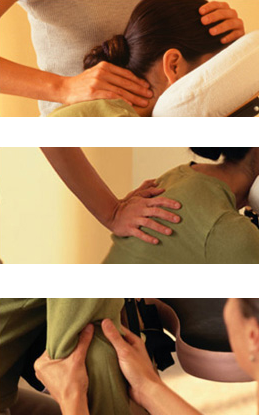
Yet another study now shows that massage improves productivity, reduces absenteeism and reduces doctors visits due to injury/illness! Read more from The Open Press:

(OPENPRESS) January 21, 2010 — The manufacturing marketing research division of TR Cutler, Inc., (www.trcutlerinc.com) sponsored the national survey of more than one hundred U.S. manufacturers; all show that massage improved bottom line of employers. The study found that after twelve weeks, 269 employees who had once-weekly, 45-minute massages in the manufacturing workplace had dramatically better productivity, reduced absenteeism, included far fewer doctor visits, than a control group of 250 employees who did not receive the massage therapy. The massaged group experienced reduced stress and improved performance, while the control group did not.

Nearly three-fourths (74%) of manufacturing workers reported in a national survey that their job is very stressful. Stress is the leading cause of disability in the manufacturing workplace, costing employers billions of dollars a year in lost productivity and healthcare costs.

The results of regular massages at the workplace provides quantifiable and immediate results — the employees experience stress reduction and greater satisfaction with their jobs.

By triggering a stress free response there is an improvement in immune system function, which reduces absenteeism, one of the most measurable economic impacts on the manufacturing sector. In the national survey, absenteeism was reduced by more than 50% among those receiving weekly massages. The savings to the manufacturing organization was 1000% greater than the actual cost of the massages, which averaged less than $4000 per month.

Read the entire article at The Open Press here.

Reblog this post [with Zemanta]

Read Full Post »

By Sue Shekut, Licensed Massage Therapist, ACSM Personal Trainer, Certified Wellness Coach, Owner, Working Well Massage

Fall is a time the kids go back to school, people start spending more time indoors and flu bugs from across the globe travel to “make new friends” (infect new hosts, meaning us).

Colds and flues can now travel from one country to another in just a few hours via a carrier on an airplane. But you don’t have to go a round the world to catch a cold. You can get a virus from anyone in your immediate vicinity, coworker, random person out in public that touches something you touch. It’s so great that we all have learned to share!

Most colds and flues are not serious or life threatening, but they can make you miss work, drag down your energy levels and overall disrupt your regular life schedule.

What can you do to prevent getting sick?

Immune System Defenses
To start with, keep your immune system functioning well with these simply tips:

Get enough physical activity aka exercise. A the very least get the recommended minimum of 30 minutes of activity 5 times a day (recommended by the American College of Sports Medicine) even in 3 sets of 10 minutes of walking or stair climbing.

Make sure you drink enough water. According to the Mayo Clinic, “Water is your body’s principal chemical component, making up, on average, 60 percent of your body weight. Every system in your body depends on water. For example, water flushes toxins out of vital organs, carries nutrients to your cells and provides a moist environment for ear, nose and throat tissues.”

How much water is enough?

The Institute of Medicine advises that men consume roughly 3 liters (about 13 cups) of total beverages a day and women consume 2.2 liters (about 9 cups) of total beverages a day.

Even apart from the above approaches, if you drink enough fluid so that you rarely feel thirsty and produce 1.5 liters (6.3 cups) or more of colorless or slightly yellow urine a day, your fluid intake is probably adequate. Link to Mayo Clinic’s Water Intake article here

Get your ZZZ’s-Sleep deprivation is a torture technique. Don’t torture yourself! Get the reccomended 7-9 hours by night. And on days you are feeling run down, take an actual nap even for 20 minutes. it lets your nervous system take a break from high stress hormones and let’s your body recharge. Link to health.com “How Much Sleep Do You Really Need”

Aside from your immune system, here are some tips from the Center for Disease Control to help prevent the spread of actual germs.

How Germs Spread

Illnesses like the flu (influenza) and colds are caused by viruses that infect the nose, throat, and lungs. The flu and colds usually spread from person to person when an infected person coughs or sneezes.

How to Help Stop the Spread of Germs

Take care to:

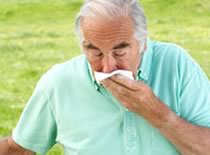
• Cover your mouth and nose when you sneeze or cough
• Clean your hands often
• Avoid touching your eyes, nose or mouth
• Stay home when you are sick and check with a health care provider when needed
• Practice other good health habits.

Cover your mouth and nose when you sneeze or cough

Cough or sneeze into a tissue and then throw it away. Cover your cough or sneeze if you do not have a tissue. Then, clean your hands, and do so every time you cough or sneeze.
Clean your hands often

When available, wash your hands — with soap and warm water — then rub your hands vigorously together and scrub all surfaces. Wash for 15 to 20 seconds. It is the soap combined with the scrubbing action that helps dislodge and remove germs.

When soap and water are not available, alcohol-based disposable hand wipes or gel sanitizers may be used. You can find them in most supermarkets and drugstores. If using a gel, rub the gel in your hands until they are dry. The gel doesn’t need water to work; the alcohol in the gel kills germs that cause colds and the flu. (Source: FDA/CFSAN Food Safety A to Z Reference Guide, September 2001: Handwashing.)

Avoid touching your eyes, nose, or mouth

Germs are often spread when a person touches something that is contaminated with germs and then touches their eyes, nose, or mouth. Germs can live for a long time (some can live for 2 hours or more) on surfaces like doorknobs, desks, and tables.

Stay home when you are sick and check with a health care provider when needed

When you are sick or have flu symptoms, stay home, get plenty of rest, and check with a health care provider as needed. Your employer may need a doctor’s note for an excused absence. Remember: Keeping your distance from others may protect them from getting sick.

Common symptoms of the flu include:

• fever (usually high)
• headache
• extreme tiredness
• cough
• sore throat
• runny or stuffy nose
• muscle aches, and
• nausea, vomiting, and diarrhea, (much more common among children than adults).

The CDC’s “Stopping the Spread of Germs at Work”

Read Full Post »