Feeds:
Posts
Comments

Posts Tagged ‘hiking’

By Sue Shekut, Owner, Working Well Massage, Licensed Massage Therapist, Certified Wellness Coach, ACSM Personal Trainer

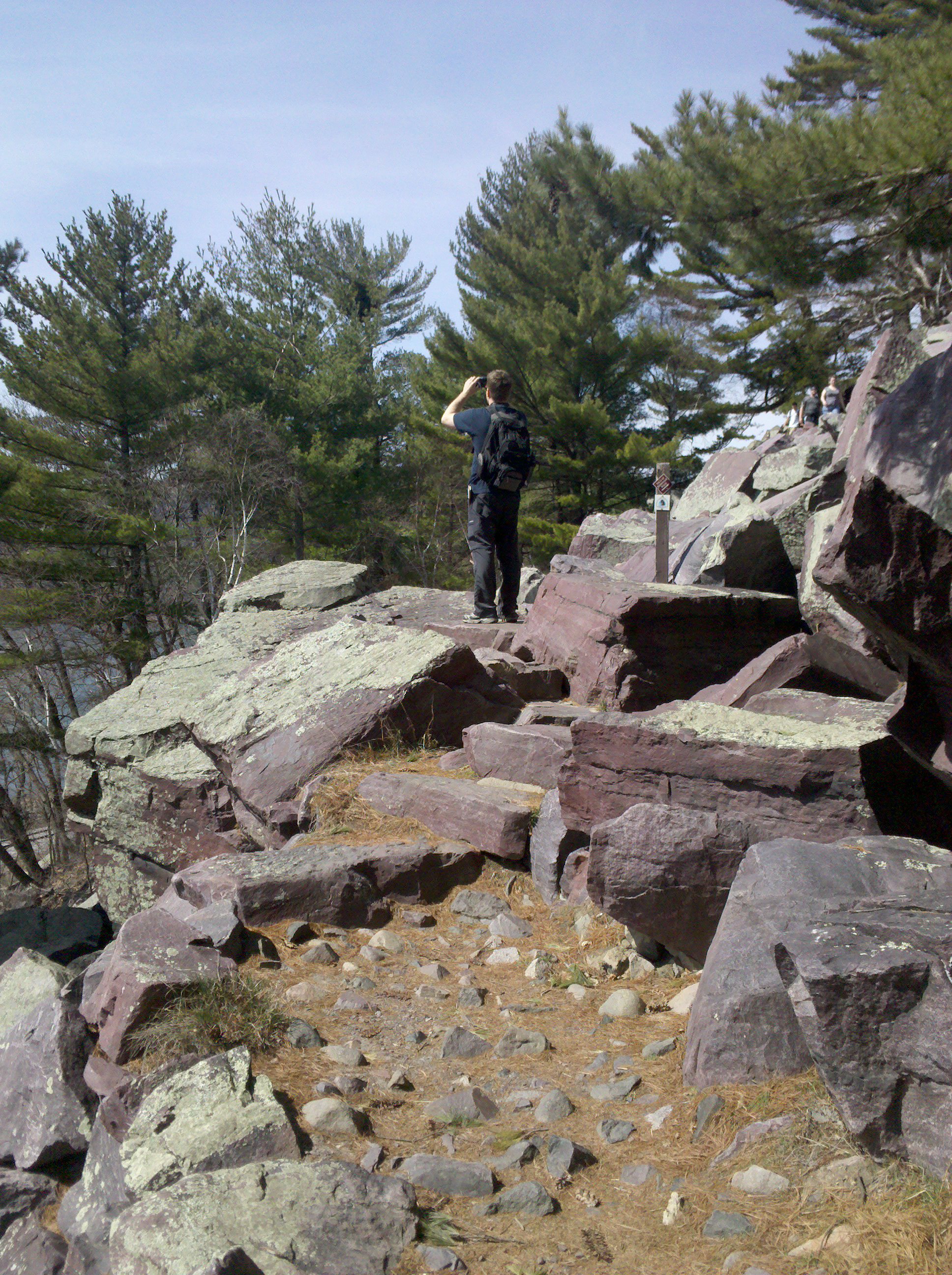
Hiking up the rocky "steps" is a great workout

A few weeks ago I had the good fortune to spend a few warm summer-like days in Wisconsin at the Wisconsin Dells. When I was  a child, my family used to take me and my brother to the

Dells and I have fond memories of lakes, hiking, go carts, haunted houses and, of course, Tommy Barlett’s water show with water skiers skiing in human pyramids.  Visiting again now so many years later, “the Dells,” as they are known to the initiated, are now a haven for water parks and other amusements. However, my man and I are always up for a bit of nature and hiking so we soon grew tired of the amusement park strip and headed to Devil’s Lake to hike up and down what we think of as a mini Yosemite, Devil’s Lake. Like much of Wisconsin, this region was created by glacial formations and so has a lot of very rocky terrain and tall cliffs to hike and rock climb.

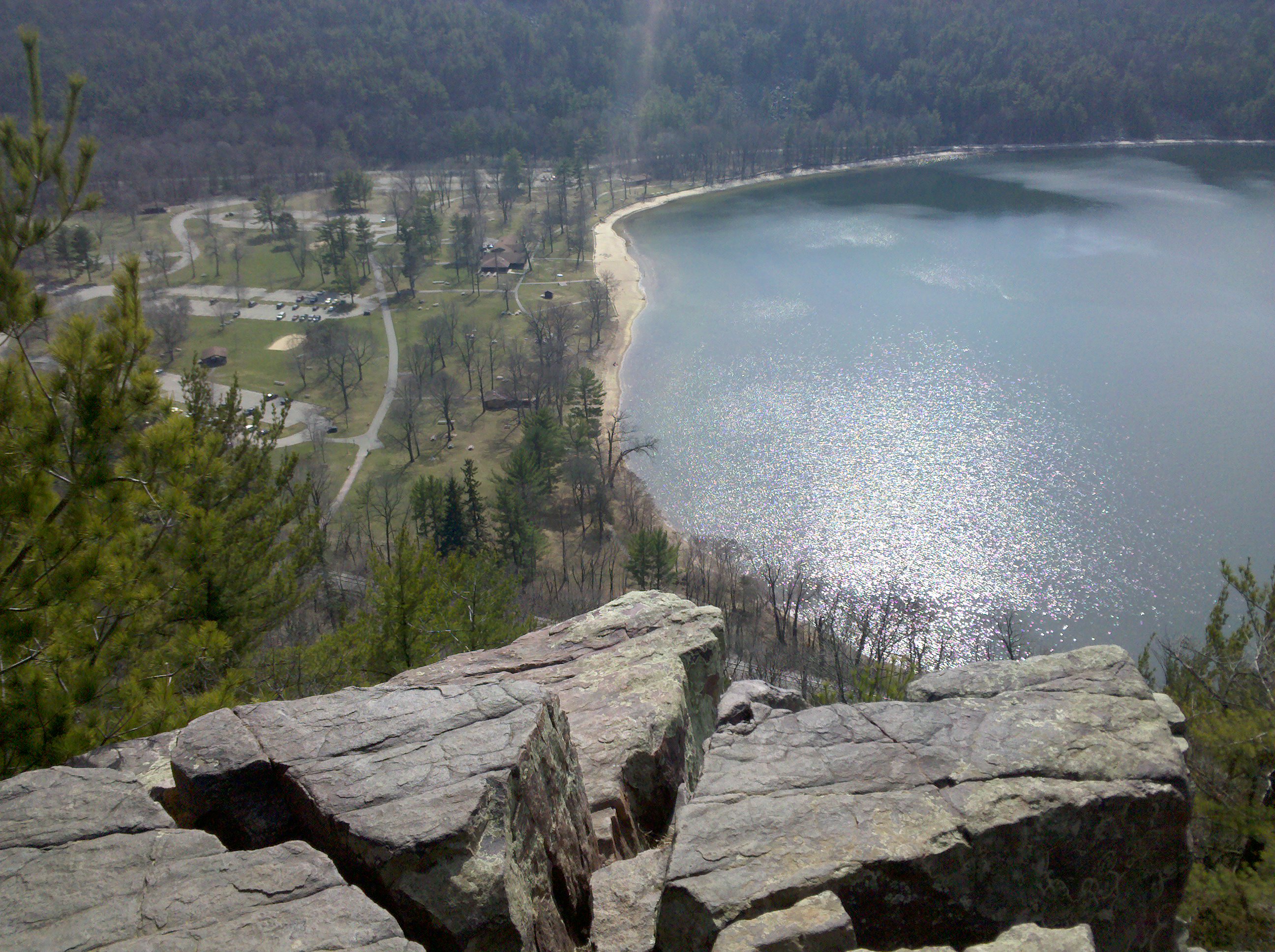
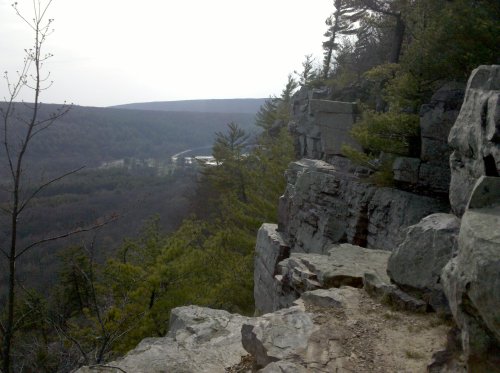
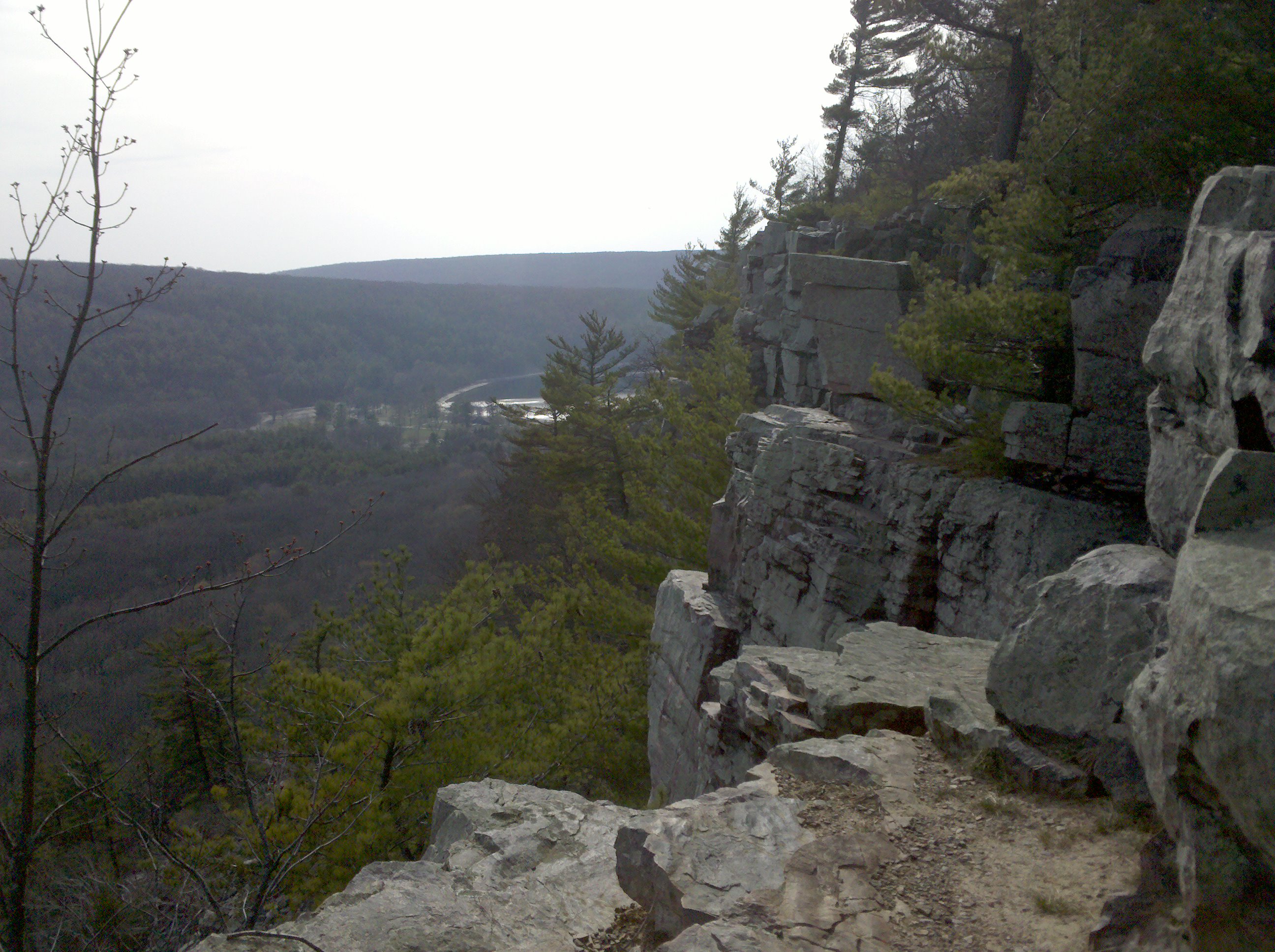
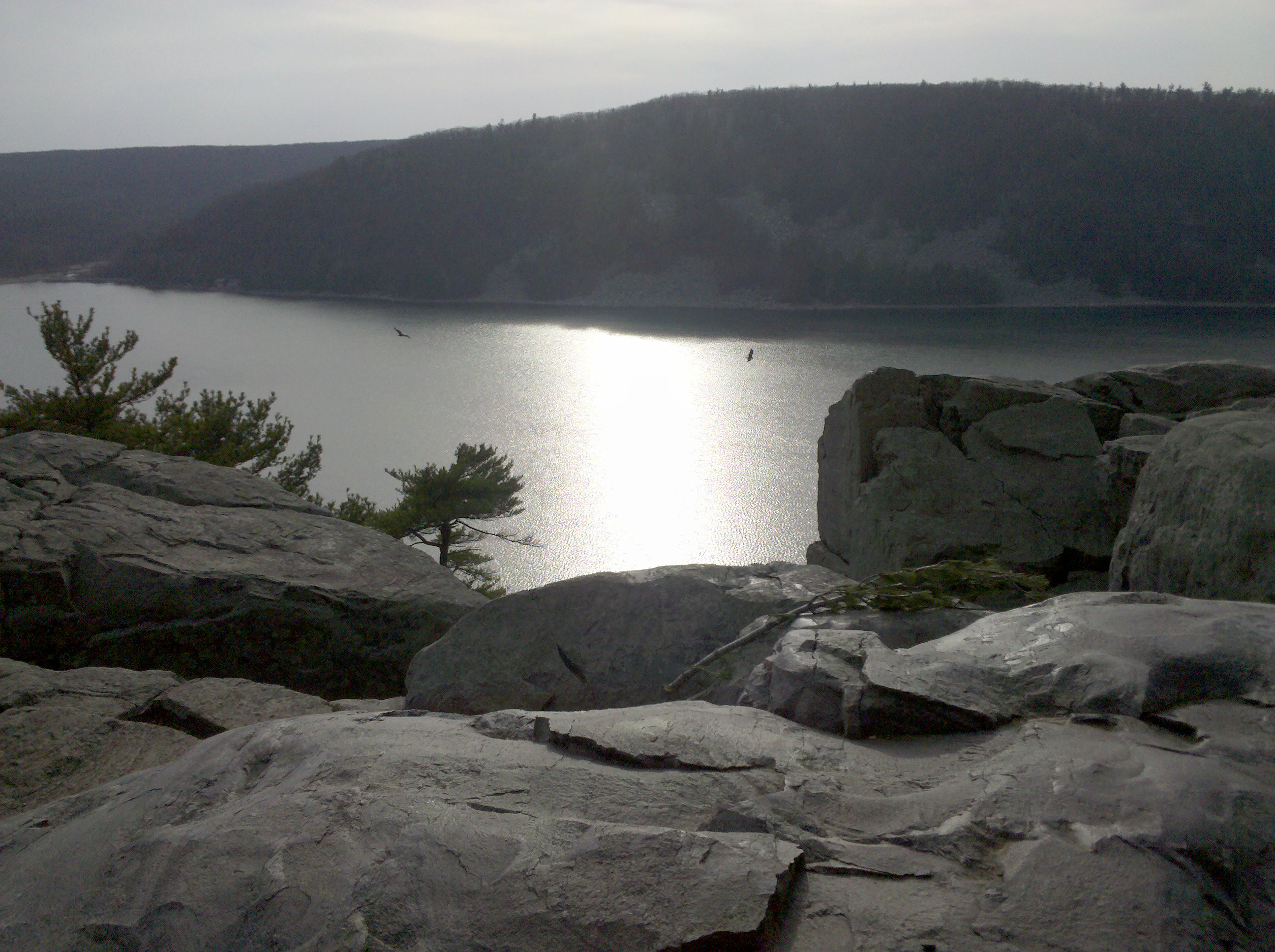
The day we were at the lake, March 31, the weather was warm, about 75 degrees F, and we saw kayakers out on the lake as well! Many families and couples were out that day. We hiked from about noon to 6pm and at sundown the views of the lake from high on the cliffs were spectacular. I’m sharing some of our pics from that day’s hike to help entice you to make your own journey to this beautiful natural park, unusually hilly (I’d say Mini-mountains is more like it) for the Midwest.  You don’t have to go far to find cliffs and rocks and lakes–Devils’ Lake is just about 3 hours Northwest of Chicago, about 30 minutes North of Madison, WI.

For info on Devils’ Lake, click here.

For directions, click here. Devil’s Lake State Park address: S5975 Park Rd., Baraboo WI 53913-9299 Phone (608) 356-8301

Fees

For an out-of state resident, a one day pass is $7. For an out-of-state annual pass, it’s $35. Camping is available at Devils Lake as well, click here.

View of Devil's Lake from East Bluff nearly at the top of the cliff

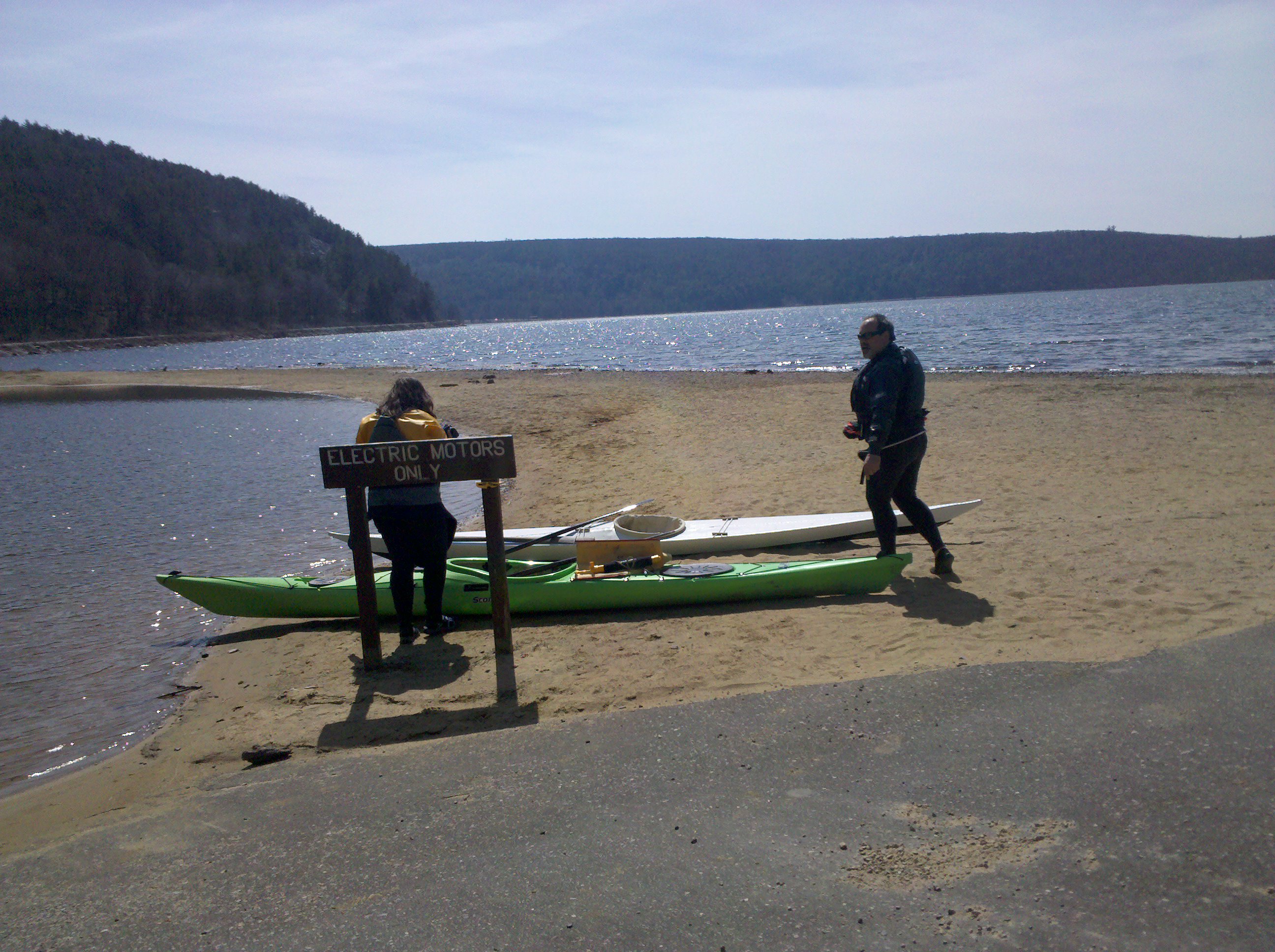
As we started our hike, we met one of the Park’s “rangers” as he and his companion started off on a kayaking trip around the lake.

What a great job! Manage the Park and go kayaking at lunch!

The water was cold, but soon will be a great place to swim!

The day we went was a pretty windy day, so you mostly hear wind instead of the relaxing waves lapping at the shore, but this short video gives you a nice view of the lake from the water’s edge.

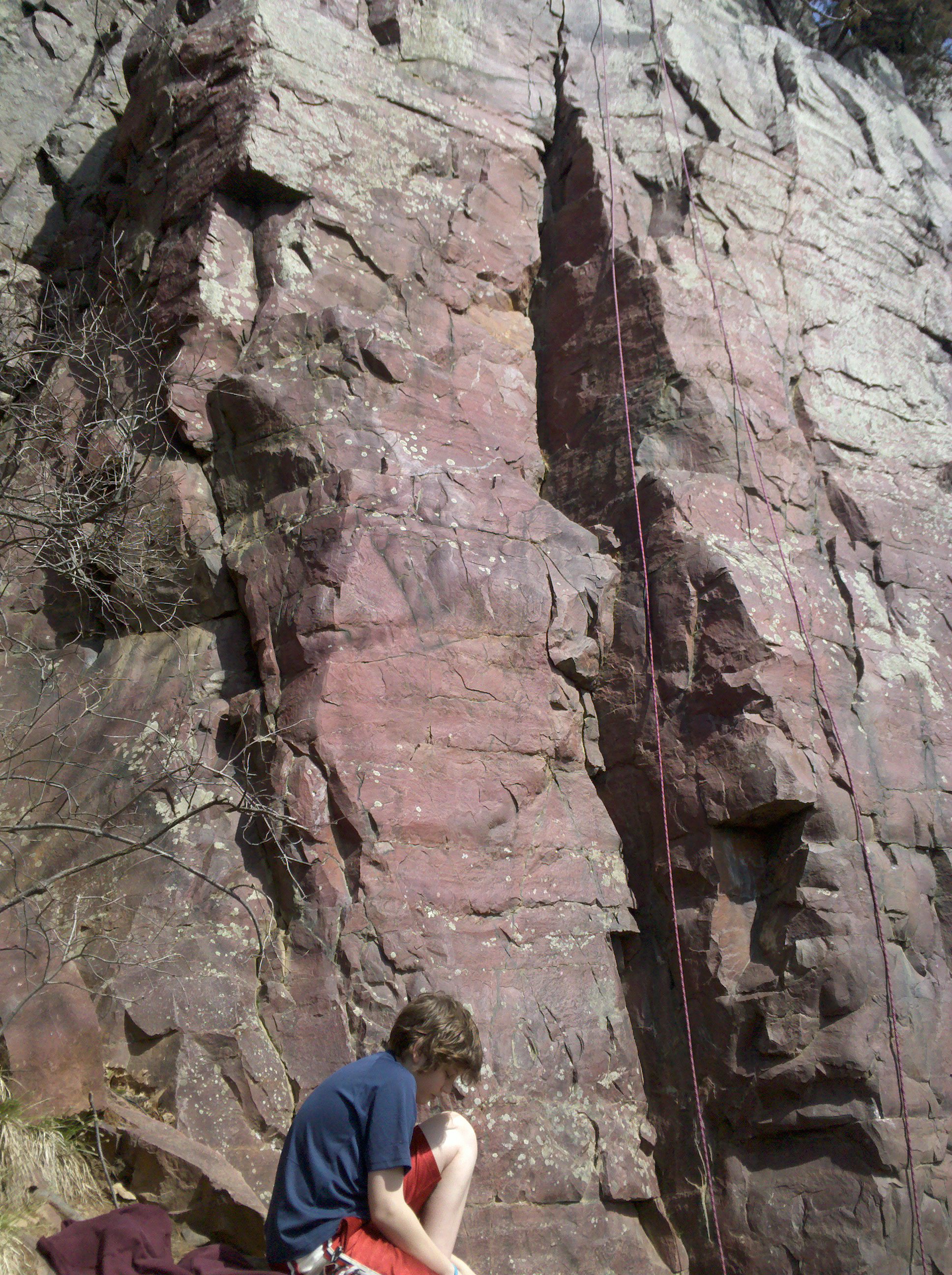
While we were hiking, we passed several groups of people practicing their rock climbing skills on walls of rock.

Rock climbers taking a break

We spent 6 hours hiking up and down different areas of the East Bluff Trail. The hike was fairly strenuous in parts because we choose routes that took up up and down the rocks to really challenge our cardiovascular systems and of course our calves! (Which were good and sore the next day)

No, this is not Yosemite, California, it’s Devil’s Lake, Wisconsin!

Sundown at Devil's Lake, WI

And at the end of our long day hiking, instead of relaxing in a nice jacuzzi, we decided to head over to the indoor waterpark Mount Olympus at Hotel Rome where we were staying. We spent two more hours climbing up and down stairs so we could slide down long winding water slides. In one day we gave our bodies and our minds a lot to enjoy!

Read Full Post »

By Sue Shekut, Owner, Working Well Massage, Licensed Massage Therapist, Certified Wellness Coach, ACSM Personal Trainer

Adventure Travel Show March 20-21, 2010

The winter has a lot of people itching to get away from it all. Now that Spring is showing signs of heading our way, it’s a great time to think about your next vacation or adventure trip.And why not combine fitness with adventure for your next trip?! Learn how from the experts this weekend (March 20-21) at the Travel and Adventure Show at Donald E. Stephens Convention Center in Rosemont.

What is the Adventure Travel Show?

The world’s largest travel and adventure show – the Travel & Adventure Show – will take place the weekend of March 20 & 21, 2010.

The event gathers hundreds of captivating destinations from exotic India to captivating Cayman and exciting, activities: a huge scuba pool, kayak demonstrations, an aerial zip line, a rope adventure course, cultural performers and much more.  The Travel & Adventure Show is THE place to kick off the winter blahs and plan that ultimate vacation.

Events Include

Learn to Scuba Dive

Learn to Scuba Dive in a Heated Pool!
Take advantage of free scuba lessons from a certified diving instructor.  Wetsuits, masks, air tanks – even hairdryers – are provided. Visitors 10 and older can dive into the 4-feet-deep, 18,000- gallon scuba pool and even play with an underwater scooter and MP3 Players. Bring your swimsuit and you are ready to go!

Saturday March 20, 2:30pm – 3:30pm Classic Hikes of the World
Peter Potterfield
Adventure Journalist and Editor of GreatOutdoors.com

From the Swedish Arctic to the highlands of Ireland to the wilds of New Zealand, travel along with Potterfield who has hiked more than 5,000 miles over six continents in his quest to discover the world’s best backcountry trails.
Sunday, March 21, 2:30pm – 3:30pm

Featured Presentation, Sunday March 21, 2010 from 2:30-3:30pm
Around the World with Julia Dimon

Julia Dimon
TV host, writer and travel expert
co-host, Word Travels

Julia Dimon (co-host of Word Travels, a 39-episode TV series on National Geographic Adventure about the real lives of travel writers) talks about her adventures across some 80 countries. From hiking with mountain gorillas in Uganda, to swimming with whale sharks in Mozambique, chugging back fresh Cobra blood in Vietnam, to visiting radioactive Chernobyl, Julia shares her quirky travel experiences and offers advice on planning your own inspirational adventures. Among many topics, Julia will talk about hidden-gem destinations, helpful travel tools, around the world travel, socially-responsible adventures, the reality of filming a travel TV show and how you can become a travel writer.

Sunday, March 21, 2010 from 3:15pm – 3:45pm
Climbing Kilimanjaro

Macon Dunnagan
Zara Tours

Macon Dunnagan has climbed Mt. Kilimanjaro not once….but 13 times! And he’s climbed every route up the fabled mountain. His most recent climb was only 3 weeks ago and he’s going to be showing video from this climb and sharing with you his amazing story, followed by a question and answer period.

There are many many more events, trade show vendor exhibits and presentations. Go to the Adventure travel website for more info here.

Where is the Adventure Show?

Donald E. Stephens Convention Center in Rosemont

5555 N. River Rd., Rosemont, IL 60018

847-692-222

Dancers at Adventure Show Global Stage

When is the Adventure Show

Public Show Hours:
Saturday, March 20: 10:30am-5:00pm
Sunday, March 21: 11:00am-4:00pm

The Global Stage has dance shows from around the world all weekend!

Travel Trade Hours:
Saturday, March 20: 10:00am-5:00pm
Sunday, March 21: 11:00am-4:00pm

What’s the admission Fee and How Do I Get Tickets?

Adults: $15 per day. Children under 16 Free per day.
Buy tickets online click here.

Reblog this post [with Zemanta]

Read Full Post »

By Sue Shekut, Owner, Working Well Massage, Licensed Massage Therapist, Certified Wellness Coach, ACSM Personal Trainer

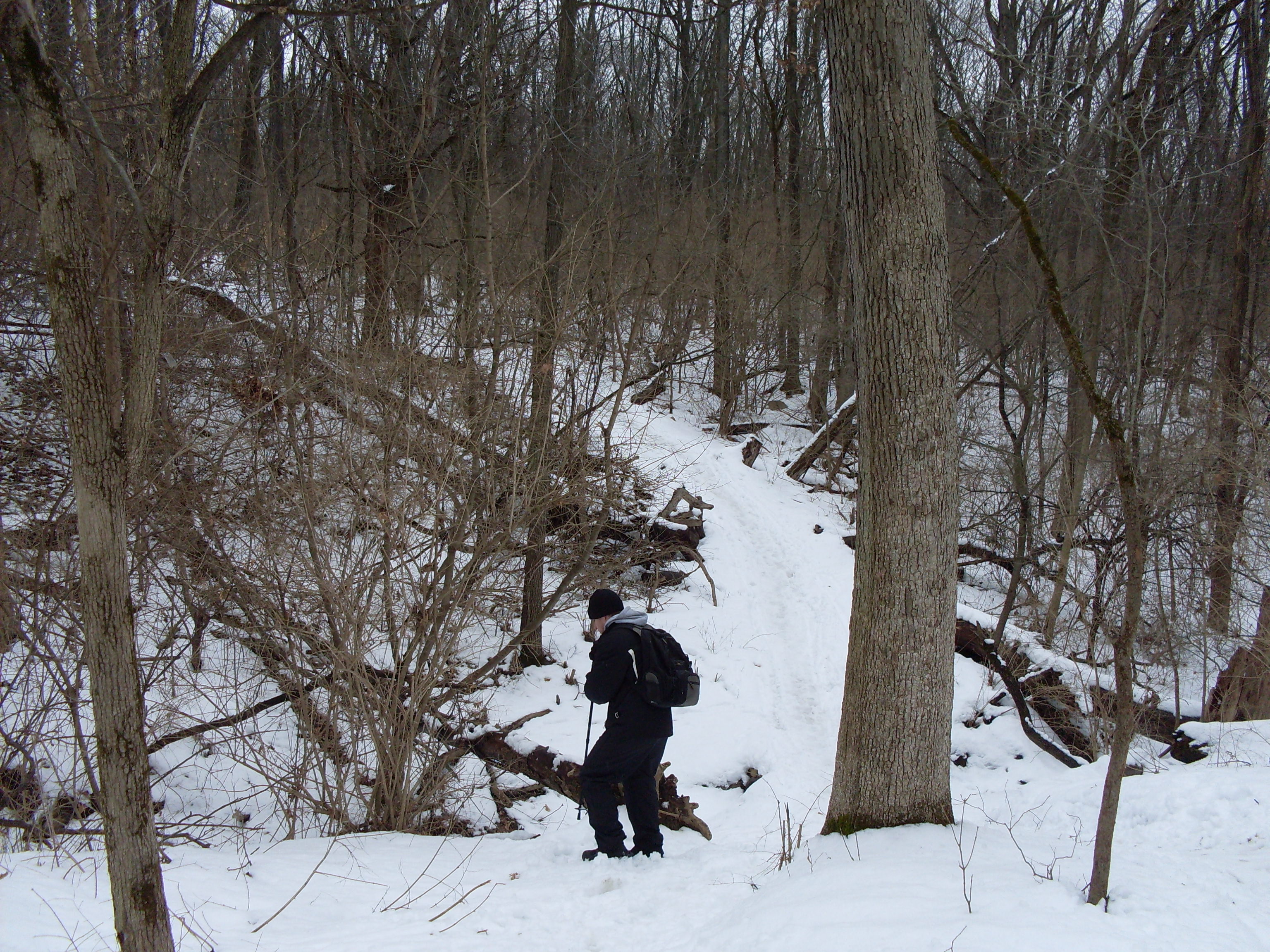
Hiking in Palos Forest Preserves in February 2010

Don’t let the snow and cold keep you from exercising outdoors. With the right gear and proper supplies, you can still hike and enjoy the great outdoors!  And the Chicago area forest preserves are open all winter to help keep you on track.

I’ve had the good fortune to get out a few times in the past month and hike in the Palos area forest preserves with my partner, Jay. We both have snow shoes and poles but it’s been too slushy for the snowshoes. So we hike it and use the polls for an even better cardio workout. Don’t get me wrong, the gym is still a great place to go in winter for cardio and strength training. But being outdoors gives your mind a chance to get away from televisions, loud music and…crowds.

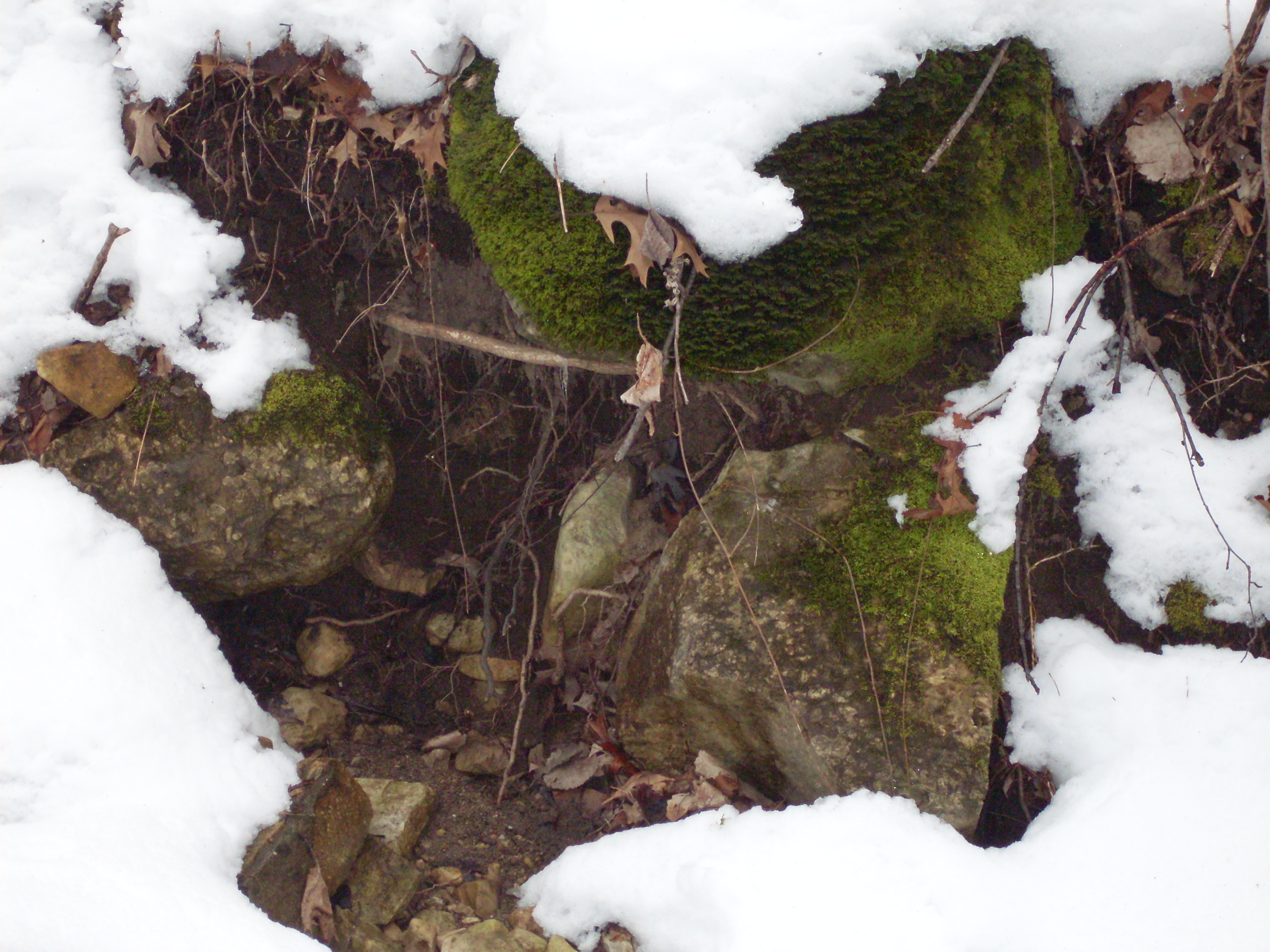
Moss covered rocks peeping through the snow heralding Spring!

We hike in waterproof boots and wear warm down coats. But as the hike goes on, we end up taking off our gloves and peeling off a layer as our bodies warm up.  It’s important to bring snacks to keep our blood sugar up and water for hydration. Even though it’s been relatively milder temperatures, we still need fluid and energy for the ups and downs of the ravines we travel.

If you feel a need to “get away from it all” but don’t have the time or money to fly somewhere, try the forest preserves in winter and see if a few hours of hiking in the woods doesn’t make you feel like you did indeed, “get way.”

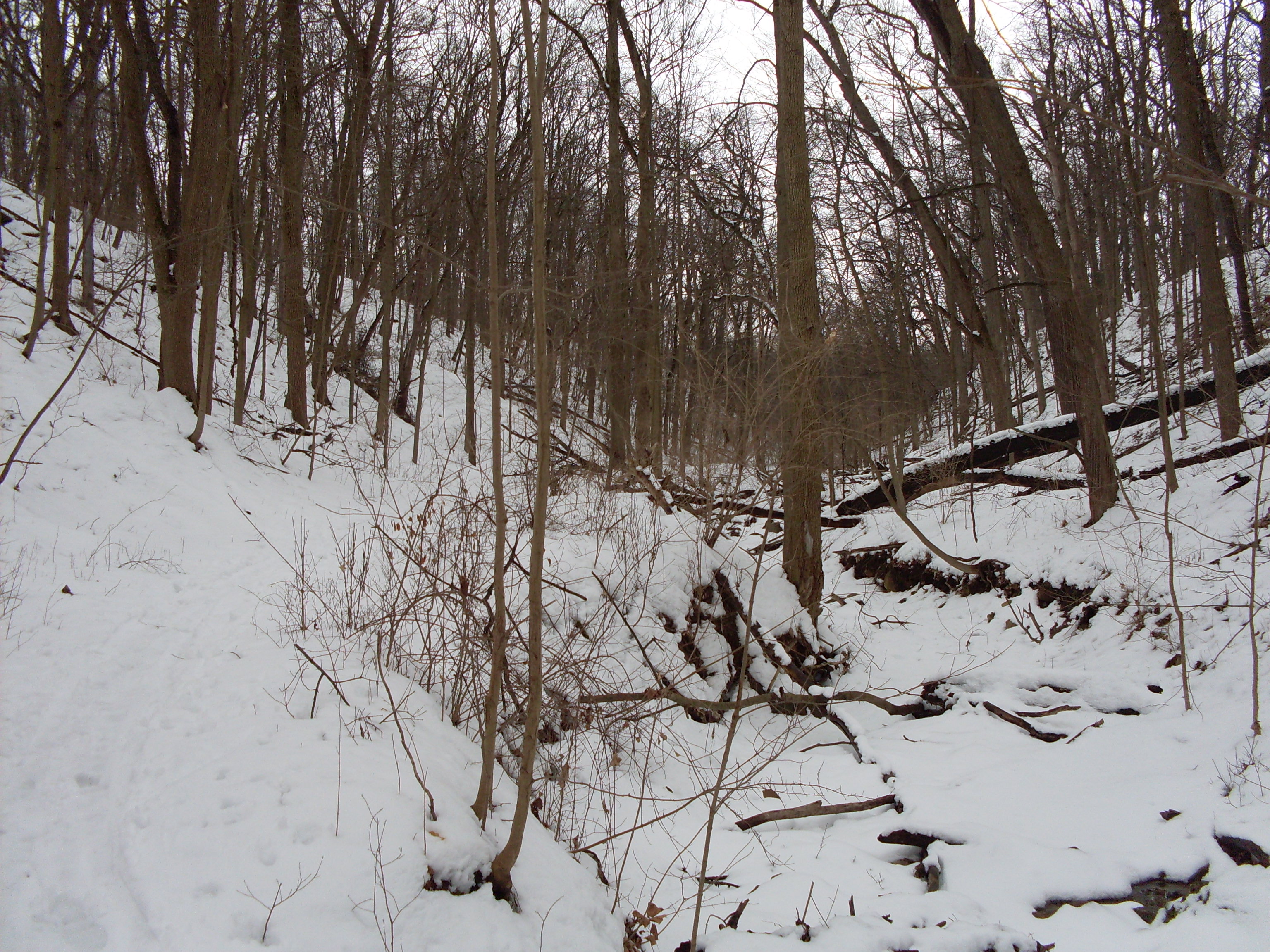
Palos Ravines, the trail to the left, a nearly frozen creek to the right

For a map of the hiking trails in Palos Forest Preserves Trail System, click here.

Great Hiking Gear for Winter Hikes

• Columbia Sportswear Woman’s Moonlight Mover pant click here.

• Yukon Charlies 3 Section Adjustable Hiking/Snowshoe Poles click here.
• Pacific Outdoors Optima 10-by-32 Snowshoes click here.

Reblog this post [with Zemanta]

Read Full Post »

By Sue Shekut, L.M.T. ACSM Personal Trainer, Certified Wellness Coach, & Owner, Working Well Massage

Winter is here which means more and more snow soon. If you don’t want to exercise inside, you can ski or sled or snowboard. What about outdoor exercise for hikers and those that don’t want to travel to downhill ski?  Snowshoeing is becoming a popular way to get some cardiovascular workouts and the Chicago area Forest Preserves area available all winter!

Don’t have  experience snowshoeing?  Read the following excerpt from the “First-Timers Guide to ShowShoeing” below from SnowShoeing Magazine to learn all you need to know to get started!

First-Timers Guide to Snowshoeing

There is no better way to begin snowshoeing than just going and doing it. Take a risk, rent or buy a pair of snowshoes, dress for the elements and enjoy. However, that’s just a start – there is more to it than just taking a refreshing plunge in some snow.

Snowshoeing has been around for thousands of years. And, obviously, the art of snowshoeing has become more sophisticated over time – now it’s considered a winter sport. From the early wood-frame to the aluminum-frame models, snowshoeing has garnered quite a following throughout the world. Modern day snowshoeing is made up of casual snowshoers who hike trails for pleasure, the snowshoeing enthusiasts who trek through the backcountry, and the competitors who race.

Considering this is the fastest growing winter sport in the world (snowboarding is growing fast too, but not fast enough), snowshoeing is poised to become a monster of a market. Many involved in skiing and snowboarding utilize snowshoes to participate in some great backcountry hikes to find the holy grail of mother nature: Deep, unscathed powder. Snowshoeing is a great alternative for many sports – especially those who like running.

What’s So Great About Snowshoeing?

The sport is easy to learn, virtually inexpensive (compared to other winter sports), poses little risk of injury and is a great way to exert energy during the cold winter months. According to research provided by Snowsports Industries America (SIA), 40.8 percent of snowshoers are women (a number that is increasing rapidly), 9.4 percent of snowshoers are children (ages 7-11), and 44.2 percent of snowshoers are ages 25-44.

shoe5

SnowShowing burns more claories than walking or running. Image from SnowShowing Magainze

One of the more appealing facts about snowshoeing is how it can help enrich a person’s health. Known to help maintain or improve cardiovascular fitness, the sport helps burn more than 600 calories per hour. Snowshoers can burn more than 45 percent more calories than walking or running at the same speed, according to SIA. Snowshoeing is a great way to pursue losing weight.

What to Look For in a Pair of Snowshoes?

When buying or renting a pair snowshoes, keep in mind the following details:
There are three types of snowshoes available: Recreational Hiking, Aerobic/Fitness and Hiking/Backpacking.
• Recreational hiking snowshoes are a basic selection and are perfect for first-timers. Usually, these snowshoes work best on simple terrain that doesn’t require a lot of steep climbing or descents.
Snowshoes for aerobic/fitness are best suited for those who are active snowshoers – like runners and cross-trainers. This type of snowshoe has a very sleek design and is generally tougher than most available.

Snowshoeing at The Basin Phippsburg 08

Snowshoeing. Image from outdoors.mainetoday.com

• If you like the powder and are more experienced with snowshoeing, purchasing a pair of hiking/backpacking snowshoes is your ticket. These are as tough as they come: Strong aluminum frame, durable material for flotation, and bindings that support all types of boots.

• The cost for a pair of snowshoes is generally inexpensive. Look to spend on the low-end around $100 and on the high-end around $300 (sometimes higher depending on the manufacturer).
grnshoe

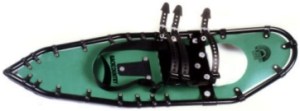
Northlites Snowshow from northernlites.com

• Many retailers will offer a package deal that will provide poles and a snowshoe bag. These are generally good deals, but pay particular attention to the type of snowshoe you will be receiving. If you want to do some backcountry snowshoeing, a starter kit won’t be the best option. Ask your retailer for more details.

• It is highly advised not to purchase a used pair of snowshoes. If you decide to go through with buying a used pair, inspect them thoroughly: Check the frames for damage (including chips), check the bindings for overstress and check the flotation material for holes and rips. Know who you are buying your snowshoes from. Don’t get caught in the backcountry with a faulty pair of shoes.

• Finally, as one of the most important factors in snowshoeing, choose according to the size available. Usually measured in inches, the length will depend upon how much you weigh. The most common sizes (excluding kids lengths) are 25 inches, 30 inches and 36 inches. Your retailer should be able to help you when deciding snowshoe length.

Where to Buy or Rent a Pair of Snowshoes?

There are plenty of snowshoe retailers to choose from. However, there are more obvious choices than others. For example, REI and Eastern Mountain Sports (EMS) sell snowshoes around the nation – they are the obvious retailers. The less obvious retailers are independent stores that may include equipment for running and local mountain outfitters.

If you really want a nice selection of shoes to purchase from a retailer, visit Backcountry.com: Click here. Backcountry.com is the place to buy not only snowshoes but accessories as well. They also have great prices on certain brands, models and snowshoe starter kits.

Where Should You Go Snowshoeing?

If it’s covered in snow…go for it!But, be careful. Don’t take risks and most importantly, have fun.

The prime areas for snowshoeing are at nordic centers, which are usually placed in or around a ski resort. Other types of snowshoeing destinations include bed and breakfast inns, mountain lodges, state parks, national parks, snow-covered golf courses, open space (provided by your state government), ski slopes, and much more.

Although many people like the individuality and peacefulness of snowshoeing, it’s a good idea to snowshoe with a friend or partner. And, bring a global positioning system (GPS) device and a compass to help better navigate remote and wooded areas.

Please note: Remember to bring plenty of water or a water filter on your snowshoe travels.

Read entire article from the “First-Timers Guide to ShowShoeing” below from SnowShoeing Magazine here.

What Type of SnowShoes Do I Use?

I recently bought a new pair of snowshoes from Amazon.com and plan to hit the trails as soon as there is more snow!
I bought the Pacific Outdoors Optima 10-by-32 Snowshoes

Pacific Outdoors Optima 10-by-32 Snowshoes

Available here from Amazon for about $78.00

Reblog this post [with Zemanta]

Read Full Post »

By Sue Shekut, LMT, ACSM PT, Certified Wellness Coach

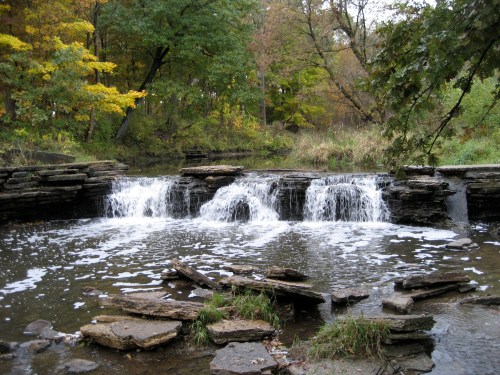
There is still time to enjoy the fall colors and get a bit of healthy hiking in this fall. Throw on a few layers of clothes, a good pair of hiking shoes, a camel back for water and grab a few LARABARs and you are ready to hike Waterfall Glen in the Chicago area!

IMG_0192

Waterfal Glen

Waterfall Glen is one of the DuPage County Forest Preserves. It rings Argonne labs and offers hikers, bikers, fishermen (and women), horseback riders and picnickers a chance to get away from the sounds, smells and traffic in the city. Being in nature has a stress relieving effect and exercise is good for stress management as well.

According to researchers at Cornell University: “Our study finds that life’s stressful events appear not to cause as much psychological distress in children who live in high-nature conditions compared with children who live in low-nature conditions,” says Nancy Wells, assistant professor of design and environmental analysis in the New York State College of Human Ecology at Cornell. “And the protective impact of nearby nature is strongest for the most vulnerable children — those experiencing the highest levels of stressful life events.”

From the Waterfall Glen website:

Waterfall Glen Forest Preserve has w glacier-formed ridges, ravines and potholes. The preserve is exceptional, because it contains features not found anywhere else in the county: The largest contiguous woodland block – over 700 acres — and a dolomite prairie, with rock very close to the surface and shallow soil, home to rare plants for the region.

IMG_0198

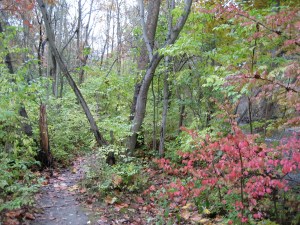
Fall Colors at Argonne/Waterfall Glen

Waterfall Glen’s many habitats — prairies, savannas, oak-maple woodlands and planted pine groves – and distinctive features make it a haven for a wide variety of plants and animals. Surveys by District ecologists have recorded more than 600 native plant species at the preserve, which includes 75 per cent of all the plants known to grow naturally in DuPage County. In addition, countless fish, amphibian, reptilian, and mammalian species can be found in the preserve, as well as more than 160 avian species, some year-round and some migrating.

Biking

Cyclists are invited to use any of the preserve’s eight-foot-wide multipurpose trails, although they are asked to stay toward the outside of the trails as a courtesy to other visitors. To prevent damage to sensitive natural areas, cycling on trails less than eight feet wide is prohibited.

Fishing

Several old quarries scattered throughout the preserve offer still fishing waters. All persons 16 and older (except legally disabled persons) are required to have in their possession a valid Illinois sport fishing license. All anglers must follow District and state regulations.

Horseback Riding

In addition to the main trail loop, Waterfall Glen offers trails suitable for horseback riding throughout the preserve. Visitors with trailers should park in the designated parking bays at the trailhead on Northgate Road.

Model Aircraft Area

A large open field in the southwest section of the preserve is a popular spot for local model aircraft enthusiasts. For more information on access to this area or use by qualified model aircraft clubs, contact Visitor Services at (630) 933-7248.

Picnicking

Visitors are welcome to spread a blanket and enjoy a picnic in the mowed grass areas at Waterfall Glen. Ground fires are not permitted, except in the fire ring at the trailhead area.

Trails

Waterfall Glen’s four marked trails range from 0.2 miles to 9.5 miles in length and meander through some of the preserve’s most scenic areas. The main trail is an eight-foot-wide crushed-limestone multipurpose trail. In addition, there are many unmarked mowed-grass trails and footpaths that dissect the preserve. Feel free to hike and explore these smaller, less-conspicuous paths, but remember that they often are not linked to the main trail nor are they shown on the preserve map.

argonne1009

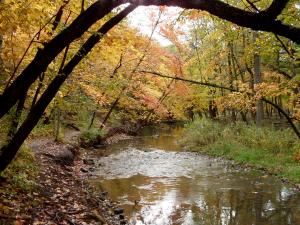
River at Waterfall Glen

To find out more about Waterfall Glen go to the DuPage Country Forest Preserve Website here.

Read Full Post »

By Sue Shekut, LMT, ACSM PT, Certified Wellness Coach

My boyfriend and I are avid hikers and bicyclers. We have spent many happy hours biking and hiking around Chicago area forest preserves this spring, summer and fall. But we get tired of the relative flatness of the terrain. Then we went to Starved Rock State Park this October and fell in love with the canyons in the area. We hiked about 8 miles one sunny Sunday, climbing literally hundreds of stairs and hills. It’s not the Grand Canyon, but for Chicagoans, it’s only 1.5 hours away from downtown and well worth the trip! And, it’s family friendly. We saw many parents with small children, babies in backpacks and people from all over the Chicago area.

I’ve loaded some of the pictures we took and use them as screen backgrounds. Feel free to use them yourself to give you a bit of natural relaxation on your computer desktop.

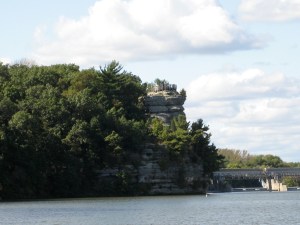
The View of Starved Rock from Lover’s Leap, the rock outcropping directly opposite Starved Rock.

IMG_0078

Starved Rock

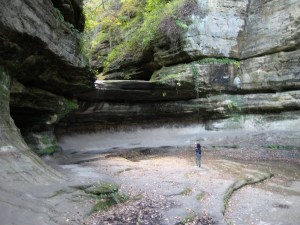
LaSalle Canyon. See how small the person in the picture is compared to the canyon? This gives you an idea of the majestic size and scale of the canyon.

IMG_0131

LaSalle Canyon at Starved Rock, Oct 2009

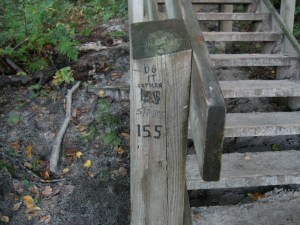
I love this shot of the bottom of one set of stairs along the hike. Some thoughtful previous traveler gave us a heads up on the stair count before us. 155 stairs to climb. With the motivational cue: Do It Fatman!

We did it!

IMG_0151

Stairs at Starved Rock

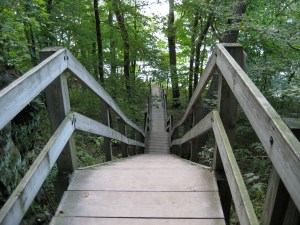
The view from the top of the stairs. Indeed, 151 stairs we climbed. And prior to that another 141 stairs at another area of the trail.)

IMG_0153

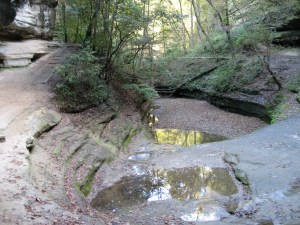
Another view of LaSalle Canyon. At this time of year, there was less water so we were able to hike into the canyon and walk all the way back to the edge of the waterfall which is behind us in this shot.

IMG_0134

If you look closely you can see the tiny trickle of waterfall still falling in October.

IMG_0135

Read Full Post »

« Newer Posts