Feeds:
Posts
Comments

Posts Tagged ‘Cook County Forest Preserves’

By Sue Shekut, Owner, Working Well Massage, Licensed Massage Therapist, Certified Wellness Coach, ACSM Personal Trainer

We had a great snowfall in Chicago this weekend! And maybe you want to go sledding. Or your kids want to go sledding. Where do you go?  The Chicago Area Forest Preserves have a number of Sledding hills you can check out. Some are lighted and open until 10pm. Others are not lighted and only open til sunset. DuPage county also has sledding hills and other winter activities listed below Chicago Forest Preserve hills. Will County also has some great hills including the 40-foot long sledding hill at Goodenow Grove.

Check out the list of Cook County Forest Preserve hills below to see which ones are closest to you.

Cook County Forest Preserve Winter Activities-Click here for more info.

Sledding and Coasting

When snow conditions are suitable, the areas designated below are available for sledding and coasting.

Sledding and Coasting Hills With Lighting (Hours: 8 A.M. – 10 P.M.
Dan Ryan Woods
87th and Western Ave., Chicago

Swallow Cliff Woods
Route 83 and Mannheim Road, Palos Park

Caldwell Woods
Devon &; Milwaukee Avenues, Chicago
Deer Grove #5
Quentin Road, north of Dundee Road, Palatine

Westchester Woods
Cermak Road, east of LaGrange Road, Westchester

Sledding and Coasting Hills Without Lighting (Hours: 8 A.M. – sunset

Indian Hill Woods
16th Street & Edgewood Avenue, Chicago Heights

Pioneer Woods
107th Street, 1/2 mile west of LaGrange Road, Willow Springs

Indian Road Woods
Central Ave., 1/2 mile south of Caldwell Ave., Chicago

Schiller Woods
Irving Park and Cumberland Ave., Schiller Park

Deer Grove #4

Quentin Rd., north of Dundee Rd., Palatine

Public safety requires the closing of many Forest Preserve parking lots and driveways during the winter season. However, parking facilities involved with winter sports will be open daily.

Forest Preserve District of Cook County Sledding Hill Rules and Regulations

• Use of Forest Preserve District of Cook County sledding hills is a visitor’s own risk.
• Proper use of appropriate sledding devices which are in good repair and have no sharp edges is recommended.
• Use of skis, inflatable tubes, carpets, snowboards and metal-railed sleds is strictly prohibited.
• Unauthorized building of ramps, bumbs, moguls, hills or jumps out of a material or substance is strictly prohibited.
• Children under the age of 12 should wear a bicycle or multi-sport helmet and should be supervised by an adult.
• Sledding hills may be closed due to a lack of snow cover or for any other safety-related reason.
• Pets and alcoholic beverages are strictly prohibited on sledding hills.

DuPage Forest Preserve Winter Activities-Click here for more info.

Snow Tubing

The snow-tubing hill is located at Blackwell Forest Preserve in Warrenville.

* The 800-foot run is open December through February on weekends and school holidays, except Dec. 25, when the hill is covered with 3 or more inches of snow.
* Participants must use District-rented inner tubes.
* Rentals, which are at the base of the hill, are $4 per tube per day (cash only).
* Updated hours of operation and snow conditions are available at (630) 871-6422.

Sledding and Ice Skating

Unless otherwise posted, the Forest Preserve District allows sledding and ice skating in all forest preserves.

* Neither sledding nor ice skating requires a permit or has an associated fee.
* Rangers do not monitor ice conditions.
* All ice-related activities are done at the user’s own risk.
* As a guideline, not a guarantee, a minimum of 4 inches of ice is recommended for any ice activity.
* Sledding is always prohibited at Mount Hoy at Blackwell Forest Preserve, the closed landfill sites at Greene Valley and Mallard Lake forest preserves and any slopes at Spring Creek Reservoir Forest Preserve.

Will County Sledding Hills-Click here for more info

Forked Creek Greenway (Wilmington)
Goodenow Grove Nature Preserve (Crete Township)

Goodenow Grove in Beecher provides a includes a 40-foot-high sledding hill. Sledding tubes can be rented at Plum Creek Nature Center, which is located near the sledding hill. Guests can also bring their own sleds, but no steel runners, snowboards, or steerables are allowed. Please also note that no dogs are allowed on the sledding hill. To check on sledding conditions at Goodenow Grove, call the Plum Creek Nature Center at 708.946.2216 or check the Winter Recreation Report during the winter season.

Lake County Forest Preserves

Sledding
Grab your sled and head out to the sled hill at Old School Forest Preserve or at the Lakewood Winter Sports Area. The hill at Lakewood is lighted and open until 9 p.m. every day that it is in operation. The sled hill at Old School is open until sunset every day when conditions allow. Note: no sleds with metal runners or snowboards, please.

Check back here for current conditions or call our Winter Sports Hotline at 847-968-3235. Click here for more info.

Enhanced by Zemanta

Read Full Post »

By Sue Shekut, Owner, Working Well Massage, Licensed Massage Therapist, Certified Wellness Coach, ACSM Personal Trainer

Aside from the Solar Schools Ride, there are many great bike paths in the Chicago area just waiting for you to get your bike out on the open “road.”  Aside from the crowded Lake Michigan Lakefront, Chicago has a number of bike paths in area forest preserves, on suburban streets and even along some of the main roads in the city of Chicago proper. But before you take your bike out on a long bicycle ride, it’s a good idea to tune it up!

Marin MTB
Image via Wikipedia

You can either take your bike into one of the area bike stores like Kozy’s, Village Cycle or Richard’s Bikes in the suburbs.

Or you can Do-It-Yourself, using the simple steps outlined below. Read this excerpt from Spark People, “7 Steps to Tune Up Your Bike for Spring,” By Glenn Kent, Ph.D., Certified Personal Trainer for seven steps to tune up your bicycle this Spring.

Tune-up task #1: Clean your bike.
A clean bike extends the life of all its components, just as a clean car lasts longer.

What to do: Use a basic biodegradable cleaner such as Simple Green, a towel and an old toothbrush to clean everything: the frame, chain, chain rings, cassette, derailleurs, pedals, brakes, and seat. Make an effort to use as little water as possible. Also, remove the seat post (the tube connected to your seat that slides into the frame) and after cleaning it, and add a small amount of bicycle grease before reattaching it. This grease will last longer than oil, which dries out faster, and will also act as a barrier against rust in the seat tube.

Tune-up task #2: Inspect your brake system.
Brakes are a vital component of all bikes because they provide control over the speed you travel. Controlling speed reduces the likelihood of being in an accident. Brakes also permit the cyclist to maneuver while turning, riding up and down hills and avoiding debris or other obstacles.

What to do: First, check the brake pads, the rectangular rubberized component that actually rubs against the metal tire rim. Just like the brakes in your car, bicycle brakes wear down over time and need to be replaced. Use a flashlight to assess if the pads are wearing evenly. If you notice a ridge or other uneven wear pattern, you may need to have your brakes adjusted. Replace the pads if they show excessive wear. Next, squeeze the brake lever on your handlebars and watch the brake pads. They should hit the rim at the same time. If they don’t, you can adjust your brakes with the brake arm tension screw, which is located on one of the brake lever arms near the tire. If you notice too much slack in the cable when pulling your brakes, roll out the barrel adjuster at the end of the lever (where the cable enters the housing) to add tension to the brake cable, thereby making the brakes react more quickly.

Tune-up task #3: Watch your wheels.
Wheels (rims) hold your tires in place and provide stability and smoothness while riding. Your bike would not move without rims because they allow consistent contact between the tires and road surface.

What to do: Clean the wheels with rubbing alcohol and a clean, dry cloth. Inspect the rims for nicks, scrapes, dents or other damage. Next, elevate one end of the bike and spin the wheel. The wheel should move smoothly, without wobbling. Repeat for the other wheel.

Tune-up task #4: Inspect the drivetrain.
A bike’s drivetrain includes the pedals, chain, chainring, derailleur (the device that moves the chain to make riding easier or harder) and rear wheel cassette (all the little teeth in the center of the rear wheel). The drivetrain is important because it transfers the power generated by the rider’s legs to the rear wheel. This transfer of power provides the force that moves the bike.

What to do: You will need a partner or bike stand to assist with this part of the tune-up. Raise the rear wheel and spin as you did when checking the wheels (task #3 above). This time, shift through all the gears. Shifting should be smooth and easy to perform. Inspect the chain, chainrings, derailleur and cassette for damage (excessive wear, missing teeth, dents, scrapes, etc.). Note that small chainrings wear out sooner than large chainrings and that chains are the most frequently replaced component of the drivetrain.

If shifting is not smooth, take your bike to a repair shop to adjust the derailleur. Doing this yourself can lead to more problems if you do not know what you’re doing. Again, chains are usually the first component to go in the drivetrain and should be replaced every 2,000-3,000 miles. Replacement cost is generally between $20 and $50. Waiting too long to replace a chain will wear down the other drivetrain components faster.

Tune-up task #5: Check the tires.
Tires fit around the wheels (rims) to protect them and improve their function. Tires offer a source of friction (i.e., traction) with the ground, permitting travel over a variety of surfaces, including pavement, dirt and gravel. In addition, they form a flexible cushion with the ground, which smoothes out shock, making for a more comfortable ride.

What to do: Check your tires for splits, cracks or tears, especially along the sides (where the tire does not touch the ground). You will also want to check the tread for uneven or excessive wear. If the brake pads were out of alignment (task #2 above), make sure they have not damaged the tires.

Tune-up task #6: Check the cables.
Cables are made of tightly coiled metal wire surrounded in plastic housing. Cables connect the shifters and brakes on the handlebars to the derailleur and brake pads. Cables connected to the shifters assist with moving the chain from one gear to another via the derailleur, while those connected to the brakes aid in stopping the bike when the lever on the handlebars is used.

What to do: Inspect the cable and surrounding rubber housing for cracks, crimps, rust, dirt and looseness.

New cables make shifting and braking smooth, which increases bike performance. If you notice damaged or worn out cables, get t hem replaced at your local bike shop. Unless you’re well-trained in this task, changing bike cables can be tricky and time-consuming. Schedule replacement of cables every 2-5 years based on use. If you ride your bike year-round, consider replacing your cables yearly.

Tune-up task #7: Add lubricant.
Oil lubricant coats the chain and other components of the drivetrain, helping them last longer and work more efficiently. Lube also reduces accumulation of dirt and grime, which helps increase performance of the moving parts.

What to do: Apply lubricant evenly to the chain while slowly rotating the pedals in a counterclockwise direction. Also, remember to lube moving parts on the derailleur, the pivot point on the brake levers and any exposed cable wire. Remember to wipe off any excess oil with a clean, dry rag, especially on the chain.

Source list:
Downs, Todd. 2005. Bicycling Magazine’s Complete Guide to Bicycle Maintenance and Repair: For Road and Mountain Bikes. New York: St. Martin’s Press.

How to Repair a Bicycle, from the Editors of Consumers Guide

Rules of the Road, from the League of American Bicyclists

Read the entire article at Spark People here.

Reblog this post [with Zemanta]

Read Full Post »

By Sue Shekut, Licensed Massage Therapist, ACSM Personal Trainer, Certified Wellness Coach, Owner, Working Well Massage

Some people go to the gym to workout, which is great. These days, between working many hours and long commutes, it’s tough to find time to workout and relax and still spend time with your loved ones. Why not combine your fitness routine with a little nature, add your family and or friends and explore the peace and fresh air afforded you by spending time in the forest.

In the Chicago area, there are approximately 50-60 different forest preserve trails within an hour or so of the downtown area. Many people enjoy the lakefront, but that’s the problem–many people. If you want a quieter bike ride, hike or even a horseback ride, the Forest Preserves are less crowded, much more wooded and often actually quiet!

Biking in the Forest Preserves
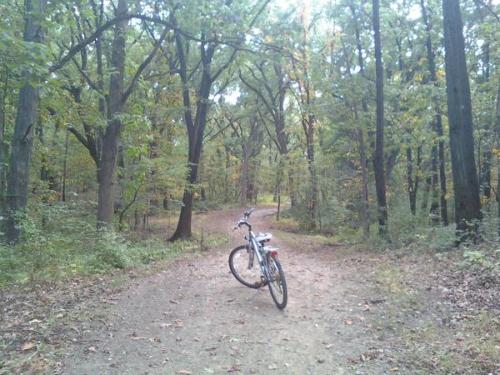
Biking in the Forest Preserves can be a great workout and a nice way to relax, enjoy the company of family and friends and see something other than buildings, concrete and cars. Speed training or racing is not permitted so you are less likely to get run over by a fast-paced bike racer!

Biking in the Forest Preserves

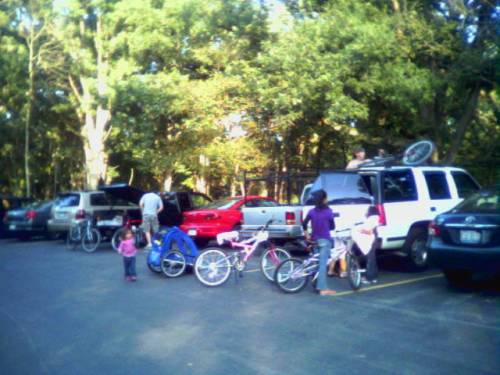
Families with small children can take their little ones along on bike rides with a bike trailer such as the Childrens bike trailers shown here.

On one our of forest preserve bike rides, we came across a family that brought along the bikes for mom and dad and the eldest daughter, then packed up their two little girls in the bike trailer for the dad to pull. In this way, the whole family got to ride together and dad got a super workout (especially up hills!)

Family fun on bikes in the Forest

Info on bike carrier safety for children here.

Cook County Forest Preserves
Cook County Forest Preserves provides 100 miles of paved bicycle trails and over 200 miles of multi-use trails in the Forest Preserve for bikers, joggers, walkers (and in winter, snow shoe-ers and cross country skiers!) to enjoy. Cook County Trail System Maps here.

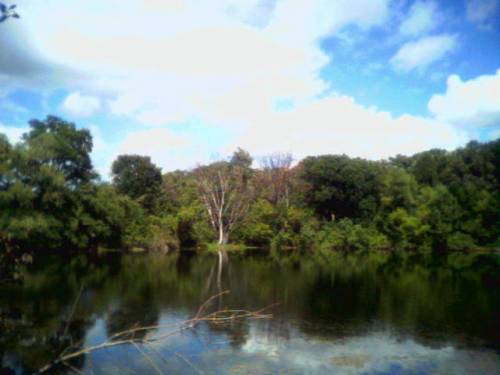
And did you know that in Cook County, there are 27 lakes, ponds, quarries, reservoirs and sloughs to enjoy! Check out the listing of water sources in Cook County here.

View of Lake from biking trail

DuPage Forest Preserves
DuPage Forest Preserves offer over 145 miles of on-foot explorations from seldom-traveled footpaths to wide limestone trails.

DuPage Forest Preserves trail listing and hiking maps here.

DuPage County Forest Preserve Locator Map here.

Lake County Forest Preserves
Lake County Forest Preserves offers Forest Fitness sessions which are “Fast-paced group fitness hikes feature a different preserve each week.” For more info click here.

Lake County Forest Preserves Map here.

Will County Forest Preserves

Will Country Forest Preserves trail system list.

Will County trail Systems Map here.

Where ever you live, there are likely forest preserves and national parks in your area. Take advantage of this free (no membership needed!) natural gym for you and your family. And get your fitness in the forest!

Read Full Post »