When someone we care about is in pain or has had surgery, it is difficult to know how to help them. For many people, time is the main healing agent. For others with chronic pain, patience and respect for your loved one’s needs are important as time may not heal or reduce their pain. Watching someone you care about suffer can be stressful and difficult. I’m sharing some ideas for care giving a loved in pain below.
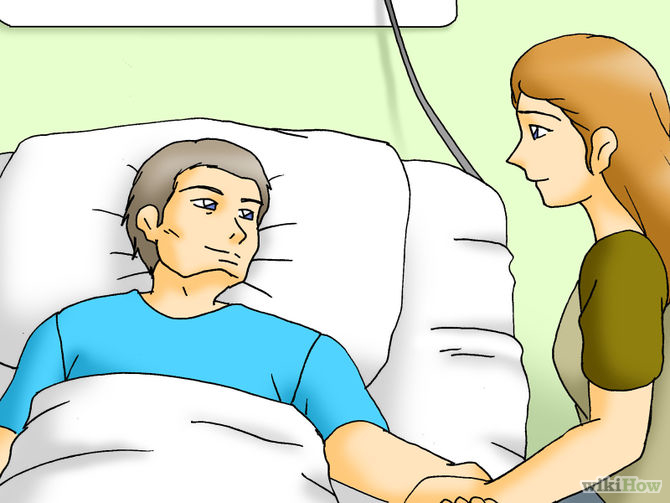
Keep in mind that when someone is in pain, they are likely to have less energy for conversation and may not be able to be clear about their needs. Offering help is kind, but general offers of help such as “let me know if you need anything,” puts the burden of determining what is needed on the person in pain. This kind of help may actually be more frustrating than helpful. Instead consider what your loved one may need and offer a few specific services or items they may need. For example, “Would you like me to read to you?” Or, “Let me know if you want to watch a funny movie.” “May I have someone come in (or come in myself) and clean your bathroom/home for you?”
Notice what your loved on seems to struggle with. Is it difficult for him/her to ask for help? Are there certain responsibilities (paying bills, cleaning, grocery shopping, prepare meals, etc.) that are difficult that you may be able to help with? Make a list and ask your loved one if you can help with any of those needs.
Consider your loved one’s energy levels and ask him/her the best time to call or visit. Even if someone does not “look” sick or tell you they are in pain or feeling tired, does not mean they are not feeling tired or need rest. Be mindful of your loved ones face and expression. If it seems he/she is getting tired, it may be time to cut the visit short or let your loved on sleep while you do dishes or other helpful chores.
Be a gatekeeper for other friends and family so that the person recovering does not need to speak to multiple people with updates. At the same time, if the person recovering seems to be able to handle phone calls and texts and finds that a good distraction from the pain, help make that easier by setting up pillows and a phone ear piece so that your loved one can sit or recline comfortably as he/she talks on the phone or texts.
If speaking is difficult for your loved one due to pain or fatigue, agree on a few hand signals so that your loved one can tell you if he/she needs rest, pain medication or does not want to talk to someone. Rest is key in recovering from many illnesses. Try not to bombard your loved one with too many questions, excessive offers of help or with visitors, especially the first week after surgery. Quiet assistance, merely being nearby and not being overly chatty may be much appreciated.
Aside from kindness, patience and respect for your loved on, there are some gifts that may be helpful when a loved on is recovering or bed ridden. This blog post shares great gift ideas for post surgical loved ones and also may have helpful for loved ones with chronic pain or limited mobility, “26 Surgery Recovery Gift Ideas – Cool Gift Ideas For Someone In The Hospital.”
Feel free to share your experience and ideas for helping a loved one through a surgical recovery or painful illness in comments below!


 Working Well Resources' Blog