Feeds:
Posts
Comments

Posts Tagged ‘American College of Sports Medicine’

By Sue Shekut, Owner, Working Well Massage, Licensed Massage Therapist, Certified Wellness Coach, ACSM Personal Trainer

May 2-8 is Demand Healthy Week. What does that mean?

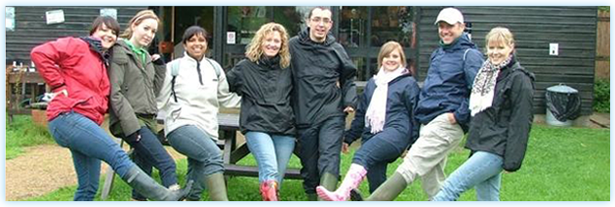
Tap your inner hero for health and show your support for an active, healthy American culture by participating in ACTIVE Life’s Demand Healthy Week. Throughout Demand Healthy Week, ACTIVE Life challenges you to create, share and log “Moments, Groups and Projects for Health” . These projects can be simply preparing a healthy meal, organizing a recurring walk or bike ride with friends or coworkers, or participating in community events such as a clean-up day or working in a community garden. It’s easy and free to participate in Demand Healthy Week. The Demand Healthy Week website has all the tools you’ll need to take action. Click here for more info.
More details from the Demand Healthy Week website:

History of Demand Healthy Week

On May 5, 2010, ACTIVE Life asked people and places across the country to show their support for healthy, active lifestyles by creating and sharing Moments of physical activity (Move), healthy eating (Fuel) and personal and environmental health (Honor). We called this day-long initiative Make the Movement Day (MMD) , and the end results demonstrated the powerful effects of what can happen when an energetic and committed community works together.

By the end of the day, nearly 90,000 healthy Moments had been organized and shared in 43 states. MMD participants of all ages took part in healthy, active Moments like school-wide health marches, healthy office picnics and community-wide run/walks. And, for one incredible day we were unified in our mission to build healthier communities.

Despite the success of Make the Movement Day, unhealthy living continues to be an epidemic in America, manifested in ballooning obesity rates, soaring health care costs, and the overabundance of unhealthy people, places, products and policies.

What are other people doing to show their healthy lifestyles? For a list of other healthy demander’s and a description of their healthy Moments, Groups and Projects, click here. And for a list of supporters of Demand Healthy Week, including the American College of Sports Medicine, click here.

About ACTIVE Life

ACTIVE Life is a 501(c)(3) nonprofit organization dedicated to organizing the national movement for healthy change in America. They envision and are committed to establishing an American culture which values, demands and supports healthy for all. They believe that it’s time to demand that healthy be the norm in our country, and  hope you’ll demonstrate your support by participating in Demand Healthy Week.

To learn more about ACTIVE Life and our programs and initiatives, click here.

Enhanced by Zemanta

Read Full Post »


Cover Your Mouth When Sneezing!

By Sue Shekut, Owner, Working Well Massage, Licensed Massage Therapist, Certified Wellness Coach, ACSM Personal Trainer

The cold and flu season seems to no longer be a season but a constant sharing of germs and sneezes in many of the corporate offices I visit. Aside from sleep and fluids some people swear that exercising helps keep them from getting many of these office bugs.  According to a recent press release from the American College of Sports Medicine, sometimes it’s better to rest when you are sick versus exercise. However, exercise does help boost your body’s immune response. So how do you know when to work out and when to stay in bed?

Read this excerpt from the ACSM press release:

ACSM Fellow David C. Nieman, Dr.P.H., says that moderate exercise (30 minutes a day, on most, if not all, days of the week) actually lowers the risk for respiratory infections.  Prolonged, intense exercise, on the other hand, can weaken the immune system and allow viruses to gain a foothold and spread.

In general, if your symptoms are from the neck up, go ahead and take a walk,” said Dr. Nieman. “But if you have a fever or general aches and pains, rest up and let your body get over the illness.”

Read more from the press releases including Dr. Nieman’s  4 Tips on when to exercise and when to rest here.

And for a more detailed Fact Sheet on the relationship between safe exercise and illnesses download the ACSM fact sheet: “Exercise and the Common Cold,”   This fact sheet was written by Dr. Nieman.

Enhanced by Zemanta

Read Full Post »

By Sue Shekut, Owner, Working Well Massage, Licensed Massage Therapist, Certified Wellness Coach, ACSM Personal Trainer

One of the advantages to being a member of the American College of Sports Medicine (ACSM) is that I get timely access to the latest studies on sports medicine and exercise science. I also get a lot of information about what’s happening in the U.S. regarding health and wellness. Today I opened my email to find a newsletter from ACSM and a link to a great blog that features stories about real people implementing fitness and nutrition programs into schools, workplaces and the home. The blog is called the “Be Active Your Way Blog” and this week it features a story about the Hip Hop Healthy Heart Program for Children™ (Hip Hop), a comprehensive wellness program bringing together physical education, music, and arts in grade K-6th. The post before that was an article on ways people have overcome environmental barriers to be more active and fit with suggestions. Check it out here!

The blog was created by the U.S. Department of Health and Human Services. Contributors to the blog include the YMCA,  ACSM, the Office of Disease Prevention & Health Promotion, the National Center on Physical Activity and Disability, the National Physical Activity Plan, the National Coalition for Promoting Physical Activity, Inc. and many similar organizations.

Enhanced by Zemanta

Read Full Post »

By Sue Shekut, Owner, Working Well Massage, Licensed Massage Therapist, Certified Wellness Coach, ACSM Personal Trainer

The American College of Sports Medicine tracks trends for the fitness industry and published their findings to show you what to expect in fitness in the coming year at the gym, in your doctor’s office and at work. Experienced fitness professionals topped the list while strength training, core work, special fitness programs for older adults, pilates and balance training also made the top ten. Dr. Walter Thompson, of the American College of Sports Medicine (ACSM) which conducted the poll, said that 1,540 ACSM-certified fitness professionals from all around the world took part in the online survey.

“We really wanted to look at trends,” Thompson, a professor of Exercise Science at Georgia State University, explained. “We instructed the respondents to ignore fads, like the devices you see on late-night TV infomercials.”

Fitness professionals and personal trainers captured the first and third spots in the survey, but according to Thompson, this increase is at expense of clients. Why? Because the increase in demand for personal trainers and fitness instructors has led to an influx of people entering the profession lacking the necessary training to avoid injuring clients. Thompson said, “There has to be some policing. People are getting hurt by trainers who just don’t have the qualifications.” Personal training was introduced about 10 years ago and was once a luxury for movie stars. Now most gyms provide personal trainers and some gyms are personal trainer-only gyms.

Children and obesity came in second in the poll. “For the first time in history the next generation of young people may not live as long as their parents or grandparents,” said ACSM representatives. Strength training  and core training were in the top five as well.

The stability ball  came in at number eight. (Note: The use of the stability ball did not even make the top 20 in an ACSM survey in 2007.)  Fitness professionals once thought this was a fad, according to the ACSM, but the ball has become into a versatile teaching tool for stability, balance and strength.

Balance training, which includes yoga, Pilates, tai chi and exercise balls, came in at number 10. (Two years ago it was not even in the top 20.)

The emphasis on comprehensive health promotion at the workplace was number 12. “The notion of wellness coaching (number 13) was also a surprise. Last year it was at the bottom.” said Thompson, adding that nutrition as well as exercise and wellness training points to a more holistic approach to fitness in general.

Thompson and his team don’t predict the future, but they believe that the trends they track to inform the fitness industry are also useful in educating the public. For example,  physician referrals to exercise professionals is a growing trend. “Exercise is medicine,” Thompson concludes. “We’re bridging the gap between fitness professionals and physicians.”

Read the full article  here.
Enhanced by Zemanta

Read Full Post »

By Sue Shekut, Owner, Working Well Massage, Licensed Massage Therapist, Certified Wellness Coach, ACSM Personal Trainer

Want to listen to health and fitness experts talk about a wide range of health issues on your morning commute? Now you can with podcasts you may download from Health Radio. ACSM (the American College of Sports Medicine)  sponsors the Sports Medicine and Fitness Show on HealthRadio, an online syndicated radio station. Host Melanie Cole interviews ACSM experts every Tuesday from 1 p.m. to 2pm. ET on topics as varied as exercise and cancer to overuse injuries in youth sports. Every show is recorded so that you can either listen online or download a podcast.

Melanie Cole

Melanie Cole M.S. is an Exercise Physiologist and Personal Trainer In the health field for 20 years. Her show brings together the best of integrated medicine, eastern and western techniques that feature Health Experts from all over the world. Some of the most respected people in their fields talk to Melanie about the latest in hottest health topics. She chats with Transplant Surgeons, nutritionists, organic chefs and every one in between.

The show reports on men’s health, women’s concerns and some hotbed issues that relate to everyone.

Check out Delia Roberts, PhD, FACSM’s podcoast interview about Workplace Wellness at Sports Medicine and Fitness Show !

Enhanced by Zemanta

Read Full Post »

By Sue Shekut, Owner, Working Well Massage, Licensed Massage Therapist, Certified Wellness Coach, ACSM Personal Trainer

Check out these Easy Exercise videos for women who are beginners, baby boomers and seniors from Mirabai! Mirabai Holland M.F.A. is one of the leading authorities in the Health and Fitness industry. She Specializes in Easy Exercise Videos and Medical Exercise Videos for Women. She has: Easy Exercise videos for beginners, Easy Exercise videos for Baby Boomers, Easy Exercise videos for Seniors, and Easy Medical Exercise videos. Mirabai uses her Moving Free® Easy Exercise Technique on all her videos. Moving Free® with Mirabai doesn’t feel like work!Watch Video

Who is Mirabi and Why Should We Check Out her Videos?

Mirabai Holland M.F.A. is one of the leading authorities in the health & Fitness Industry and a public health activist who specializes in preventive and rehabilitative exercise. She is the creator of the Skeletal Fitness by Mirabai Holland®: A Workout For Your Bones, Fabulous Forever® Easy Aerobics, and Fabulous Forever® Easy Stretch: Flexibility and Stress Reduction home exercise videos.

New York Magazine once called her the “best aerobics teacher in New York City”. Mirabai has made numerous TV appearances as a Health & fitness expert including the Today Show, Good Morning America, CBS Nightly News, and a Nationally Syndicated Women’s Health Series produced by ABC. As a free-lance journalist for the New York Times, American Health, First For Women, and trade magazines like IDEA Today, Metro Sports, Club Industry and Fitness Management, Holland’s writing has reached over 20 million readers.

About MirabaiHer Moving Free® approach to exercise is designed to provide a movement experience so pleasant it doesn’t feel like work. Virtually anyone can ease into the best shape of their life by simply Moving Free® along with Mirabai.

She is an active volunteer of the American Heart Association and has been on their committee on Preventive Cardiology and the Women’s Heart Initiative.

As a consultant for Lenox Hill Hospital in New York City, she designed the Women’s heart exercise protocol for their Cardiac Rehabilitation Phase II Program. She also designed the exercise program for Rutgers University College of Nursing entitled ” A Culturally Attuned Exercise Intervention for Coronary Heart Disease At-Risk Minority Women and Children.

Mirabai is a Contributor to the National Arthritis Foundation’s PACE (People with Arthritis Can Exercise) manual. She served four years as chairperson of the American Council On Exercise (ACE) Exercise Instructor Examination Committee.

She has been a speaker at major health and fitness organizations and corporations including Forbes, Time Warner, American Heart Association, Education Coalition of the NJ Interagency Council on Osteoporosis, National Wellness Association, NJ Foundation of Aging, National Arthritis Foundation, NIKE Women’s’ Symposium, The National Institute for the Clinical Application of Behavioral Medicine, Metro Sports, HIRSA, Club Industry, IDEA, East Coast Alliance, AAHPERD, Mind Body & Medicine and Women’s Health Symposium and the 92nd Street Y in New York City.

She is certified by the American Council on Exercise (ACE), the Aquatic Exercise Association, holds 2 certifications by the American College of Sports Medicine (A.C.S.M.), and a Medical Exercise Specialist certification from the American Academy of Health and Fitness Professionals.

Currently, she is Director of Fitness and Wellness Programs at the 92nd Street Y, in New York City.

Note: Neither I, Sue Shekut, nor Working Well Massage is affiliated with Mirabai or her videos in  any way. I just found her info and thought I’d share it with my loyal readers! Enjoy!

Check out Mirabai’s Videos:

Reblog this post [with Zemanta]

Read Full Post »

By Sue Shekut, Owner, Working Well Massage, Licensed Massage Therapist, Certified Wellness Coach, ACSM Personal Trainer

Gentle exercise from EverydayHealth.com

The American Heart Association’s Start! initiative calls on all Americans and their employers to create a culture of physical activity and health to live longer, heart-healthy lives through walking. It offers resources for employers to implement a walking program in the workplace and track employees’ progress in the program. One of Start’s key components, National Start! Walking Day aims to get Americans up and moving for 30 minutes on April 8, 2009. National Start! Walking Day will take place during National Workplace Wellness Week.

Why walk?

There are countless physical activities out there, but walking has the lowest dropout rate of them all! It’s the simplest positive change you can make to effectively improve your heart health. Research has shown that the benefits of walking and moderate physical activity for at least 30 minutes a day can help you:
  • Reduce the risk of coronary heart disease
  • Improve blood pressure and blood sugar levels
  • Improve blood lipid profile
  • Maintain body weight and lower the risk of obesity
  • Enhance mental well being
  • Reduce the risk of osteoporosis
  • Reduce the risk of breast and colon cancer
  • Reduce the risk of non-insulin dependent (type 2) diabetes

There really are so many benefits for such a simple activity!

How To Begin a Walking Program

The AHA offers these steps to begin a walking regimen:
Step 1: Remember that your safety is the most important thing! If you’re a male over 40 or a female over 50, you may want to work with your doctor to set up your exercise program.
Step 2: Get familiar with the American Heart Association’s recommendations for physical activity:

  • Aim for at least 30 minutes of moderate-to-vigorous physical activities, 5 days a week
  • Remember that physical activity can be accumulated throughout the day. Three 10-minute sessions is the same as one 30-minute session!
  • If you’re looking to lose weigh or maintain your current weight, aim for 60-90 minutes of moderate-to-vigorous physical activity each day

Step 3: Always measure the intensity of your exercise to know if you’re pushing yourself too hard or not hard enough. An easy way to do this is by taking the talk test:

  • You should be able to sing while working out at a light intensity level
  • If you’re exercising at a moderate intensity level, you should be able to carry on a conversation comfortably
  • If you become too winded or out of breath to carry on a conversation, the activity can be considered vigorous

You can also download this chart from the American College of Sports Medicine and Center for Disease Control and Prevention, which lists physical activities by their level of intensity. Happy trails!

Reblog this post [with Zemanta]

Read Full Post »

Fresh fruit and vegetables
Image by Mundoo via Flickr

By Sue Shekut, Owner, Working Well Massage, Licensd Massage Therapists, Certified Wellness Coach, ACSM Personal Trainer

Today an article about Wellness Coaching caught my eye.  There’s been a new study that shows that using wellness coaching has had a positive effect on people maintaining their health after completing their cancer treatments.

Read the excerpt below from the press release from The Richard Stockton College of New Jersey, “Wellness Coaching Study Finds Long Term Benefits for Cancer Survivors,” by Tim Kelly of the Office of Public Relations of Galloway Township, NJ to find out more.

New research published in the International Journal of Interdisciplinary Social Sciences and conducted by The Richard Stockton College of New Jersey, showed that wellness coaching, a relatively new type of health intervention, had significant, immediate, and lasting impact in reducing anxiety and depression, while simultaneously improving quality of life and increasing other healthy lifestyle behaviors.

The American Cancer Society recommends survivors maintain a healthy weight and engage in healthy lifestyle habits to reduce risk of recurrence, mortality, and other chronic diseases, yet the majority do not, according to recent research. This study looked at the initial and longitudinal benefits that wellness coaching might have with cancer survivors.

The Study

Principle Investigator, Dr. Mary Lou Galantino, PT, PhD, MSCE, professor at Stockton College and Adjunct Research Scholar at University of Pennsylvania, said that it is the first research published utilizing this methodology as a single intervention, which has promising results and potential application in other areas.

The idea to apply this methodology to cancer survivorship came in 2004, when wellness coach and fitness professional, Pam Schmid was diagnosed with breast cancer. She was a leader in the new field of wellness coaching and recognized the wide reaching benefits coaching might offer survivors, after struggling personally with the challenges treatment brought her way.

Pam Schmid said, “Being a professional, I knew what I needed to do to be healthy and feel my best, yet so many obstacles came my way. I watched others struggle and saw no real support for them. Some health behaviors can reduce risk of recurrence or dying of their cancer as much as 50 percent. It’s critical to support survivors to do the things they can do to not only improve their risks but to improve their quality of life.”

Read Pam’s blog, Priorities Simplified, here.

In this observational cohort study of 30 breast, prostate, and colorectal cancer survivors, participants received six coaching sessions over a three month period. They were followed for a year after the intervention to evaluate the sustainability of changes through the wellness coaching. Wellness coaches are credentialed professionals who are trained and certified as coaches.

How Wellness Coaching Helps Patients

In this study, a fitness professional certified as an ACSM (American College of Sports Medicine) Health Fitness Instructor and Wellness Coach (through Wellcoaches Corporation – in partnership with ACSM) served as the coach.

Wellness coaching moves people from point A to B says Schmid, “Instead of being stuck, they have a partner to start moving ahead to be their best. As one survivor told me, ‘This is not like anything I’ve experienced. It’s given me a pathway out … I need to move forward to do the things I know I need to do to be my best’.”

To read the entire press release, click here.

And, according to the actual study reported in the International Journal of Interdisciplinary Social Sciences, Wellness Coaching helped study patients improve their lifestyle habits using goal setting, increased food choice awareness and exercise.  Working with a personal coach helped subjects by providing  motivation and feedback. Patients reports that their consumption of fruits and vegetables increased, and their BMI and weight was reduced with the help of Wellness Coaching.

Link to the actual study abstract in the International Journal of Interdisciplinary Social Sciences here.

What is Wellness Coaching?
Coaching focuses on building self-efficacy and autonomy from a strength-based approach that encourages the individual to think about what is going well, where they have been successful in the past, and what will support success in the future and is delivered using a number of tools from evidence based domains/theories such as positive psychology, motivational interviewing, and appreciative inquiry.

Reblog this post [with Zemanta]

Read Full Post »

Experts share tips about choosing a fitness professional who can put you on the road to better health.
By Annabelle Robertson
WebMD Feature
Reviewed by Louise Chang, MD

Laurie Heit couldn’t imagine working with a wellness coach. In fact, she didn’t even know what a wellness coach was — until one transformed her life.

A compulsive overeater, Heit had struggled with her weight since childhood. She went on diet after diet, and was finally ready to join Overeaters Anonymous when a friend told her about wellness coaching. She suggested Chere Bork, a registered dietitian and coach. Heit jumped at the chance.

After her first appointment, Heit was so impressed that she decided to do more. She has now had 12 telephone coaching sessions with Bork at a cost of $75 each. She insists they were worth every penny.

Although Heit has made significant improvements to her diet and lost weight, she says she’s gained something far more important. Through the coaching process, Heit discovered that losing weight wasn’t what she needed most. She longed to be at home with her family. So after debating the options, Heit quit her insurance job and became a full-time homemaker. She’s never been happier.

“My goal didn’t change, but how I got there did,” she explains. “The time and exploration of the right food plan helped me explore myself and my wants in life.”

Fitness Trends

According to a recent survey by the American College of Sports Medicine (ACSM), “educated and experienced fitness professionals” now constitute the most important fitness trend in the world, having jumped from third to first place since last year. “Personal trainers” rose from seventh to third place.

“We want to be well. We yearn to be in control and feel better. We want more energy,” says Margaret Moore, founder of Well Coaches, the only health and wellness coaching certification program endorsed by the ACSM. “But there is an enormous gap between wanting to be well and the everyday reality of living with the mental and physical health penalties of overeating, underexercising, and having too little down time.”

That gap is growing. The CDC reports that more than 66% of adult Americans are overweight or obese.

Doctors’ Views on Wellness Coaching

That’s one of the reasons why Moore and other wellness coaches have been working to increase awareness about the field among medical professionals. Moore readily admits, however, that although the idea is becoming increasingly popular with the public, it’s only beginning to catch on with doctors.

“Physician referral to coaches is still at an early stage,” she says. “We don’t have reimbursement, and it’s going to take years to fall into place. We see grass-roots, small-scale doctors coming to us. But most physicians just aren’t into it yet. It’s still very new.”

One doctor who has embraced the idea is Michael Lano, MD. Director of the Ridgeview Clinics, a group of primary care facilities in suburban Minneapolis, Lano refers several patients a month to Bork.

“I’m a family physician and I always tell my patients that it’s my job to help them live a long, healthy life,” he says. “But 98% is their part, and that’s what the life coach helps with — everything from diet and exercise to emotional well-being. It’s the same thing that we [doctors] deal with, but she deals with it from a lifestyle perspective.”

Lano says he sees significant improvements in patients who work with Bork. Most begin exercising and eating better. Many make other important changes as well, which tend to have a boomerang effect on their overall outlook and lifestyle, as they did with Heit.

Ideal Candidates for Wellness Coaching

However, not everyone is a good candidate for wellness coaching, says Lano. Some may be too old or sick to change. Others may simply be unmotivated. The ideal patient is someone who may not be doing anything bad, but they’re not doing the good things, either, he says. “They’re not eating well. They’re not exercising. They’re stressed. They’re stuck. They’re not making progress.”

Jim Harburger found himself in that situation. The 66-year-old clinical psychiatrist began to gain weight 32 years ago when he abandoned his heavy smoking habit. Gradually, his weight began to creep from 165 pounds to 220 pounds.

Much of the problem, Harburger says, was stress from his high pressure job as the director of a large behavioral health organization. But the trigger was the daily gift of sweets offered by his secretaries, which Harburger found irresistible.

“The metaphor was that I was being eaten alive by my job, but I was actually eating to handle the anxieties from my work,” he says.

Harburger joined a gym. But like so many others, he found it hard to get there and went only sporadically. Desperate, he finally decided to hire a personal trainer. The gym recommended Ellen Albertson, a staff member who was a registered dietitian, a licensed nutritionist, a certified personal trainer, and a licensed corporate wellness coach.

Albertson began each session with 20 minutes of walking, during which time she and Harburger would talk.

“One might think I could walk on my own, but what she was doing was listening to me about my life, learning about how I managed eating, the stressors in my life, and my relationship to my body,” he explains. “She became familiar, almost like a good therapist, with all aspects of my life. And slowly, she built a relationship that I started to value.”

Albertson also helped Harburger manage his cravings. A self-confessed sugar addict, he likened it to withdrawal from cocaine. “I felt my body shaking, I couldn’t think, and I was in total transition for almost a week,” he says. “Now I know that if I have a cookie, I need to separate myself from what I am eating or I will just keep eating.”

The result? Harburger, who visits the gym almost every day now, dropped 40 pounds over a three-year period.

Albertson says she sees it all the time. People come in expecting to be told what to do, but what actually works best for them is to slow down, think about their goals, and then determine the path themselves.

“People are out of touch with their bodies. When you listen to your body, you eat when you’re hungry, you stop when you’re full, and you enjoy food for its rightful place in your life,” she says.

Looking for the Right Wellness Coach

Michael Arloski, PhD, is the author of Wellness Coaching for Lasting Change, a training manual used by several coaching programs, works with dozens of corporate clients, training them on the finer points of coaching for long-term lifestyle changes.

“We need to move from ‘prescribe and treat,’ or what I like to call ‘education and implore’ — where we’re begging someone to change after we give them a lot of information — to a coaching model where we’re advocating for change and becoming an ally with that person,” he says.

To determine whether a coach is reputable, Moore suggests checking references and asking for testimonials. Look for people with degrees or certification from reputable organizations such as WellCoaches and then interview them extensively about their background.

Moore advises choosing a coach who makes you feel the most energized and confident. You should be inspired after a coaching session, with lots of “Aha!” moments, as well as motivated about your ability to make needed changes in your life.

Plan to pay between $50 and $150 a session, and expect to spend at least three months with a coach before seeing meaningful progress, which is typically defined as the creation of two or three healthy new habits. And don’t hesitate to end the relationship if something doesn’t feel right.

In addition to his dramatic weight loss, Harburger says the changes have had a positive effect on his career. Harburger’s wellness coaching has led him to return to private practice and reduce his workweek to 75%.

“I struggled with giving myself permission to do that, but it was miraculous. Before, I would never have initiated that. Now, I feel so unencumbered,” he says. “It’s like I’m on constant vacation.”

Link to article in WebMD .

Read Full Post »