Feeds:
Posts
Comments
MDMA for PTSD
Image by ddaa via Flickr

The holidays can be stressful for all of us. For some people, managing stress requires more than time management and breathing techniques. People that have been through trauma are often wired to overreact to stress. For those that have been through trauma events, war, violence, and similar events, everyday stress may be more than they can handle. But help for PTSD and other trauma related conditions is now much more available. According to John M Grohol PsyD in PyschCentral.com, EDMR therapy may work in only 5 sessions.

EMDR stands for Eye Movement Desensitization and Reprocessing. It’s a type of psychotherapy that, among other things, involves thinking about the traumatic event while attending to bodily reactions and moving your eyes left and right, usually following a light or the therapist’s finger. The  therapy focuses on ‘reprocessing’ the trauma memories – essentially remembering and ‘reliving’ them, which seems to play a major role in preventing the uncontrolled memories and flashbacks that are part of the disorder.

Read Dr. Grohol’s article below for more insight into how eye movements can help reprogram people with PTSD’s  nervous systems.

Does EMDR Work in Just 5 Sessions

By John M Grohol PsyD in PyschCentral.com

Can eye movement desensitization and reprocessing (EMDR), a psychotherapy technique, work to help people with post traumatic stress disorder (PTSD) in just 5 sessions? The short answer is, yes.

And what about its long-term effects of EMDR? Do the benefits continue even after treatment has ended? Yes again.

For the first answer, I turn to Swedish researchers who examined 24 subjects who had just five sessions of EMDR therapy for the treatment of PTSD. After the five-session treatment, 67% of the subjects no longer met criteria for PTSD (compared to 10% of the control group), and there were significant differences post-treatment between the groups in Global Assessment of Function (GAF) scores and Hamilton Depression (HAM-D) scores. These latter two measures helped to measure how the person actually felt (versus some objective, but clinical, third-party diagnostic criteria). That’s significant, because it means that not only did two-thirds of those who received the EMDR treatment not meet the criteria for PTSD any longer, they actually felt better too. Sometimes researchers forget to measure silly things like that.

How about the long-term benefits of EMDR? Do psychotherapy techniques like EMDR actually help people even after therapy has ended?

To answer this question, van der Kolk and associates earlier this year examined the efficacy of a selective serotonin reuptake inhibitor (SSRI), fluoxetine, with a psychotherapeutic treatment, eye movement desensitization and reprocessing (EMDR), and pill placebo and measured maintenance of treatment gains at 6-month follow-up. They too relied on the clinical diagnostic criteria of PTSD as the primary outcome measure, but also used the Beck Depression Inventory II as a secondary measure (again, that pesky subjective measure needed to help determine whether any of this actually helps a person feel better!). Eighty-eight subjects were enrolled in the study, and the study again focused on brief treatment — this time, only eight sessions of EMDR were administered.

After the eight week treatment block, fluoextine and EMDR were equally effective,

However, six months later, 75% who had been traumatised in adulthood and were treated with EMDR reported having no symptoms. For people traumatised during childhood, a third treated by EMDR were symptom free at 6 months.

In contrast, none of the people in either group treated with fluoxetine managed to free themselves from symptoms.

As the researchers noted, brief EMDR treatment produces substantial and sustained reduction of PTSD and depression in most victims of adult-onset trauma.

So the next time you think psychotherapy has to take months or years to achieve its effects for the reduction in PTSD severity, point your therapist to this entry. Lasting effects can be had in just 5 to 8 weeks.

Read entire article by John M Grohol PsyDhere. Dr. John Grohol is the CEO and founder of Psych Central. He has been writing about online behavior, mental health and psychology issues, and the intersection of technology and psychology since 1992.

Link to abstract of clinical trial.

EMDR Practioners in Chicago

• Ann Foster L.C.P.C. at Millenium Counseling Center

• Jenny Scanlon L.C.P.C. at Millenium Counseling Center

• Nicole Wahlert L.C.P.C.at Millenium Counseling Center

Reblog this post [with Zemanta]

By Sue Shekut, Licensed Massage Therapist, ACSM Personal Trainer, Certified Wellness Coach, Owner, Working Well Massage

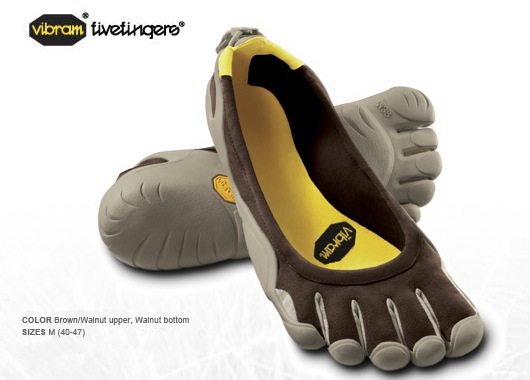
Looking for a gift idea for someone with plantar fasciitis? Or just want to give a runner a gift that will help them avoid it?  Look to the Vibram running shoe.

Vibram shoe

Read  John Biggs post about Vibram shoes at CrunchGear.com and learn all about his experience with the shoes. Then run to the nearest running store to get your own..and a pair for the runner in your life!

And, no, Working Well Resources and Working Well Massage are not affiliated with Vibram, John Biggs nor do we get any free gear for our post. (Would you trust us if we did?) We’re just happy to pass on the latest info to you, our loyal readers!

Review: Vibram Five Fingers Classic

by John Biggs

I swore I’d never wear them. We called them the Five Fingers of Suck a few years ago and I was sure they were crazy. Friends, I’m here to tell you I was wrong. And I’m sorry.

Here’s my story: I ran a marathon a few years ago. I got plantar fasciitis and couldn’t run after the marathon. I worked through that inflammation but by the time I was ready to run again I had gained thirty pounds. Wham. Shin-splints. So I was a fat former runner with leg problems. The prognosis wasn’t good.

So I tried a few things – the elliptical, weight training, losing some freaking weight – but the thing that saved me were these shoes.

Photo Gallery by Picturesurf

First, a caveat. I’m not a doctor, I’m an amateur runner and a bad one at that. Before you use these shoes, talk to a doctor. I can attest to what they did for me but I have no idea what they will do for you.

We are born to run. Heck, there’s even a book about it. Our first weapon, before fire and spears, was running. You see, animals like gazelles can run very fast for a short amount of time. They have great sprint speeds but they get tired easily. So we, as a pack predator, would get into formation and literally run animals to death. Then we’d eat them. We are good at running.

But we’re good at running barefoot. We’re not good at running in marshmallow-based shoes with padding, support, and protection. In fact, we get injured because of these shoes. There is some data that shows, in fact, that the more expensive the running shoe the worse it is for your feet and legs. I knew something was wrong when my feet would fall asleep while I was running. Something was up.

I don’t want to get into a religious argument – this is like arguing for veganism or onanism and you eventually fall into the hippie trap of equating something to “freedom” – but it makes sense. I bought the best shoes I could find for the marathon. And the shows – and the marathon – beat me down.

So I tried the Nike Free, a thinner soled shoe with separate compartments on the bottom for increased mobility. This got rid of most of my foot pain but I still had ankle pain. I ran a little in regular shoes and then read Born to Run and decided to go naked.

The thinking is this: we can run without injuries barefoot. It’s our natural mode of transportation and by wearing shoes we are weakening our bodies.

However, running barefoot in Brooklyn is a bad idea. So I ordered the Five Fingers Classic for about $75 – I bought 44 for my size 11.5 foot and they fit very well – and waited. I ran. My knees were screaming. My ankles hurt. Then, a few minutes later, all the pain was gone. I was running normally and, thanks to the light weight and comfort I could run longer than I ever could. I could run without stopping, which was a big change for me. I could run for quite a while. The only limitations were the blisters I got during the first few runs. Even those went away.

So I’m a Five Fingers convert. The shoes give your ankles a workout rather than a coddling. I felt my ankles get stronger and my feet get more resilient. I felt some of the pounds drop. I felt good.

They say we need lots of arch support but for most of our biological history we didn’t even know what an arch was let alone how to support it. While these shoes look ridiculous I’m happy to report that they work and they’re now my go-to running shoes.

Link to John Biggs  entire article here.

Where Do I Get Those Funny Looking Toe Sock Looking Shoes?

Order your pair of Vibrams shoes from their website here.

Order from Hanigs in Chicago here.

Or stop by Running Away a running store in Wicker Park located at 1753 N Damen Ave, Chicago, IL 60647. Phone: (773) 395 – 2929. Their website here.

Info on Running Barefoot (sans Vibrams) at runningbarefoot.org here.

Many Working Well Massage clients try to eat well and exercise. But they do love their chocolate!  Can you eat chocolate and still feel you are eating healthy? Can you satisfy your chocolate cravings and still keep your fat and sugar intake to a healthy amount?

To answer those questions, you first need to know a bit about chocolate.  According to Robert L. Wolke www.professorscience.com), professor emeritus of chemistry at the University of Pittsburgh and the author, most recently, of “What Einstein Told His Cook: Kitchen Science Explained”, “Milk chocolate contains so much milk and sugar that its percentage of true cacao may be as low as 10 percent, the minimum required by the FDA for calling it “chocolate” on the label. Hershey’s milk chocolate contains about 11 percent cacao. In contrast, a serious dark chocolate bar will contain anywhere from 65 percent to 85 percent cacao.”

“Good Morning America” contributor Dr. David Katz has been conducting a study at Yale University on the health effects of chocolate.

The Yale study, which is funded by Hershey, used ultrasound technology and sophisticated measurements to assess the effects of eating dark chocolate on 45 moderately overweight adults. The study also measured participants’ blood pressure before and two hours after eating two servings of dark chocolate. Sure enough, after consuming the dark chocolate, which is high in antioxidants, their blood pressure dropped. Dark chocolate also helps blood vessels dilate which allows blood to flow more freely.

But that does not mean everyone can consume as much dark chocolate as they want?

“Chocolate remains a concentrated source of calories and sugar and too much of those things will seriously offset any health benefit,” Katz said. “Milk chocolate doesn’t work because it’s high in saturated fatty acids that harm blood vessels and the overall health of your heart … So don’t go overboard, but switch to dark chocolate and you can really have your cake and eat it too.”

People should look for chocolate that has a cocoa content of 60 percent or higher, Katz said.

Katz said that “healthy” candy bars are example of “functional foods.” The manufacturers purposely added a healthy nutrient to the product. He said he expects more similar items in the future. read more from Dr. Katz about “healthy” chocolate bars here.

Health By Chocolate

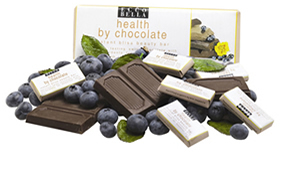
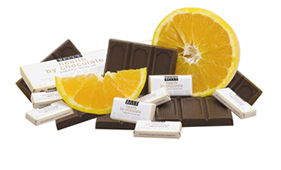
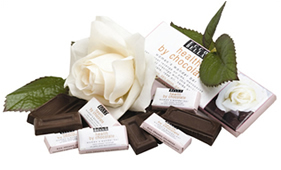
Health By Chocolate is a new bar that makes health claims about it’s chocolate bars. According to their website,  Health by chocolate bars are low glycemic foods and contain only 2 teaspoons of sugar, and a 50 gram bar contains less than half the caffeine of a cup of coffee (15-40 mg versus 80-100mg). Created by Sally Malanga, founder of the natural beauty brand Ecco Bella, in her New Jersey townhouse in 2003, the bars have a proprietary blend of functional ingredients to address a specific need:

• Instant Bliss Beauty for healthy skin

Bliss bar

• Beautiful Bones for strong, healthy bones

Bones bar

• Women’s Wonder bar to combat the effects of PMS and menopause

Woman's Wonder Bar

What’s So Healthy About Health By Chocolate Bars?

• Each of Beautiful Bones serving (2 squares 16.66gr.) contains 400 mg calcium (38% RDA), 22 mcg vitamin K blend with K2 (from natto, a fermented soybean- no official RDA but suggested RDA is 45mcg), 150iu vitamin D2 (from yeast), 150 iu vitamin D3 (from lanolin- 15% of RDA), 750 mg fructooligosaccharide fiber (from sugar cane fiber- 2% of RDA).

• Calcium in the Beautiful Bones Bar is produced from seaweed with its trace minerals intact, such as magnesium, iodine, boron, and selenium. The seaweed is harvested from the seabed off the west coast of Ireland from mineral rich Atlantic waters.

• Woman’s Wonder Bars includes a traditional herb, Chaste Tree Berry, which is considered safe and effective for relieving symptoms of both PMS and menopause. According to the German Commission E monograph, the ripened berry of the Chaste Tree was clinically proven to relieve PMS symptoms and reduce menopausal symptoms. Research shows that recommended dosages vary from 40 mg day to 400 mg day without side effects, except for a slight skin itching. It is not recommended for pregnant women.

• Whole soybean powder contains the isoflavones genistein and daidzein. According to the HealthByChocolate website, some studies show that isoflavones have the ability to mimic human estrogen, helping to reduce insomnia, loss of libido, night sweats and hot flashes. Isoflavones also have a positive effect on bone, breast and heart health.

• Cranberry Seed Oil has a blend of omega 3/6/9 essential fatty acids that are beneficial to skin, heart, brain and overall cellular health. Omega 3 essential fatty acids help relieve inflammation, a major factor in PMS cramping and headaches.

• FOS (fructooligosaccharide) is the fibrous part of sugar cane. FOS feeds the good bacteria in the digestive tract. When digestion is optimized, hormone levels are more balanced and calcium absorption increases by 50%!

Where Can You Buy Healthy By Chocolate Bars?

Whole Foods Market and a host of other retailers here.

Or Make Your Own Chocolate Bars!

By Xxheather2124 From Grouprecipies.com From Grouprecipies.com
Very Healthy Chocolate Bars Recipe
Ingredients

  • 12 tablespoons raw cacao powder (crushed cacao beans or nibs)
  • 6 tablespoons agave nectar
  • 6 tablespoons coconut oil
  • 2 tablespoons coconut milk (optional)
  • 3 tablespoons shredded coconut
  • Directions

    1. Blend everything in a food processor until very smooth.
    2. Pour into your chosen mold (ice cube trays work well).
    3. Freeze for 20-30 minutes, and then enjoy!

    Note: Neither Working Well Massage nor Working Well Resources has any affiliation with Health by Chocolate. We just want our clients to know about options that may be healthier than standard high fructose corn sugar sweetened milk chocolate bars!

    Partner Yoga

    Every day, clients ask us how often to stretch, why the stretching they do does not combat their neck and back pain and what are the best ways to stretch. The truth is, it’s tough to remember to stretch and it’s even more difficult to stretch often enough to combat the muscle tension we place on ourselves when sitting at computers all day. It’s also a challenge to find time to stretch without sacrificing time with loved ones.

    So what are poor stressed out, tense muscled people to do? How about a few simple yoga poses?

    One of the reason I like yoga is that is gives you a set of pre-designed poses that stretch the majority of muscles in your body. Once you know poses like “Downward Facing Dog,” “Sun Saluations” or “Tree Pose” you can do them virtually anywhere you have space and time to stretch out and extend your limbs. Simple yoga poses don’t require props and you can do them in a hotel room, or at home, or in a spare conference room at work if it’s allowed.

    Even better yet, a great way to do yoga AND spend quality time with your partner or family, is to try Partner Yoga.

    What is Partner Yoga?

    The website, Partneryoga.com, defines partner yoga as a unique practice which combines powerful techniques and exercises from yoga, dance and martial arts. Partner Yoga use various movements and poses (asanas) to focus the mind and increase strength, stamina and flexibility. The physical poses are combined with potent breathing techniques (prananyams) which help release tension and promote the free flow of subtle energies (prana). All Partner Yoga exercises use the buddy system to dissolve tension and establish a natural state of harmony in body, mind, emotion, and spirit.

    Partner Yoga postures like the “Cat/Cow” and the “Downward Facing Dog” are a fun and creative ways to for kids to learn about their bodies and the importance of physical exercise. Friends can use Partner Yoga to help each other stay motivated and committed to their wellness plan. Practicing yoga with a partner is uplifting and inspiring, and helps raise both people to new heights. The movements and poses in Partner Yoga require 100% participation from two people. Best of all, Partner Yoga requires no special equipment and can be done in any open space (the living room, gym, or park).

    Benefits of Partner Yoga Poses

    Working through a yoga sequence with someone else extends a number of benefits:

    • It’s non-competitive fitness in which two or more people can engage.
    • It builds intimacy, especially between love partners.
    • A deeper level of trust develops between two people who explore yoga together.
    • Partners can assist one another.
    • It’s a fun activity to share with children.

    Where Can I Learn Partner Yoga Poses?

    Here are some books and DVD’s on Partner Yoga.
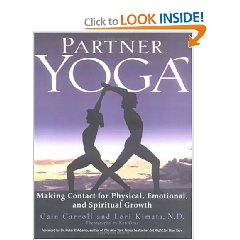
    Partner Yoga: Making Contact for Physical, Emotional, and Spiritual Growth on Amazon here

    Relaxation Fit Partner Yoga video  here from Divakar Yoga

    The Joy of Partner Yoga here

    Together: the Art of Partner Yoga here.

    Does fitness have to be an all or nothing proposition? Experts say no.

    Gentle exercise from EverydayHealth.com

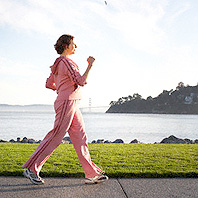
    Simply walking can have cardiovascular benefits. And you can walk a lot longer in your life than you may be able to run or kick box. Some take walking to the woods or hills and call it hiking. Others take walking to the streets for an “urban hike.” As a child, I walked everywhere my feet could take me–and my mother allowed! I could explore, see much more of my world, stop and smell the roses. As an adult I enjoy hiking in nature and walking around the city of Chicago. I see things I often miss when I am driving or biking. A good long walk clears my head, literally pumping fresh oxygen (via my blood) to my brain.

    The American College of Sports Medicine and American Heart Association recommend that adults under 65 get at least 30 minutes of moderately intense cardiovascular exercise 5 days a week to maintain health and reduce the risk for chronic disease. And it does not have to be a consecutive 30 minutes of exercise. Three 10 minute walks will do the trick. Or, you can do vigorously intense cardio 20 minutes a day, 3 days a week for the same result. (In either case, twice a week, you should add in eight to 10 strength-training exercises of eight to 12 repetitions of each exercise.)

    Moderate-intensity physical activity means working hard enough to raise your heart rate and break a sweat, yet still being able to carry on a conversation. (To lose weight or maintain weight loss, you likely need to add 60 to 90 minutes of physical activity.)

    According to , at About.com, a study in the Nov. 14, 2005 issue of the “Archives of Internal Medicine” confirms that walking builds aerobic fitness at both moderate and high intensity.

    Walk Longer or Walk Faster

    Improvements in aerobic fitness were seen in the study group for those who walked with high intensity, either with low frequency or high frequency. But similar benefits for aerobic fitness were also seen for those walking at moderate intensity and high frequency.

    “The findings demonstrate that significant improvements in cardiorespiratory fitness can be achieved and maintained over 24 months via exercise counseling with a prescription for walking 30 minutes per day, either at a moderate intensity five to seven days per week, or at a hard intensity three to four days per week,” Glen E. Duncan, Ph.D., R.C.E.P.S.M., of the University of Washington, Seattle, and colleagues concluded.
    Reference: (Arch Intern Med. 2005; 165: 2362-2369.)

    Walking Intensity vs. Frequency

    • Moderate Intensity Walking: Walking at 45-55% of maximum heart rate, an intensity at which you may be breathing a little harder than usual but able to keep up a full conversation.
    • High Intensity Walking: Walking at 65-75% of maximum heart rate. You are able to speak only in short sentences.
    • Low Frequency Walking: 3-4 times a week for 30 minutes a session.
    • High Frequency Walking: 5-7 times a week for 30 minutes a session.

    Walking Prescription for Aerobic Fitness

    The prescription for aerobic fitness gives you these choices:

    • High Intensity, Low Frequency: 30 minutes per day 3-4 days per week at 65-75% maximum heart rate.
    • Moderate Intensity, High Frequency: 30 minutes per day 5-7 days per week at 45-55% maximum heart rate.
    • High Intensity, High Frequency: 30 minutes per day 5-7 days per week at 65-75% maximum heart rate

    Read entire article at About.com here.

    How Do I Find My Target Heart Rate?

    It’s easy! Use these simple online calculators.

    Target Heart Rate Calculator from MayoClinic here.

    Target Heart Rate Calculator based on your fitness level from About.com here.

    Target Heart Rate Calculator for different intensity levels from Fitwatch.com here.

    Or follow the instructions below from WikiHow.com to calculate your target heart rate the old fashioned pen and pencil way!

    What’s this Karvonen Method of Calculating Target Heart Rate?

    1. Find your resting heart rate as soon as you wake up. You can do this by counting your pulse for one minute while still in bed. You may average your heart rate over three mornings to obtain your average resting heart rate (RHR). Add the three readings together, and divide that number by three to get the RHR. For example,(76 + 80 + 78) / 3= 78.
    2. Find your maximum heart rate and heart rate reserve.
      • Subtract your age from 220. This is your maximum heart rate (HRmax). For example, the HRmax for a 24-year-old would be220 – 24 = 196.
      • Subtract your RHR from your HRmax. This is your heart rate reserve (HRmaxRESERVE). For example,HRmaxRESERVE = 196 – 78 = 118
    3. Calculate the lower limit of your THR. Figure 60% of the HRmaxRESERVE (multiply by 0.6) and add your RHR to the answer. For example,(118 * 0.6) + 78 = 149.
    4. Calculate the upper limit of your THR. Figure 80% of the HRmaxRESERVE (multiply by 0.8) and add your RHR to the answer. For example,(118 * 0.8) + 78 = 172.
    5. Combine the values obtained in steps 3 and 4 and divide by the number 2. For example,(149 + 172) / 2 = 161 (You can get the same result by simply multiplying HRmaxRESERVE by 0.7 and adding to it RHR).

    Tips for Checking Your Heart Rate

    • When you take your reading for your resting heart rate, make sure to do so the morning after a day where you are rested, as trying to do this after a day of a hard workout can affect your results.
    • You should ensure during your workout that your heart rate falls within your target heart rate zone to maximize cardiovascular fitness.
    • A rule-of-thumb is that if you’re able to sing, you’re not working out hard enough. Conversely, if you’re not able to talk, you’re working out too hard.
    • One of the most common ways to take a pulse is to lightly touch the artery on the thumb-side of the wrist, using your index and middle fingers. This is called a radial pulse check.
    • You may also place two fingers below the jawline, along the trachea (windpipe) to feel for a pulse, again using your index and middle fingers. This is called a carotid pulse check.
    • When taking your pulse for ten seconds during a workout, stop exercising. Do not allow yourself to rest before taking your pulse, and immediately resume exercise after the ten seconds. Multiply by 6 and you’ll have your heart rate.
    • If you are serious about working out and becoming more cardiovascularly fit, you may want to consider purchasing a heart monitor for accurate readings during your workout sessions.
    Reblog this post [with Zemanta]

    Fibromyalgia sufferers were once told their pain was all in their head. But in recent years, the medical community has found evidence that fibromyalgia is in fact a physiological disorder. However, that doesn’t mean that talk therapy has no place in treatment of fibromyalgia. In fact, cognitive behavioral therapy or CBT, has been found to be useful in addressing insomnia and some of the side effects of fibromyalgia symptoms.

    According to Dr. Dorothy McCoy from PsychNetUK:

    In a recent study, CBT offered an alternative approach that demonstrated clinically significant improvement within six weeks (Edlinger, 2001). In another study, on chronic fatigue syndrome, the researchers compared standard treatment with cognitive therapy and standard treatment without cognitive therapy. “Seventy-three percent of the cognitive group were spending less time in bed and functioning normally after a year” (WebMD Health). Only 27% of the other group experienced the same gains. Flemming (1997) suggests amplifying standard treatments’ efficacy by including bodywork and relaxation. According to the eminent wellness physician, Dr. Andrew Weil, guided imagery tapes are useful in reducing pain and speeding the healing process. Patients are relieved to discover they have a legitimate medical disorder and the pain is not imaginary.

    In a study on low back pain, researchers found that relaxation response training was effective in reducing pain severity. Twenty-eight of the patients also had fibromyalgia. Many of the study subjects reported reduced pain and a reduction in other symptoms, as well as “improved function and general health” (Millea, 2001). One panel of experts concluded that relaxation techniques were helpful in managing chronic pain. Furthermore, the techniques were valuable in managing the stress inherent in living with a chronic pain disorder. Yet anther study suggests that patients who believe they have little control over their symptoms report more severe and chronic fatigue. CBT is helping patients to change their inaccurate, self-defeating beliefs and regain a sense of control over their lives. A belief in one’s ability to manage one’s disorder frequently becomes a self-fulfilling prophecy.

    According to the University of Maryland Medical Center website:

    Studies show that fibromyalgia patients feel better when they deal with the consequences of their disorder on their lives. Cognitive-behavioral therapy (CBT) enhances a patient’s belief in their own abilities and helps them develop methods for dealing with stressful situations. CBT, also called cognitive therapy, is known to be an effective method for dealing with chronic pain from arthritic conditions. Evidence also suggests that cognitive-behavioral therapy can help some patients with fibromyalgia.

    Although the effects of CBT and other non-medication treatments for fibromyalgia do not always last over the long-term, they may help certain groups of people, particularly those with a high level of psychological stress.

    CBT may be particularly useful for addressing insomnia, one of the hallmark symptoms of fibromyalgia. In studies, patients who received CBT for insomnia woke up 50% less often at night, and had fewer symptoms of insomnia and improved mood.

    The Goals of CBT. The primary goals of CBT are to change any unclear or mistaken ideas and self-defeating behaviors. Using specific tasks and self-observation, patients learn to think of pain as something other than a negative factor that controls their life. Over time, the idea that they are helpless goes away and they learn that they can manage the pain.

    Cognitive therapy is particularly helpful for defining and setting limits, which is extremely important for these patients. Many fibromyalgia patients live their lives in extremes. They first become heroes or martyrs, pushing themselves too far until they collapse. This collapse reverses the way they view themselves, and they then think of themselves as complete failures, unable to cope with the simplest task. One important aim of cognitive therapy is to help such patients discover a middle route. Patients learn to prioritize their responsibilities and drop some of the less important tasks or delegate them to others. Learning these coping skills can eventually lead to a more manageable life. Patients learn to view themselves and others with a more flexible attitude.

    The Procedure. Cognitive therapy usually does not last long. It typically consists of 6 – 20 one-hour sessions. Patients also receive homework, which usually includes keeping a diary and trying tasks they have avoided in the past because of negative attitudes.

    A typical cognitive therapy program may involve the following measures:

    • Keep a Diary. Patients are usually asked to keep a diary, a key part of cognitive therapy. The diary serves as a general guide for setting limits and planning activities. Patients use the diary to track any stress factors, such as a job or a relationship that may be improving or worsening the pain.
    • Confront Negative or Discouraging Thoughts. Patients are taught to challenge and reverse negative beliefs. For example, “I’m not good enough to control this disease, so I’m a total failure” becomes the coping statement, “Where is the evidence that I can control this disease?”
    • Set Limits. Limits are designed to keep both mental and physical stress within manageable levels, so that patients do not become discouraged by getting in over their heads. For example, tasks are broken down into incremental steps, and patients focus on one step at a time.
    • Seek out Pleasurable Activities. Patients list a number of enjoyable low-energy activities that they can conveniently schedule.
    • Prioritize. Patients learn to drop some of the less critical tasks or delegate them to others.

    Patients should learn to accept that relapses occur, and that over-coping and accomplishing too much too soon can often cause a relapse. Patients should respect these relapses and back off. They should not consider them a sign of failure.

    Research also shows that patient education can be effective in treating fibromyalgia, especially when combined with CBT, exercise, and other therapies. Educational programs can take the form of group discussions, lectures, or printed materials, although there isn’t any clear evidence on which type of education works best.

    Support Organizations and Group Therapy

    Cognitive therapy may be expensive and not covered by insurance. Other effective approaches that are free or less costly include support groups or group psychotherapy. In one study, educational discussion groups were as effective, or even more so, than a cognitive therapy program. Such results are not typical in all centers. Therapeutic success varies widely depending on the skill of the therapist.

    Resources

    References

    Abeles M, Solitar BM, Pillinger MH, Abeles AM. Update on fibromyalgia therapy. Am J Med. 2008;121:555-561.

    Arnold LM, Goldenberg DL, Stanford SB, Lalonde JK, Sandhu HS, Keck PE, et al. Gabapentin in the treatment of fibromyalgia: a randomized, double-blind, placebo-controlled multicenter trial. Arthritis & Rheumatism. 2007;56:1336-1344.

    Geisser ME, Glass JM, Rajcevska LD, Clauw DJ, Williams DA, Kileny PR. A psychophysical study of auditory and pressure sensitivity in patients with fibromyalgia and healthy controls. J Pain. 2008;9:417-422.

    Guedj E, Cammilleri S, Niboyet J, Dupont P, Vidal E, Dropinski JP, Mundler O. Clinical correlate of brain SPECT perfusion abnormalities in fibromyalgia. J Nucl Med. 2008;49:1798-1803.

    Gusi N, Tomas-Carus P. Cost-utility of an 8-month aquatic training for women with fibromyalgia: a randomized controlled trial. Arthritis Res Ther. 2008;10:R24.

    Harris RE, Clauw DJ, Scott DJ, McLean SA, Gracely RH, Zubieta JK. Decreased central u-opioid receptor availability in fibromyalgia. J Neurosci. 2007;27:10000-10006.

    Lawrence RC, Felson DT, Helmick CG, Arnold LM, Choi H, Deyo RA, et al. Estimates of the prevalence of arthritis and other rheumatic conditions in the United States. Part II. Arthritis Rheum. 2008;58:26-35.

    Mannerkorpi K, Henriksson C. Non-pharmacological treatment of chronic widespread musculoskeletal pain. Best Pract Res Clin Rheumatol. 2007;21:513-534.

    Matsushita K, Masuda A, Tei C. Efficacy of Waon therapy for fibromyalgia. Intern Med. 2008;47:1473-1476.

    McCabe CS, Cohen H, Blake DR. Somaesthetic disturbances in fibromyalgia are exaggerated by sensory-motor conflict: implications for chronicity of the disease? Rheumatology. 2007;46:1587-1592.

    Rooks DS, Gautam S, Romeling M, Cross ML, Stratigakis D, Evans B, et al. Group exercise, education, and combination self-management in women with fibromyalgia. Arch Intern Med. 2007;167;2192-2200.

    Schweinhardt P. Fibromyalgia: a disorder of the brain? Neuroscientist. 2008;14:415-421.

    Targino RA, Imamura M, Kaziyama HH, Souza LP, Hsing WT, Furlan AD, et al. A randomized controlled trial of acupuncture added to usual treatment for fibromyalgia. J Rehabil Med. 2008;40:582-588.

    Van Koulil S, Effting M, Kraaimaat FW, van Lankveld W, van Helmond T, Cats H, et al. Cognitive-behavioural therapies and exercise programmes for patients with fibromyalgia; state of the art and future directions. Ann Rheum Dis. 2007;66:571-581.

    Verbunt JA, Pernot DH, Smeets RJ. Disability and quality of life in patients with fibromyalgia. Health Qual Life Outcomes. 2008;6:8.

    The holidays can be stressful. Shopping, parties, family obligations, and of course, extra traffic, can all lead you to feel a little anxious. But what happens when that stress produces a full blown anxiety attack? Read on to find the latest treatments for panic disorders and some simple fixes you can do for stress and anxiety…even if you don’t have full blown panic attacks! (Hint: Cutting down caffeine really helps curb anxiety.)

    Excerpted from High Anxiety by Joseph Hart in Experience Life

    40 million Americans who have been derailed by what psychiatrists call “anxiety disorders.” It’s a broad medical diagnosis that includes several distinct categories:

    Obsessive-compulsive disorder, which consists of intrusive thoughts (obsessions) combined with repetitive behaviors (compulsions), such as excessive hand washing, that the sufferer performs to avoid the obsessive thoughts.

    Panic disorder refers to recurring episodes of intense physical fear, without an obvious or immediate source of fear. These episodes, also called anxiety attacks, are commonly characterized by heart palpitations and may be accompanied by chest pains. It might also be difficult to breathe, and you may feel like you are choking (symptoms that can make the situation even more frightening and further ratchet up anxiety).

    Posttraumatic stress disorder (PTSD) follows a severe traumatic event that threatens actual harm.

    Social anxiety disorder describes the condition of people who suffer overwhelming anxiety when faced with everyday social interactions.

    Generalized anxiety disorder is a catchall category that describes any chronic anxiety or exaggerated worry that lacks an obvious cause.

    While these diagnoses, symptoms and distinctions sound clear-cut on paper, in practice they are anything but. In part, this is because separating the typical from the pathological isn’t always easy. The human brain, it seems, is hardwired to worry even under the best of conditions.

    “Because we humans have prefrontal lobes, we can anticipate the future and make up a scenario that is harmful
    to us,” says Melissa Blacker, MA, a psychotherapist and associate director of the Stress Reduction Clinic at the University of Massachusetts Medical School’s Center for Mindfulness.

    Some degree of anxiety and fear are normal responses to life. “Healthy anxiety is part of our fight-or-flight response system,” says Jonathan Abramowitz, PhD, director of the Anxiety and Stress Disorder Clinic at the University of North Carolina, Chapel Hill. “As a basic emotion, it is helpful. In fact, we would all be dead without it, because it protects us from harm.”

    So where does a healthy emotional response to stress leave off and an anxiety disorder begin? “Anxiety is a response to the perception of threat,” Abramowitz explains. “When we’re talking about a real danger, that’s healthy stress and anxiety, but when the perception of threat is based on either a misinterpretation of the severity of the threat or the likelihood of harm, then we’re talking about a disorder.”

    Mind-Body Connections

    The biological processes triggered by anxiety — sweaty hands, shallow breathing, increased heart rate, dizziness — are hardwired human responses to stressful situations. Most of these responses serve some biological purpose, such as preparing our bodies to react (fight or flee), or they are the byproduct of the chemicals, such as cortisol and adrenaline, that such a reaction might require. It’s when we perceive a major threat in situations where, objectively speaking, there is little or none — for example, in a crowded elevator (claustrophobia), crossing a bridge (fear of heights), leaving the house (agoraphobia) or at an office mixer (social anxiety) — that anxiety is classified as a disorder.

    The more frequently or dramatically an unwarranted response occurs, and the more it interferes with a person’s daily life, the more severe that classification is likely to be.

    Although pharmaceutical drugs can help moderate our bodies’ physical response to stressful thoughts or stimuli, nonpharmaceutical treatments — like cognitive behavioral therapy (CBT) — are beginning to replace drugs as the preferred treatment for anxiety disorders.

    Unlike medications that attempt to suppress our physiological responses to perceived threats, CBT is aimed at correcting our perception of those threats, and thus encouraging a self-moderating response.

    The first goal of CBT is simply education, says Abramowitz. “We teach people about their symptoms,” he explains. “We explain that when you feel nauseated, it’s not because you’re going to throw up; when your heart races, it’s not because you’re having a heart attack.” For many, just recognizing the symptoms of anxiety for what they are — and realizing that they do not represent an immediate danger — can prevent an attack from worsening.

    The second phase of CBT focuses on exposure and response protection. Some CBT therapists actually place the sufferer in the situation that causes him or her fear — whether that situation is external, like playing with a large dog, or internal, like experiencing an accelerated heart rate. “When a person repeatedly confronts their fears, they learn that the outcomes they worry about aren’t nearly as likely as they think,” Abramowitz explains.

    Moreover, they learn that the initial fight-or-flight response is transitory; anxiety eases when you’re able to stay in a situation and your fears aren’t realized.

    It can take 10 to 15 sessions of CBT to produce lasting results, says Abramowitz, and the success rate is fairly high — as many as 70 percent of patients conquer their anxieties. (To find a cognitive-behavioral therapist near you, visit the National Association of Cognitive-Behavioral Therapists at http://nacbt.org/searchfortherapists.asp.)

    Anxiety as a Physical Condition

    The physical aspects of anxiety — our fight-or-flight response — are governed by the sympathetic nervous system. CBT works by essentially reprogramming our involuntary activation of this system. But other treatment approaches focus on the body’s parasympathetic nervous system, which regulates the healing, recharging part of the nervous system and helps shut off the fight-or-flight response.

    Patricia Gerbarg, PhD, MD, a clinical psychiatrist at the New York Medical College and coauthor of How to Use Herbs, Nutrients, and Yoga in Mental Health Care (Norton, 2009), is studying how to activate the parasympathetic nervous system to quiet anxiety. She and her colleagues have discovered that some ancient practices are highly effective.

    In particular, yoga breathing induces a very calm, clear-minded state — the opposite of the anxious fight-or-flight state of the sympathetic nervous system. “When you change the pattern of breathing,” explains Gerbarg, “it changes what happens in your emotion centers and thinking centers,” slowing the fight-or-flight actions of the amygdala and quieting the areas of the cortex that process worry.

    Gerbarg and her colleagues have been able to quantify the effects of breathing techniques on the parasympathetic nervous system, and they are using what they’ve learned to train patients to interrupt anxiety with breathing. “We have seen some very rapid effects,” she says. “In five minutes, people may go from severe anxiety to complete relaxation.”

    Psychotherapist Kathryn Templeton, who spent 20 years working with soldiers suffering from PTSD at the National Center for Posttraumatic Stress Disorder at the U.S. Department of Veterans Affairs and now works with abused children, uses breathing and yoga extensively in her treatments. She has her patients begin by inhaling slowly for three counts and exhaling for six counts, a practice that cultivates awareness of their breathing patterns. “Breathing creates resiliency and releases tension,” she explains. It is physically impossible to breathe deeply and feel anxious at the same time.

    The power of breath to reduce symptoms of anxiety helps illustrate how anxiety lives in both brain and body. Because anxiety is as much a physical condition as a mental one, a variety of physical activities can offer relief.  Exercise in particular, writes Edward Hallowell in Worry: Hope and Help for a Common Condition (Random House, 1998), “is a terrific antidote for worry.”

    Exercise quiets the anxiety response, not by changing the situation that is causing anxiety, he explains, but by changing “the vessel of your worry, the physical state of your body and brain.” He notes that exercise produces a variety of chemicals, such as endorphins, corticosteroids and neurotrophins, as well as various neurotransmitters like serotonin that can help soothe the worried mind.

    If you start to feel anxiety welling up and you have even just a few free minutes, a couple treks up and down the stairs or a brisk walk around the block can work wonders, says Hallowell. You won’t always have the opportunity to break into a sprint when you feel your anxiety spiking, but, he continues, “A regular exercise program — exercise three or four times a week — will almost always cut down on worry. Exercise should be incorporated into any plan to reduce anxiety and control worry.”

    Finally, no approach to anxiety management can be optimally successful unless it is supported by proper nutrition. Our brains require certain fats, proteins and nutrients to function normally and regulate mood — and no amount of yogic breathing or CBT can compensate for a mineral or omega-3-fat deficiency. (To learn more about what to eat to reduce anxiety and stabilize mood, see “Comfort Food for Your Brain.”) It is also important to limit your intake of stimulants such as caffeine, which prime the body and brain for heightened anxiety.

    Mix Your Own Cure

    Ultimately, regardless of whether or not you choose to treat your anxiety with medication, it makes sense to avail yourself of the full spectrum of other interventions, too — from good nutrition and regular exercise, to yoga, deep breathing and psychological approaches like CBT.

    “Not every person will use every [approach],” writes Hallowell. “But every [approach] should at least be considered in order to achieve the best results.” That’s because, he notes, in almost all cases, no single approach alone will provide optimal results. Every individual has to find his or her own right mix.

    In any life, anxiety is bound to come and go. But when it comes on strong enough to impede our health and happiness, it’s comforting to know that the remedies of modern science, ancient wisdom and simple self-care can all offer relief — and smart ways to keep future anxieties at bay.

    The Big Chill-Out

    Common signs of an anxiety attack include rapid heart rate, sweating, shaking, shortness of breath, nausea, dizziness, chest pain, numbness in limbs or face, difficulty thinking clearly, and fear of losing control.

    Whether or not you are currently experiencing any of these symptoms, here are some top techniques for quickly and effectively reducing anxiety when it rears its ugly head:

    Take a deep breath: Perhaps the single most effective way you can get your anxiety under control quickly is to breathe deeply and slowly into your diaphragm. Start simply by closing your eyes, breathing in deeply for a count of three and then exhaling for a count of four. Do it for a minute or two at a time, repeating until you feel calmer.

    Pay Attention: Worries and anxieties tend to grow more powerful when we allow them to accumulate in our subconscious. You can interrupt the accumulation of anxieties by bringing them into the forefront of your mind and acknowledging their presence. Don’t worry about trying to talk yourself out of your worries. Just take a minute to step back and observe yourself being anxious. Note any physical symptoms (clenched muscles, shallow breathing, racing heartbeat) and ask yourself: Are my fears appropriate to my current actual level of danger? Simply taking stock of your anxiety and consciously seeing uncomfortable sensations for what they are (vs. indications that you are in physical danger) can make them feel less intense.

    Get a Move On: If you feel anxiety rising, quit what you’re doing and take a quick walk, do some pushups, or climb a few flights of stairs. It may be enough to clear your body of accumulating stress chemicals and give your mind a chance to reframe troubling thoughts. Going forward, build some exercise time into your schedule. Regular exercise (most experts recommend vigorous activity three to four times a week to help keep anxiety symptoms at bay) helps your body balance its supply of neurochemicals and hormones and also helps increase your overall resilience. Many people find that yoga provides special anxiety- quelling benefits.

    Connect With Nature: If you can step outside, or even focus on a tree, cloud or horizon line you can see from your window, do it. Numerous studies have shown that exposure to natural scenes and environments, even painted views of landscapes, measurably lowers anxiety and reduces perceptions of pain. Spending time in nature also improves mood and reduces reactivity in many people. So make a point of regularly getting outdoors, allowing images, scents and sensations of nature to help you calm your jangled nerves before they get out of control.

    For more suggestions on managing anxiety, and a more complete list of symptoms and their causes, check out the Anxiety Disorders Association of America, online at www.adaa.org/GettingHelp/AnxietyDisorders/PanicAttack.asp.

    Resources
    WEB
    Anxiety Disorders Association of America
    (www.adaa.org) provides information about anxiety disorders, treatments, how to choose a therapist, self-tests and more.

    The National Association of Cognitive-Behavioral Therapists (www.nacbt.org) provides information about CBT and how it works.

    The Midwest Center (www.stresscenter.com/mwc) is a leading provider of self-care and coaching programs for people who suffer from stress, anxiety and depression.

    BOOKS
    Natural Relief for Anxiety: Complementary Strategies for Easing Fear, Panic & Worry by Edmund J. Bourne, Arlen Brownstein and Lorna Garano (New Harbinger, 2004)

    When Panic Attacks: The New, Drug-Free Anxiety Therapy That Can Change Your Life by David D. Burns, MD (Broadway, 2007)

    Living Well With Anxiety: What Your Doctor Doesn’t Tell You That You Need to Know by Carolyn Chambers Clark (HarperCollins, 2006)

    Worry: Hope and Help for a Common Condition by Edward Hallowell, MD (Random House, 1998)

    The Relaxation & Stress Reduction Workbook by Martha Davis, Matthew McKay and Elizabeth Robbins Eshelman (New Harbinger, 2008)

    Panic Attacks Workbook: A Guided Program for Beating the Panic Trick by David Carbonell, PhD (Ulysses Press, 2004)

    Excerpted from High Anxiety by Joseph Hart in Experience Life

    By Sue Shekut, Owner, Working Well Massage, Licensed Massage Therapist, Certified Wellness Coach, ACSM Personal Trainer

    Recently we posted about a study from the University of Georgia that listed 5 indoor plants as good air cleaners. Now NASA scientists are finding house plants surprisingly useful in absorbing potentially harmful gases and cleaning the air inside modern buildings.

    spathiphyllum-mojo

    Peace Lily. Image from http://www.spaths.com

    A sophisticated pollution-absorbing device: the common indoor plant may provide a natural way of helping combat “Sick Building Syndrome”.

    Research into the use of biological processes to solve environmental problems, both on Earth and in space, has been carried out for many years by Dr. Bill Wolverton, formerly a senior research scientist at NASA’s John C. Stennis Space Center, Bay St. Louis, Miss.

    Preliminary evaluations of the use of common indoor plants for indoor air purification and revitalization inspired a study using about a dozen popular varieties of houseplants to determine their effectiveness in removing several key pollutants associated with indoor air pollution.

    NASA research on indoor plants found that living plants are so efficient at absorbing contaminants in the air that some will be launched into space as part of the biological life support system aboard future orbiting space stations.

    While more research is needed, Wolverton’s study showed that common indoor landscaping plants can remove certain pollutants from the indoor environment. “We feel that future results will provide an even stronger argument that common indoor landscaping plants can be a very effective part of a system used to provide pollution free homes and work places, ” he concludes.

    Each plant type was placed in sealed, Plexiglas chambers in which chemicals were injected.

    JanetCraig

    Dracaena Janet Craig. Image from http://www.dracaena.com

    Philodendron, spider plant and the golden pothos were labeled the most effective in removing formaldehyde molecules.

    Flowering plants such as gerbera daisy and chrysanthemums were rated superior in removing benzene from the chamber atmosphere. Other good performers are Dracaena Massangeana, Spathiphyllum, and Golden Pothos.Plants take substances out of the air through the tiny openings in their leaves,” Wolverton said. “But research in our laboratories has determined that plant leaves, roots and soil bacteria are all important in removing trace levels of toxic vapors“.

    Combining nature with technology can increase the effectiveness of plants in removing air pollutants,” he said. “A living air cleaner is created by combining activated carbon and a fan with a potted plant. The roots of the plant grow right in the carbon and slowly degrade the chemicals absorbed there,” Wolverton explains.

    Read Wolverton’s book from Amazon: How to Grow Fresh Air: 50 Houseplants to Purify Your Home or Office

    NASA research has consistently shown that living, green and flowering plants can remove several toxic chemicals from the air in building interiors. You can use plants in your home or office to improve the quality of the air to make it a more pleasant place to live and work – where people feel better, perform better, any enjoy life more.

    TOP 10 plants most effective in removing Formaldehyde, Benzene, and Carbon Monoxide from the air

    Formaldehyde is a ubiquitous chemical found in virtually all indoor environments. The major sources which have been reported and publicized include urea-formaldehyde foam insulation (UFFI) and particle board or pressed wood products used in manufacturing of the office furniture bought today. It is used in consumer paper products which have been treated with UF resins, including grocery

    formaldehyde

    Products made with Formaldehyde. Image from Greenday systems

    bags, waxed papers, facial tissues and paper towels. Many common household cleaning agents contain formaldehyde. UF resins are used as stiffeners, wrinkle resisters, water repellents, fire retardants and adhesive binders in floor coverings, carpet backings and permanent-press clothes. Other sources of formaldehyde include heating and cooking fuels like natural gas, kerosene, and cigarette smoke.

    Formaldehyde irritates the mucous membranes of the eyes, nose and throat. It is also a highly reactive chemical which combines with protein and can cause allergic contact dermatitis. The most widely reported symptoms from exposure to high levels of this chemical include irritation of the eyes and headaches. Until recently, the most serious of the diseases attributed to formaldehyde exposure was asthma. However, the Environmental Protection Agency (EPA) has recently conducted research which has caused formaldehyde to be strongly suspected of causing a rare type of throat cancer in long-term occupants of mobile homes.

    Benzene is a very commonly used solvent and is also present in many common items including gasoline, inks, oils, paints, plastics, and rubber. In addition it is used in the manufacture of detergents, explosives, pharmaceuticals, and dyes.

    Benzene has long been known to irritate the skin and eyes. In addition, it has been shown to be mutagenic to bacterial cell culture and has shown embryotoxic activity and carcinogenicity in some tests. Evidence also exists that benzene may be a contributing factor in chromosomal aberrations and leukemia in humans. Repeated skin contact with benzene will cause drying, inflammation, blistering and dermatitis.

    Acute inhalation of high levels of benzene has been reported to cause dizziness, weakness, euphoria, headache, nausea, blurred vision, respiratory diseases, tremors, irregular heartbeat, liver and kidney damage, paralysis and unconsciousness. In anima tests inhalation of benzene led to cataract formation and diseases of the blood and lymphatic systems. Chronic exposure to even relatively low levels causes headaches, loss of appetite, drowsiness, nervousness, psychological disturbances and diseases of the blood system, including anemia and bone marrow diseases.

    Sources: Plantcare.com and Zone10.com

    For a similar listing of plants that improve indoor air quality, read our post here on the University of Georiga’s research on plants and indoor air quality.

    More in depth information on indoor air quality, Sick Building Syndrome, and the effects of indoor air pollutants on our health in an article titled “Top 15 NASA’s Plants That Can Save Your Life!” by Stefan Anitei, Science Editor at Softpedia.com.

    Where To Find Indoor Plants Services in Chicago

    Plantscapes by Janet

    Everliving Greenery

    One of the anxiety producing aspects of Thanksgiving for my Wellness Coaching clients is the potential for overeating. Here are some tips from WebMD on how to keep up your healthy eating and lifestyle habits  even on a day traditionally known for “stuffing” (ourselves with food!).

    10 Tips for a Thinner Thanksgiving

    Read entire article here.

    Thanksgiving dinner Photo Credit:bookcellarinc.com

    By Kathleen M. Zelman, MPH, RD, LD
    WebMD Weight Loss Clinic-Feature
    Reviewed by Louise Chang, MD

    Thanksgiving only comes around once a year, so why not go ahead and splurge? Because gaining weight during the holiday season is a national pastime. Year after year, most of us pack on at least a pound (some gain more) during the holidays — and keep the extra weight permanently.

    But Thanksgiving does not have to sabotage your weight, experts say. With a little know-how, you can satisfy your desire for traditional favorites and still enjoy a guilt-free Thanksgiving feast. After all, being stuffed is a good idea only if you are a turkey!

    Get Active

    Gentle exercise from EverydayHealth.com

    Create a calorie deficit by exercising to burn off extra calories before you ever indulge in your favorite foods, suggests Connie Diekman, Med, RD, former president of the American Dietetic Association (ADA).

    “‘Eat less and exercise more’ is the winning formula to prevent weight gain during the holidays,” Diekman says. “Increase your steps or lengthen your fitness routine the weeks ahead and especially the day of the feast.”

    Make fitness a family adventure, recommends Susan Finn, PhD, RD, chair of the American Council on Fitness and Nutrition: “Take a walk early in the day and then again after dinner. It is a wonderful way for families to get physical activity and enjoy the holiday together.”

    Eat Breakfast

    While you might think it makes sense to save up calories for the big meal, experts say eating a small meal in the morning can give you more control over your appetite. Start your day with a small but satisfying breakfast — such as an egg with a slice of whole-wheat toast, or a bowl of whole-grain cereal with low-fat milk — so you won’t be starving when you arrive at the gathering.

    “Eating a nutritious meal with protein and fiber before you arrive takes the edge off your appetite and allows you to be more discriminating in your food and beverage choices,” says Diekman.

    Lighten Up

    Whether you are hosting Thanksgiving dinner or bringing a few dishes to share, make your recipes healthier with less fat, sugar, and calories.

    “There is more sugar and fat in most recipes than is needed, and no one will notice the difference if you skim calories by using lower calorie ingredients,” says Diekman.

    Her suggestions:

    • Use fat-free chicken broth to baste the turkey and make gravy.
    • Use sugar substitutes in place of sugar and/or fruit purees instead of oil in baked goods.
    • Reduce oil and butter wherever you can.
    • Try plain yogurt or fat-free sour cream in creamy dips, mashed potatoes, and casseroles.

    Police Your Portions

    • Thanksgiving tables are bountiful and beautiful displays of traditional family favorites. Before you fill your plate, survey the buffet table and decide what you’re going to choose. Then select reasonable-sized portions of foods you cannot live without.

    “Don’t waste your calories on foods that you can have all year long,” suggests Diekman. “Fill your plate with small portions of holiday favorites that only come around once a year so you can enjoy desirable, traditional foods.”

    • Skip the Seconds.Try to resist the temptation to go back for second helpings.”Leftovers are much better the next day, and if you limit yourself to one plate, you are less likely to overeat and have more room for a delectable dessert,” Diekman says.

    Slowly Savor

    Eating slowly, putting your fork down between bites, and tasting each mouthful is one of the easiest ways to enjoy your meal and feel satisfied with one plate full of food, experts say. Choosing whole grains, fruits, vegetables, broth-based soups, salads, and other foods with lots of water and fiber add to the feeling of fullness.

    Go Easy on Alcohol

    Go Easy on Alcohol

    Don’t forget those alcohol calories that can add up quickly.

    “Have a glass of wine or a wine spritzer and between alcoholic drinks, (or) enjoy sparkling water,” says Diekman. “this way you stay hydrated, limit alcohol calories, and stay sober.”

    Be Realistic

    The holiday season is a time for celebration. With busy schedules and so many extra temptations, this is a good time to strive for weight maintenance instead of weight loss.

    “Shift from a mindset of weight loss to weight maintenance,” says Finn. “You will be ahead of the game if you can avoid gaining any weight over the holidays.”

    Focus on Family and Friends

    Thanksgiving is not just about the delicious bounty of food. It’s a time to celebrate relationships with family and friends.

    Read entire article at WebMD here.

    By Sue Shekut, L.M.T. ACSM P.T., Certified Wellness Coach

    Years ago a client gave me a Crabtree & Evelyn hand cream as  a holiday gift. I tried the cream and could not believe how well it lubricated my hands–AND did not leave my hands greasy. I went to the Crabtree & Evelyn store to get more and find out what this amazing ingredient was. The salesclerk told me that the amazing ingredient in some of their creams was: shea butter.

    However, I was not a big fan of the smell of the Crabtree cream (or it’s price). I have since found many other sweeter smelling creams and lotions with shea butter. For massage, shea butter is a great cream because it gives just enough lubrication for massage therapist’s hands to glide for effluerage strokes, but just enough friction for deep tissue work.

    Now I find that shea butter has another benefit that would not immediately come to mind: As a nasal decongestant! I am the first to admit, some wellness people tend to tout the benefits of products far beyond what is realistic (not everything cures cancer, prevents hair loss or keeps your skin looking young forever). I am fairly skeptical about product clams from product manufacturers. But I looked into this claim and it is backed up by clinical research.

    Put Butter in My Nose? C’mon, You Must Be Joking

    According to a study published in the British Journal of Clinical Pharmacology, shea butter does relieve nasal decongestion, actually better than conventional nasal drops! Now, it’s just one study. But my experience of shea butter is that it’s pretty amazing butter and lubricating dry nasal passages when I have a stuffy nose makes sense. But, don’t just take my word for it.. Read the study here.

    So What is Shea Butter?

    Shea tree

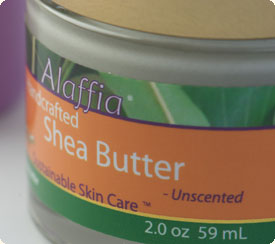
    Allafia is a company that sells unrefined Shea Butter. According to their website, “Shea Butter is the oil from the nuts of wild Shea trees (Vitellaria paradoxa) scattered throughout the wooded savanna of West and Central Africa. Shea Butter has been used for centuries in Africa as a decongestant, an anti-inflammatory for sprains and arthritis, healing salve, lotion for hair and skin care, and cooking oil. However, the protective and emollient properties of Shea Butter are most valued for skin care.”

    What Does it Matter if It’s Refined or Unrefined Shea Butter?

    According to Alaffia: Most Shea Butter available to the general public outside West Africa is white and odorless: in other words, it has been “refined” to remove the natural scent and color of natural Shea Butter. In the process, the majority of the effective agents are also removed.

    In addition, refined Shea Butter has usually been extracted from the shea kernels with hexane or other petroleum solvents. The extracted oil is boiled to drive off the toxic solvents, and then refined, bleached, and deodorized, which involves heating it to over 400 degrees F and the use of harsh chemicals, such as sodium hydroxide.

    Shea butter itself!

    Shea Butter extracted in this manner still contains some undesirable solvent residues, and its healing values are significantly reduced. Antioxidants or preservatives such as BHA (butylated hydroxyanisole) or BHT (butylated hydroxytoluene) may be added as well. The end result is an odorless, white butter that may be aesthetically appealing, but lacks the true moisturizing, healing, and nutritive properties of true traditional Shea Butter.

    Refined Shea Butter is often hard and grainy, not smooth and creamy like pure, unrefined Shea Butter. Refined Shea Butter  has an extended shelf life, a white, uniform color, no odor, and greatly reduced therapeutic benefits from the Shea Butter. All of the Alaffia butters are handcrafted and unrefined so they retain their natural healing and moisturizing properties.

    Where Do I get Some Unrefined Shea Butter  in the U.S.?

    Whole Foods Market carries Allafia products as well as many other shea butter based creams and lotions. I like Affalia because they do not refine their shea butter and their pricing is reasonable. (A little jar of shea butter last a long time!)   Affalia is also a fair trade company.

    To purchase jars of Affalia Shea Butter online, click here. To purchase Alaffia products at Whole Foods, stop by a local store or click here.

    What is Fair Trade?

    Fair Trade Enpowers Whole Communities

    Fair trade means paying a fair price or wage in the local context, providing equal employment opportunities, engaging in environmental sustainable practices, providing healthy and safe working conditions, being open to public accountability, and reducing the number of middlemen between producers and consumers. Fair trade is environmentally, economically and culturally sustainable and gives local communities the opportunity to self empower.

    Buying products from producers that are fair trade certified means you can feel good about the product you are buying. A fair trade product means the actual people toiling away in the fields of far off Africa are getting paid a fair wage for their work and are able to support themselves and their families from their own labor.

    The founder of Aliffa, Olowo-n’djo Tchala, grew up in poverty in Togo. He dedicated his life to empowering communities in Africa. He chooses to promote indigenous African natural resources that are culturally, spiritually, economically and ecologically sustainable. Traditionally handcrafted shea butter fits these criteria. It is a renewable resource of African origin; shea trees are wild, requiring no chemical fertilizers or pesticides. Furthermore, it is an integral part of many savanna communities and, consequently, there is a wealth of local and traditional knowledge of making shea butter. The fair trade of our handcrafted shea butter and shea butter skin care products is bringing income to and empowering our communities in Togo, while making indigenous, sustainable and effective skin care available to the global community.

    Aliffia Shea Butter

    Give Gifts Friend and Family Will Love And You Will Feel Good Giving

    To give some great holiday gifts this year, why not give those you love a product that not only helps their skin feel good but in this cold and flu season, may help them breathe better if they get congested?

    Does Working Well Massage Get Anything From Promoting Alaffia or Shea Butter Products?

    Nope. No money, no free stuff, no kickbacks. What we do get is the satisfaction that we are telling our clients and readers about great products and helping in some small way to promote fair trade in a far off country. And that is worth more than a few dollars!