Feeds:
Posts
Comments

Archive for the ‘Uncategorized’ Category

Studies show that drinking excessive amounts of alcohol can be hazardous to your health. Many people enjoy drinking and are unlikely to give it up entirely, based on the threat of future health problems. A few glasses of wine may be safe for some and may even have a few health benefits.

Wine

But some overdo it. If you find yourself in the position of having drunk too much alcohol the night before, how can you handle the hangover? Eating Well magazine has some useful tips.

Of course, the best tip is to not overdo it! If you tend to over do it, try drinking a glass of water between every alcoholic drink to slow yourself down when drinking alcohol. It helps reduce dehydration and may keep you from drinking as much.

If you think you may have a problem with drinking, seek help.

Hangover Cures from Eating Well Magazine

Everyone knows someone who absolutely swears by a greasy egg sandwich from the corner diner to erase the symptoms of a hangover—but the only proven way to get rid of a hangover is to wait it out. (Hangovers usually last for 8 to 24 hours.) That said, some commonly touted hangover cures—while not proven effective—are worth a try if you’re truly in pain.

Fruit

bananas

One study conducted in the 1970s found that drinking fruit juice or eating fruit relieved some hangover symptoms. Fruits and fruit juices contain a sugar called fructose, which may help your body clear alcohol faster, according to the National Institutes of Health. Fruits and vegetables (think: supposed tomato juice cures] also contain minerals, such as potassium, that are important in restoring your electrolyte balance and replenishing your body’s fluids.

Starchy Carbohydrates

carbs

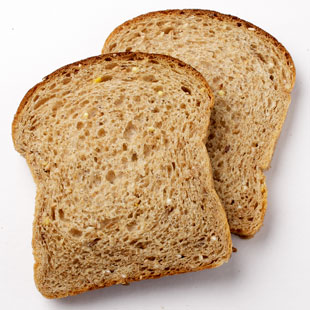
Starchy carbohydrates, such as toast or crackers, may help to counteract nausea and low blood sugar (symptoms include headaches, fatigue and cold sweats) caused by long bouts of drinking with little food, according to an article in the journal Alcohol Health & Research World.

Fluids

Water

Drinking alcohol causes your body to lose a lot of water, especially if you’ve been sick to your stomach. Rehydrating—with water or sports drinks that contain electrolytes, such as sodium and potassium—could help you feel better.

Electrolytes

Soup

The salt and potassium in bouillon-based soup may replace lost electrolytes, relieving some of the symptoms of dehydration: headache, weakness, dizziness.

“How Alcohol Affects Your Body,” an article from Eating Well

Read Full Post »

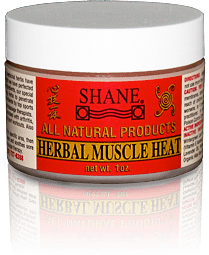
Shane's Herbol Muscle Heating Balm

By Sue Shekut, Licensed Massage Therapist, ACSM Personal Trainer, Certified Wellness Coach, Owner, Working Well Massage

Many chiropractors and sports clinics use BioFreeze for sore muscle relief. However, we’ve had better results with a simple product made of all natural products. Unlike Icy Hot or BioFreeze, Herbal Muscle Heat Balm has a time release formula that allows the balm to penetrate muscles more slowly over a period of hours, instead of providing a quick, short-lasting, superficial muscle heating effect.

Our clients report that after applying the balm before bed, they wake up with less pain and less tension in their muscles. It’s great for massage work as well.

A small jar only costs about $10 and can last for months!

Note: Do not apply this balm before taking a hot bath, sitting in a steam room or sauna! The balm does not easily rub off and it will heat up fast and feel like it’s burning. It’s best to apply it post bath for this reason.

It’s hard to find in stores but you can order a jar or two online a this website here. Click on the far left hand webpage: Tools for Life. Then click on the picture of the balm to order.

Read Full Post »

By Sue Shekut, Licensed Massage Therapist, ACSM Personal Trainer, Certified Wellness Coach, Owner, Working Well Massage

Do you have a great backrest, but your chair or car seat is too hard or you find yourself sliding off the seat? Or is your chair a wire mesh type with a supposedly great ergonomic design but no comfy cushioning in the seat?

Why settle for uncomfortable car seats and office chairs when you can easily upgrade your seating setup with a foam cushion! Pair your backrest with a foam seat cushion.

For about $100-$150 you can put together your own “ergo” seating. We’ve reviewed many of the products out there and found the best prices and reviews on Amazon. You may be able to find the same or similar products elsewhere, but you will pay about 10-30% more from other vendors.

To save you time, we pasted the links and pictures of the products in a few separate posts about backrests and seat cushions. Find the situation that describes your issue (you are taller than average, shorter than average, of wider girth than average, etc.) and read the associated post to find out about the product we think may help you best. In this post we discuss three different seat cushion options.

We also included pertinent tips from the Amazon customer reviews so you don’t have to wade through them yourself. However, if you want to read all the reviews yourself, simply go to the Amazon product link and check out the customer reviews.

Note: Many car seats are smaller and office chairs may be deeper and wider in the seat than some cushions. So when adding a foam seat cushion to your chair or car seat, keep the existing seat dimensions in mind. Amazon customer reviewers make note of this for some of the cushions discussed below.

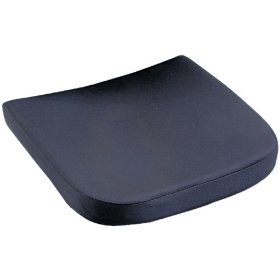
1. Essential Medical Supply Memory P.F. Sculpture Comfort Seat Cushion

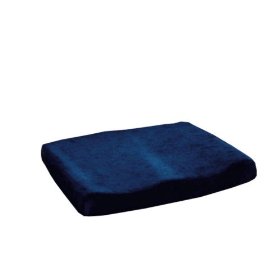
Essential Medical Seat Cushion

A bargain on Amazon for $28.92!


According to the manufacturer:

• Relieves Pressure
• Seating cushion includes molded, 6 lb. density memory foam
• Comfortable seat for individuals sitting in chairs, riding in cars, scooters, etc.
• Encased in removable and washable luxurious zippered blue velveteen cover.
• The sculpted design is anatomically correct and provides maximum comfort.
• Product Dimensions: 18 x 2.5 x 16 inches

Amazon Reviewers Say:
• The memory foam is dense so it doesn’t collapse into nothingness when you sit on it, and it gives you very good support. It raises the seat about two inches, which can make getting up from the chair a lot easier.

• My only complaint is that it would be nice if it was at least 2 inches wider and 3 inches deeper so it would approximate the seating area of my office chair. At its current dimensions, it only covers the seating area of a traditional dining room chair.

• While it does have a dense foam, it is not memory foam, as I understand the term. It compresses and quickly bounces back like any other foam. Would also have liked it to be a bit bigger, particularly in depth. Really only good for a small chair.

2. Kensington Memory Foam Seat Cushion

Kensington Memory Foam Seat Cushion

On Amazon for $37.64

According to the manufacturer:

• High-density memory cell foam was originally developed by NASA to relieve G-force strain during lift off.
• Temperature- and pressure-sensitive, it molds to the body’s contour, offering optimal comfort.
• Dissipates pressure while conforming to body contours.
• Leather-like bottom cover reduces movement on chair.
• Product Dimensions: 16.2 x 2.6 x 16.2 inches ; 2.6 pounds

Amazon Reviewers Say:

• No customer reviews on this product as of yet. We purchased one for one of our clients and so far she loves it, but she weighs only about 120 pounds.

Review from the similar Kensington Memory Foam Seat Rest (L82024)

• I ordered this cushion for my rather large desk chair at work- and it works great! The foam is very thick, but conforms to the body to support it well. The cushion is tapered at the front to prevent pressure on the legs. I would highly recommend this to improve posture and support while working at a desk. I am buying a second one to keep at home so when I work at my kitchen table on my laptop I am at the proper height.

• Heavier people may find the cushion smashes quickly, according to Amazon reviewers.

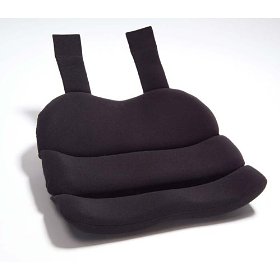
3. Obus Forme Ergonomic Seat Cushion

Orbus Forme Seat Cushion

From Amazon for $59.46

According to the manufacturer:

• Polyurethane foam construction absorbs compression forces and dissipates the vibration created in moving vehicles, making it ideal for use on the road.
• Can be used on its own or with any Obus Forme Backrest support to create a complete and comfortable ergonomic sitting experience.
• The removable front section is easily unzipped to allow for use with narrow chairs and benches.

Amazon Reviewers Say:

• The seat comes in a handy little plastic tote bag with a handle for carrying, and you can zip off the front segment of the seat to fit shallower chairs.

• This cushion saved my butt on a long car trip! I have periodic flare-ups of sciatica and hip pain, aggravated by riding in the car. Even short trips around town usually have me squirming in my seat. With the ObusForme cushion I can ride or drive pain free for hours at a time. I also brought it to a football game, and was comfortable for over three hours on the bleacher seat.

• However, I purchased the Obus Ultra Forme backrest for added support. I was so happy with the backrest that I decided that adding the seat was called for. It unfortunately turned out to be fairly uncomfortable. The support was pretty good, and the problem might have been that it was too small for my recliner, but I ended up returning it. I’m 6’4″, 200lbs, so maybe I don’t have enough built in padding, but regardless, I was disappointed in the seat after being so happy with the backrest.

• Great firm seat cushion. It stays in place well, and is a good complement to the Obus Forme back support device.

Read Full Post »

By Sue Shekut, Licensed Massage Therapist, ACSM Personal Trainer, Certified Wellness Coach, Owner, Working Well Massage

Are you taller than average or have a long torso and find that standard office chairs don’t offer you enough back support?

Why settle for uncomfortable office chairs when you can easily upgrade your seating setup with a easy to use backrest!

For about $100-$150 you can put together your own “ergo” seating to accommodate your height requirements. We’ve reviewed many of the products out there and found the best prices and reviews on Amazon. You may be able to find the same or similar products elsewhere, but you will pay about 10-30% more from other vendors.

To save you time, we pasted the links and pictures of the products in a few separate posts about backrests and seat cushions. This post covers the need for back support for those that are either taller than average height or have long torsos.

We also included pertinent tips from the Amazon customer reviews so you don’t have to wade through them yourself. However, if you want to read all the reviews yourself, simply go to the Amazon product link below and check out the customer reviews.

If you are above average height, or if you simply want extra head and neck support for your chair, try the:

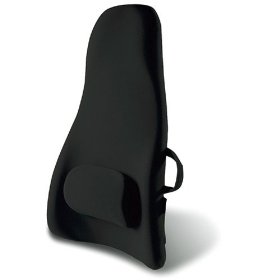
Obus Forme High-back Backrest

On Amazon for $79.95

Orbus Forme High-back Backrest

According to the manufacturer:
• Enhances overall posture and provides relief from pain from poor posture
• 8 inches taller for head and neck rest
• S-shaped frame
• Portable and lightweight
• Black

Amazon Reviewers Say:
• It has a lumbar support that is moveable and it is high enough to support my head comfortably.

• I have used this product before and this was to replace one, which I had worn out. I have 3 at the moment – 1 for my easy chair, 1 at my office at work and 1 in my car. At various times I have lent one of these to friends and the biggest problem is to get them to return them.

• This is not a magic cure for all back problems but it is magic if it helps your back problem and since it is high back it does seem to help many people.

• The height of the product works well with my long torso.

• The calzone-sized pillow attaches with Velcro. Depending on preference, it can be discarded or placed at the lumbar spine or head.

• The product is sturdy but not immortal. After a couple of years of steady use, the joints attaching the top third of the piece to the lower part are prone to break.

Read Full Post »

By Sue Shekut, Licensed Massage Therapist, ACSM Personal Trainer, Certified Wellness Coach, Owner, Working Well Massage

Do you get neck and shoulder pain when you drive for long periods? Or do you find that your office chair does not provide enough lumbar and/or upper back support?

Why settle for uncomfortable car seats and office chairs when you can easily upgrade your seating setup with a foam cushion and backrest!

For about $100-$150 you can put together your own “ergo” seating. We’ve reviewed many products out there and found the best prices and reviews on Amazon. You may be able to find the same or similar products elsewhere, but you will pay about 10-30% more from other vendors.

To save you time, we pasted the links and pictures of the products in a few separate posts about backrests and seat cushions. Find the situation that describes your issue (you are taller than average, shorter than average, of wider girth than average, etc.) and read the associated post to find out about the product we think may help you best.

We also included pertinent tips from the Amazon customer reviews so you don’t have to wade through them yourself. However, if you want to read all the reviews yourself, simply go to the link and check out the customer reviews.

One thing to keep in mind when fitting your chair with lumbar and other support, is that you need to make sure your upper back is still in contact with the seat back. According to our ergonomic experts, with a small pillow or half cushion in your lumbar region, you may actually be putting too much of a curve into your low back and forcing your upper back to hunch forward.

First off, a top-rated seat cushion for back support that extends beyond a simple lumbar cushion is the:

Obus Ultra Forme Backrest

On Amazon for $59.99

Orbus Ultra Forme BackRest

According to the manufacturer:
• Clinically proved to reduce lower back pain by 50%
• Designed for back pain sufferers, including those with chronic an severe back pain
• Encourages proper alignment between pelvis and spine
• Improves circulation and reduces pressure on the back
• Patented “S” shaped frame of backrest helps prevent & relieve back pain
• Small, medium and large sizes available

Amazon Reviewers Say:

• These are easy to use and really improve your posture, keeping your back pain free, especially on those long road trips.

• This seat works to put your whole spine in an optimum curve. It is not just a lumbar support.

• This product does force you to sit up straight, which in turn prevents you from slouching your shoulders. This may be somewhat uncomfortable at first, but it sure beats the back pain that I get from leaning back or slouching over in my chair too long.

• It’s not like a super comfort back cushion, but it serves to straight your position and gives you relief. I don’t ever feel back pain when I have this on my chair and my co-workers complain alot about their pain.

• It’s not a cushion, it really a nice back support. It’s like the way I described, a board with foam on it and it can be very comforting. I recommend this product for anyone who works in an office all day. Its a must have and it has straps for you to strap to your chair.

• Long torso people may need the large size versus the medium.

• Another reviewer gave the actual dimensions to make product ordering easier:


Obus Forme Ultra Backrest Dimensions:

Approx. (H X L X W and Weight)
Small Obus Ultra Forme Backrest – 25 x 12.5 x 3.25 — 2.8 lbs
Medium Obus Ultra Forme Backrest – 26 x 12.5 x 3.5 — 3 lbs
LargeObus Ultra Forme Backrest – 28.5 x 12.5 x 3.75 — 3.2 lbs

Obus Forme Ultra Backrest Recommendations:
Ultra Forme Backrest Size Chart:
SMALL Backrest – Under 5’2″
MEDIUM Backrest – 5’2″ – 6’2″
LARGE Backrest – Over 6’2″

Read Full Post »

By Sue Shekut, Licensed Massage Therapist, ACSM Personal Trainer, Certified Wellness Coach, Owner, Working Well Massage

By now, most people have heard the news that consuming High Fructose Corn Syrup (HFCS) may have adverse effects on your health. The documentary, King Of Corn, is a humerus and educational review of corn production and describes how much of the corn produced in the U.S. is refined into HFCS. The Corn Refiners Association lobby countered bad press about HFCS with the Sweet Surprise campaign, a series of ads saying “HFCS is not bad for you..in moderation.”

Not to be alarmist, but how bad is HFCS for us, really?

Let’s look at the recent research:

High-Fructose Diet Raises Blood Pressure in Middle-Aged Men
A diet high in foods with large amounts of fructose sugar such as sweetened soft drinks increased blood pressure in men, according to a study presented today (September 23, 2009) that also found that a drug for gout blocked the effect.

Men in the study who ate a high-fructose diet had their blood pressure rise about 5 percent after two weeks, while those who also were given a gout treatment increased less than 1 percent, study author Richard Johnson said. Eating great amounts of fructose without the treatment also raised the risk of developing metabolic syndrome, a group of risk factors associated with the development of heart disease and diabetes.

The study, which was funded by the National Institutes of Health, will be presented today (September 23, 2009) at the American Heart Association’s annual conference on high blood pressure in Chicago.

Fructose is one of several sugars in food and makes up about half of all the sugar molecules in table sugar and in high-fructose corn syrup, according to background information from the American Heart Association. The syrup often is used as a sweetener in packaged food products. Fructose is the only common sugar known to increase uric acid levels, the heart association said. Study info here

Study Finds High-Fructose Corn Syrup Contains Mercury
MONDAY, Jan. 26, 2009 (HealthDay News) — Almost half of tested samples of commercial high-fructose corn syrup (HFCS) contained mercury, which was also found in nearly a third of 55 popular brand-name food and beverage products where HFCS is the first- or second-highest labeled ingredient, according to two new U.S. studies.

In the first study, published in current issue of Environmental Health, researchers found detectable levels of mercury in nine of 20 samples of commercial HFCS.

And in the second study, the Institute for Agriculture and Trade Policy (IATP), a non-profit watchdog group, found that nearly one in three of 55 brand-name foods contained mercury. The chemical was found most commonly in HFCS-containing dairy products, dressings and condiments.

The use of mercury-contaminated caustic soda in the production of HFCS is common. The contamination occurs when mercury cells are used to produce caustic soda.

“The bad news is that nobody knows whether or not their soda or snack food contains HFCS made from ingredients like caustic soda contaminated with mercury. The good news is that mercury-free HFCS ingredients exist. Food companies just need a good push to only use those ingredients,” Wallinga said in his prepared statement. Washington Post Article on Mercury on HFCS products here

HFCS and Obesity
And finally, researchers from Pennington Biomedical Research Center, Louisiana State University, and the Department of Nutrition, University of North Carolina, analyzed food consumption patterns by using US Department of Agriculture food consumption tables from 1967 to 2000. The consumption of HFCS increased > 1000% between 1970 and 1990, far exceeding the changes in intake of any other food or food group.

HFCS now represents more than 40% of caloric sweeteners added to foods and beverages and is the sole caloric sweetener in soft drinks in the United States. The increased use of HFCS in the United States mirrors the rapid increase in obesity. The digestion, absorption, and metabolism of fructose differ from those of glucose. In addition, unlike glucose, fructose does not stimulate insulin secretion or enhance leptin production. Because insulin and leptin act as key afferent signals in the regulation of food intake and body weight, this suggests that dietary fructose may contribute to increased energy intake and weight gain. Furthermore, calorically sweetened beverages may enhance caloric overconsumption. Thus, the increase in consumption of HFCS has a temporal relation to the epidemic of obesity, and the overconsumption of HFCS in calorically sweetened beverages may play a role in the epidemic of obesity. Link to article in American Journal of Clinical Nutrition

More research needs to be and is being done. And, King of Corn afficionados aside, HFCS isn’t the only sugar that should be consumed in moderation.

Sugar Consumption Guidelines
According to the American Heart Association, no more than half of your daily discretionary calorie allowance come from added sugars. For most American women, this is no more than 100 calories per day and no more than 150 per day for men (or about 6 teaspoons a day for women and 9 teaspoons a day for men).

How much added sugars do most Americans consume?
A report from the 2001–04 NHANES (National Health and Nutrition Examination Survey) database showed that Americans get about 22.2 teaspoons of sugar a day or about 355 calories. This number has increased steadily over the past three decades. Teens and men consume the most added sugars.

A major contributor of added sugars to American diets are soft drinks and other sugar-sweetened beverages.

What foods and beverages are the main sources of added sugars in Americans’ diets?
Regular soft drinks; sugars and candy; cakes, cookies, pies; fruit drinks (fruitades and fruit punch); dairy desserts and milk products (ice cream, sweetened yogurt, and sweetened milk); and other grains (cinnamon toast and honey-nut waffles).

Regular soft drinks are the No. 1 source of added sugars in Americans’ diets. A 12-ounce can of regular soda contains an estimated 130 calories (or 8 teaspoons) of added sugars. People who consume lots of sugar-sweetened beverages eat too many sugar calories which can add up quickly and tend to gain weight. Carefully monitor the number of calories you get from sodas and other sources of added sugars.

More on the AHA’s standpoint on sugar consumption

Obesity, mercury poisoning and high blood pressure is serious stuff. But, let’s not get too stressed out about it. Pour a glass of nice cold water, kick back and watch the King of Corn filmmakers, Ian Cheney and Curt Ellis spoof about the Corn Refiners Association “HFCS is OK in moderation” ads.

Spoof: HFCS is like cigarettes..it’s OK in moderation

Spoof: DDT is OK, in moderation

Read Full Post »

By Sue Shekut, Licensed Massage Therapist, ACSM Personal Trainer, Certified Wellness Coach, Owner, Working Well Massage

Fall is a time the kids go back to school, people start spending more time indoors and flu bugs from across the globe travel to “make new friends” (infect new hosts, meaning us).

Colds and flues can now travel from one country to another in just a few hours via a carrier on an airplane. But you don’t have to go a round the world to catch a cold. You can get a virus from anyone in your immediate vicinity, coworker, random person out in public that touches something you touch. It’s so great that we all have learned to share!

Most colds and flues are not serious or life threatening, but they can make you miss work, drag down your energy levels and overall disrupt your regular life schedule.

What can you do to prevent getting sick?

Immune System Defenses
To start with, keep your immune system functioning well with these simply tips:

Get enough physical activity aka exercise. A the very least get the recommended minimum of 30 minutes of activity 5 times a day (recommended by the American College of Sports Medicine) even in 3 sets of 10 minutes of walking or stair climbing.

Make sure you drink enough water. According to the Mayo Clinic, “Water is your body’s principal chemical component, making up, on average, 60 percent of your body weight. Every system in your body depends on water. For example, water flushes toxins out of vital organs, carries nutrients to your cells and provides a moist environment for ear, nose and throat tissues.”

How much water is enough?

The Institute of Medicine advises that men consume roughly 3 liters (about 13 cups) of total beverages a day and women consume 2.2 liters (about 9 cups) of total beverages a day.

Even apart from the above approaches, if you drink enough fluid so that you rarely feel thirsty and produce 1.5 liters (6.3 cups) or more of colorless or slightly yellow urine a day, your fluid intake is probably adequate. Link to Mayo Clinic’s Water Intake article here

Get your ZZZ’s-Sleep deprivation is a torture technique. Don’t torture yourself! Get the reccomended 7-9 hours by night. And on days you are feeling run down, take an actual nap even for 20 minutes. it lets your nervous system take a break from high stress hormones and let’s your body recharge. Link to health.com “How Much Sleep Do You Really Need”

Aside from your immune system, here are some tips from the Center for Disease Control to help prevent the spread of actual germs.

How Germs Spread

Illnesses like the flu (influenza) and colds are caused by viruses that infect the nose, throat, and lungs. The flu and colds usually spread from person to person when an infected person coughs or sneezes.

How to Help Stop the Spread of Germs

Take care to:

• Cover your mouth and nose when you sneeze or cough
• Clean your hands often
• Avoid touching your eyes, nose or mouth
• Stay home when you are sick and check with a health care provider when needed
• Practice other good health habits.

Cover your mouth and nose when you sneeze or cough

Cough or sneeze into a tissue and then throw it away. Cover your cough or sneeze if you do not have a tissue. Then, clean your hands, and do so every time you cough or sneeze.
Clean your hands often

When available, wash your hands — with soap and warm water — then rub your hands vigorously together and scrub all surfaces. Wash for 15 to 20 seconds. It is the soap combined with the scrubbing action that helps dislodge and remove germs.

When soap and water are not available, alcohol-based disposable hand wipes or gel sanitizers may be used. You can find them in most supermarkets and drugstores. If using a gel, rub the gel in your hands until they are dry. The gel doesn’t need water to work; the alcohol in the gel kills germs that cause colds and the flu. (Source: FDA/CFSAN Food Safety A to Z Reference Guide, September 2001: Handwashing.)

Avoid touching your eyes, nose, or mouth

Germs are often spread when a person touches something that is contaminated with germs and then touches their eyes, nose, or mouth. Germs can live for a long time (some can live for 2 hours or more) on surfaces like doorknobs, desks, and tables.

Stay home when you are sick and check with a health care provider when needed

When you are sick or have flu symptoms, stay home, get plenty of rest, and check with a health care provider as needed. Your employer may need a doctor’s note for an excused absence. Remember: Keeping your distance from others may protect them from getting sick.

Common symptoms of the flu include:

• fever (usually high)
• headache
• extreme tiredness
• cough
• sore throat
• runny or stuffy nose
• muscle aches, and
• nausea, vomiting, and diarrhea, (much more common among children than adults).

The CDC’s “Stopping the Spread of Germs at Work”

Read Full Post »

By Sue Shekut, Licensed Massage Therapist, ACSM Personal Trainer, Certified Wellness Coach, Owner, Working Well Massage

One of the most common problems we see with people that work on computers all day is sore neck and shoulders. Bending forward to see the laptop screen is a big headache (literally!) for students, sales people and anyone that uses a laptop on a frequent basis.

I’ve written Apple and some of the PC makers asking if they would create a laptop with an adjustable monitor that could be height adjustable and articulate to be more comfortable to users to no avail. Likely they have even bigger and better ideas. (I hope.)

For now, though, if you use a laptop frequently and can’t always connect to an external monitor and extended keyboard, there is a simple, inexpensive short term fix: the Portabook.

Sure, it’s sold via a cheesy infomercial. Sure the base model is made of plastic. But it’s durable plastic. And it works. (A metal version is available.) The Portabook is a laptop holder, a textbook or paper holder and it IS portable (and very lightweight.)

Watch the short video from the company here

I have two at home and I even take it with me when I plan on using my laptop away from home for extended periods. It fits right into my backpack along with the laptop! When I read textbooks or any 8.5 x 11 size papers, I also use the Portabook as a reading stand. It’s worth the $20 to save my neck and shoulders from pain and tension.

Note: Neither Working Well resources nor I have any affiliation or make any profits from Portabook. We just like the product!

Read Full Post »

By Sue Shekut, Licensed Massage Therapist, ACSM Personal Trainer, Certified Wellness Coach, Owner, Working Well Massage

Ergotron is a workstation and monitor company that sells adjustable computer workstations and monitor mounts. We found this entertaining video on Ergotron’s website. The “CubeLife 2.0: The Uprising” video pairs a workplace workout with their adjustable workstation which retails for about $900. After watching the video, you may regret spending $1225 on that unpadded Aeron chair instead of a user-friendly adjustable workstation from Ergotron!

If the video does not automatically display, go to this you tube video:
CubeLife 2.0:The Uprising

For more info on the Ergotron product line, go to their website  here.

If you already have an Ergotron adjustable workstation, let us know what you like (or don’t like) about it. We’d love to share your experience with our other loyal readers!

Read Full Post »

By Sue Shekut, Licensed Massage Therapist, ACSM Personal Trainer, Certified Wellness Coach, Owner, Working Well Massage

Working Well Resources is a blog dedicated to providing information and commentary on wellness resources. We strive to help teach people how to move, work, exercise, eat and play  from a wellness perspective. We believe that if your body works well, YOU will work and live more effectively, with less pain and less limitations on your mobility.

Read Full Post »

« Newer Posts