Feeds:
Posts
Comments

Archive for the ‘Uncategorized’ Category

By Sue Shekut, MA, Licensed Professional Counselor, Licensed Massage Therapist, Wellness Coach, Owner, Working Well Massage

Today we celebrate Veteran’s Day, in honor of veterans that have served our country. Yet every day, many veterans struggle with mental health issues. Post Traumatic Stress Disorder is a common diagnosis for those that have experienced life threatening traumatic events and have ongoing difficulties with intrusive memories, hyper vigilance and attempts to avoid thinking about the events. Some veterans have nightmares, difficulty with anger management and feel isolated and misunderstood when y=they return home after active duty and combat situations.

The Veteran’s Administration provides physical and mental health services for veterans.  But for some, that is not enough. The good news for veterans is that there are alternative mental health services for military service people and veterans.

Give an Hour

Give an Hour is a national nonprofit organization with a large network of mental health clinicians that offer no cost mental health counseling to those that qualify. Give an Hour offers its services to all active duty service members, veterans of any era, and their loved ones. This includes parents, siblings, grandparents, unmarried partners, and others affected by a loved one’s service.

Give an Hour clinicians sign up and agree to offer one free hour a week of psychotherapy to a member of the military, active or veteran, or a family member. Veterans and family members can sign up on the Give an Hour website and select from a list of volunteer psychotherapists.

According to the Give An Hour Website, eligible clients include:

To Donate to Give an Hour, click here.

Headstrong

Headstrong is a service that is available to combat veterans that provides free psychotherapy specific to treat PTSD, usually via a type of PTSD treatment called EDMR. According to Headstrong website, Headstrong was founded in 2012 through a partnership with Weill Cornell Medicine, one of the nation’s leading mental health care centers to offer free, and confidential treatment for post-9/11 military veterans. Headstrong currently offers services in select cities in the following States: California, Colorado, Illinois (Chicago), Maryland, New York, New Jersey, Texas (Houston), Virginia,  and Washington DC.

Headstrong has developed an evidence-based, cost-free, stigma-free, confidential, and frictionless mental health treatment program for post-9/11 military veterans that works.

For combat veterans in Chicago, to sign up for free Headstrong Services, click here.

Headstrong is a registered 501c3 nonprofit organization supported primarily by donations. To donate to Headstrong, click here.

Disclaimer: As a mental health provider, I participate in both Give an Hour and Headstrong. I believe strongly in helping our nation’s military personnel and I also specialize in helping clients recover from traumatic experiences.

Read Full Post »

By Sue Shekut, MA, Licensed Professional Counselor, Licensed Massage Therapist, Wellness Coach, Owner, Working Well Massage

A few weeks ago I had the opportunity to try stand up paddleboarding. It was great fun and a wonderful workout! At the same time, it was difficult to stand up on the board. I looked to You Tube for help on the best way to get up and stay up on the board. I found this great video on how to get started from Stand Up Paddle Board TV.

I made a lot of mistakes and was happy to see this video from BluePlanetSurf about Common Beginner mistakes. Balance is difficult at first and BluePlanet Surf had this video with tips on how to balance when standing on the board. Verena Mei had great tips on this video of how to fall in and get back on the board. Best tip is fall in the water which is soft versus on the board which can hurt you!!

Stand Up paddleboarding really works your core and back muscles, not just your arms. The Active Times has this article on Why Stand Up Paddle Boarding is A Killer Workout.   Health Fitness Revolution explains the Top 10 Health Benefits of Stand Up Paddleboarding.  Benefits include reducing stress, enjoying being in nature and of course, strengthen your muscles, getting a great overall workout and having fun!

Advanced skills combining Yoga AND paddleboarding! Image from https://www.reviewgigant.com/sup-board-kopen-gids/

In Chicago, there are a few places to learn how to stand up paddleboard. First there is Chicago SUP (Stand Up Paddleboarding) with info on lessons here. For $65 you can learn how to paddleboard in 30 minutes then practice for an hour afterward with Chicago SUP boards.

Chicago Paddle Company also provides lessons but for $45 per hour. Their 1-hour lessons include

    • YOLO Board, paddle & leash
    • P.F.D. (personal flotation device)
    • On land paddle and water safety instruction
    • On water paddle instruction with a SUP safety certified instructor

You can also rent paddleboards from Chicago Paddle Company  at Kathy Osterman ‘Hollywood’ Beach in Edgewater for  $30/hour.

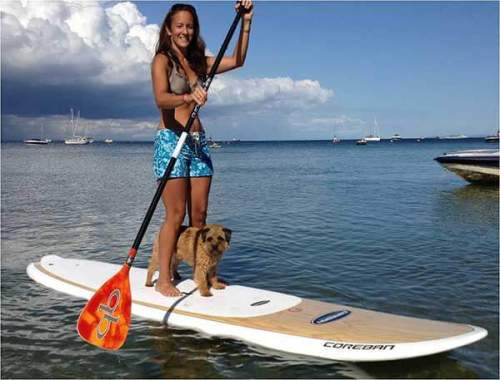
Paddleboarding with your pet! An advanced skill. Image from https://www.reviewgigant.com/sup-board-kopen-gids

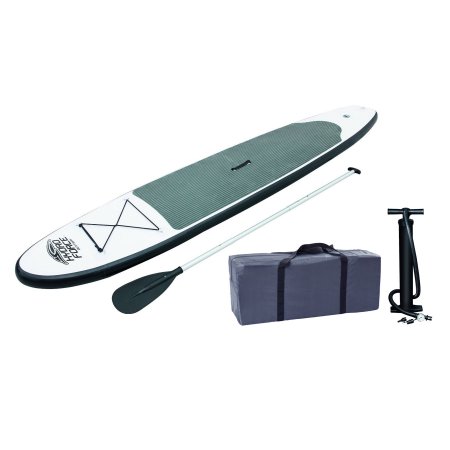
Stand up paddle boards can be expensive ($400 and up to $2500 at REI on sale until 9-4-17) , but if you shop around you can get some deals. Some people prefer the inflatable type of paddle board so it is easier to store and travel with your board. The cheapest one I found is for $259 (Reg $399 on sale as of 8-25-17) at Walmart here.

Bestway Inflatable Paddle Board from Walmart


Read Full Post »

By Sue Shekut, MA, Licensed Professional Counselor, Licensed Massage Therapist, Wellness Coach, Owner, Working Well Massage

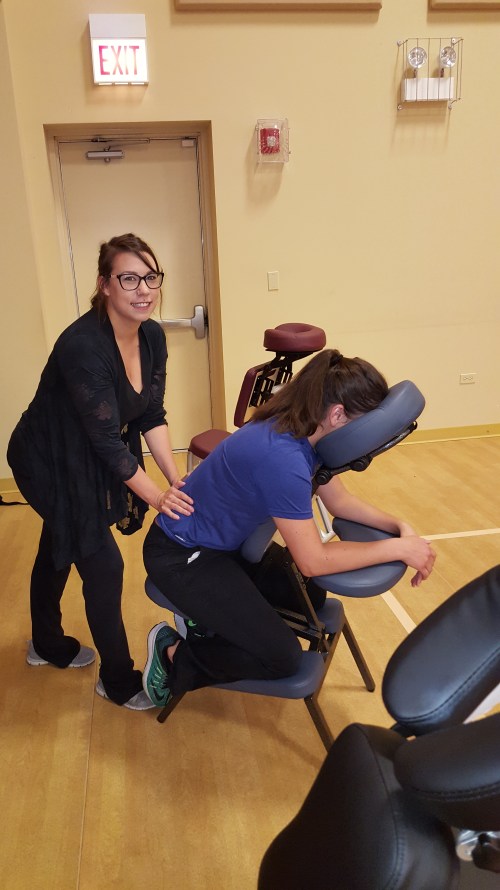
On Saturday, August 19, 2017, I was honored to be part of the IlliniCare Health Fair at Compassion Baptist Church in the South Side of Chicago. Two of our Working Well Massage therapists, Nikki and Sara, joined me to provide relaxing chair massage to attendees of the event. Between the three of us, we massaged over 100 people on Saturday.

According to IlliniCare Health, 700 members of the surrounding community took part in the event.  IlliniCare Health’s goal in holding this event was to strengthen our community by improving health care access, increasing the awareness of pivotal resources, and championing the importance of education.  IlliniCare Health we believe treating people with kindness, respect, and dignity empowers healthy decisions and that healthier individuals create more vibrant families and communities. Working Well Massage shares these values as well and we thank IlliniCare Health for inviting us to work with them at this event!

We met Chicago Alderman Gregory Mitchell of the 7th Ward, and Congresswoman Robin Kelly at the 2nd annual Health Fair and Back-to-School Kickoff. gave children as young as 7-years-old and seniors as old as 91 relaxing massages! Illinois Eye Institute provided free vision check ups. Walgreens provided free flu shots and blood pressure checks.

Sara massages an attendee while other patiently wait for their massages. In the background, people line up for vision screening exams.

I was so proud of my team for helping everyone enjoy themselves. Along with WWM, there were health care providers offering free vision screening, dental care and  a host of other services. IlliniCare Health gave away free backpacks and wonderful nutritious lunches as well.

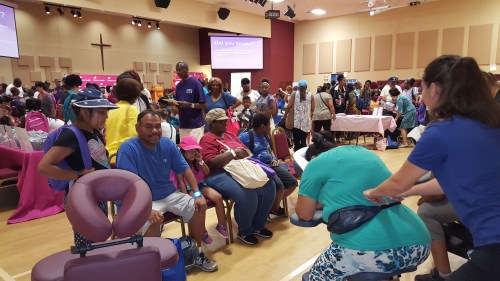
People of all ages patiently waiting for their massage as others browse free eyeglass selections

Bronzeville Children’s Museum “You Are What You Eat” exhibit also taught attendees about healthy eating and working out while having fun.

Read Full Post »

By Sue Shekut, MA, Licensed Professional Counselor, Licensed Massage Therapist, Wellness Coach, Owner, Working Well Massage

From the team at Working Well Massage to you, our readers and fans, we wish you a safe, happy and healthy Fourth of July holiday!

Working Well Massage is closed today so that our staff can enjoy the holiday. We will be open again in Lincoln Park a t our WWM chair massage station inside Whole Foods Market Lincoln Park starting at Noon tomorrow, July 5, 2017. Stop by and see us to relax after your July 4th festivities!

Read more about the history of July 4th here  at History.com.

Read Full Post »

Stretching throughout the workday is essential for good health.

By Sue Shekut, Owner, Working Well Massage, Licensed Massage Therapist, Certified Wellness Coach, ASCM Personal Trainer

If you’re reading this, it’s likely that you’ve been sitting at a computer for an extended period of time.  Did you know that sitting still for a long time can cause serious health damage? OSHA says that maintaining static postures, such as viewing the monitor, for a prolonged period of time without taking a break can fatigue the muscles of the neck and shoulder that support the head. Additionally, OSHA recommends that repetitive tasks or jobs that require long periods of static posture incorporate several, short rest breaks (micro breaks or rest pauses). During these breaks you should stand, stretch, and move around. This provides rest and allows the muscles enough time to recover. Read the excerpt from Susan Seliger”s article “Stretching Exercises at Your Desk: 12 Simple Tips” at WebMD for a few of the stretches you can easily perform in your workplace to keep limber throughout the day.

Stretching Exercises You Can Do at Your Desk

  1. Just stand up and sit down — no hands
    • You might have gotten a gold star in preschool for sitting still, but it just goes to show you (best sellers notwithstanding) that not all of us learned everything we need to know in kindergarten. “If you stand up and sit down (over and over) — without using your hands — it can be a challenge,” says Smith. It’s like doing mini-squats!
  2. Substitute exercise for sitting — while you work
    • Get rid of your desk chair and substitute an exercise ball, suggests Smith. “I used it for a while when I was having low-back problems; it was great,” Smith says. “All day you are engaging all the muscles in the back, legs, butt, everything, to stay balanced.”
  3. Shrug your shoulders — to release the neck and shoulders
    • Inhale deeply and shrug your shoulders, lifting them high up to your ears. Hold. Release and drop. Repeat three times.
    • Shake your head slowly, yes and no.
  4. Loosen the hands with air circles
    • Clench both fists, stretching both hands out in front of you.
    • Make circles in the air, first in one direction, to the count of ten.
    • Then reverse the circles.
    • Shake out the hands.
  5. Point your fingers — good for hands, wrist, and forearms
    • Stretch your left hand out in front of you, pointing fingers toward the floor. Use your right hand to increase the stretch, pushing your fingers down and toward the body. Be gentle.
    • Do the same with the other hand.
    • Now stretch your left hand out straight in front, wrist bent, with fingers pointing skyward. Use your right hand to increase the stretch, pulling the fingers back toward your body.
    • Do the same on the other side.
  6. Release the upper body with a torso twist
    • Inhale and as you exhale, turn to the right and grab the back of your chair with your right hand, and grab the arm of the chair with your left.
    • With eyes level, use your grasp on the chair to help twist your torso around as far to the back of the room as possible. Hold the twist and let your eyes continue the stretch — see how far around the room you can peer.
    • Slowly come back to facing forward.
    • Repeat on the other side.
  7. Do leg extensions — work the abs and legs
    • Grab the seat of your chair to brace yourself and extend your legs straight out in front of you so they are parallel to the floor.
    • Flex and point your toes five times. Release.
    • Repeat.
  8. Stretch your back with a “big hug”
    • Hug your body, placing the right hand on your left shoulder and the left hand on your right shoulder.
    • Breathe in and out, releasing the area between your shoulder blades.
  9. Cross your arms — for the shoulders and upper back
    • Extend one arm out straight in front of you. With the other hand, grab the elbow of the outstretched arm and pull it across your chest, stretching your shoulder and upper back muscles.
    • Hold. Release.
    • Stretch out the other arm in front of you — repeat.
  10. Stretch your back and shoulders with a “leg hug”
    • Sit on the edge of your chair (if it has wheels, wedge the chair against the desk or wall to make sure it does not roll). Put your feet together, flat on the floor.
    • Lean over, chest to knees, letting your arms dangle loosely to the floor. Release your neck.
    • Now bring your hands behind your legs, right hand grasping left wrist, forearm (or elbow if you can reach that far), left hand grasping the right. Feel the stretch in your back, shoulders and neck. Hold.
    • Release your hands to the floor again.
    • Repeat three times or as often as it feels good.
  11. Look up to release upper body
    • Sit up tall in your chair, or stand up. Stretch your arms overhead and interlock your fingers.
    • Turn the palms to the ceiling as you lift your chin up, tilt your head back, and gaze up at the ceiling, too.
    • Inhale, exhale, release.
  12. Substitute walks for email — and don’t eat at your desk
    • Instead of emailing a colleague “and copying 25 people who don’t want to be copied anyway,” Smith says, “walk over to the colleague you really want to talk to.”

    Read the rest of the article at WebMD.

    Reblog this post [with Zemanta]

Read Full Post »

By Sue Shekut, Owner, Working Well Massage, Licensed Massage Therapist, Certified Wellness Coach, ACSM Personal Trainer

Do you ever listen to music at work to help keep focus? Do you have a particular artist or genre that you listen to in different moods? Dr. Ellen Weber says that research suggests many peoples’ tendencies to turn on some tunes exist because the brain rewards that behavior. Listening to music shifts your brain waves that control how neurons communicate.

Interestingly enough, it looks like people tend to respond to certain genres in different ways as well. In his book The Mozart Effect, Don Campbell conducted interviews to see how people responded across genres. According to Campbell:

Gregorian chant creates quiet in our minds and can reduce stress.

Slower Baroque music, such as Bach, Handel, Vivaldi or Corelli, can create mentally stimulating environments for creativity and new innovations.

Classical music, such as Haydn and Mozart, often improves concentration and memory when played in the background.

Romantic music, such as Schubert, Schumann, Tchaikovsky , Chopin and Liszt, enhances our senses and increases a sense of sympathy and love.

Impressionist music, such as Debussy, Faure and Ravel, can unlock dreamlike images that put us in touch with our unconscious thoughts and belief systems.

Jazz, blues, soul or calypso music can uplift and inspire us, releasing deep joy or even deep sadness, conveying wit and affirming our common humanity.

Salsa, rhumba, merengue and any form of South American music sets our hearts racing, gets us moving, both relaxing us and awakening us at the same time.

Big band, Top 40 and country music engage our emotions and comfort us.

Rock music, from Elvis Presley to the Rolling Stones, stirs passion and activity, and so can release daily tensions. Rock can also mask pain and cover up unpleasant noises. It also has the power to create dissonance, stress or physical pain if we are not in the mood for energizing.

Ambient or New Age music such as Stephen Halpern and Brian Eno has no dominant rhythm, so it elongates the sense of space and time, inducing a state of relaxed alertness.

Heavy metal and hip-hop music excites our nervous system, and sometimes leads us into acting out dynamic behavior and self-expression.

Religious and sacred music such as hymns and gospel moves us to feel grounded in the moment, and leads to deep peace and spiritual awareness. Sacred music often helps us to transcend pain.

So the next time you feel down at work, consider getting out your headphones and listening to music while you work. It might just make your day a little brighter (and more productive).

Reblog this post [with Zemanta]

Read Full Post »

By Sue Shekut, Owner, Working Well Massage, Licensed Massage Therapist, Certified Wellness Coach, ACSM Personal Trainer

Yet another study now shows that massage improves productivity, reduces absenteeism and reduces doctors visits due to injury/illness! Read more from The Open Press:

(OPENPRESS) January 21, 2010 — The manufacturing marketing research division of TR Cutler, Inc., (www.trcutlerinc.com) sponsored the national survey of more than one hundred U.S. manufacturers; all show that massage improved bottom line of employers. The study found that after twelve weeks, 269 employees who had once-weekly, 45-minute massages in the manufacturing workplace had dramatically better productivity, reduced absenteeism, included far fewer doctor visits, than a control group of 250 employees who did not receive the massage therapy. The massaged group experienced reduced stress and improved performance, while the control group did not.

Nearly three-fourths (74%) of manufacturing workers reported in a national survey that their job is very stressful. Stress is the leading cause of disability in the manufacturing workplace, costing employers billions of dollars a year in lost productivity and healthcare costs.

The results of regular massages at the workplace provides quantifiable and immediate results — the employees experience stress reduction and greater satisfaction with their jobs.

By triggering a stress free response there is an improvement in immune system function, which reduces absenteeism, one of the most measurable economic impacts on the manufacturing sector. In the national survey, absenteeism was reduced by more than 50% among those receiving weekly massages. The savings to the manufacturing organization was 1000% greater than the actual cost of the massages, which averaged less than $4000 per month.

Read the entire article at The Open Press here.

Reblog this post [with Zemanta]

Read Full Post »

MDMA for PTSD
Image by ddaa via Flickr

The holidays can be stressful for all of us. For some people, managing stress requires more than time management and breathing techniques. People that have been through trauma are often wired to overreact to stress. For those that have been through trauma events, war, violence, and similar events, everyday stress may be more than they can handle. But help for PTSD and other trauma related conditions is now much more available. According to John M Grohol PsyD in PyschCentral.com, EDMR therapy may work in only 5 sessions.

EMDR stands for Eye Movement Desensitization and Reprocessing. It’s a type of psychotherapy that, among other things, involves thinking about the traumatic event while attending to bodily reactions and moving your eyes left and right, usually following a light or the therapist’s finger. The  therapy focuses on ‘reprocessing’ the trauma memories – essentially remembering and ‘reliving’ them, which seems to play a major role in preventing the uncontrolled memories and flashbacks that are part of the disorder.

Read Dr. Grohol’s article below for more insight into how eye movements can help reprogram people with PTSD’s  nervous systems.

Does EMDR Work in Just 5 Sessions

By John M Grohol PsyD in PyschCentral.com

Can eye movement desensitization and reprocessing (EMDR), a psychotherapy technique, work to help people with post traumatic stress disorder (PTSD) in just 5 sessions? The short answer is, yes.

And what about its long-term effects of EMDR? Do the benefits continue even after treatment has ended? Yes again.

For the first answer, I turn to Swedish researchers who examined 24 subjects who had just five sessions of EMDR therapy for the treatment of PTSD. After the five-session treatment, 67% of the subjects no longer met criteria for PTSD (compared to 10% of the control group), and there were significant differences post-treatment between the groups in Global Assessment of Function (GAF) scores and Hamilton Depression (HAM-D) scores. These latter two measures helped to measure how the person actually felt (versus some objective, but clinical, third-party diagnostic criteria). That’s significant, because it means that not only did two-thirds of those who received the EMDR treatment not meet the criteria for PTSD any longer, they actually felt better too. Sometimes researchers forget to measure silly things like that.

How about the long-term benefits of EMDR? Do psychotherapy techniques like EMDR actually help people even after therapy has ended?

To answer this question, van der Kolk and associates earlier this year examined the efficacy of a selective serotonin reuptake inhibitor (SSRI), fluoxetine, with a psychotherapeutic treatment, eye movement desensitization and reprocessing (EMDR), and pill placebo and measured maintenance of treatment gains at 6-month follow-up. They too relied on the clinical diagnostic criteria of PTSD as the primary outcome measure, but also used the Beck Depression Inventory II as a secondary measure (again, that pesky subjective measure needed to help determine whether any of this actually helps a person feel better!). Eighty-eight subjects were enrolled in the study, and the study again focused on brief treatment — this time, only eight sessions of EMDR were administered.

After the eight week treatment block, fluoextine and EMDR were equally effective,

However, six months later, 75% who had been traumatised in adulthood and were treated with EMDR reported having no symptoms. For people traumatised during childhood, a third treated by EMDR were symptom free at 6 months.

In contrast, none of the people in either group treated with fluoxetine managed to free themselves from symptoms.

As the researchers noted, brief EMDR treatment produces substantial and sustained reduction of PTSD and depression in most victims of adult-onset trauma.

So the next time you think psychotherapy has to take months or years to achieve its effects for the reduction in PTSD severity, point your therapist to this entry. Lasting effects can be had in just 5 to 8 weeks.

Read entire article by John M Grohol PsyDhere. Dr. John Grohol is the CEO and founder of Psych Central. He has been writing about online behavior, mental health and psychology issues, and the intersection of technology and psychology since 1992.

Link to abstract of clinical trial.

EMDR Practioners in Chicago

• Ann Foster L.C.P.C. at Millenium Counseling Center

• Jenny Scanlon L.C.P.C. at Millenium Counseling Center

• Nicole Wahlert L.C.P.C.at Millenium Counseling Center

Reblog this post [with Zemanta]

Read Full Post »

By Sue Shekut, Licensed Massage Therapist, ACSM Personal Trainer, Certified Wellness Coach, Owner, Working Well Massage

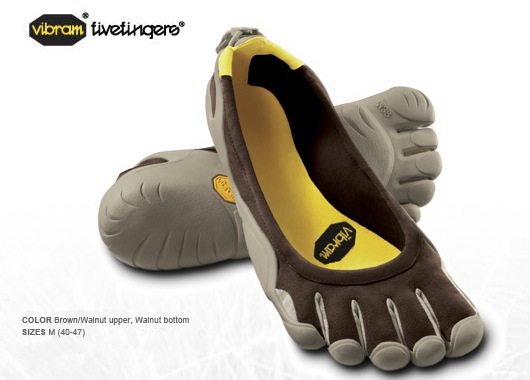
Looking for a gift idea for someone with plantar fasciitis? Or just want to give a runner a gift that will help them avoid it?  Look to the Vibram running shoe.

Vibram shoe

Read  John Biggs post about Vibram shoes at CrunchGear.com and learn all about his experience with the shoes. Then run to the nearest running store to get your own..and a pair for the runner in your life!

And, no, Working Well Resources and Working Well Massage are not affiliated with Vibram, John Biggs nor do we get any free gear for our post. (Would you trust us if we did?) We’re just happy to pass on the latest info to you, our loyal readers!

Review: Vibram Five Fingers Classic

by John Biggs

I swore I’d never wear them. We called them the Five Fingers of Suck a few years ago and I was sure they were crazy. Friends, I’m here to tell you I was wrong. And I’m sorry.

Here’s my story: I ran a marathon a few years ago. I got plantar fasciitis and couldn’t run after the marathon. I worked through that inflammation but by the time I was ready to run again I had gained thirty pounds. Wham. Shin-splints. So I was a fat former runner with leg problems. The prognosis wasn’t good.

So I tried a few things – the elliptical, weight training, losing some freaking weight – but the thing that saved me were these shoes.

Photo Gallery by Picturesurf

First, a caveat. I’m not a doctor, I’m an amateur runner and a bad one at that. Before you use these shoes, talk to a doctor. I can attest to what they did for me but I have no idea what they will do for you.

We are born to run. Heck, there’s even a book about it. Our first weapon, before fire and spears, was running. You see, animals like gazelles can run very fast for a short amount of time. They have great sprint speeds but they get tired easily. So we, as a pack predator, would get into formation and literally run animals to death. Then we’d eat them. We are good at running.

But we’re good at running barefoot. We’re not good at running in marshmallow-based shoes with padding, support, and protection. In fact, we get injured because of these shoes. There is some data that shows, in fact, that the more expensive the running shoe the worse it is for your feet and legs. I knew something was wrong when my feet would fall asleep while I was running. Something was up.

I don’t want to get into a religious argument – this is like arguing for veganism or onanism and you eventually fall into the hippie trap of equating something to “freedom” – but it makes sense. I bought the best shoes I could find for the marathon. And the shows – and the marathon – beat me down.

So I tried the Nike Free, a thinner soled shoe with separate compartments on the bottom for increased mobility. This got rid of most of my foot pain but I still had ankle pain. I ran a little in regular shoes and then read Born to Run and decided to go naked.

The thinking is this: we can run without injuries barefoot. It’s our natural mode of transportation and by wearing shoes we are weakening our bodies.

However, running barefoot in Brooklyn is a bad idea. So I ordered the Five Fingers Classic for about $75 – I bought 44 for my size 11.5 foot and they fit very well – and waited. I ran. My knees were screaming. My ankles hurt. Then, a few minutes later, all the pain was gone. I was running normally and, thanks to the light weight and comfort I could run longer than I ever could. I could run without stopping, which was a big change for me. I could run for quite a while. The only limitations were the blisters I got during the first few runs. Even those went away.

So I’m a Five Fingers convert. The shoes give your ankles a workout rather than a coddling. I felt my ankles get stronger and my feet get more resilient. I felt some of the pounds drop. I felt good.

They say we need lots of arch support but for most of our biological history we didn’t even know what an arch was let alone how to support it. While these shoes look ridiculous I’m happy to report that they work and they’re now my go-to running shoes.

Link to John Biggs  entire article here.

Where Do I Get Those Funny Looking Toe Sock Looking Shoes?

Order your pair of Vibrams shoes from their website here.

Order from Hanigs in Chicago here.

Or stop by Running Away a running store in Wicker Park located at 1753 N Damen Ave, Chicago, IL 60647. Phone: (773) 395 – 2929. Their website here.

Info on Running Barefoot (sans Vibrams) at runningbarefoot.org here.

Read Full Post »

By Barbara Russi Sarnataro
WebMD Feature
Reviewed by Louise Chang, MD

How many New Year’s Eves have you spent sipping champagne and vowing to get more fit in the coming year? And how many times have you failed to follow through?

“December 31 over a drink is too late to set goals and make promises,” says Justin Price, owner of The Biomechanics, a personal training and wellness coaching facility in San Diego, Calif.

Fall, on the other hand, is a great time to start a fitness program because “‘you’re going to create good habits for the holiday season and the upcoming winter months,” says Price.

Chris Freytag, a fitness instructor and fitness expert with Prevention magazine, agrees.

“With the change of seasons comes a renewed time to rethink and restart,” she says. “‘What’s so special about January?”

Besides, says Freytag, a mother of three, moms with school-aged kids “think of September as the new year.”

Here are 10 ways to start making the most of the season. And who knows? This year, you might be in great shape before that New Year’s Eve party rolls around.

1. Take advantage of the weather. Fall can be a treat for the senses: the crisp air, apple picking, pumpkin carving, a gorgeous canopy of fall foliage, and the crunch of leaves underfoot. These months are a great time to exercise outdoors and enjoy cooler temperatures.

“Walking, hiking and cycling are all awesome in the fall,” says Todd Durkin, MS, fitness coach and owner of Fitness Quest 10 in San Diego, Calif.

Discover park trails and take in some new scenery, whether you’re walking, biking, or in-line skating, he suggests.

In places where snow falls early, try cross country skiing or snowshoeing. Or, if you live near the beach, get out and play volleyball, throw the Frisbee around, or play a vigorous game of fetch with your dog.

“It’s a great time to do beach activities because it’s so much less crowded,” says Price.

If you’re near a lake, try kayaking or canoeing, for an excellent whole-body workout and a great change of pace.

And remember, it doesn’t have to seem like exercise to be a great workout.

“Raking leaves or doing some fall outdoor yard work is a great way to get the heart pumping, and it’s great calorie-burning,” says Freytag.

2. Think outside the box. Always wanted to learn to tap dance? Attempt to box? Master the jump rope? Ask any schoolchild: Fall is a great time to learn something new.

Many classes at gyms and elsewhere get started in the fall, so look around and see if something intrigues you.

And with the kids in school, parents have more time to check out those classes, Freytag says.

Fall is the perfect time to gain new physical skills, Price says, because you burn fewer calories when you begin a new activity (thanks to the learning curve). If you learn something new now, by next summer, you’ll have mastered the skill — and you’ll burn more calories doing it, just in time for swimsuit season.

3. Be an active TV watcher. Many people get geared up for fall premieres of their favorite television shows, says Freytag. “If you’re going to sit down and watch hours of TV, get moving,” she suggests. “Make a date with exercise and TV.”

While you watch, you can walk or run in place, do standing lunges, do tricep dips off the couch, or lift weights. During commercials, do push-ups or sit-ups. In a one-hour show, you probably have close to 20 minutes worth of commercial interruption.

4. Integrate exercise into your life. You already know the obvious suggestions: park farther away from your destination; take stairs instead of elevators; take a walk during your lunch break. Here are a few that are less obvious:

* If you’re spending the afternoon taking kids to soccer practice, instead of reading a book or visiting with another parent, “why not walk around the outside of the field while they practice?”, suggests Price. “Or (if you feel comfortable) warm up and cool down with the kids.”
* Or try “walking meetings,” like those Price and his colleagues at Biomechanics often hold. ‘”We go for a walk, we brainstorm, and we figure out who’s going to take what responsibilities,” says Price. “‘Things get achieved much more quickly,” he says, and everyone feels better for doing it.
* You can even get moving while you get motivated — for fitness or other life goals. ‘”Get some inspirational music or find a motivational talk and download it to your iPod,” suggests Durkin. Walk while you listen for 30 minutes.

5. Rejuvenate yourself. Fall is the time to rejuvenate body, mind and spirit, says Durkin. Get a massage after your run. Learn to meditate. Take an art class. Treat yourself not just with exercise but other activities that promote wellness, he says, so you can feel good physically, mentally, emotionally, and spiritually.

6. Remember the 30-day rule. “‘It takes about four weeks for the body to adapt to lifestyle changes,” says Price. That’s why people who give up on their fitness programs tend to do so within the first 30 days.

So, when the alarm goes off in the morning and it’s darker and colder, don’t roll over and hit the snooze button.

“Try to stick with a program for a month,” Price says. “After a month, behavior patterns will have adapted and it will be much easier to stick with it after that.”

7. Strive for the 3 Cs. Freytag calls commitment, convenience, and consistency “the three Cs”, and says having all three will lead to a successful fitness program.

First, exercise takes commitment. When a client complains to Freytag about a lack of time, she responds: “Tell me something I haven’t heard before. We’re all busy; that’s just part of our lives.

You have to start planning exercise, just like you do everything else,” like meetings, dinners, and getting kids to lessons and practice, she says. “Put in on the calendar, because later always turns into never.”

Convenience means choosing a gym that’s close by, or an activity you can do at home, or a time when you’re not likely to be interrupted.

Finally, there’s consistency. “I’d rather see a brand-new client work out for 10 minutes a day rather than one hour every month,” Freytag says

8. Deal with darkness. The best way to enjoy fall is to exercise outdoors. But it is getting darker earlier, and staying dark later in the morning, so be smart and safe.

“Just because it’s 6 p.m. (or a.m.) and dark doesn’t mean you can’t work out,” says Durkin. If walking or running outdoors, he says, “wear a reflective vest and carry a flashlight.”

When cycling, affix a light to your helmet or bike.

If possible, use trails or a local school track to avoid vehicle traffic. Try to work out at the same time every day, so drivers get used to seeing you.

9. Dress in layers. When exercising outside, layer your clothing. Before your body warms up, you may feel chilled, but once the blood gets pumping, you’ll feel overdressed.

These days, there’s no lack of great weather gear. Freytag and Price recommend clothing with wicking, often called “DriFit.”‘ This fabric wicks moisture away from your skin so you’re not exercising with wet fabric hanging on you.

Freytag suggests three layers: “The inner layer should be a moisture-wicking fabric, so it wicks away sweat and you’re not chilled. The second layer should be a warmth layer, and the third layer should be a protective layer (like a windbreaker or rain slicker, depending on the weather).”

“And don’t forget the sunglasses,” she warns. UV protection is important year round. Fall sun can be blinding at certain times of the day.

10. Find your motivation. “People are motivated by different things,” says Durkin. It’s important to first discover what your individual goals are, whether it’s losing weight, strengthening and toning, or preparing for a race or event, says Durkin.

But goals aren’t enough to get you there; you have to be motivated by the day-to-day workouts, he says. So choose something you’ll enjoy doing and will be likely to keep up, whether it’s walking or hiking with a friend, working with a trainer, or taking part in a “boot camp” class.

Creating a challenge for yourself will motivate you, as will encouragement and accountability, he adds. “You want to know when you’re doing a good job, and when you’re not,” says Durkin.

Remember too, that anything worth having takes work.

“Tell me something you can do three times a week for 10 minutes and be great at? It doesn’t exist,” he says. “If it was easy to be great, everybody would be great.”

Link to Barbara Russi Sarnataro’s article here

Read Full Post »

Older Posts »