Feeds:
Posts
Comments

Archive for the ‘Stress Management’ Category

By Sue Shekut, Owner, Working Well Massage, Licensed Massage Therapist, Certified Wellness Coach, ACSM Personal Trainer

I first wrote about Climate Cycle’s upcoming Solar Ride for Schools here. I asked others to participate and now it’s time to walk my own talk. I am riding myself in the 10 miles course and I am looking for sponsors! By sponsoring me you are donating to Climate Cycle and your $5, $10, $20 or more donation will go to help provide solar panels for Chicago area schools. Climate Cycle also uses your donations to help raise awareness about environmental sustainability. I am happy to be able to participate and ride my bike along Lake Michigan with many other Climate Cycle Riders. It’s fitness with good purpose!

What is the Solar Schools Ride?

Climate Cycle’s May 15th, 2010 Solar Schools Ride is a family and fan friendly fundraiser in which riders garner pledges in advance of the ride. Proceeds go to install solar energy systems in local public schools.

Cyclists select from a 4, 10, 20 or 62-mile course along picturesque Lake Michigan. All starting and end points are in downtown Chicago, with the exception of the 62-mile “metric century” course, which begins at the Indiana Dunes and ends in downtown Chicago.

A post ride celebration follows the ride. This festive event includes music, free lunches for all riders, sustainability showcases, goody bags, a raffle and kid friendly activities.

Want to Help Out But Not Ride? Sponsor Me!

Sponsor me for the Climate Cycle Ride on May 15th! OR, register for the ride yourself and join me in fitness, fun and raising money for a good cause!

Reblog this post [with Zemanta]

Read Full Post »

By Sue Shekut, Owner, Working Well Massage, Licensed Massage Therapist, Certified Wellness Coach, ACSM Personal Trainer

Do you ever listen to music at work to help keep focus? Do you have a particular artist or genre that you listen to in different moods? Dr. Ellen Weber says that research suggests many peoples’ tendencies to turn on some tunes exist because the brain rewards that behavior. Listening to music shifts your brain waves that control how neurons communicate.

Interestingly enough, it looks like people tend to respond to certain genres in different ways as well. In his book The Mozart Effect, Don Campbell conducted interviews to see how people responded across genres. According to Campbell:

Gregorian chant creates quiet in our minds and can reduce stress.

Slower Baroque music, such as Bach, Handel, Vivaldi or Corelli, can create mentally stimulating environments for creativity and new innovations.

Classical music, such as Haydn and Mozart, often improves concentration and memory when played in the background.

Romantic music, such as Schubert, Schumann, Tchaikovsky , Chopin and Liszt, enhances our senses and increases a sense of sympathy and love.

Impressionist music, such as Debussy, Faure and Ravel, can unlock dreamlike images that put us in touch with our unconscious thoughts and belief systems.

Jazz, blues, soul or calypso music can uplift and inspire us, releasing deep joy or even deep sadness, conveying wit and affirming our common humanity.

Salsa, rhumba, merengue and any form of South American music sets our hearts racing, gets us moving, both relaxing us and awakening us at the same time.

Big band, Top 40 and country music engage our emotions and comfort us.

Rock music, from Elvis Presley to the Rolling Stones, stirs passion and activity, and so can release daily tensions. Rock can also mask pain and cover up unpleasant noises. It also has the power to create dissonance, stress or physical pain if we are not in the mood for energizing.

Ambient or New Age music such as Stephen Halpern and Brian Eno has no dominant rhythm, so it elongates the sense of space and time, inducing a state of relaxed alertness.

Heavy metal and hip-hop music excites our nervous system, and sometimes leads us into acting out dynamic behavior and self-expression.

Religious and sacred music such as hymns and gospel moves us to feel grounded in the moment, and leads to deep peace and spiritual awareness. Sacred music often helps us to transcend pain.

So the next time you feel down at work, consider getting out your headphones and listening to music while you work. It might just make your day a little brighter (and more productive).

Reblog this post [with Zemanta]

Read Full Post »

MIAMI BEACH, FL - JUNE 11:  (L-R) Hector Garci...
Image by Getty Images via Daylife

By Sue Shekut, Owner, Working Well Massage, Licensed Massage Therapist, Certified Wellness Coach, ACSM Personal Trainer

Last night I enjoyed the advantages of 2010 technology. I watched an episode of the show “30 Days”  on my television downloaded from Netflix! 30 Days is a TV show is about people spending 30 days in an environment fairly different from their own. The episode I watched was about a highly stressed man that visited a Life Coach and spent 30 days doing “New Age” therapies to  reduce his reaction to stress. While some of the “therapies” were of questionable merit, many of them helped the man and he ended up becoming a calmer, happier man and building a closer relationships with his wife!

One of the things the man enjoyed, and continued to keep up after the 30 days had ended, was yoga.  More and more research is coming out about the benefits of yoga. I don’t see yoga as a New Age therapy, but then I’ve been doing yoga for about 17 years. And yoga has been around for much longer than the U.S has been a  country (as has acupuncture). As more and more Western style scientific research is done on the benefits of yoga and more people in the U.S.  incorporate it into their daily lives, yoga has become more “mainstream.”

I came across a great article from Yoga Journal on “Banishing Burnout.” In the article, author Jennifer Pirtle shares some information about current research on yoga and stress relief.  She shares some insights into how doing yoga can help you learn to react less to stressors in the workplace. I am sharing some excerpts with you below:

More Bad News About Workplace Stress

Recently, a team of researchers at the University of California at San Francisco (UCSF) found that stress may even accelerate aging at the cellular level. The study found that the blood cells of women who had spent many years caring for a child with a health condition appeared to be, genetically, about 10 years older than the cells of women whose caretaking responsibilities were less prolonged.

Although the study focused on caregivers, the findings apply to overworked employees, too. “People with other sources of life stress showed similar relationships between their levels of stress and cell aging,” says Elissa Epel, Ph.D., an assistant professor in the department of psychiatry at UCSF and the study’s lead author.

Stress itself, Epel emphasizes, is neither inherently good nor bad. Instead, how you perceive and react to it determines how it will affect your health. “In the study,” she explains, “the perception of stress was more important than whether one was under the strain of caregiving or not.”

Making your work less stressful doesn’t have to mean leaving it behind for good. (And how many of us can hope to do that, anyway?) Instead, the key is to transform your relationship to the stress so that it no longer overwhelms you. More and more people are discovering that mind-body practices like yoga, qi gong, and meditation can be hugely helpful in shifting the way they react to stress.

How Does Yoga Help With Stress?

You’re likely to feel many of yoga’s benefits the first time you step onto the mat, says Timothy McCall, M.D., an internist and Yoga Journal‘s medical editor. “When you’re doing Downward-Facing Dog, your mind is saying, ‘I want to come down now; my arms are tired,’ but if your teacher tells you to hold the asana a little longer, you find the strength to do it,” he says. “At that point, you realize that you don’t have to respond to every urge you feel. At other times, when your body says it needs to come down, it really needs to. Yoga teaches you to tune in to what your body is telling you and to act accordingly.”

With practice, this awareness will spread into other areas of your life, including your work. “As you learn to separate the urge to act from the reaction, you begin to find that something like a canceled meeting or having a last-minute project handed to you may not rattle you as much as it once did,” says McCall. “You can detect stressors—what Buddhists call the spark before the flame—earlier, then pause long enough to think, ‘Well, maybe I don’t need to respond.'”

That’s what happened for David Freda, a 41-year-old software engineer in Pasadena, California. He had practiced yoga sporadically to help him deal with job-related anxiety in the past, but after he took a new position at an investment company in 1999, he decided to get serious. “I have very high standards as an engineer. As a result, I have a pattern of getting fed up with co-workers and bolting from my jobs,” he says. “When I took this job, I decided to stick it out to see what I could change in myself. I had a strong sense that yoga could help me do that.”

“When I’m doing a challenging posture such as Revolved Triangle [Parivrtta Trikonasana], I can stay in the posture, focus on my breathing, and perhaps not push quite so hard,” he says. “That approach helps me in my job. When I’m confronting someone who is making a bad technical decision, I consider what I could say that would facilitate what I want to achieve. In the past, my emotions would have gotten the best of me, but now people are more inclined to listen and to engage. Even my boss has commented on the changes.”

Read the entire article with many more great insights into how yoga can help you learn to battle workplace and life stress here.

Reblog this post [with Zemanta]

Read Full Post »

Yoga Video Tree Pose - Vrksasana
Image by myyogaonline via Flickr

By Sue Shekut, Owner, Working Well Massage, Licensed Massage Therapist, Certified Wellness Coach, ACSM Personal Trainer

I started practicing yoga about 18 years ago. I was working at a computer all day and went to get my first professional massage. During the massage, my massage therapist lifted my arms over my head to  stretch and I thought, “Wow, I never move my arms anywhere but up to my keyboard and mouse. this arm stretching stuff feels great!” At that time I didn’t stretch much and if I did, it was my legs that I stretched, not my arms or back. She recommended yoga and I joined my first yoga class at the local YMCA.
Through the years, I’ve been able to attend many yoga classes, workshops and do my own home yoga practice. I find yoga not only helpful to my body, but is also very calming, relaxing and stress reducing. Now research shows that practicing yoga actually has a chemical effect on your brain in that it increases levels of a neurotransmitter, GABA, believed to calm the nervous system.

Researchers at Boston University School of Medicine found that for experienced yoga practitioners, brain GABA levels increase by 27% after a session of yoga. This suggests that the practice of yoga should be explored as a treatment for disorders with low GABA levels such as depression and anxiety disorders. Authors of the study conclude that future studies should compare yoga to other forms of exercise to help determine whether yoga or exercise alone can alter GABA levels.

The Study

The sample subjects of the study included of 8 yoga practitioners and 11 comparison subjects. The Yoga practitioners completed a 60-minute yoga session and comparison subjects completed a 60-minute reading session. According to Suite 101, “Magnetic resonance spectroscopic imaging conducted before and immediately after each intervention indicated that the yoga practitioners had a 27% increase in GABA levels after the yoga session but no increase after the reading session.”

According to Barry Keate of Arches, Tinninus Formulas, this ability of yoga to increase GABA also has promising applications for sufferers of tinnitus due to its abilility to increase GABA levels. In his article, “How Yoga Increases GABA Levels And Improves Tinnitus” he quotes Dr. Chris Streeter, the lead researcher of the study and a yoga practioner herself about the implications of her study:

Dr. Chris Streeter stated in a newspaper interview “I’m quite sure this is the first study that’s shown there is measurable change in a major brain neurotransmitter with a behavioral intervention such as yoga. What’s really fabulous is this is hard science that is able to clearly document neurochemical changes in the brain.”

Dr. Streeter learned that the National Institutes of Health gave a high score to her research grant proposal for a larger yoga-GABA study and hopes to begin soon. “It will be a much bigger study,” she said. “We will use yoga-naïve people to gauge how regular practice can change GABA levels. It will also include more ability to gauge the positive effects of yoga over time.”

How Do GABA Levels Affect Anxiety and Depression?

Read the excerpt which follows from Laura Owens article in Suite 101, “GABA and Yoga: Decrease Depression and Anxiety: Yoga Boosts Essential Calming Neurotransmitter in Brain”

GABA or gamma-aminobutyric acid is an amino acid made in brain cells from glutamate. It functions as an inhibitory neurotransmitter, meaning it blocks nerve impulses. Without GABA, nerve cells fire too often and too easily. GABA is especially abundant in the cerebral cortex, where thinking occurs and sensations are interpreted, (Jacob J. Schor, N.D. and Rena A. Bloom, N.D.,“GABA: Gamma-Amino Buytric Acid,” Naturopathic Clinic News. Accessed January 14, 2009.)

As one of the primary neurotransmitters, GABA is responsible for inhibitory processes. It elevates the production of alpha waves associated with feeling relaxed (without drowsiness) while boosting mental alertness. Moreover, GABA lowers beta waves that contribute to a state of nervousness, racing thoughts and hyperactivity.

Research, including one study published in the Trends of Pharmacology Science indicate that a dysfunction in the GABA system can contribute to anxiety and depression. (Cryan JF, Kaupmann K, ” ‘B’ happy!: A role for GABA (B) receptors in anxiety and depression.” Trends Pharmacology Science, 2005 January 26 (1):36-43.

Read more at Suite101: GABA and Yoga: Decrease Depression and Anxiety: Yoga Boosts Essential Calming Neurotransmitter in Brain

For an abstract of the actual research on Yoga and GABA, click here.

How Does GABA Effect Tinnitus?

Barry Keates explores research on GABA and tinnitus. Read an excerpt from his article, “How Yoga Increases GABA Levels And Improves Tinnitus” below.

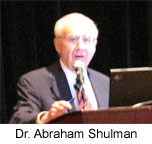
Dr. Andrew Shulman

In 2002, Drs. Abraham Shulman, Arnold Strashun and Barbara Goldstein, from the Martha Entemann Tinnitus Research Center, published a paper describing the common central pathway through the brain through which all tinnitus symptoms must travel. (Shulman A, Strashun A, Goldstein B. GABA-Benzodiazepine-Chloride Receptor-Targeted Therapy for Tinnitus Control. Int Tinnitus J. 2002;8(1):30-6.) This pathway, they determined, is the chemical receptor called gamma-aminobutyric acid-benzodiazepine-chloride receptor (GABA/BZ/Cl) in the medial temporal lobe system. The researchers stated the function of the GABA receptor is to inhibit central nervous system synapse activity.

Deficiency in the GABA receptor is directly related to the worsening of tinnitus, which is marked by increased emotional difficulty, anxiety, stress, depression and fear. Impairment of GABA function also leads to convulsions, which provides clinical support for the concept that tinnitus is an epileptic-like auditory phenomenon.

Read Barry Keates entire article here.

Reblog this post [with Zemanta]

Read Full Post »

By Sue Shekut, Owner, Working Well Massage, Licensed Massage Therapist, Certified Wellness Coach, ACSM Personal Trainer

Hiking in Palos Forest Preserves in February 2010

Don’t let the snow and cold keep you from exercising outdoors. With the right gear and proper supplies, you can still hike and enjoy the great outdoors!  And the Chicago area forest preserves are open all winter to help keep you on track.

I’ve had the good fortune to get out a few times in the past month and hike in the Palos area forest preserves with my partner, Jay. We both have snow shoes and poles but it’s been too slushy for the snowshoes. So we hike it and use the polls for an even better cardio workout. Don’t get me wrong, the gym is still a great place to go in winter for cardio and strength training. But being outdoors gives your mind a chance to get away from televisions, loud music and…crowds.

Moss covered rocks peeping through the snow heralding Spring!

We hike in waterproof boots and wear warm down coats. But as the hike goes on, we end up taking off our gloves and peeling off a layer as our bodies warm up.  It’s important to bring snacks to keep our blood sugar up and water for hydration. Even though it’s been relatively milder temperatures, we still need fluid and energy for the ups and downs of the ravines we travel.

If you feel a need to “get away from it all” but don’t have the time or money to fly somewhere, try the forest preserves in winter and see if a few hours of hiking in the woods doesn’t make you feel like you did indeed, “get way.”

Palos Ravines, the trail to the left, a nearly frozen creek to the right

For a map of the hiking trails in Palos Forest Preserves Trail System, click here.

Great Hiking Gear for Winter Hikes

• Columbia Sportswear Woman’s Moonlight Mover pant click here.

• Yukon Charlies 3 Section Adjustable Hiking/Snowshoe Poles click here.
• Pacific Outdoors Optima 10-by-32 Snowshoes click here.

Reblog this post [with Zemanta]

Read Full Post »

By Sue Shekut, Owner, Working Well Massage, Licensed Massage Therapist, Certified Wellness Coach, ACSM Personal Trainer

Deep breathing from Anxiety Therapy Online

Non smokers don’t get it. I’ve heard nonsmokers say, “Why don’t you just quit?” Or “How can any intelligent person smoke?” (Knowing what we know about smoking and health.) Smoking addiction isn’t a rational decision. People don’t get up in the morning and say, “Gee, I think I will fill my lungs with carcinogens.” Like any addiction, smoking is a habit and a physical dependence on a powerful chemical substance. The addiction to nicotine can override people’s intellectual beliefs about health. If you’ve ever had the stomach flu or persistent diarrhea, you know what it’s like to have an overwhelming urge you can’t control. Being addicted to smoking is a similar situation. It gives people strong urges that are very difficult to deny or control.

Read more from the American Cancer Society about nicotine withdrawal:

Nicotine withdrawal symptoms can lead quitters back to smoking

When smokers try to cut back or quit, the lack of nicotine leads to withdrawal symptoms. Withdrawal is both physical and mental. Physically, the body reacts to the absence of nicotine. Mentally, the smoker is faced with giving up a habit, which calls for a major change in behavior. Both the physical and mental factors must be addressed for the quitting process to work.

Those who have smoked regularly for a few weeks or longer, and suddenly stop using tobacco or greatly reduce the amount smoked, will have withdrawal symptoms. Symptoms usually start within a few hours of the last cigarette and peak about 2 to 3 days later when most of the nicotine and its by-products are out of the body. Withdrawal symptoms can last for a few days to up to several weeks. They will get better every day that you stay smoke-free.

Withdrawal symptoms can include any of the following:

  • dizziness (which may only last 1 to 2 days after quitting)
  • depression
  • feelings of frustration, impatience, and anger
  • anxiety
  • irritability
  • sleep disturbances, including having trouble falling asleep and staying asleep, and having bad dreams or even nightmares
  • trouble concentrating
  • restlessness or boredom
  • headaches
  • tiredness
  • increased appetite
  • weight gain
  • constipation and gas
  • cough, dry mouth, sore throat, and nasal drip
  • chest tightness

These symptoms can lead the smoker to start smoking cigarettes again to boost blood levels of nicotine back to a level where there are no symptoms. (For information on coping with withdrawal, see the section, “How to quit.”)

Smoking also makes your body get rid of some drugs faster than usual. When you quit smoking, it may change the way your body handles medicines. Ask your doctor if any medicines you take regularly need to be checked or changed after you quit.

Dealing with withdrawal

Withdrawal from nicotine has 2 parts — the physical and the mental. The physical symptoms, while annoying, are not life-threatening. Nicotine replacement and other medicines can help reduce many of these physical symptoms. Most smokers find that the bigger challenge is the mental part of quitting.

If you have been smoking for any length of time, smoking has become linked with nearly everything you do — waking up in the morning, eating, reading, watching TV, and drinking coffee, for example. It will take time to “un-link” smoking from these activities. This is why, even if you are using a nicotine replacement, you may still have strong urges to smoke.

Rationalizations are sneaky

One way to overcome these urges or cravings is to notice and identify rationalizations as they come up. A rationalization is a mistaken thought that seems to make sense to you at the time, but the thought is not based on reality. If you choose to believe in such a thought, it can serve as a way to justify smoking. If you have tried to quit before, you will probably recognize many of these common rationalizations:

  • I’ll just have one to get through this rough spot.
  • Today is not a good day. I’ll quit tomorrow.
  • It’s my only vice.
  • How bad is smoking, really? Uncle Harry smoked all his life and he lived to be over 90.
  • Air pollution is probably just as bad.
  • You’ve got to die of something.
  • Life is no fun without smoking.

You probably can add more to the list. As you go through the first few days without smoking, write down any rationalizations as they come up and recognize them for what they are: messages that can trick you into going back to smoking. Look out for them, because they always show up when you’re trying to quit. After you write down the idea, let it go from your mind. Be ready with a distraction, a plan of action, and other ways to re-direct your thoughts to something else.

Use the ideas below to help you stay committed to quitting.

Avoid temptation: Stay away from people and places where you are tempted to smoke. Later on you will be able to handle these with more confidence.

Change your habits: Switch to juices or water instead of alcohol or coffee. Take a different route to work. Take a brisk walk instead of a coffee break.

Alternatives: Use substitutes you can put in your mouth such as sugarless gum or hard candy, raw vegetables such as carrot sticks, or sunflower seeds. Some people chew on a coffee stirrer or a straw.

Activities:
Do something to reduce your stress. Exercise or do hobbies that keep your hands busy, such as needlework or woodworking, which can help distract you from the urge to smoke. Take a hot bath, exercise, or read a book.

Deep breathing: When you were smoking, you breathed deeply as you inhaled the smoke. When the urge strikes now, breathe deeply and picture your lungs filling with fresh, clean air. Remind yourself of your reasons for quitting and the benefits you’ll gain as an ex-smoker.

Delay: If you feel that you are about to light up, delay. Tell yourself you must wait at least 10 minutes. Often this simple trick will allow you to move beyond the strong urge to smoke.

Reward yourself

What you’re doing is not easy, so you deserve a reward. Put the money you would have spent on tobacco in a jar every day and then buy yourself a weekly treat. Buy a magazine or book, go out to eat, develop a new hobby, or take a yoga class. Or save the money for a major purchase. You can also reward yourself in ways that don’t cost money: visit a park, go to the library, and check local news listings for museums, community centers, and colleges that have free classes, exhibits, films, and other things to do.

Read more at the American Cancer Society’s website here.

Notice that many of the strategies for handing nicotine withdrawal are the same strategies people use for stress management!

Reblog this post [with Zemanta]

Read Full Post »

By Sue Shekut, Owner, Working Well Massage, Licensed Massage Therapist, Certified Wellness Coach, ACSM Personal Trainer

I’ve been performing chair massages in the Chicago area for the past 10 years or so. In 2001, I opened my first chair massage station in Whole Foods Gold Coast. Since then I’ve opened several chair massage stations in and around the Chicago area. As a massage therapist and former corporate trainer and writer, I had a number of different “bosses” and I’ve learned from each of them.  I’ve learned to select good team members and treat them with respect, provide them with good working conditions and give them the opportunity to promote themselves.

The Working Well Massage chair stations provide an excellent opportunity for good massage therapists to meet new clients. The in store massage stations also give massage clients a chance to meet and sample the work of a variety of talented massage therapists at a reasonable rate.

Who are these talented massage therapists at Working Well chair massage stations?

In the coming weeks, I will be introducing some of them to you. This week, I am introducing Dennis Frymire, a recent addition to our Lincoln Park team.

Dennis gives  a really powerful deep tissue massage and can also scale back his pressure to give a nice relaxing massage. For those that want deep pressure and a skilled therapeutic massage, I highly recommend Dennis!

Dennis Frymire, Licensed Massage Therapist, Actor

I interviewed Dennis about his interest in massage, his style and his education. Read on for Dennis’ story:

Dennis Frymire

I came into a massage therapy as part of a lifestyle overhaul I realized I needed after my mom passed away in March of 2008. My dad passed away in 2002, and both of them leaving us at such relatively young ages made me realize that I needed make some changes in how I was living, and massage therapy came along with that. At the time I was considering different massage schools, a co-worker in my office had just graduated from The Soma Institute, and she highly recommended the school.

Having trained at Soma, I approach massage more from a clinical and therapeutic aspect. I give a great wellness massage, but I love helping clients with specific knots and stresses that they need to have worked out. One of the reasons I love giving chair massages is that they often have that specific focus on a problem area for the client. As I continue to grow and hone my skills, I am very interested in exploring sports massage further.

I currently massage with Working Well Massage at the Lincoln Park location at 1550 N. Kingsbury.
My hours at the chair massage station are:

Thursdays from 12 noon to 4 p.m.
Saturdays from 12 noon to 4 p.m.

I also give chair massages to club members at West Loop Athletic Club. I also make outcalls to private clients under my own business, Better Life Massage & Bodywork.

I am also an actor, director, and performer around Chicago. As part of a way of giving back to the Chicago theater community, I offer my massage services to fellow actors and performers at a heavily discounted rate.

Note: Although Dennis looks very serious in his professional headshot, he’s a very laid back, easy-going guy. If you meet him in person, he will likely be smiling! Stop by and try a massage with Dennis on Thursdays or Saturdays from 12 noon to 4p.m. at the Lincoln Park chair massage location at 1550 N. Kingsbury.

Reblog this post [with Zemanta]

Read Full Post »

A cigarette butt, lying in dirty snow.
Image via Wikipedia

By Sue Shekut, Owner, Working Well Massage, Licensed Massage Therapist, Certified Wellness Coach, ACSM Personal Trainer

Recently a client of mine quit smoking. He’s using a combination of tools to help him stay quit and I have to say I am so proud of his progress so far!   When I quit smoking about 17 years ago, I found that the negative press on smoking wasn’t motivation enough. Quitting smoking is one of the toughest things I’ve ever done. Knowing that I could get lung cancer some far off date in the future should have scared me enough to quit, but frankly it didn’t. I could rationalize my smoking, tell myself I had plenty of time to quit before my health was impacted. I could tell myself that I’d deal with the consequences later. To give me the mental courage to quit I needed something to hang onto. I needed reasons why quitting would make my life better. Strategies for coping with life to replace the coping crutch of smoking.

The reasons I quite smoking were many. Remembering them helped me cope with withdrawal symptoms and keep me away from smoking.
1. I didn’t want to hurt my pets. They could get burned from accidents with cigarettes. It also hurt their little lungs.
2. I got mad when I was winded after walking up a flight of stairs. I wanted to be in better shape. Smoking was hurting my cardiovascular fitness.
3. Smoking wasn’t making me any thinner. I had quit before, gained weight and started smoking again to take the weight off. Only it didn’t work.
4. Smoking made me less desirable as an employee and as a partner. I was single and wanted to look for a new job when I quit. Smoking was holding me back on both counts.
5. I wanted my hair and skin to smell cleaner.
6. I wanted to stop the rapid aging process of my skin. Smoking made me look 10 years older!
7. Cigarettes were getting expensive. Back when I quit they were up to about $2.00 a pack. Now they cost even more. At about $8/pack x 30 days=$240…that’s the price of a car payment!
8. Smoking was no longer “cool.” Being a smoker made me feel socially alienated.

What are/were your reasons for quitting?

The American Cancer Society lists more great reasons to help motivate you to quit smoking. Read on to find out what they are!

When smokers quit — What are the benefits over time?

20 minutes after quitting: Your heart rate and blood pressure drops.

(Mahmud A, Feely J. Effect of Smoking on Arterial Stiffness and Pulse Pressure Amplification. Hypertension. 2003;41:183.)

12 hours after quitting: The carbon monoxide level in your blood drops to normal.

(U.S. Surgeon General’s Report, 1988, p. 202)

2 weeks to 3 months after quitting: Your circulation improves and your lung function increases.

(U.S. Surgeon General’s Report, 1990, pp. 193, 194, 196, 285, 323)

1 to 9 months after quitting: Coughing and shortness of breath decrease; cilia (tiny hair-like structures that move mucus out of the lungs) regain normal function in the lungs, increasing the ability to handle mucus, clean the lungs, and reduce the risk of infection.

(U.S. Surgeon General’s Report, 1990, pp. 285-287, 304)

1 year after quitting: The excess risk of coronary heart disease is half that of a smoker’s.

(U.S. Surgeon General’s Report, 1990, p. vi)

5 years after quitting: Your stroke risk is reduced to that of a non-smoker 5 to 15 years after quitting.

(U.S. Surgeon General’s Report, 1990, p. vi)

10 years after quitting: The lung cancer death rate is about half that of a person who continues smoking. The risk of cancer of the mouth, throat, esophagus, bladder, cervix, and pancreas decrease, too.

(U.S. Surgeon General’s Report, 1990, pp. vi, 131, 148, 152, 155, 164, 166)

15 years after quitting: The risk of coronary heart disease is the same as a non-smoker’s.

(U.S. Surgeon General’s Report, 1990, p. vi)

Immediate rewards of quitting

Kicking the tobacco habit offers some benefits that you’ll notice right away and some that will develop over time. These rewards can improve your day-to-day life a great deal:

  • your breath smells better
  • stained teeth get whiter
  • bad smelling clothes and hair go away
  • your yellow fingers and fingernails disappear
  • food tastes better
  • your sense of smell returns to normal
  • everyday activities no longer leave you out of breath (such as climbing stairs or light housework)

Cost

The prospect of better health is a major reason for quitting, but there are other reasons, too. Smoking is expensive. It isn’t hard to figure out how much you spend on smoking: multiply how much money you spend on tobacco every day by 365 (days per year). The amount may surprise you. Now multiply that by the number of years you have been using tobacco and that amount will probably shock you.

Multiply the cost per year by 10 (for the next 10 years) and ask yourself what you would rather do with that much money.

And this doesn’t include other possible costs, such as higher costs for health and life insurance, and likely health care costs due to tobacco-related problems.
Social acceptance
Smoking is less socially acceptable now than ever.

Today, almost all workplaces have some type of smoking rules. Some employers even prefer to hire non-smokers. Studies show smoking employees cost businesses more because they are out sick more. Employees who are ill more often than others can raise an employer’s need for costly short-term replacement workers. They can increase insurance costs both for other employees and for the employer, who often pays part of the workers’ insurance premiums. Smokers in a building also can increase the maintenance costs of keeping odors down, since residue from cigarette smoke clings to carpets, drapes, and other fabrics.

Landlords may choose not to rent to smokers since maintenance costs and insurance rates may rise when smokers live in buildings.

Friends may ask you not to smoke in their homes or cars. Public buildings, concerts, and even sporting events are largely smoke-free. And more and more communities are restricting smoking in all public places, including restaurants and bars. Like it or not, finding a place to smoke can be a hassle.

Smokers may also find their prospects for dating or romantic involvement, including marriage, are largely limited to other smokers, who make up less than 21% of the adult population.

Health of others
Smoking not only harms your health but it hurts the health of those around you. Exposure to secondhand smoke (also called environmental tobacco smoke or passive smoking) includes exhaled smoke as well as smoke from burning cigarettes.

Studies have shown that secondhand smoke causes thousands of deaths each year from lung cancer and heart disease in healthy non-smokers.

If a mother smokes, there is a higher risk of her baby developing asthma in childhood, especially if she smoked while she was pregnant. Smoking is also linked to sudden infant death syndrome (SIDS) and low-birth weight infants. Babies and children raised in a household where there is smoking have more ear infections, colds, bronchitis, and other lung and breathing problems than children in non-smoking families. Secondhand smoke can also cause eye irritation, headaches, nausea, and dizziness.
Setting an example
If you have children, you probably want to set a good example for them. When asked, nearly all smokers say they don’t want their children to smoke. But children whose parents smoke are more likely to start smoking themselves. You can become a good role model for them by quitting now.

Read more at the American Cancer Society website here.

How to Quit

Government Resources from the CDC website here.

Pathways to Freedom
Pathways to Freedom

Reblog this post [with Zemanta]

Read Full Post »

A 30 kHz bright light therapy lamp (Innosol Ro...
Image via Wikipedia

By Sue Shekut, Owner, Working Well Massage, Licensed Massage Therapists, Certified Wellness Coach, ACSM Personal Trainer

Lately everyone I talk to is feeling the effects of winter. In Chicago we’ve had little to no sunshine, lots of cold weather and snow, snow, snow. Crankiness, irritability, more frequent colds and flues result.  But for some people, the winter blues may be more serious, they may have Seasonal Affective Disorder (also called SAD).

According to the MayoClinic, SAD is a an actual medical disorder: Seasonal affective disorder  is a type of depression that occurs at the same time every year. If you’re like most people with seasonal affective disorder, your symptoms start in the fall and may continue into the winter months, sapping your energy and making you feel moody.

What Are the Symptoms of SAD?

Seasonal affective disorder is a cyclic, seasonal condition. This means that signs and symptoms come back and go away at the same time every year. Usually, seasonal affective disorder symptoms appear during late fall or early winter and go away during the sunnier days of spring and summer. Some people have the opposite pattern and become depressed with the onset of spring or summer. In either case, problems may start out mild and become more severe as the season progresses.

Fall and winter seasonal affective disorder (winter depression)
Winter-onset seasonal affective disorder symptoms include:

  • Depression
  • Hopelessness
  • Anxiety
  • Loss of energy
  • Social withdrawal
  • Oversleeping
  • Loss of interest in activities you once enjoyed
  • Appetite changes, especially a craving for foods high in carbohydrates
  • Weight gain
  • Difficulty concentrating and processing information

What Causes SAD?

The specific cause of seasonal affective disorder remains unknown. It’s likely, as with many mental health conditions, that genetics, age and, perhaps most importantly, your body’s natural chemical makeup all play a role in developing the condition. A few specific factors that may come into play include:

  • Your biological clock (circadian rhythm). The reduced level of sunlight in fall and winter may disrupt your body’s internal clock, which lets you know when you should sleep or be awake. This disruption of your circadian rhythm may lead to feelings of depression.
  • Melatonin levels. The change in season can disrupt the balance of the natural hormone melatonin, which plays a role in sleep patterns and mood. Talk to your doctor to see whether taking melatonin supplements is a good option.
  • Serotonin levels. A drop in serotonin, a brain chemical (neurotransmitter) that affects mood, might play a role in seasonal affective disorder. Reduced sunlight can cause a drop in serotonin, perhaps leading to depression.

How Do I Know if I Have SAD or Just Hate Winter?

To help diagnose seasonal affective disorder, your doctor or mental health provider will do a thorough evaluation, which generally includes:

  • Detailed questions. Your doctor or mental health provider may ask about your mood, seasonal changes in your thoughts and behavior, your lifestyle and social situation, and sleeping and eating patterns, for example. You may also fill out psychological questionnaires.
  • Physical exam. Your doctor or mental health provider may do a physical examination to check for any underlying physical issues that could be linked to your depression.
  • Medical tests. There’s no medical test for seasonal affective disorder, but if your doctor suspects a physical condition may be causing or worsening your depression, you may need blood tests or other tests to rule out an underlying problem.

Seasonal affective disorder is considered a subtype of depression or bipolar disorder. Even with a thorough evaluation, it can sometimes be difficult for your doctor or mental health provider to diagnose seasonal affective disorder because other types of depression or mental health conditions may mimic seasonal affective disorder.

How Can I Treat My SAD?

Treatment for seasonal affective disorder may include light therapy, medications and psychotherapy.

Light therapy
In light therapy, also called phototherapy, you sit a few feet from a specialized light therapy box so that you’re exposed to bright light. Light therapy mimics outdoor light and appears to cause a change in brain chemicals linked to mood. This treatment is easy to use and seems to have few side effects.

Although light therapy is widely used and appears to be helpful, it isn’t clear how light therapy works and how effective it is in treating seasonal affective disorder. Before you purchase a light therapy box or consider light therapy, talk to your doctor or mental health provider to make sure it’s a good idea and to make sure you’re getting a high-quality light therapy box.

Medications
Some people with seasonal affective disorder benefit from treatment with antidepressants, especially if symptoms are severe. Medications commonly used to treat seasonal affective disorder include:
• Bupropion. An extended-release version of the antidepressant bupropion (Wellbutrin XL) may help prevent depressive episodes in people with a history of seasonal affective disorder.
• Other antidepressants. Antidepressants commonly used to treat seasonal affective disorder include paroxetine (Paxil), sertraline (Zoloft), fluoxetine (Prozac, Sarafem) and venlafaxine (Effexor)

Psychotherapy
Psychotherapy is another option to treat seasonal affective disorder. Although seasonal affective disorder is thought to be related to biochemical processes, your mood and behavior also can add to symptoms. Psychotherapy can help you identify and change negative thoughts and behaviors that may be making you feel worse. You can also learn healthy ways to cope with seasonal affective disorder and manage stress.

Do It Yourself Treatments for SAD

  • Make your environment sunnier and brighter. Open blinds, add skylights and trim tree branches that block sunlight. Sit closer to bright windows while at home or in the office.
  • Get outside. Take a long walk, eat lunch at a nearby park, or simply sit on a bench and soak up the sun. Even on cold or cloudy days, outdoor light can help — especially if you spend some time outside within two hours of getting up in the morning.
  • Exercise regularly. Physical exercise helps relieve stress and anxiety, both of which can increase seasonal affective disorder symptoms. Being more fit can make you feel better about yourself, too, which can lift your mood.

Mind-body therapies that may help relieve depression symptoms include:

  • Acupuncture
  • Yoga
  • Meditation
  • Guided imagery
  • Massage therapy

Read the entire article at MayoClinics’ website here.

Reblog this post [with Zemanta]

Read Full Post »

Happy Valentines Day
Image by blmurch via Flickr

By Sue Shekut, Owner, Working Well Massage, Licensed Massage Therapists, Certified Wellness Coach, ACSM Personal Trainer
Valentine’s Day is a day when couples give each other cards, flowers and candies to show their love. It’s also a day that many of my singles bemoan their lack of a romantic partner.

Instead of making Valentine’s Day a day to sulk about and envy romantic couples, friends of mine and I decided to make it a day for giving to others. We bought a bunch of pink carnations and a friend and drove around the city, looking for lonely people to give flowers to. We gave some to an old woman on a park bench, to single moms with strollers, to a workman repairing the street, to a homeless man. Giving away the flowers made us feel good and hopefully brightened the day of some people that may not have had anyone else showering them with affection.

Valentine’s Day is a day that reminds us to share our affection for all the loves in our lives, including parents, children, friends and pets!  Why? Because there are health benefits to forming social bonds and sharing affection. According to Sherry Rauh of WebMD Health News in her article “10 Surprising Health Benefits of Love, some of the benefits include lower blood pressure, fewer colds, and better stress management. Read on for an excerpt of Sherry’s article:

Humans are wired for connection, and when we cultivate good relationships, the rewards are immense. But we’re not necessarily talking about spine-tingling romance.

“There’s no evidence that the intense, passionate stage of a new romance is beneficial to health,” says Harry Reis, PhD, co-editor of the Encyclopedia of Human Relationships. “People who fall in love say it feels wonderful and agonizing at the same time.” All those ups and downs can be a source of stress.

It takes a calmer, more stable form of love to yield clear health benefits. “There is very nice evidence that people who participate in satisfying, long-term relationships fare better on a whole variety of health measures,” Reis tells WebMD.

Most of the research in this area centers on marriage, but Reis believes many of the perks extend to other close relationships — for example, with a partner, parent, or friend. The key is to “feel connected to other people, feel respected and valued by other people, and feel a sense of belonging,” he says. Here are 10 research-backed ways that love and health are linked:

1. Fewer Doctor’s Visits

The Health and Human Services Department reviewed a bounty of studies on marriage and health. One of the report’s most striking findings is that married people have fewer doctor’s visits and shorter average hospital stays.

“Nobody quite knows why loving relationships are good for health,” Reis says. “The best logic for this is that human beings have been crafted by evolution to live in closely knit social groups. When that is not happening, the biological systems … get overwhelmed.”

2. Less Depression & Substance Abuse

According to the Health and Human Services report, getting married and staying married reduces depression in both men and women. This finding is not surprising, Reis says, because social isolation is clearly linked to higher rates of depression. What’s interesting is that marriage also contributes to a decline in heavy drinking and drug abuse, especially among young adults.

3. Lower Blood Pressure

A happy marriage is good for your blood pressure. That’s the conclusion of a study in the Annals of Behavioral Medicine. Researchers found happily married people had the best blood pressure, followed by singles. Unhappily married participants fared the worst.

“It’s marital quality and not the fact of marriage that makes a difference,” Reis tells WebMD. This supports the idea that other positive relationships can have similar benefits. In fact, singles with a strong social network also did well in the blood pressure study, though not as well as happily married people.

4. Less Anxiety

When it comes to anxiety, a loving, stable relationship is superior to new romance. Researchers at the State University of New York at Stony Brook used functional MRI (fMRI) scans to look at the brains of people in love. They compared passionate new couples with strongly connected long-term couples. Both groups showed activation in a part of the brain associated with intense love.

5. Natural Pain Control

The fMRI study reveals another big perk for long-term couples — more activation in the part of the brain that keeps pain under control. A CDC report complements this finding. In a study of more than 127,000 adults, married people were less likely to complain of headaches and back pain.

6. Better Stress Management

If love helps people cope with pain, what about other types of stress? Aron says there is evidence of a link between social support and stress management. “If you’re facing a stressor and you’ve got the support of someone who loves you, you can cope better,” he tells WebMD.

7. Fewer Colds

We’ve seen that loving relationships can reduce stress, anxiety, and depression — a fact that may give the immune system a boost. Researchers at Carnegie Mellon University found that people who exhibit positive emotions are less likely to get sick after exposure to cold or flu viruses. The study, published in Psychosomatic Medicine, compared people who were happy and calm with those who appeared anxious, hostile, or depressed.

8. Faster Healing

The power of a positive relationship may make flesh wounds heal faster. Researchers at Ohio State University Medical Center gave married couples blister wounds. The wounds healed nearly twice as fast in spouses who interacted warmly compared with those who demonstrated a lot of hostility toward each other. The study was published in the Archives of General Psychiatry.

9. Longer Life

A growing body of research indicates that married people live longer. One of the largest studies examines the effect of marriage on mortality during an eight-year period in the 1990s. Using data from the National Health Interview Survey, researchers found that people who had never been married were 58% more likely to die than married people.

Marriage protects against death by warding off feelings of isolation. “Loneliness is associated with all-cause mortality — dying for any reason,” Reis says. In other words, married people live longer because they feel loved and connected.

10. Happier Life

It may seem obvious that one of love’s greatest benefits is joy. But research is just beginning to reveal how strong this link can be. A study in the Journal of Family Psychology shows happiness depends more on the quality of family relationships than on the level of income. And so we have scientific evidence that, at least in some ways, the power of love trumps the power of money.

Nurture Your Relationships

To foster a loving relationship that yields concrete benefits, Aron offers four tips:

  • If you are depressed or anxious, get treatment.
  • Brush up on communication skills and learn to handle conflict.
  • Do things that are challenging and exciting with your loved one on a regular basis.
  • Celebrate each other’s successes.

To read the entire article at WebMD, click here.

For a bit of history of Valentine’s Day check out this site, History Made Everyday, here.

Reblog this post [with Zemanta]

Read Full Post »

« Newer Posts - Older Posts »