Feeds:
Posts
Comments

Archive for the ‘Stress Management’ Category

By Sue Shekut, Owner, Working Well Massage, Licensed Massage Therapist, Certified Wellness Coach, ACSM Personal Trainer


Back in 2010, Backpacker Magazine had a feature that is fantastic for my clients and readers that are in a new town or traveling to a new locale. It was a trip search feature that lets you find hiking trails near you by zip code.

EDIT as of 5-25-17, this feature no longer works. Instead, Backpacker, com allows you to search for trips by state. It is only available for some states, however. Check the link here.

For trails in the Chicago area specifically, Backpacker now this this link available here.

Enhanced by Zemanta

Read Full Post »
By Sue Shekut, Owner, Working Well Massage, Licensed Massage Therapist, Certified Wellness Coach, ACSM Personal Trainer

When I talk to clients with children looking for a place to take them for a summer vacation and when I talk to young clients looking for a challenging way to spend a few days, I know there are a lot of options for travel this summer. Wisconsin may not stand out as a big destination, especially for those born or raised in the West Coast. But fear not, the Midwest is not all flat and boring.  Aside from Starved Rock and Devil’s Lake, Northern Wisconsin has a lot to offer the outdoor enthusiast.

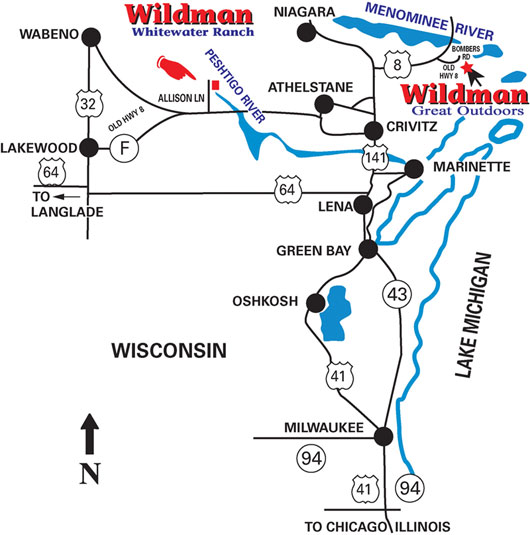
This past Spring when I attended the Adventure Travel Expo, I stopped by the  booth of Wildman Ranch.  The representatives there were super friendly and a little…wild. They had a white water raft in their booth and one of the gentleman agreed to pose in their raft!

Wildman Ranch Booth at Adventure Travel Expo. Image by Sue Shekut

What can you do at Wilman Ranch?

Be a wild man or wild woman. Or even a wild family!

• Wildman Whitewater Ranch is an outdoor adventure resort and whitewater rafting center in the Midwest.

• The ranch offers whitewater rafting trips down the scenic Peshtigo and Menominee Rivers in Wisconsin near the Michigan border.

• Challenge yourself on their 60-ft tall High Ropes Course and adrenalin-pumping Giant Swing.

• Explore the Northwoods wilderness on an ATV Trail Tours and, in the winter, on a Snowmobile Tours.

• Scale the terrain of the Rock Dam Gorge with a supervised Rock Climbing and Rappelling adventures.

• Team up with your friends or family in an exciting afternoon of Wildman Paintball Pursuit.

If you are feeling mellow, try out the “Lazy River” Tubing, Lake Touring in a Sea Kayak, or a round of golf on the Wildman USGA Golf Course.

Wildman ranch also provides campsites and cabins nestled among towering hemlock trees along the river’s edge just beneath the famous Horse Race Rapid of the Peshtigo River, the longest stretch of whitewater on the entire river.

Rates for rafting run from $32 for an adult up to $54 depending on the rafting course you select. Children rates run less. Click here for rates on all Wildman activities.

Wild Man Ranch is located just north of Door County,  4.5 hours from Chicago.

Enhanced by Zemanta

Read Full Post »

By Sue Shekut, Owner, Working Well Massage, Licensed Massage Therapist, Wellness Coach, ACSM Personal Trainer

This May we traveled to Cashiers, North Carolina to scout for locations for future seminars and group trips. One of my clients had told me to travel to Cashiers versus Asheville, NC for great hiking and a more outdoorsy experience. He was absolutely right! I found a great Inn on Trip Advisor. (My favorite travel site. If you don’t know about it, check it out! Similar to Yelp, but for travel, Trip Advisor provides user-generated reviews of hotels, cities, attractions, national parks, etc.)

View from top of Glen Falls, one of 17 area waterfalls near Cashiers, NC. Image by Sue Shekut

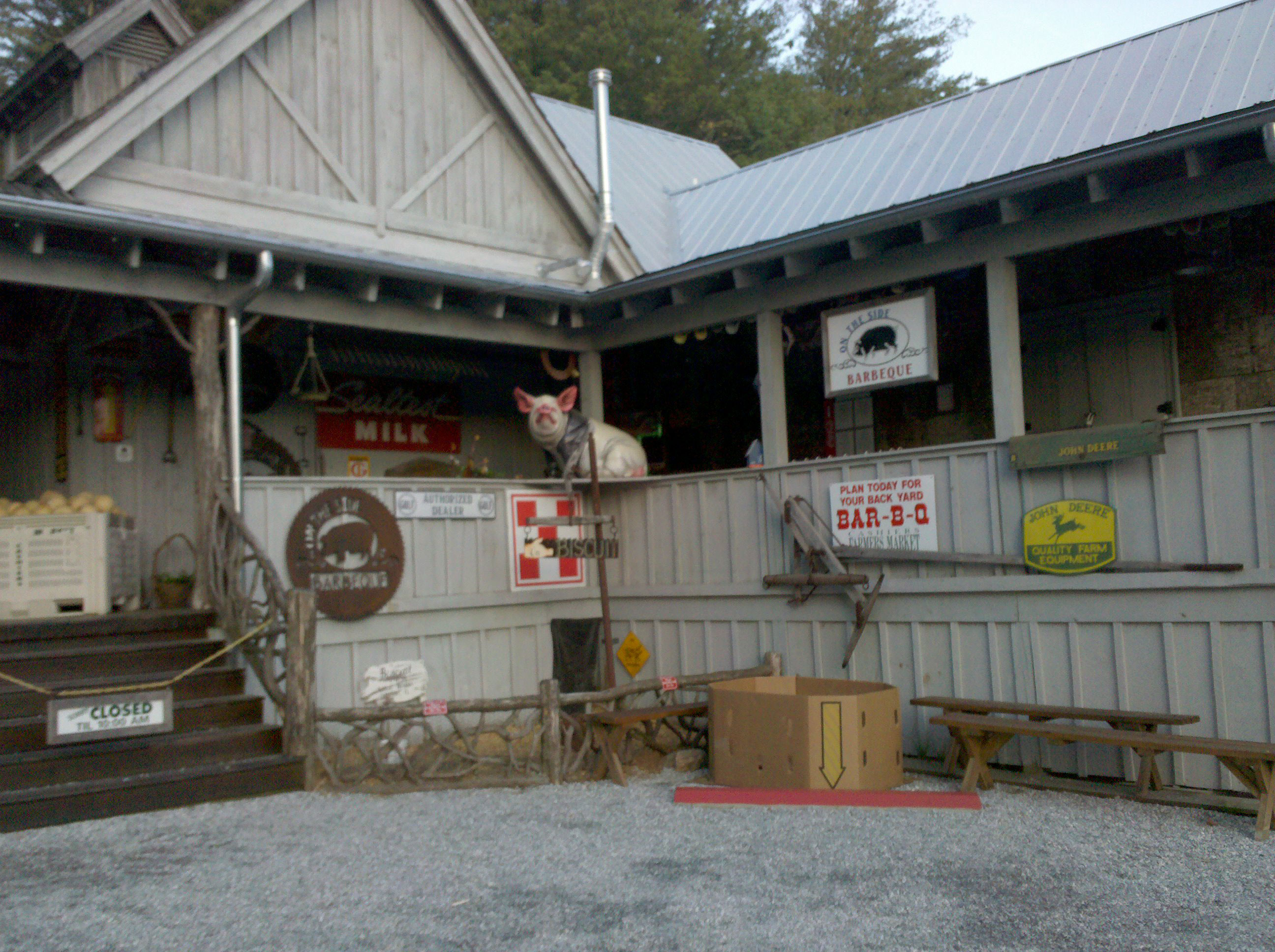
We stayed at the Laurelwood Mountain Inn, which is a sweet hotel sitting in the middle of beautiful downtown Cashiers!  “Downtown” Cashiers consists of the Inn, a gas station, a number of restaurants (from the BBQ at the farmers market store to the high-end Italian Restaurant, Horacio’s, to Bucks Coffee House with free WI-FI). There are also some antique shops and other small businesses but it’s mainly a two street town (at the junction of highways 64 and 107).

Farmer's Market in Beautiful Downtown Cashiers, NC, Image by Sue Shekut

The biggest find and a great surprise to us, was that there is a hiking store, Highland Hiker, just 1 block away from Laurelwood Mountain Inn. For a small “town” in the middle of the mountains, it was a shock to find such a large well equipped hiking store. The shop keepers we met were all avid hikers and gave us great service in helping us find new camel backs and hiking gear for our day hikes in the area.

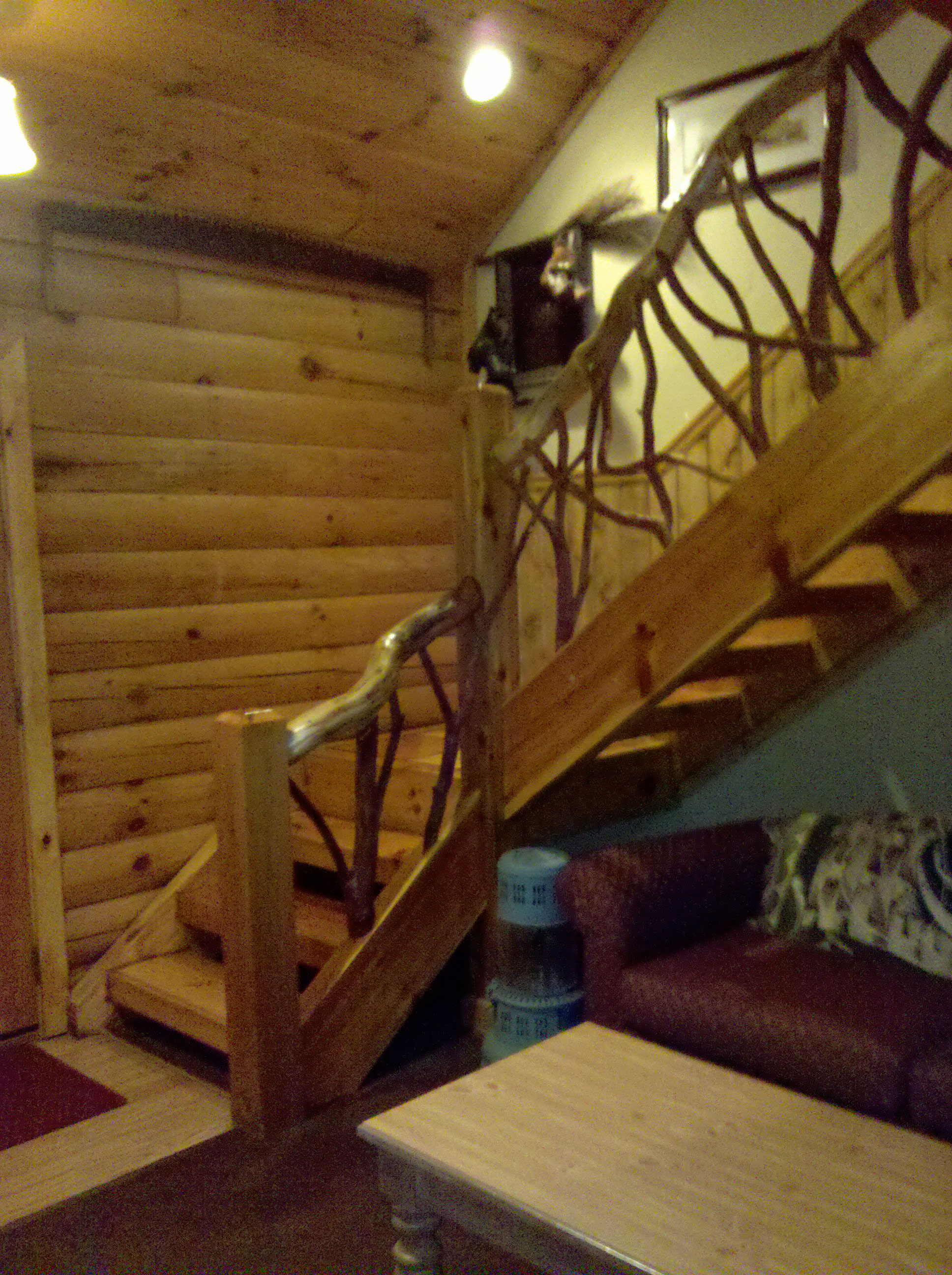
Laurelwood Mountain Inn was a fantastic find. We stayed in one of their “suites” which is really a duplex condo, 2 bedroom, 2 bath with a two-person hot tub in the master bath. (A well deserved treat after hiking all day.) The condo had all the amenities of home with cable TV, a small kitchen (with mini-fridge versus a full size fridge) and was built by the current owner.

Laurelwood Mountain Inn Condo Staircase. Quality craftsmanship throughout. Image by Sue Shekut

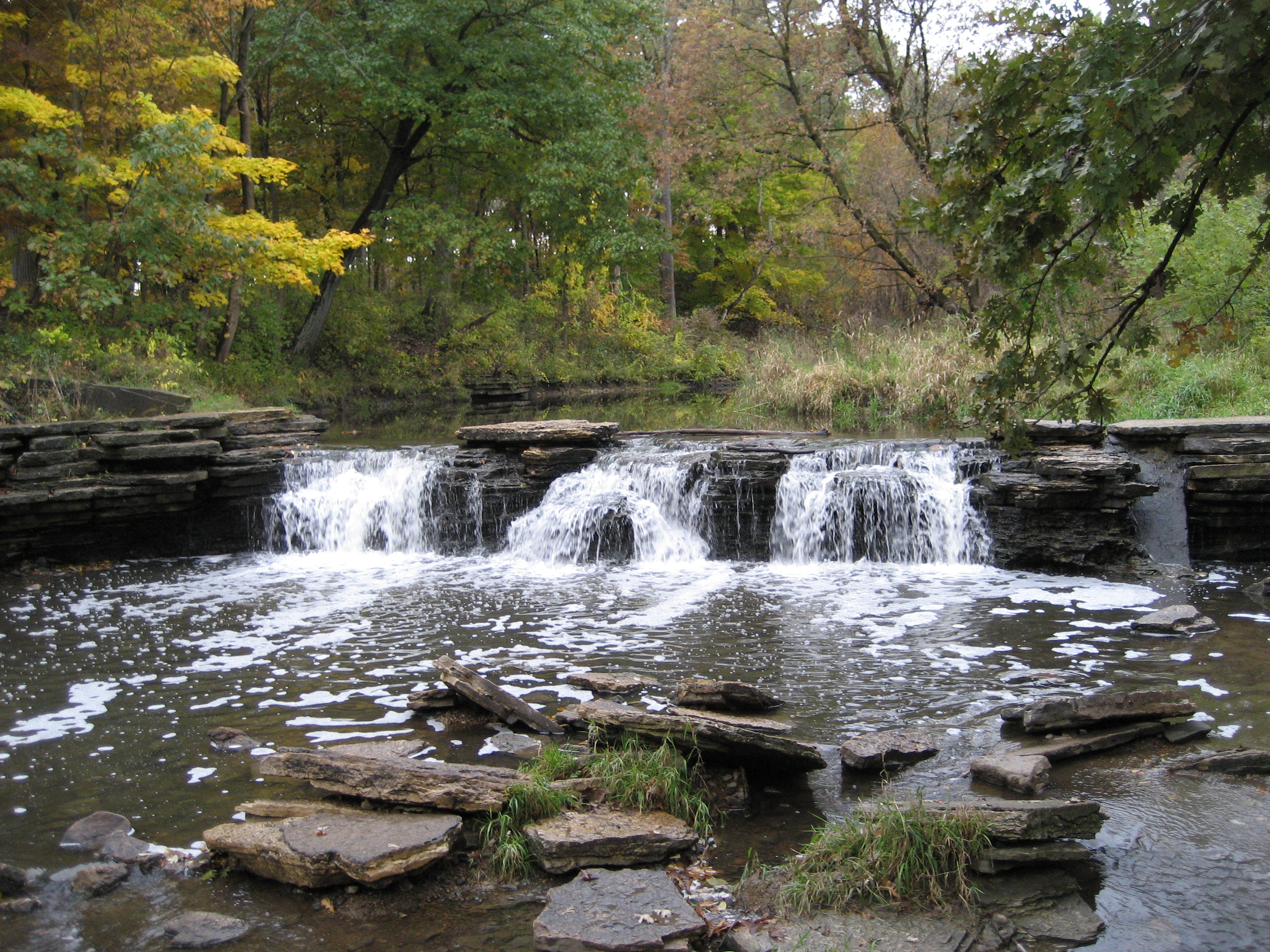
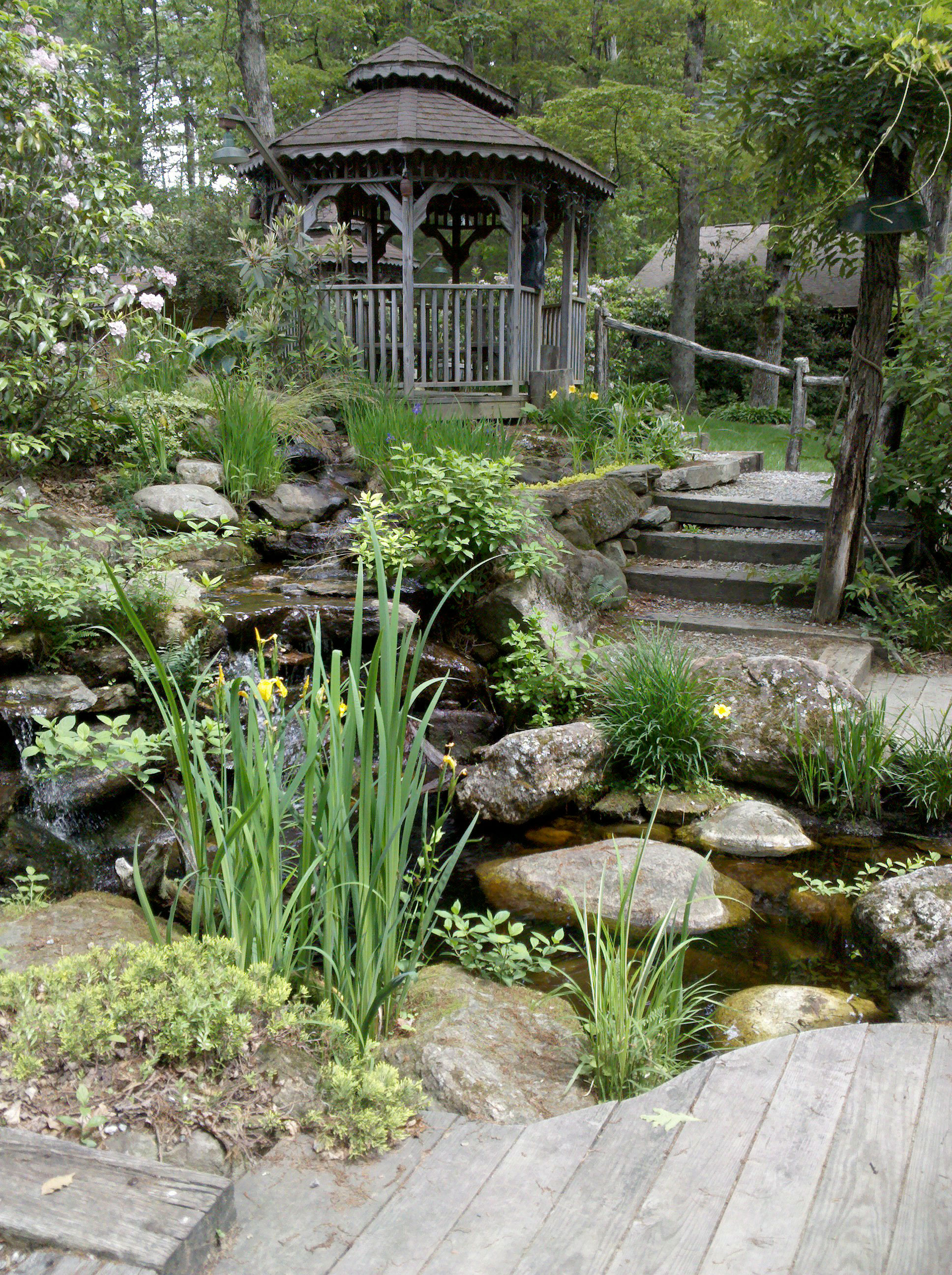
The owner of the Inn built a waterfall right outside the door of our cabin (long before we came to stay, of course) along with a  gazebo. Eric, the Innkeeper, told us that the owner’s waterfalls were so popular he got busy building waterfalls for area residents. Now the owner is too busy to run the Inn so he hired the Innkeeper and his wife. After spending time in Cashiers, I could see why people would want to leave the big city and live up in the mountains!

Waterfall outside our suite at Laurelwood Mountain Inn. Image by Sue Shekut

Note: There are a number of vacation rentals in the area for large families and groups. Check out VBRO (Vacation rental by Owner), Trip Advisor or the GoCashiers site here for pics of great homes to rent on nearby Lake Glenville. Cashiers Chamber of Commerce also has a listing for accommodations here. There is also a higher end hotel with a golf course and tennis courts, High Hampton Inn & Country Club.

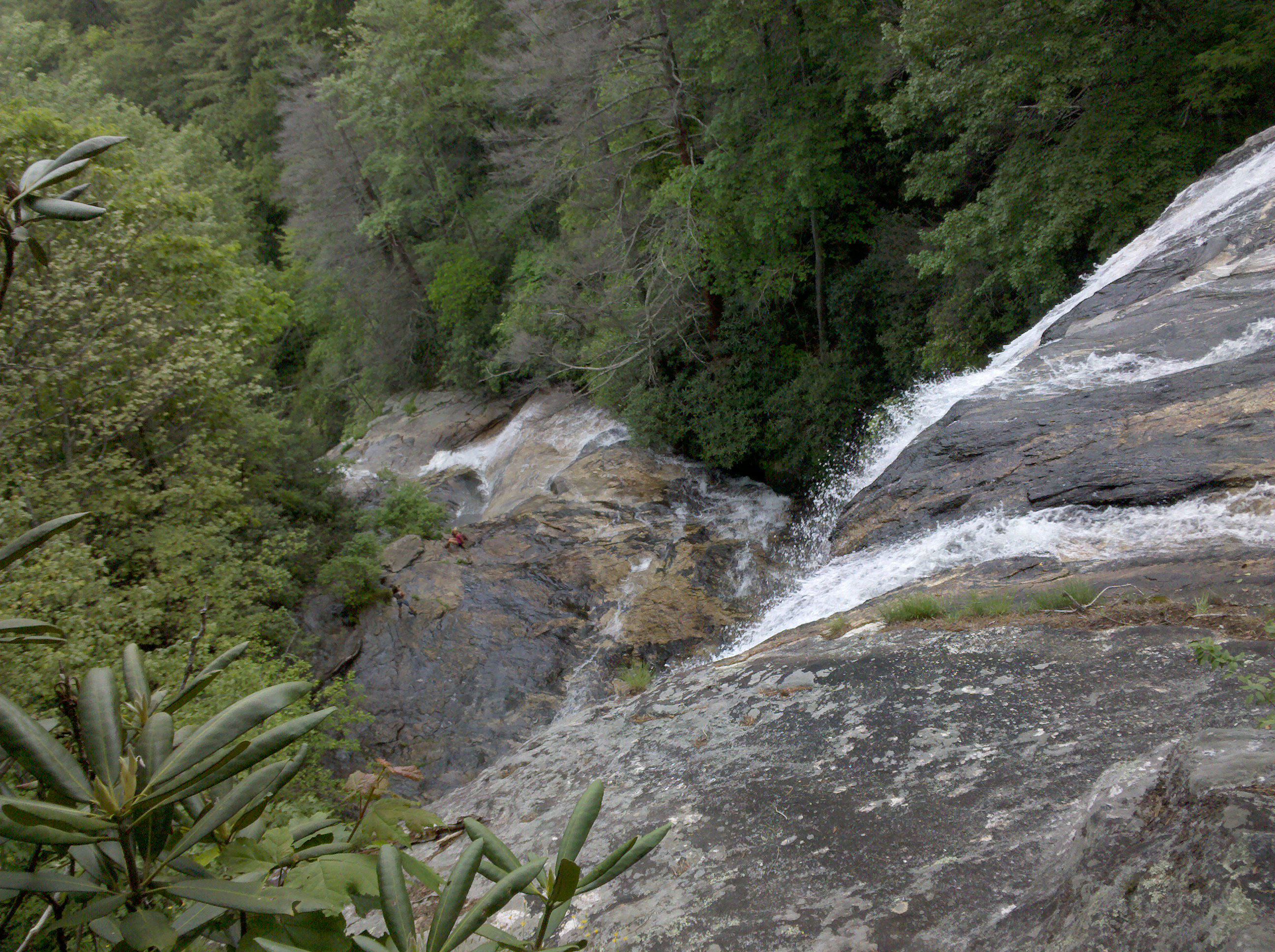
And, yes, the waterfalls at the Laurelwood Mountain Inn are a lovely but a small replica of the actual waterfalls to be found all around the Cashiers area. There are about 17 waterfalls near Cashiers. We did a day hike to Glen Falls and were not disappointed! It was a very active hike with a fair amount of climbing and many many photo opportunities like this one below!

Glen Falls, Cashiers, NC area. Image by Sue Shekut

Descending to the next level of the Falls we were glad to have brought our hiking poles!

Hiking Glen Falls, NC. Image by Sue Shekut

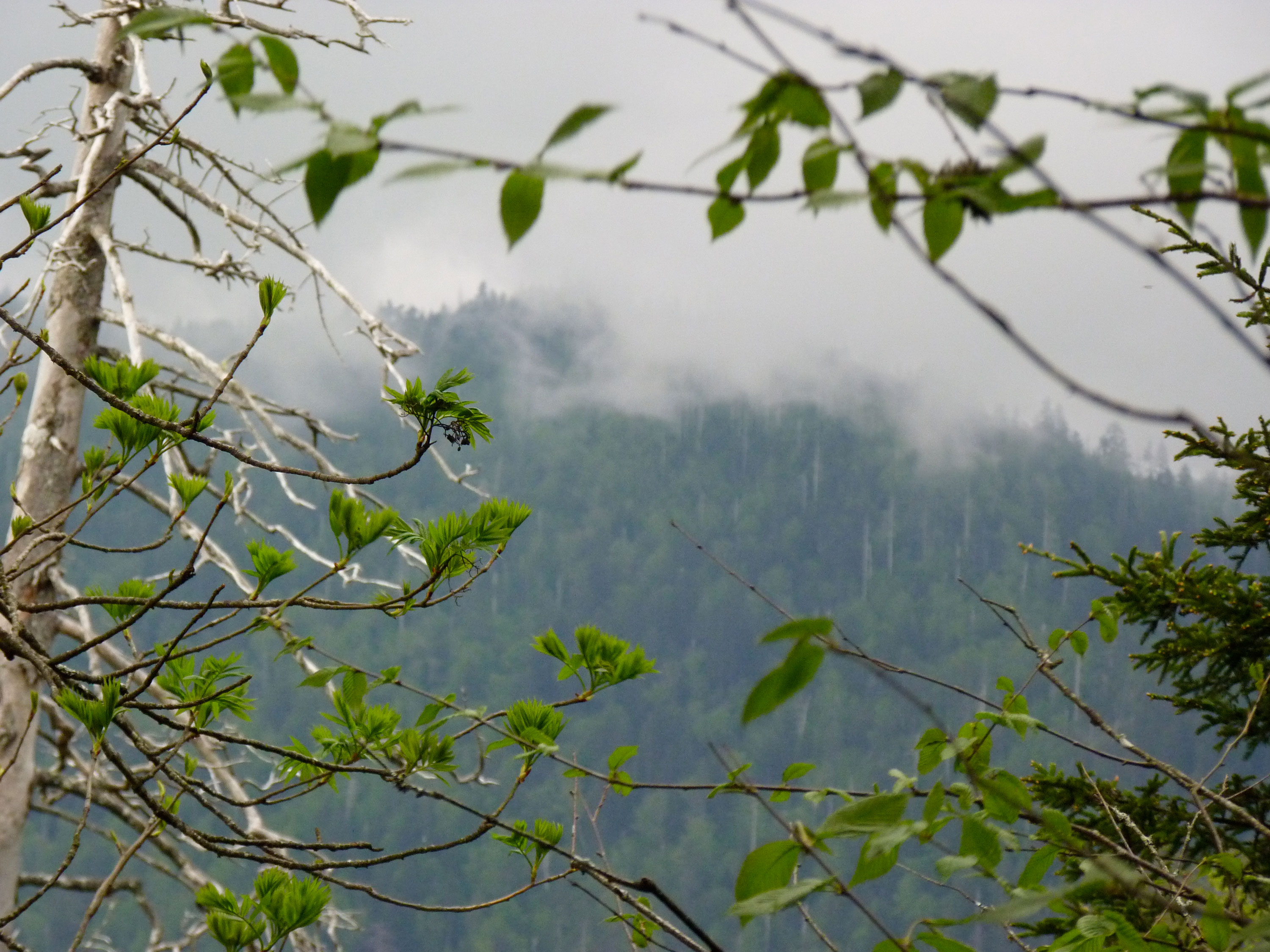
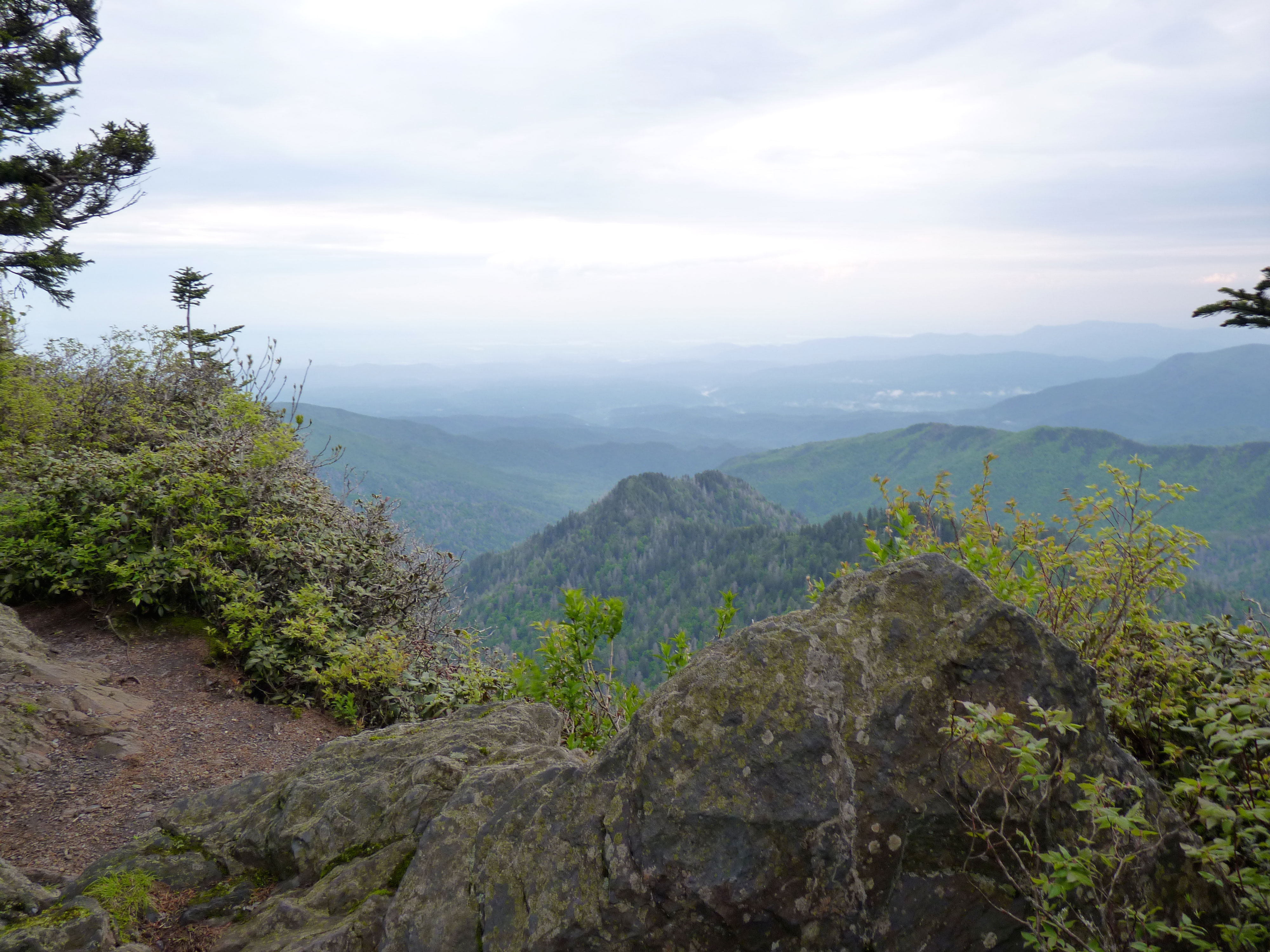
The Great Smoky Mountains National Park is only an hour away from Cashiers so we were able to take another day hike to see the actual “Smoke” from along the Great Smoky Mountains. (The “smoke” in the Great Smoky Mountains comes from the mystical blue mist (from water vapors) shrouding its peaks.)

View from Newfoundland Gap Trail in Great Smoky Mountain National Park. Image by Sue Shekut

Our last view of the Great Smoky Mountains from Jump Off Point.

Great Smoky Mountains Jump off Point. image by Sue Shekut

Would we go back? As often as we can!

Read Full Post »

By Sue Shekut, Owner, Working Well Massage, Licensed Massage Therapist, Wellness Coach, ACSM Personal Trainer

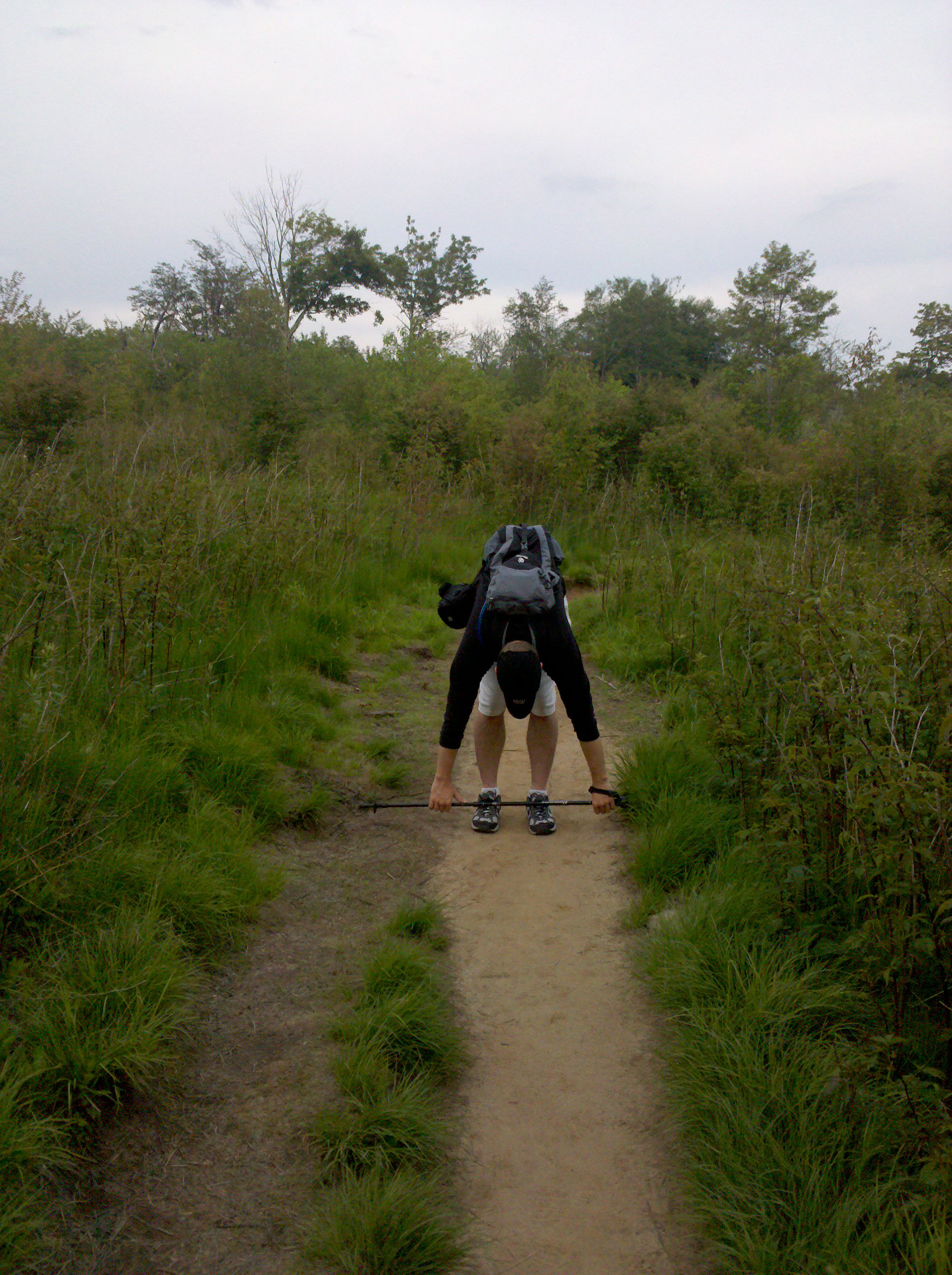
It’s taking me a while to get ALL my photos uploaded, resized and cataloged from our recent visit to the Great Smoky Mountains. Sitting in front of my computer working on the pics makes me want to stretch! So I am going to start showing some of our trip pics that include some simple stretches you can do while hiking. The stretches require a hiking pole or stick but any nearby long tree branch or stick will do!

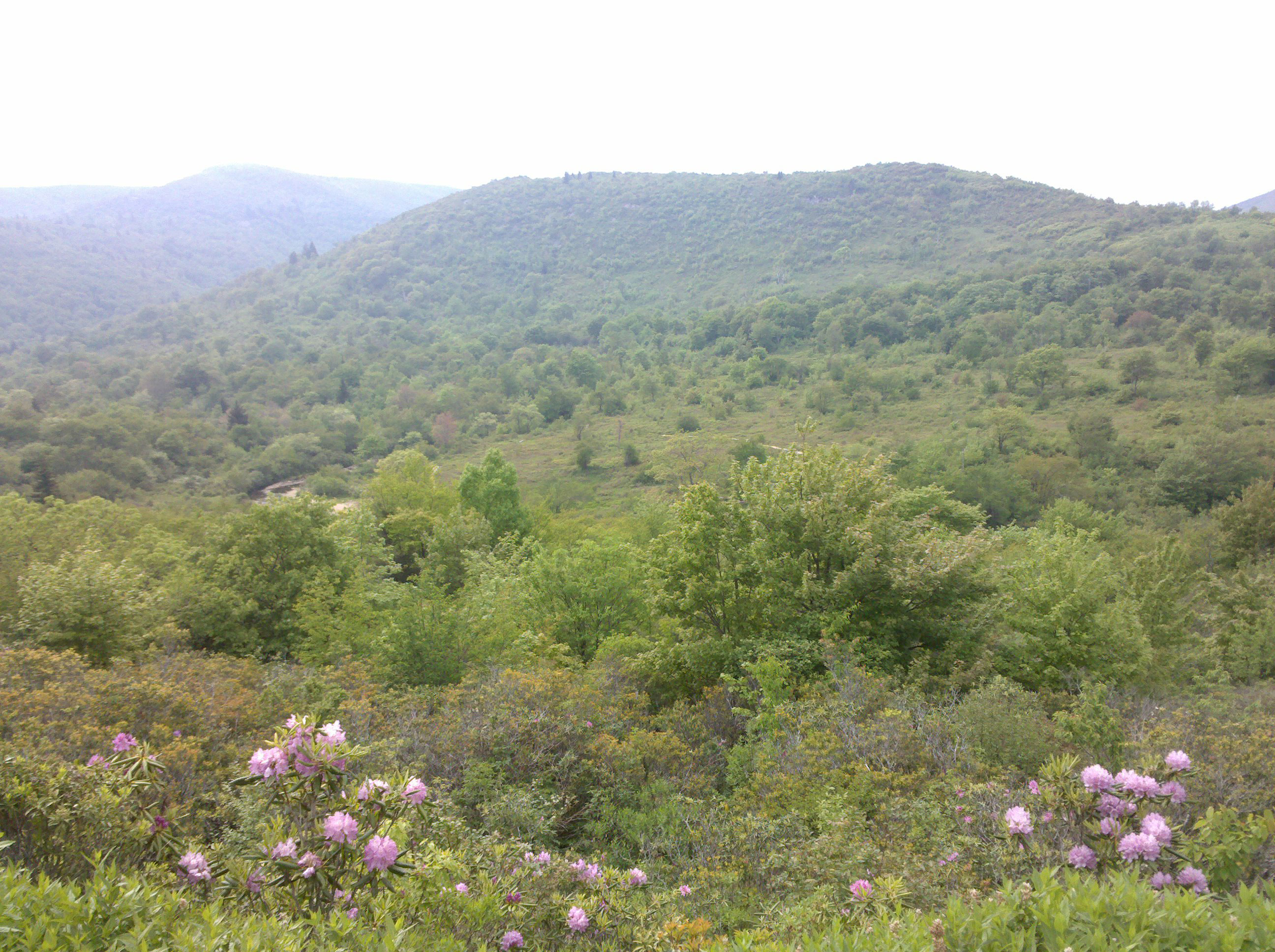
Graveyard Fields midday

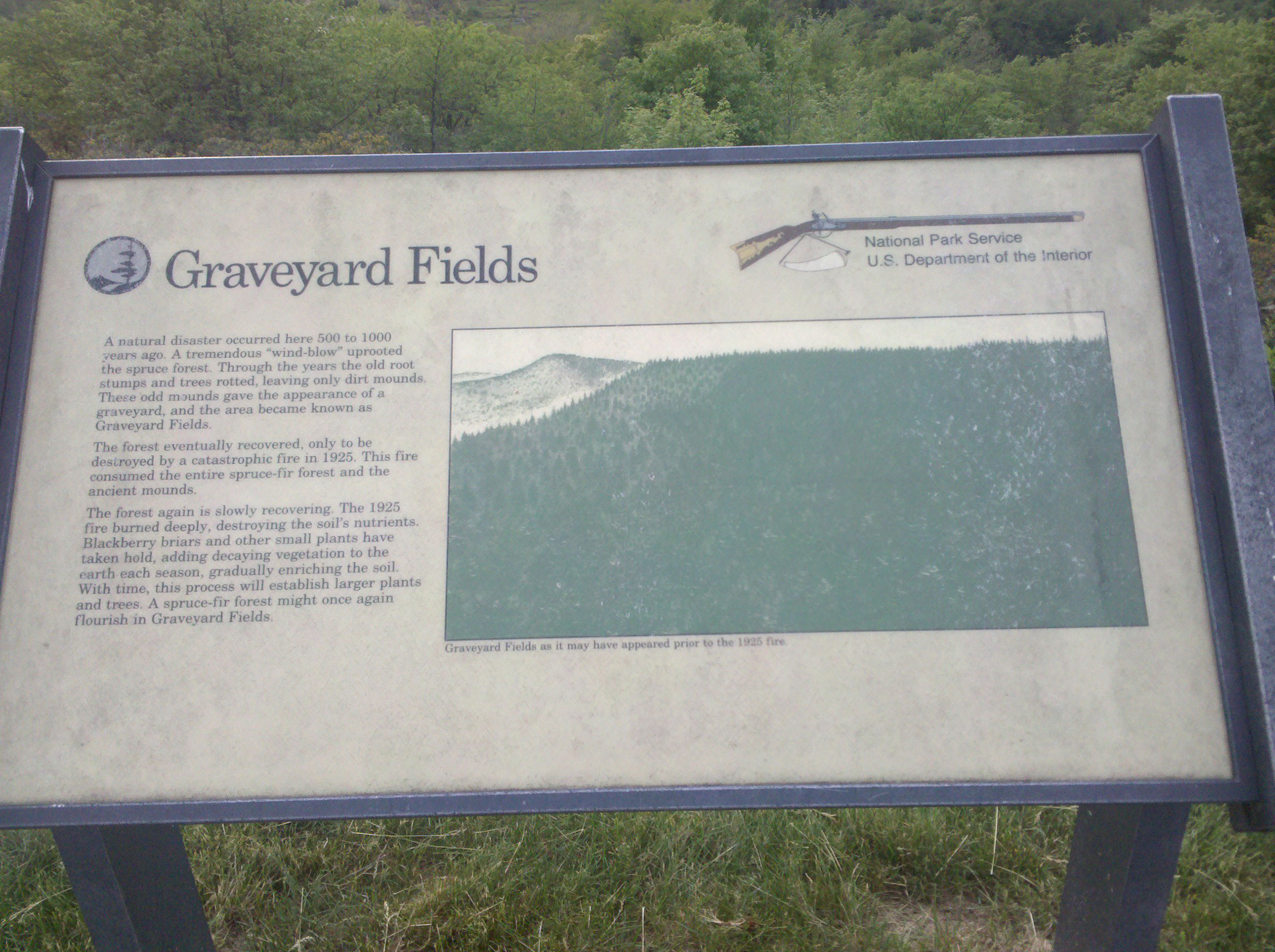
One of the places we were able to visit in the Great Smoky Mountain National Park was the Graveyard Fields. This area had once been ravaged by forest fires and most of the growth is new growth. The area gets its name from the days prior to the fire when so many trees were cut down the meadow looked like a graveyard of tree stumps.

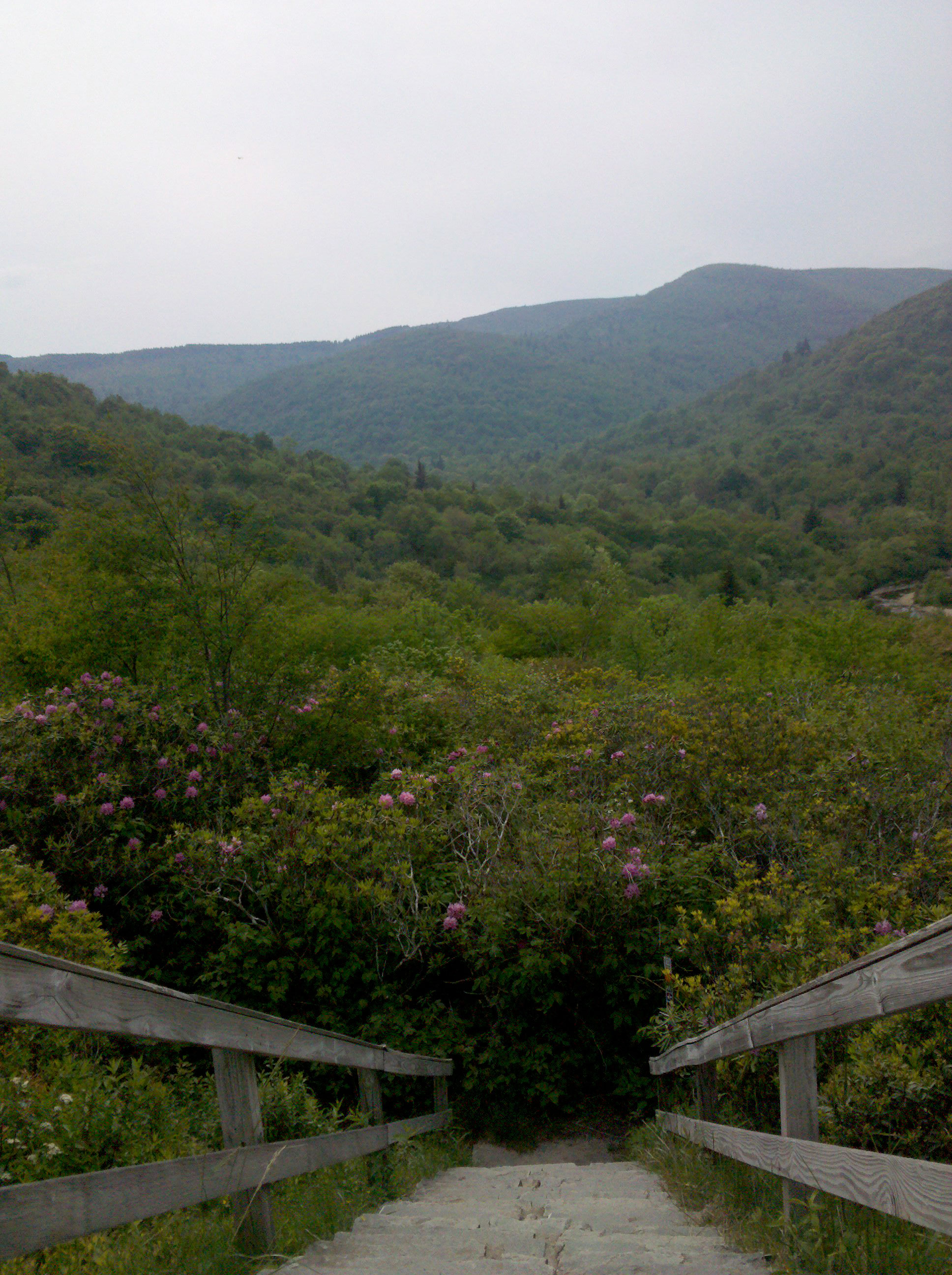
Hiking from this point begins with a  steep decent down wooden stairs.

Stairs to Graveyard Fields paths

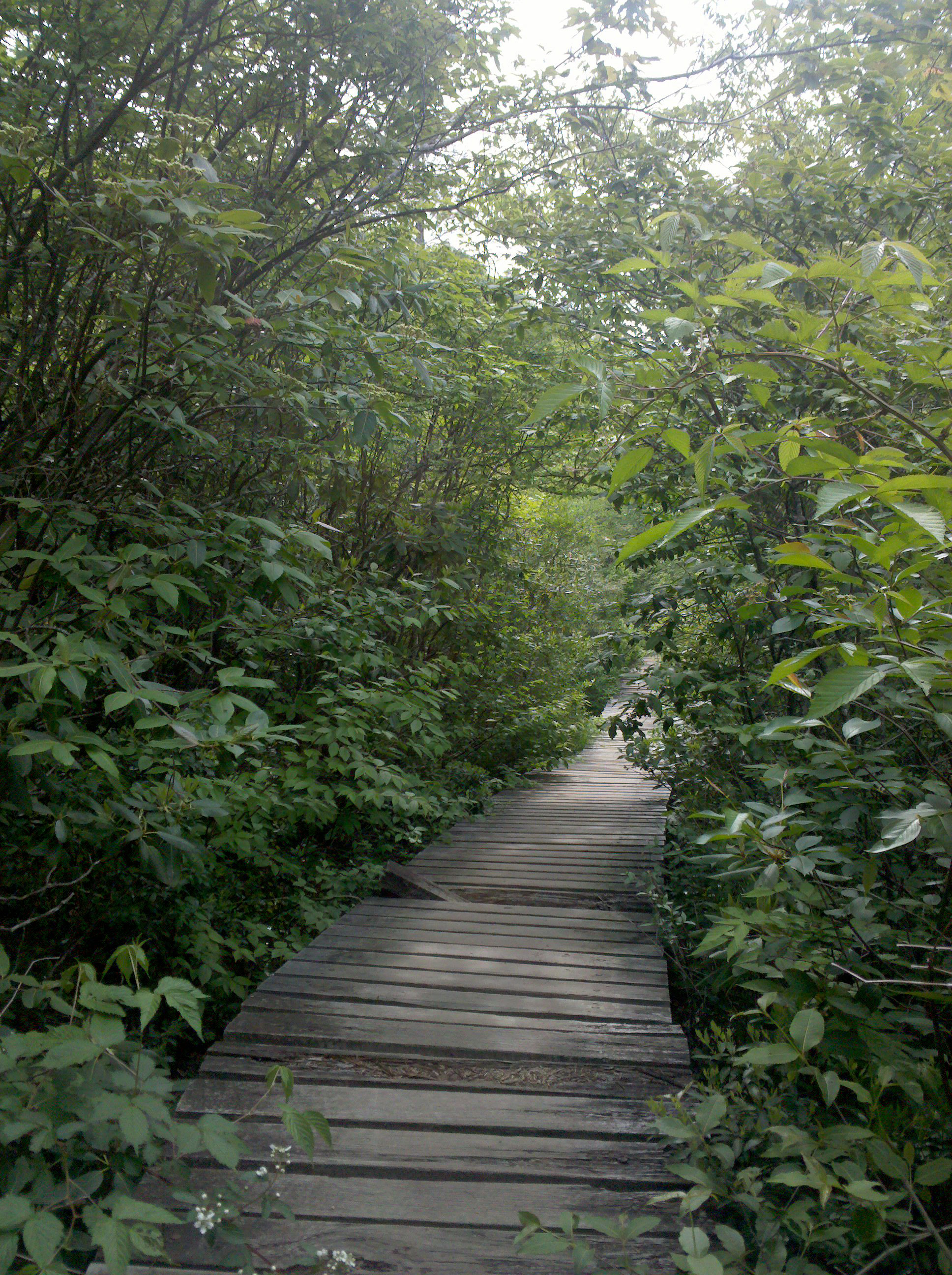
As you climb down the stairs, you enter a magical Hobbit-like land of too-good-to-be-true green fields and small forests. babbling brooks and shallow streams abound.

Wood path in Graveyard Fields, Great Smoky Mountains

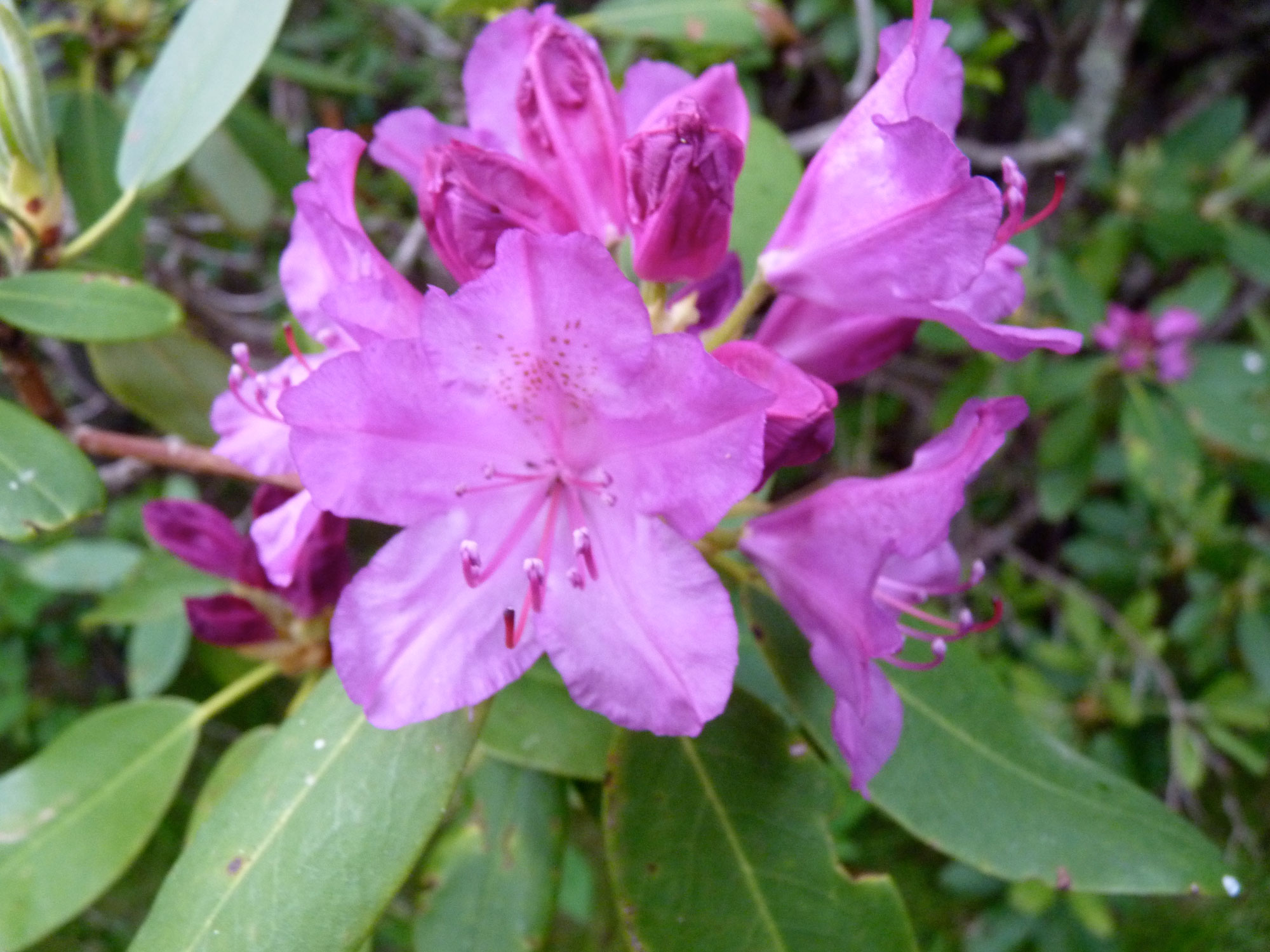
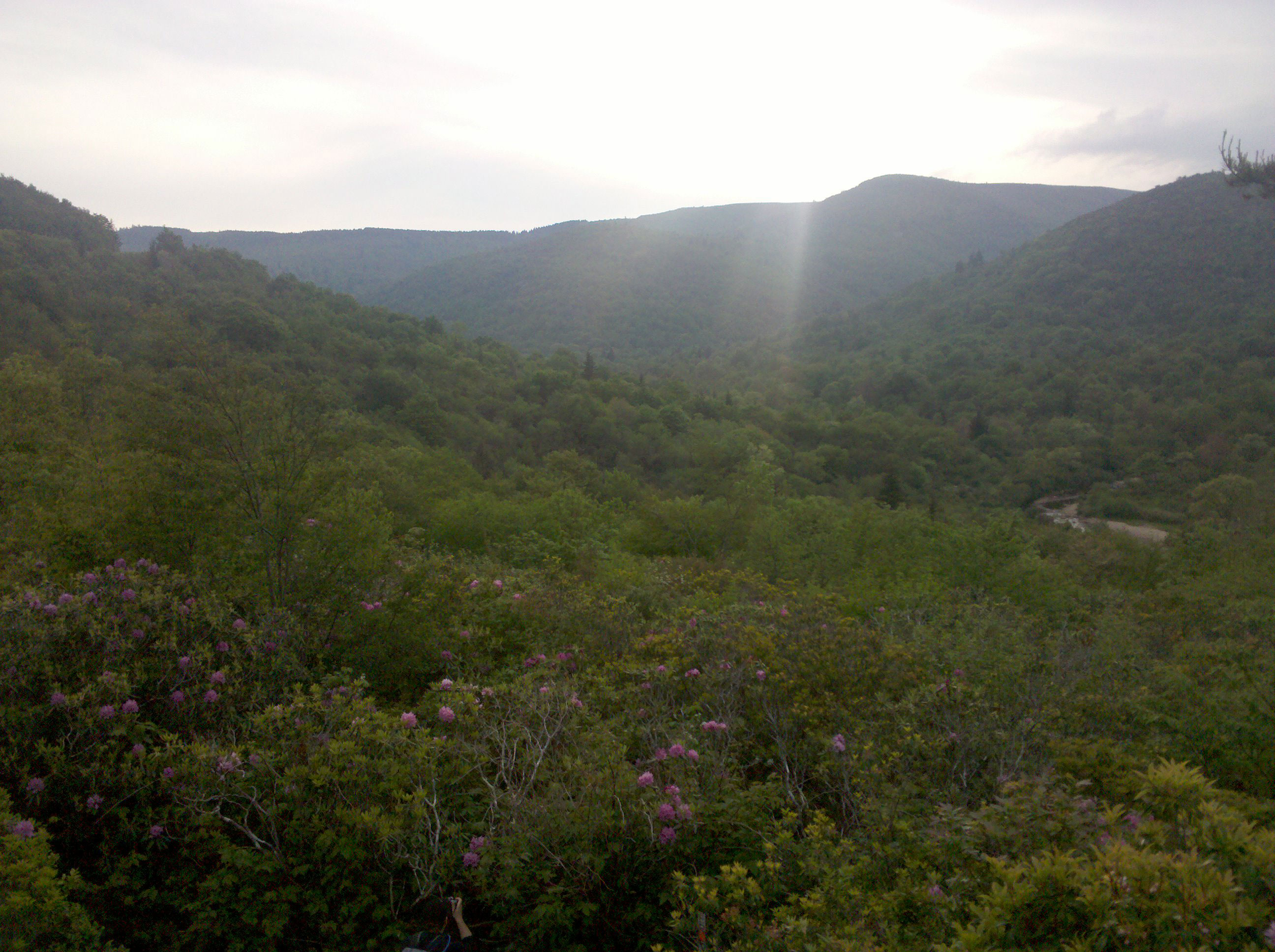
All along our path we ran into incredible flowers and peaceful areas of natural beauty.

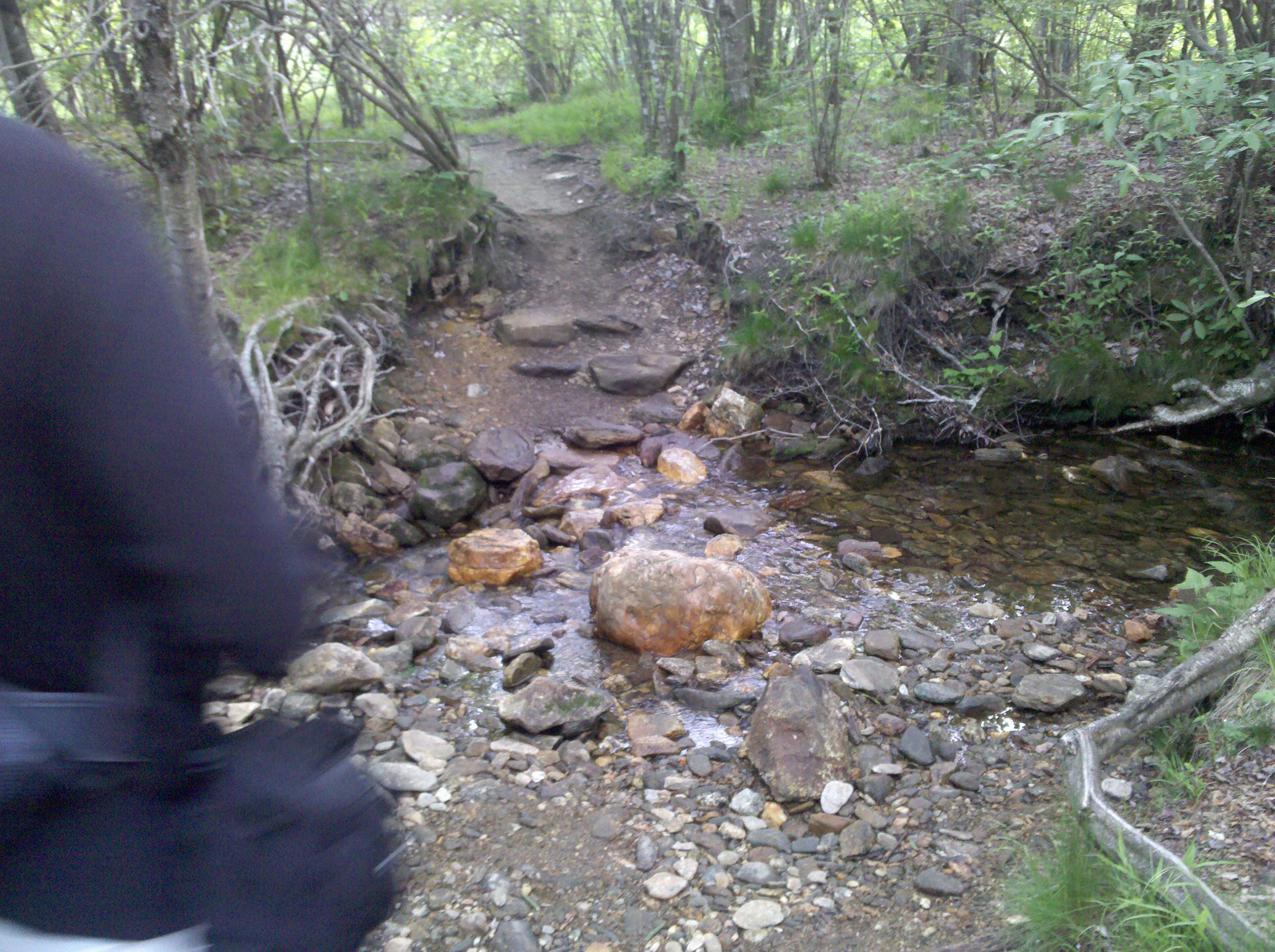
After a fresh rain easier in the day, our hiking poles really helped us get around muddy patches and cross over streams and creeks.

Some areas made great use of our hiking poles to navigate slippery rocks.

After a few days of strenuous hiking up deep ascents, it was a pleasure to hike a shallower inclined path. At halfway point, we sat and admired a small “waterfall” over rocks in a creek.

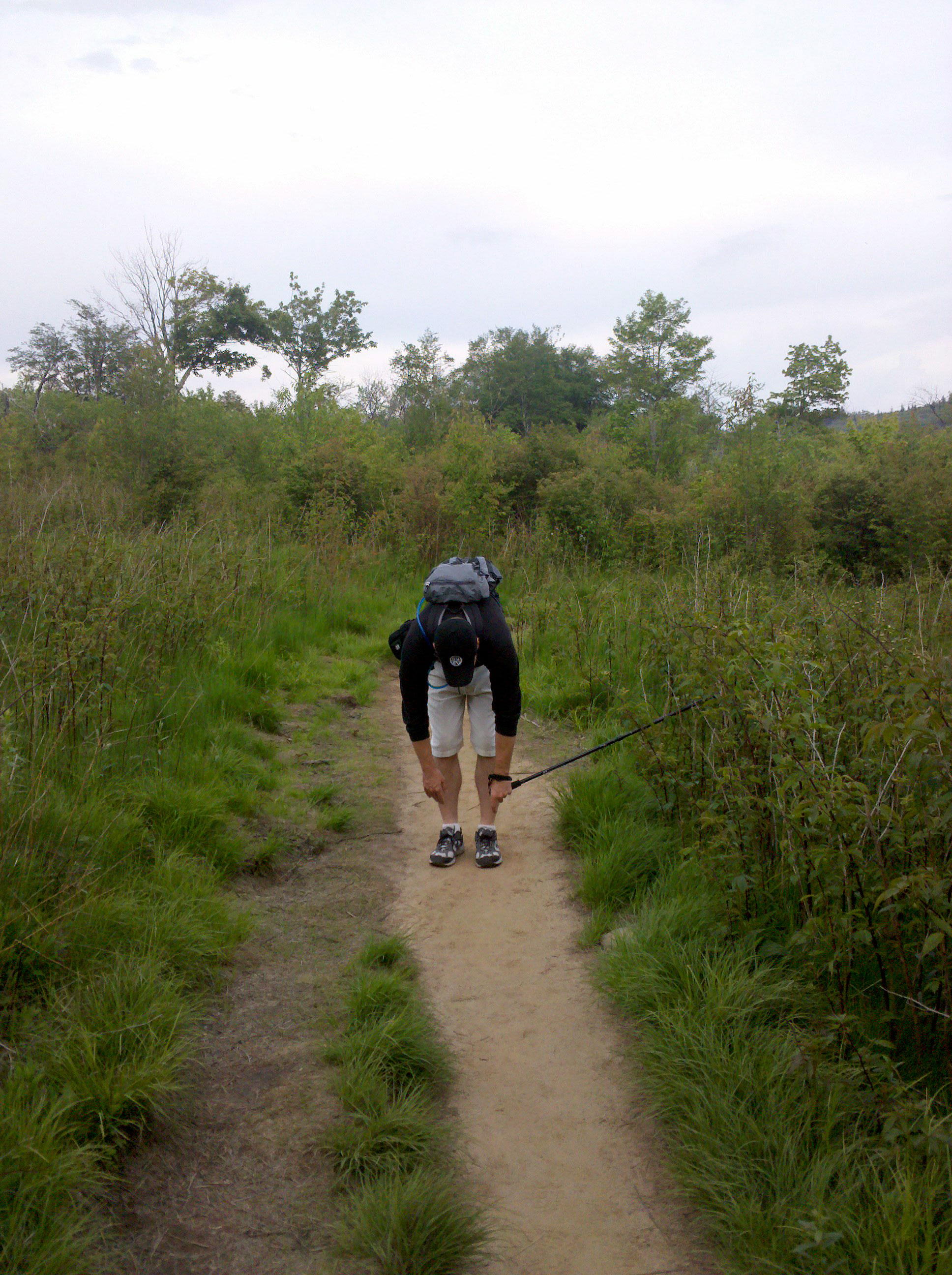
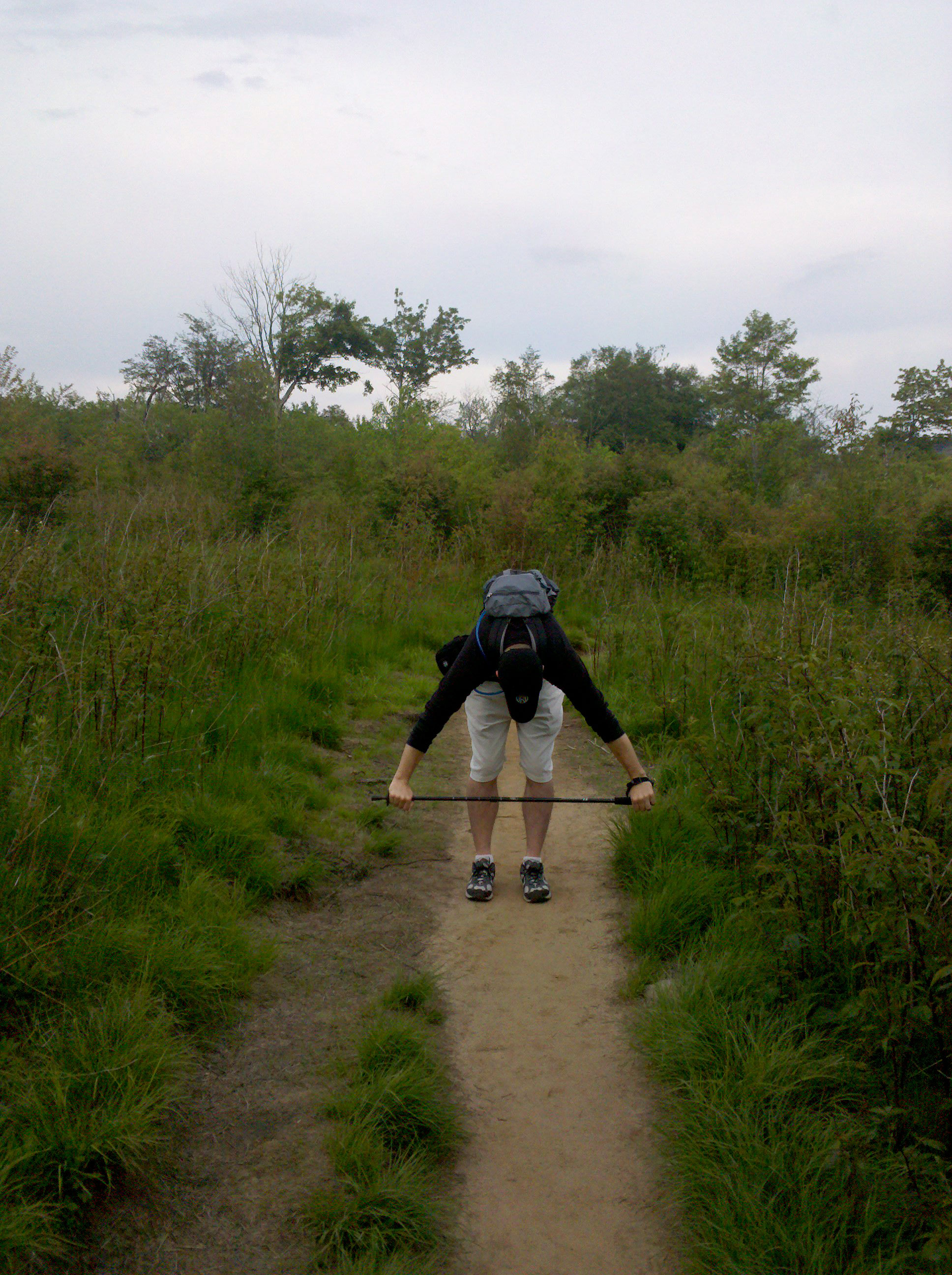
After a few days of hiking and driving, we needed to stretch. My partner demonstrated some easy back stretches.

Stretching without the pole to warm up

A great mid back stretch using the hiking pole

Deeper stretching using the poles

Much of the terrain in the Great Smoky Mountains involves ascents and descents. Using hiking poles makes it easier to cross streams (for balance), to hoist yourself up on the next level of rock in the path and as we show above, for stretching!

The rewards of a long day hiking and driving include vistas like this one at Sunset.

Graveyard Fields at Sunset

More pics and stories of our hiking adventures to come!

Enhanced by Zemanta

Read Full Post »

By Sue Shekut, Owner, Working Well Massage, Licensed Massage Therapist, Wellness Coach, ACSM Personal Trainer

Workspace Without Plants

More good news about indoor plants: Researchers at Washington State University found that indoor plants decreased stress of computer workers and improved productivity.

The  study was conducted in a computer lab at Washington State University.  Subjects were asked to participate in an experiment to measure stress levels in people using computers.  They were randomly assigned to be tested in the computer lab when plants were absent or when they were present.  In the room with plants, the interior plants were placed around the sides of the room. Then the blood pressure and emotions of subjects were monitored while they performed a slightly stressful computer task that measured reaction times in response to seeing and decoding the shape of a simple object on the screen.

When plants were added to the lab, people were more productive (12% quicker reactions on the computer task) and less stressed (systolic blood pressure lower).  They also reported feeling more attentive when the plants were present.

Workspace With Plants

Again, yet another study shows that adding a little “nature” to your indoor life can actually not only make your work space or living space more aethetically pleasing, it can also help you feel better and think more clearly!

The research study was partially supported by the American Floral Endowment and the Horticultural Research Institute.

Source: Lohr, V.I., C.H. Pearson-Mims, and G.K. Goodwin. 1996. Interior plants may improve worker productivity and reduce stress in a windowless environment. J. of Environmental Horticulture 14(2):97-100.

Reblog this post [with Zemanta]

Read Full Post »

walk_in_park
Image by rosemaryann11 via Flickr

By Sue Shekut, Owner, Working Well Massage, Licensed Massage Therapist, Certified Wellness Coach, ACSM Personal Trainer

I wonder sometimes if my readers get sick of me writing about exercising in nature! Some of my friends say they hate bugs and humidity. Some people may not have much experience in nature (especially if they grow up in an urban environment) and may be hesitant to try hiking or outdoor fitness routines. I was fortunate to have a father that was a nature lover. We spent every summer vacation camping, usually in Wisconsin. And many weekends were spent in nearby forest preserves or parks. In each home we lived in we had an outdoor garden.  My Dad introduced us to canoeing, pontoon boating, downhill skiing, cross country skiing, hiking, bicycling, paddle boating, berry picking,  swimming in the Great Lakes and smaller lakes,  and watching ducks fly south from Horicon Marsh. He was also a former gymnist and bodybuilder and taught us how to lift weights and run on treadmills in the winter. We weren’t “rich” monetarily, but we were rich in family time, the ability to spend time in nature and in fresh air, and good cardiovascular workouts!

As an adult I’ve enjoyed time spent in the gym, but I tend to gravitate towards nature. Now years later, more and more more research is showing that my natural inclination and my father’s tendency to get us outdoors is actually better for your health. Read the excerpt below from the University of Essex about a study  that shows even a 5 minute walk or time spent gardening can have immediate positive effects on your health. That’s right bug haters–it only takes 5 minutes to have a benefit! So grab the Off or Citronella and get outside!

A Walk A Day Keeps the Doctor Away

Just a small ‘dose’ of nature every day will benefit people’s mood, self-esteem and mental health, a new study by the University of Essex has shown. Surprisingly the research found that just five minutes of green exercise produced the largest positive effect.

Previous studies by the researchers had confirmed the links between nature, exercise in green environments, and health benefits. But this study is the first to quantify the health benefits in terms of the best ‘dose’ of nature.

The research by Dr Jo Barton and Professor Jules Pretty is published online (and in print on 15 May) in the American journal, Environmental Science and Technology.

Their analysis of 1,252 people (of different ages, gender and mental health status) drawn from ten existing studies in the UK, showed that activity in the presence of nature (green exercise) led to mental and physical health improvements. The activities analysed were walking, gardening, cycling, fishing, boating, horse-riding and farming.

‘For the first time in the scientific literature, we have been able to show dose-response relationships for the positive effects of nature on human mental health’, said Professor Pretty. The researchers concluded that green exercise should be developed for therapy purposes (green care), that planners and architects should improve access to green space (green design), and that children’s learning should include working in outdoor settings (green education).

‘A walk a day should help to keep the doctor away – and help to save the country money,’ said Dr Barton. ‘There is a large potential benefit to individuals, society and to the costs of the health service if all groups of people were to ‘self-medicate’ more with green exercise.’
Some of the substantial mental health challenges facing society and physical challenges arising from modern diets and sedentary lifestyles (such as the alarming growth in obesity) could be addressed by increased forms of activity in natural places, the authors argue.

All natural environments were beneficial (including urban green); although the presence of water generated greater effects. A blue and green environment seems even better for health, the authors stated.

Reblog this post [with Zemanta]

Read Full Post »

By Sue Shekut, Owner, Working Well Massage, Licensed Massage Therapist, Certified Wellness Coach, ACSM Personal Trainer

Recently I did a presentation on Stress Management for psychology students at Chicago City Colleges’ “Psych in the City” program. (I’m taking psychology classes at Harold Washington College and this was an all school event with over 400 students attending!) Most of what I spoke about was a review of the autonomic nervous system and the effects of chronic Sympathetic Nervous system activation. (Sounds pretty technical, I know but if you know your nervous system or have heard anything about stress management, you know that calming the nervous system helps us better handle with the effects of stress.) It was a lot of fun, we did breathing exercises and I showed students how to find their resting heart rate…and how to speed up their heart rate with a little aerobic activity.  Overall, though, the goal of most stress management techniques to is calm down your nervous system, slow your heart rate and basically put your autonomic nervous system into parasympathetic (resting and digesting) mode versus sympathetic  (flight or flight) mode.

However, there are many different ways to calm down your nervous system. Read an excerpt from “30 Great Stress Relievers”  on some stress relieving techniques that are not commonly thought of, like cooking and art from  EKG Technician Training blog. To read the entire list from the blog, click here.

With the everyday stresses from work, parenting and budgeting finances, it’s no surprise that stress has been directly linked to causing heart disease, high blood pressure and decreased immunity. In a survey conducted by the American Institute of Stress, about 75-90 percent of all visits to general physicians are for stress-related problems. While it is difficult to avoid stress altogether, there are several ways to relieve stress and manage it through simple and often free practices that can be done at home and work.

Deep Breathing Exercises
While you can’t always control stressors, you can learn how to control and regulate your breathing. Thankfully, there are various ways to exercise your breathing to achieve deep relaxation, reduce stress and release endorphins. Learning how to stimulate, relax and count your breathe, like the breathing exercises taught by Dr. Weil, will help increase energy levels, alertness and help manage stress-related health problems.

Music
Whether it’s classical, jazz or soft rock tunes, listening to and playing music is a popular way to relieve stress. Music has the power to slow one’s heart rate and pulse, lower blood pressure, as well provide a distraction that allows listeners to escape, or become focused on something other than what’s stressing them out. Not only is music so portable, but a little can go a long way. Make a feel-good CD for your car ride to work, listen to it when working out and meditating, or listen at work to block out sounds and added stressors.

Art
From painting, drawing to sculpting, art is another therapeutic activity for tackling stress. Like music, art provides a means for escape, concentration and personal expression. Creating artwork allows people to explore their creativity, utilize their senses and provides a calming balance to a hectic day. You can also transfer negative energy, by using your frustrations and emotions as inspiration for your artwork. Viewing art also relieves stress because it calms the mind and muscles, provides a distraction and allows you to focus on something aesthetically pleasing for a bit.

Cooking
While cooking may be a stressful endeavor for some, it is also a major stress reliever for others. Cooking is like a project that involves planning, experimentation and results. Whether you’re baking, preparing dinner or assisting in the kitchen, cooking allows people to improvise and focus on a different kind of task. In addition to the actual act of cooking, people will gain satisfaction from providing nourishment for their bodies and creating a meal on their own.

Sex
There are many health benefits of sex, including stress relief. From the physical act of lovemaking to the emotional connection between partners, sex allows people to experience pleasure and free their mind of worries. High levels of stress can decrease libido in men and women, so it is important to practice other stress relievers in order to get the most from your sex life.Talking
While some enjoy writing or reading during stressful times, others like to talk about their stress to friends, family, coworkers and counselors. Venting out loud about stressors and personal issues can help alleviate built-up emotions associated with stress, as well as help guide you toward a realistic stress management plan. Not to mention, talking to others about their lives and interests can be a healthy distraction for yours.

Vacationing
Nothing says relaxation like vacation. If the opportunity arises to take a trip, you should go for both pleasure and stress management reasons. Vacations let you mind and body escape from the daily routines and stressors that affect your mood and state of health. No matter how or where you spend your vacation, you are sure to experience heightened levels of relaxation and enjoyment. While vacations don’t last forever, they do provide a mental and physical break from stress and allow you to return back to work (and reality) refreshed and satisfied.

Journaling
Kids aren’t the only ones who journal their thoughts and feelings — adults do it too. Writing is a cathartic activity for people to vent their thoughts, feelings and goals. Whether you prefer a diary, blogs or loose papers, all variations of journaling allow people to relieve stress by writing, evaluating and reflecting on their day. Journaling also serves as a record for detecting stress patterns, and a means to implement stress management techniques.

Reading
Along with writing, reading is another form of stress relief. Avid and sporadic readers alike can benefit from reading to relax their mind, use their imagination and adopt new ideas, skills and vocabulary. Reading is also one of the best ways to escape from the doldrums of day-to-day life, and serves as a positive distraction to a stressful state of mind. For those who suffer from high levels of stress, may benefit greatly from reading self-help books and positive reading materials that will boost their spirits and help manage their stressors.

Pets
From cats, dogs, birds and hamsters, animals are not only great companions, but also major stress relievers. Playing, petting and exercising with animals will make them happy, as well as reduce your level of stress and lower your blood pressure. Although not everyone is suited to care for a pet, you can always pet sit, go to a dog park or play with friends’ animals to get your dose of animal time and stress-free fun.

Plan/Organize
An easy way to avoid stress is to plan and stay organized. If you generate a plan, make a to-do list or make prior arrangements, you will be more likely stick to the plan, which will help alleviate stress. In addition to planning, having an organized house, workplace and daily schedule will help you achieve specific goals and avoid unnecessary stress from misplacing or losing items in a mess. Planning and staying organized does take a considerable amount of effort, but having the tools to do so and make your life easier will help in the long run.

To read the entire blog post with all 30 stress relievers, click here.

Reblog this post [with Zemanta]

Read Full Post »

04.26.09 [#116] Feet Week - At Rest
Image by Jeezny via Flickr

By Sue Shekut, Owner, Working Well Massage, Licensed Massage Therapist, Certified Wellness Coach, ACSM Personal Trainer

Some of you may wonder why I haven’t posted much over the past week. It’s simple–I caught a touch of the flu and have needed to rest.

As a massage therapist, wellness coach, and small business owner, I work a lot of hours. And in my work, I come in contact with many people every day. Some of my clients see me when they are sick or are getting over an illness but are still contagious. Being self employed, I don’t get paid sick time.  Therefore, I do all I can to avoid catching colds and flues. However, there are still times when my immune system can’t handle the fight and an infection or flu bug gets me. Luckily, living healthy keeps me well most of the time and helps me get over most illnesses relatively quickly. In those times when I do get sick, one of the principle methods I use to get over an illness is one you can’t buy in a store: it’s rest.

The definition of rest, according to education.yahoo.com here is:

  1. Cessation of work, exertion, or activity.
  2. Peace, ease, or refreshment resulting from sleep or the cessation of an activity.
  3. Sleep or quiet relaxation.
  4. The repose of death: eternal rest.
  5. Relief or freedom from disquiet or disturbance.
  6. Mental or emotional tranquillity.
  7. Termination or absence of motion.

Looking through this list, how many times the past week have you been able to achieve the definitions cited in point 1, 2, 3 or 5 above? When I think of rest, I don’t only think of sleep. I also think of relaxing, having quiet time to contemplate my navel or meditate or watch clouds pass overhead. Resting to me is a time to let the worldly concerns go and just relax my mind and body. Which is tough to do in today’s fast paced culture. But rest is ever more important in today’s world. Most people do not even get the required 7-8 hours of sleep. Then they spend the day working on computers, meeting with other people, traveling and commuting, going to the gym or home to spend time with family. In all the hours we spend working and meeting outside obligations, rest is often confined to the hours of sleep we can sandwich into  the rest of our lives. But studies show that rest is an important tool in our wellness arsenal. Napping is a common event in many cultures (just not in the U.S.!). Read more from my post on Daytime Naps here. And meditation is an effective way to rest our minds as well.

NASA is currently doing a study on how bed rest effects human subjects in space travel. Read more about the study here.

While I rest, read more great articles on rest:

• The vital importance of rest here.

• Give your immune system a  rest here.

• The effects of sleep deprivation on brain and behavior here.

Reblog this post [with Zemanta]

Read Full Post »

30 Days of Gratitude- Day 1
Image by aussiegall via Flickr

By Sue Shekut, Owner, Working Well Massage, Licensed Massage Therapist, Certified Wellness Coach, ACSM Personal Trainer

Remember the old adage, to “count your blessings” as  a tool to feel better about your self and your life? Did you know that maintaining an actively grateful personality can actually provide stress relief?

Robert Emmons at the University of California, Davis and Michael E. McCullough from the University of Miami have maintained a study that attempts to help its participants develop methods to cultivate gratitude in daily life and assess that gratitude’s effect on well-being. They say of the project:

“Gratitude is the “forgotten factor” in happiness research.  We are engaged in a long-term research project designed to create and disseminate a large body of novel scientific data on the nature of gratitude, its causes, and its potential consequences for human health and well-being. Scientists are latecomers to the concept of gratitude.  Religions and philosophies have long embraced gratitude as an indispensable manifestation of virtue, and an integral component of health, wholeness, and well-being.  Through conducting highly focused, cutting-edge studies on the nature of gratitude, its causes, and its consequences, we hope to shed important scientific light on this important concept.”

In the research, the scientists had all participants keep diaries of their lives. One of the groups was instructed to specifically look for the positive things that had happened to them that day, and one was instructed to keep a diary as they normally might. Emmons and McCullough discovered that their participants showed a clear correlation between those who kept a “gratitude journal” and a number of positive factors, including exercising regularly, reporting fewer physical symptoms, feeling better about their lives as a whole, and feeling more optimistic about the upcoming week compared to those who recorded hassles or neutral life events.  Participants who kept gratitude lists were more likely to have made progress toward important personal goals (academic, interpersonal and health-based) over a two-month period compared to subjects in the other experimental conditions.

Not convinced? They also reported that a daily gratitude intervention (self-guided exercises) with young adults resulted in higher reported levels of the positive states of alertness, enthusiasm, determination, attentiveness and energy compared to a focus on hassles or a downward social comparison (ways in which participants thought they were better off than others).

Elizabeth Scott, M.S., About.com’s Stress Management Guide, reminds us that “although we are born with specific tempermental tendencies, the brain is a muscle, and you can strengthen your mind’s natural tendency toward optimism if you work at it.”

Scott offers some helpful suggestions for how to encourage gratitude in your own life:

  • Make Gentle Reminders – When you notice yourself beginning to feel negative, try to think of 4 or 5 related things for which you are grateful.
  • Be Careful With Comparisons – Focus on yourself, and stop comparing what you have and do to other people.
  • Keep a Gratitude Journal – Make it a habit to remind yourself of good things that happen to you every day.

Sue’s Gratitude List

I notice that when I am more consciously grateful of all the good things I have in my life: my family, my friends, my work, my clients, my health, my ability to travel and hike and see wonderful natural beauty as well as the Internet and all the “Dick Tracy” gizmo’s we now have to entertain and communicate, I have much better days and a happier demeaner!

I am grateful you are reading my blog!  Start your own gratitude list today and see how you feel. Just list 10 things you are grateful for. Share them with us in the comments if you feel inspired!

Reblog this post [with Zemanta]

Read Full Post »

By Sue Shekut, Owner, Working Well Massage, Licensed Massage Therapist, Certified Wellness Coach, ACSM Personal Trainer

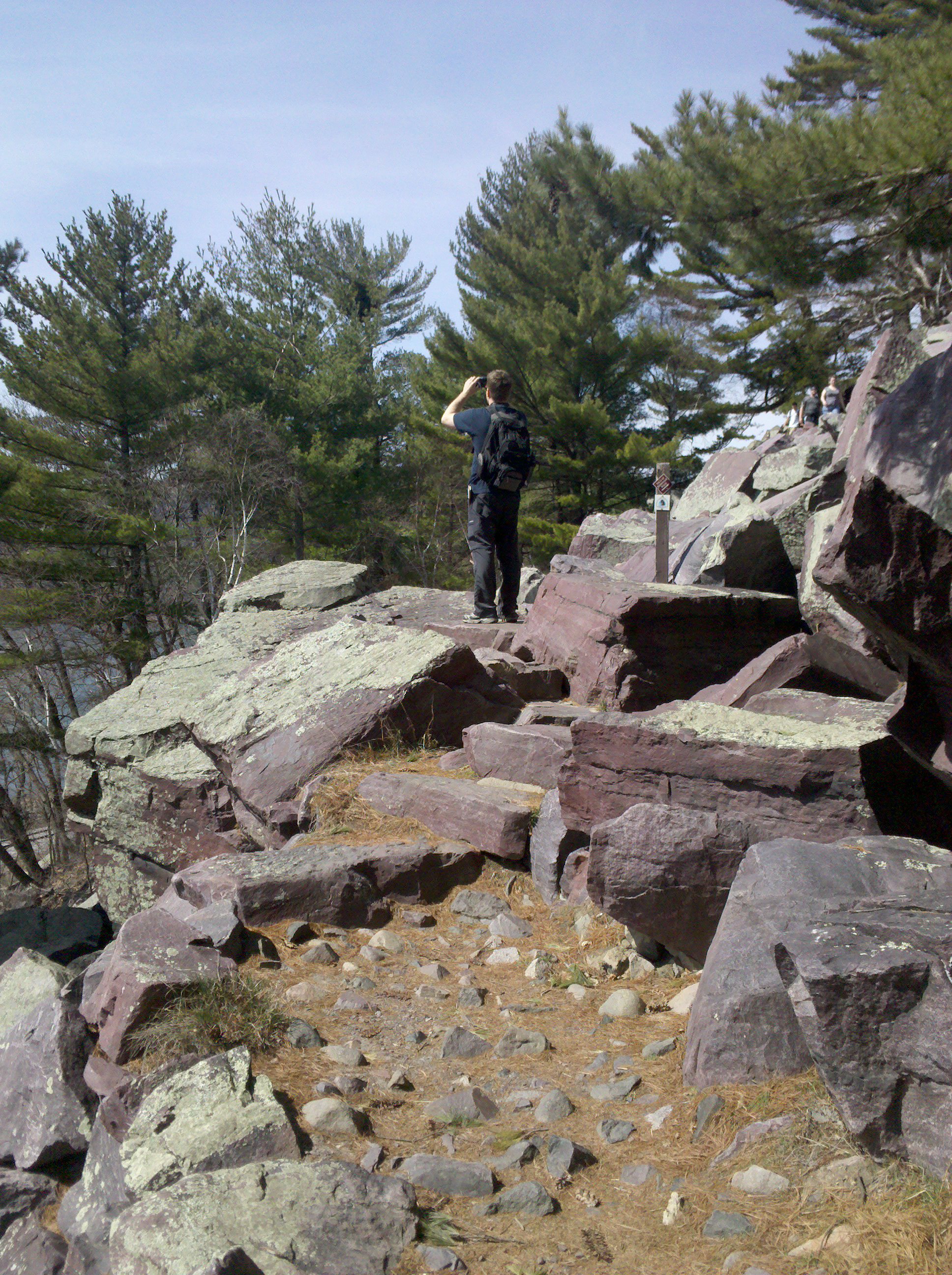
Hiking up the rocky "steps" is a great workout

A few weeks ago I had the good fortune to spend a few warm summer-like days in Wisconsin at the Wisconsin Dells. When I was  a child, my family used to take me and my brother to the

Dells and I have fond memories of lakes, hiking, go carts, haunted houses and, of course, Tommy Barlett’s water show with water skiers skiing in human pyramids.  Visiting again now so many years later, “the Dells,” as they are known to the initiated, are now a haven for water parks and other amusements. However, my man and I are always up for a bit of nature and hiking so we soon grew tired of the amusement park strip and headed to Devil’s Lake to hike up and down what we think of as a mini Yosemite, Devil’s Lake. Like much of Wisconsin, this region was created by glacial formations and so has a lot of very rocky terrain and tall cliffs to hike and rock climb.

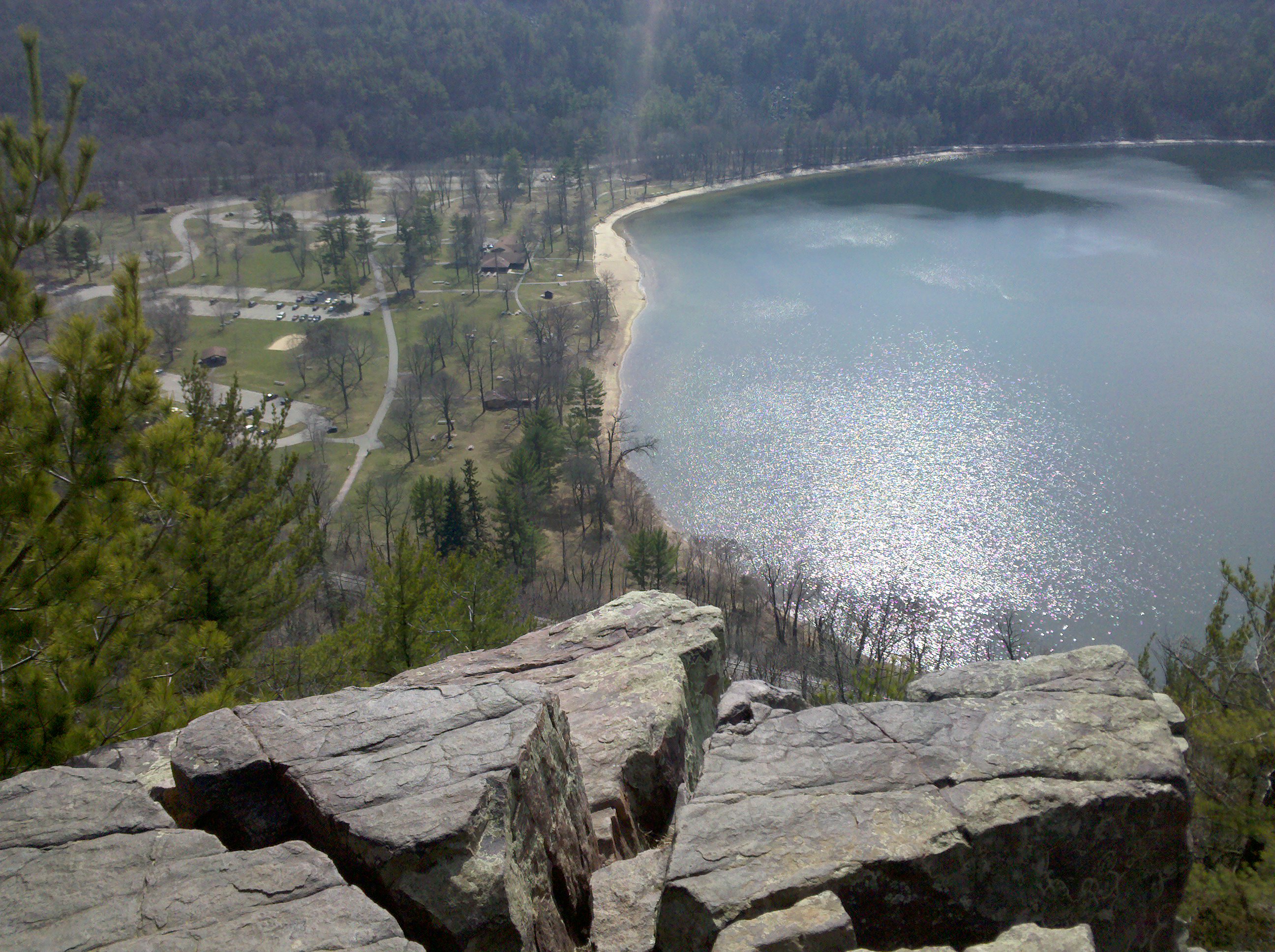
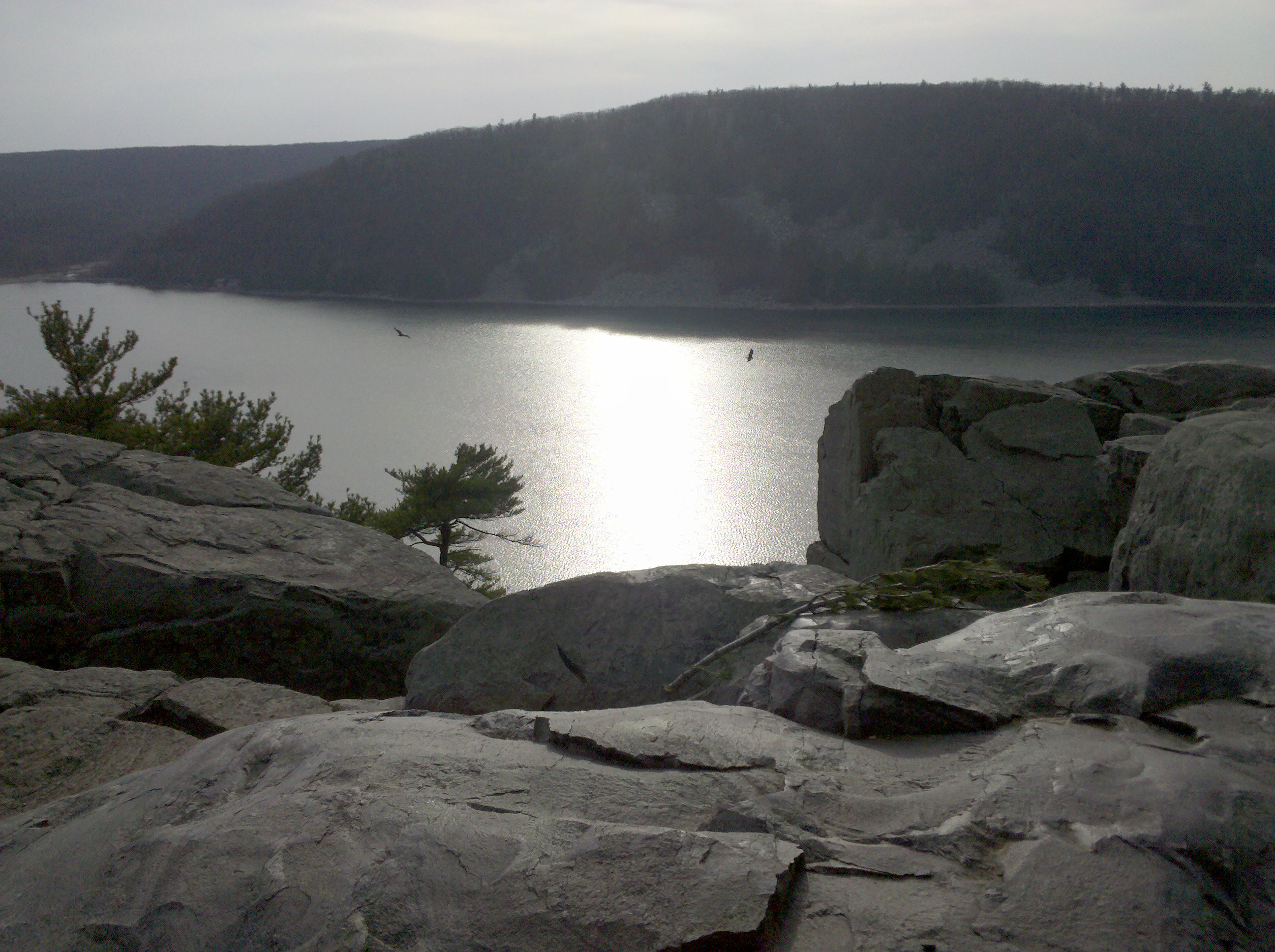
The day we were at the lake, March 31, the weather was warm, about 75 degrees F, and we saw kayakers out on the lake as well! Many families and couples were out that day. We hiked from about noon to 6pm and at sundown the views of the lake from high on the cliffs were spectacular. I’m sharing some of our pics from that day’s hike to help entice you to make your own journey to this beautiful natural park, unusually hilly (I’d say Mini-mountains is more like it) for the Midwest.  You don’t have to go far to find cliffs and rocks and lakes–Devils’ Lake is just about 3 hours Northwest of Chicago, about 30 minutes North of Madison, WI.

For info on Devils’ Lake, click here.

For directions, click here. Devil’s Lake State Park address: S5975 Park Rd., Baraboo WI 53913-9299 Phone (608) 356-8301

Fees

For an out-of state resident, a one day pass is $7. For an out-of-state annual pass, it’s $35. Camping is available at Devils Lake as well, click here.

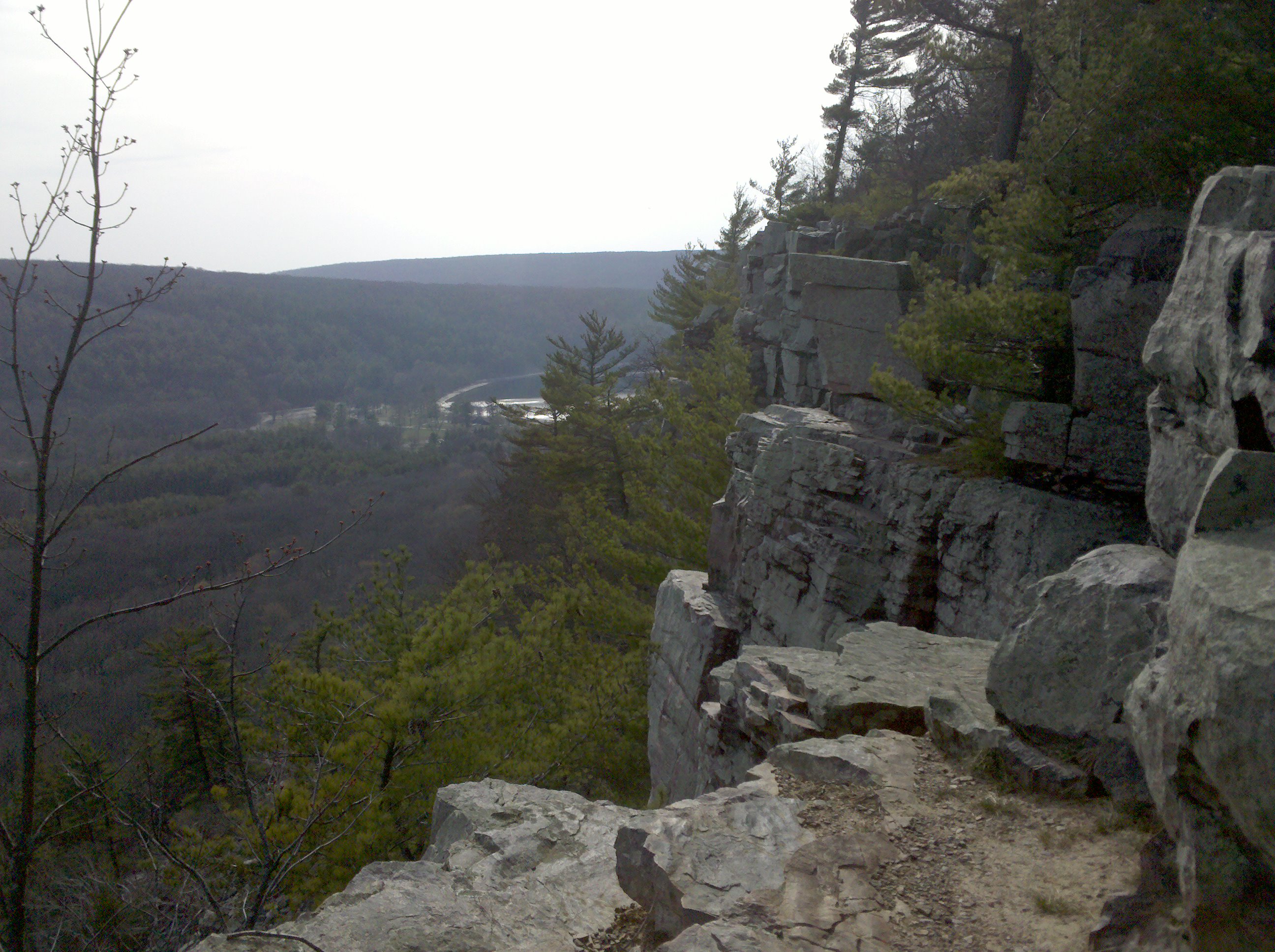
View of Devil's Lake from East Bluff nearly at the top of the cliff

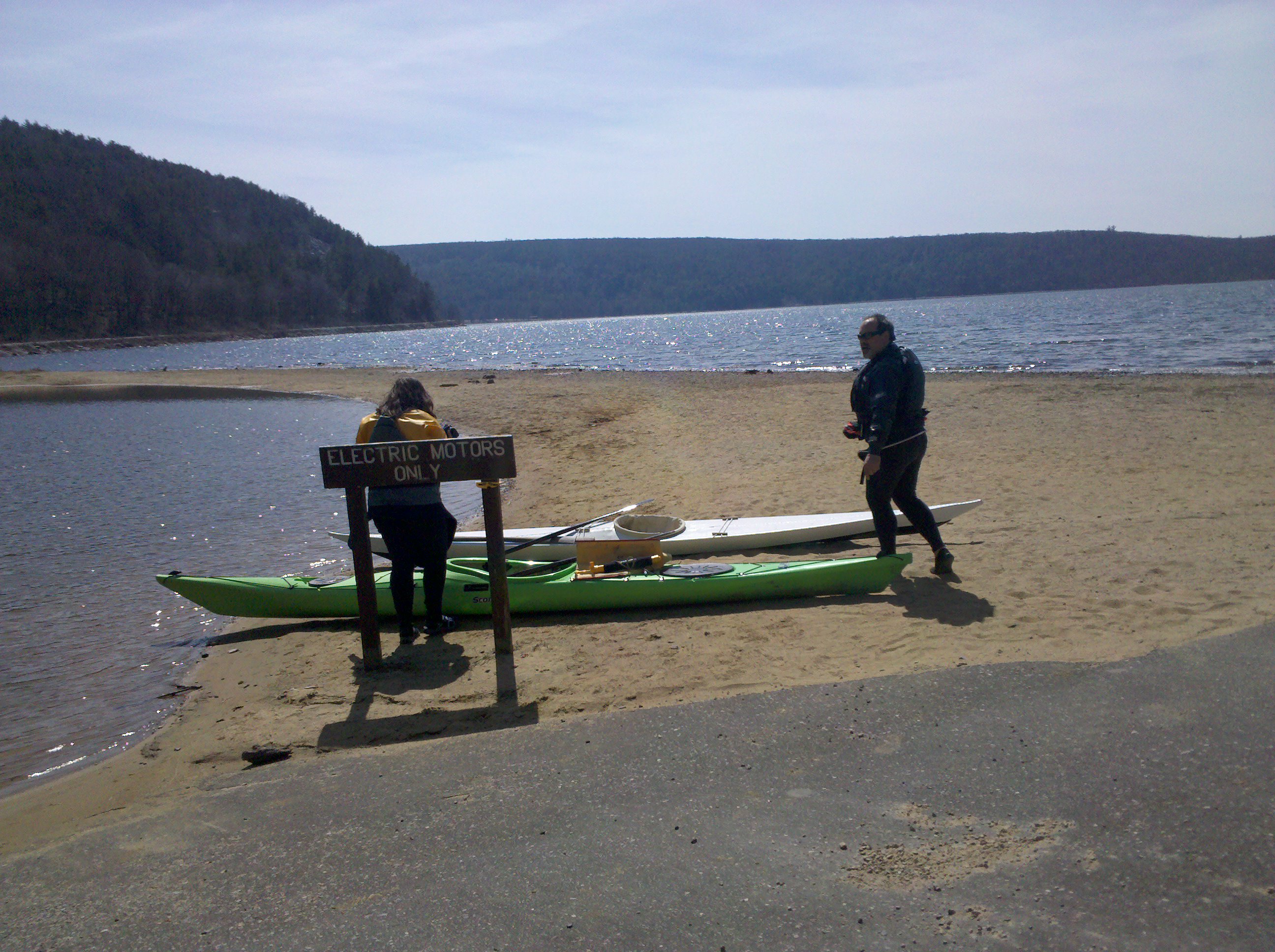
As we started our hike, we met one of the Park’s “rangers” as he and his companion started off on a kayaking trip around the lake.

What a great job! Manage the Park and go kayaking at lunch!

The water was cold, but soon will be a great place to swim!

The day we went was a pretty windy day, so you mostly hear wind instead of the relaxing waves lapping at the shore, but this short video gives you a nice view of the lake from the water’s edge.

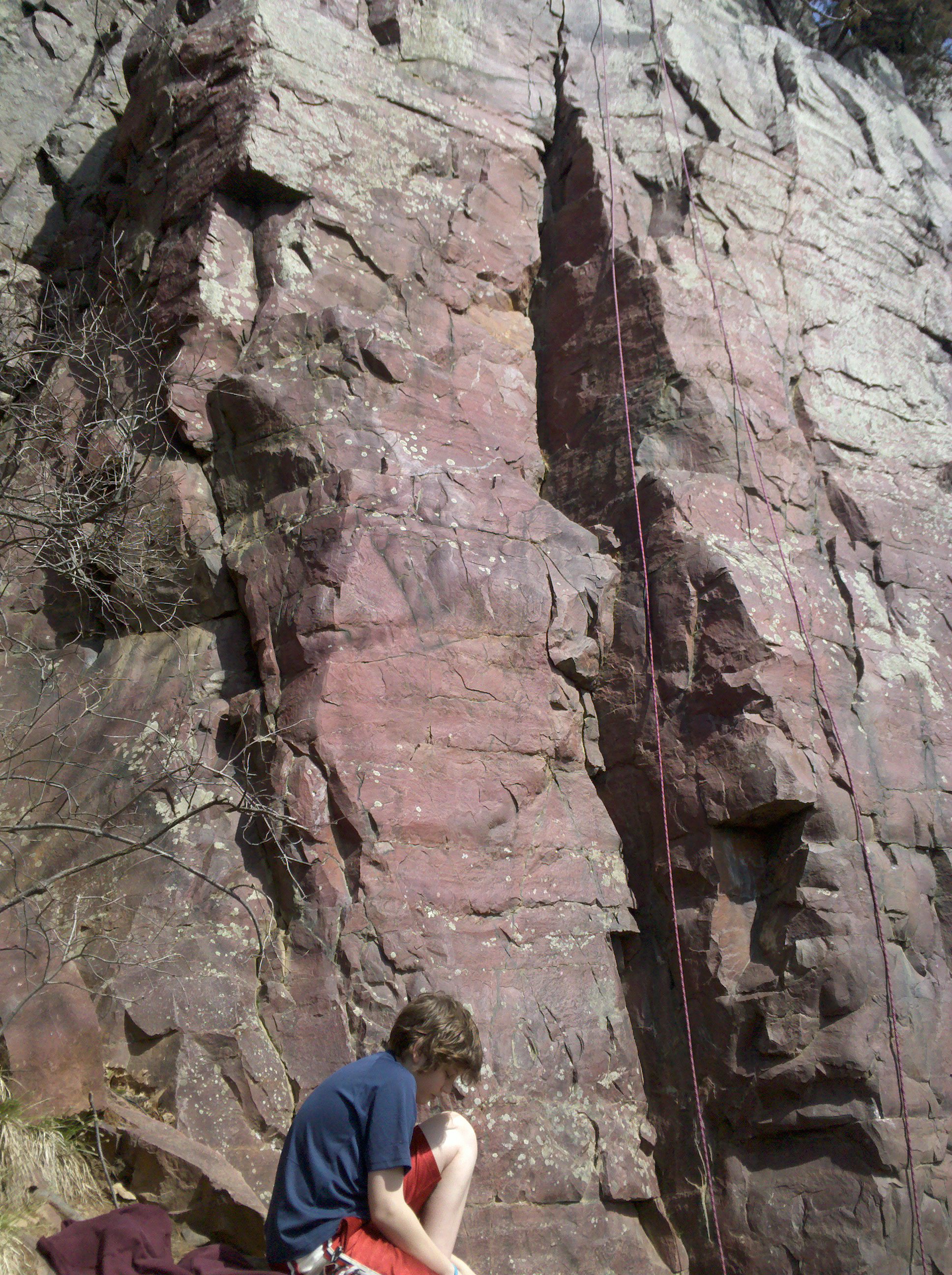
While we were hiking, we passed several groups of people practicing their rock climbing skills on walls of rock.

Rock climbers taking a break

We spent 6 hours hiking up and down different areas of the East Bluff Trail. The hike was fairly strenuous in parts because we choose routes that took up up and down the rocks to really challenge our cardiovascular systems and of course our calves! (Which were good and sore the next day)

No, this is not Yosemite, California, it’s Devil’s Lake, Wisconsin!

Sundown at Devil's Lake, WI

And at the end of our long day hiking, instead of relaxing in a nice jacuzzi, we decided to head over to the indoor waterpark Mount Olympus at Hotel Rome where we were staying. We spent two more hours climbing up and down stairs so we could slide down long winding water slides. In one day we gave our bodies and our minds a lot to enjoy!

Read Full Post »

« Newer Posts - Older Posts »