Feeds:
Posts
Comments

Archive for the ‘Nature and Stress’ Category

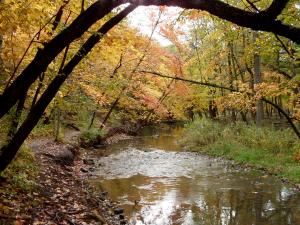
walk_in_park
Image by rosemaryann11 via Flickr

By Sue Shekut, Owner, Working Well Massage, Licensed Massage Therapist, Certified Wellness Coach, ACSM Personal Trainer

I wonder sometimes if my readers get sick of me writing about exercising in nature! Some of my friends say they hate bugs and humidity. Some people may not have much experience in nature (especially if they grow up in an urban environment) and may be hesitant to try hiking or outdoor fitness routines. I was fortunate to have a father that was a nature lover. We spent every summer vacation camping, usually in Wisconsin. And many weekends were spent in nearby forest preserves or parks. In each home we lived in we had an outdoor garden.  My Dad introduced us to canoeing, pontoon boating, downhill skiing, cross country skiing, hiking, bicycling, paddle boating, berry picking,  swimming in the Great Lakes and smaller lakes,  and watching ducks fly south from Horicon Marsh. He was also a former gymnist and bodybuilder and taught us how to lift weights and run on treadmills in the winter. We weren’t “rich” monetarily, but we were rich in family time, the ability to spend time in nature and in fresh air, and good cardiovascular workouts!

As an adult I’ve enjoyed time spent in the gym, but I tend to gravitate towards nature. Now years later, more and more more research is showing that my natural inclination and my father’s tendency to get us outdoors is actually better for your health. Read the excerpt below from the University of Essex about a study  that shows even a 5 minute walk or time spent gardening can have immediate positive effects on your health. That’s right bug haters–it only takes 5 minutes to have a benefit! So grab the Off or Citronella and get outside!

A Walk A Day Keeps the Doctor Away

Just a small ‘dose’ of nature every day will benefit people’s mood, self-esteem and mental health, a new study by the University of Essex has shown. Surprisingly the research found that just five minutes of green exercise produced the largest positive effect.

Previous studies by the researchers had confirmed the links between nature, exercise in green environments, and health benefits. But this study is the first to quantify the health benefits in terms of the best ‘dose’ of nature.

The research by Dr Jo Barton and Professor Jules Pretty is published online (and in print on 15 May) in the American journal, Environmental Science and Technology.

Their analysis of 1,252 people (of different ages, gender and mental health status) drawn from ten existing studies in the UK, showed that activity in the presence of nature (green exercise) led to mental and physical health improvements. The activities analysed were walking, gardening, cycling, fishing, boating, horse-riding and farming.

‘For the first time in the scientific literature, we have been able to show dose-response relationships for the positive effects of nature on human mental health’, said Professor Pretty. The researchers concluded that green exercise should be developed for therapy purposes (green care), that planners and architects should improve access to green space (green design), and that children’s learning should include working in outdoor settings (green education).

‘A walk a day should help to keep the doctor away – and help to save the country money,’ said Dr Barton. ‘There is a large potential benefit to individuals, society and to the costs of the health service if all groups of people were to ‘self-medicate’ more with green exercise.’
Some of the substantial mental health challenges facing society and physical challenges arising from modern diets and sedentary lifestyles (such as the alarming growth in obesity) could be addressed by increased forms of activity in natural places, the authors argue.

All natural environments were beneficial (including urban green); although the presence of water generated greater effects. A blue and green environment seems even better for health, the authors stated.

Reblog this post [with Zemanta]

Read Full Post »

By Sue Shekut, Owner, Working Well Massage, Licensed Massage Therapist, Certified Wellness Coach, ACSM Personal Trainer

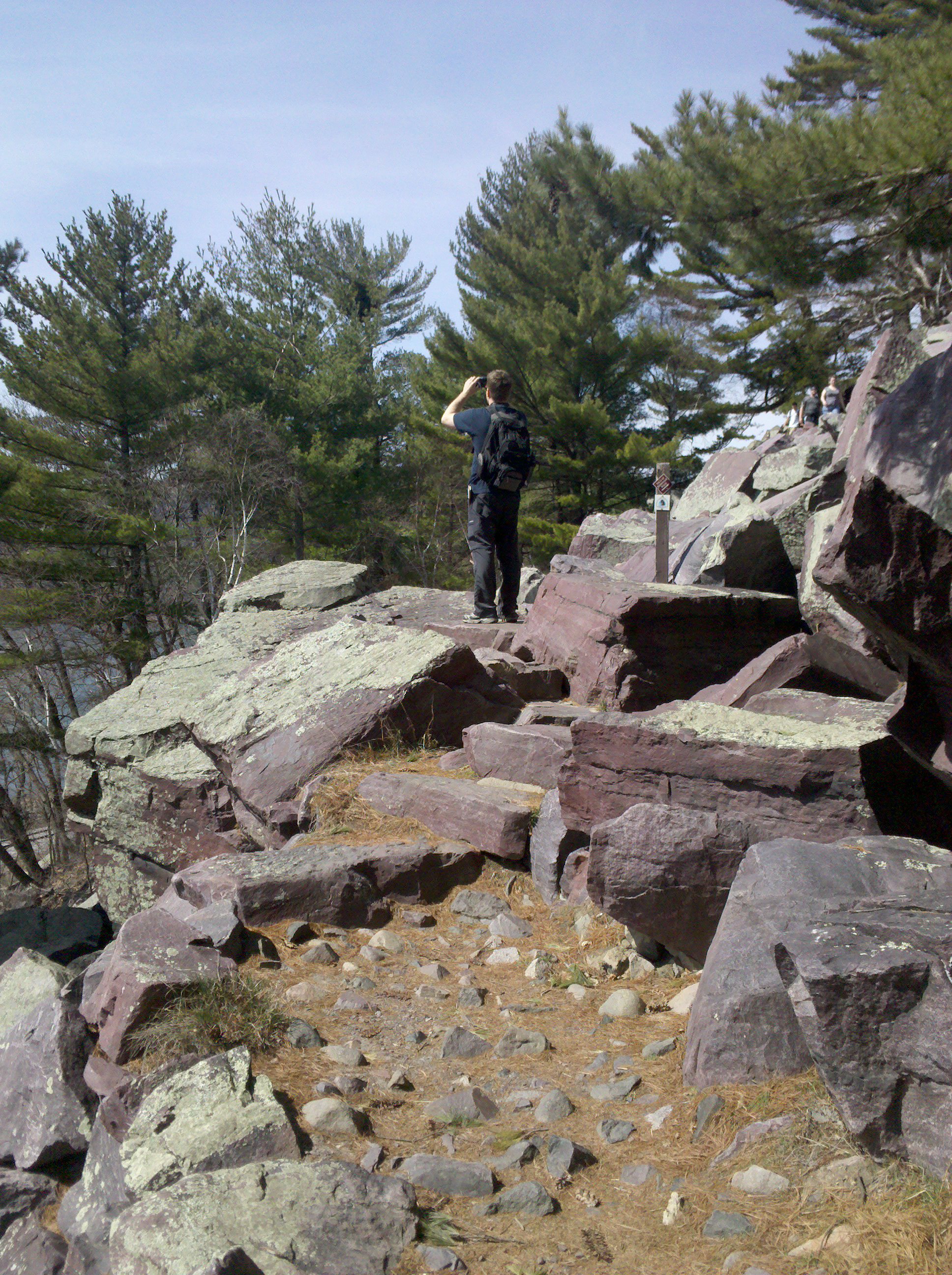
Hiking up the rocky "steps" is a great workout

A few weeks ago I had the good fortune to spend a few warm summer-like days in Wisconsin at the Wisconsin Dells. When I was  a child, my family used to take me and my brother to the

Dells and I have fond memories of lakes, hiking, go carts, haunted houses and, of course, Tommy Barlett’s water show with water skiers skiing in human pyramids.  Visiting again now so many years later, “the Dells,” as they are known to the initiated, are now a haven for water parks and other amusements. However, my man and I are always up for a bit of nature and hiking so we soon grew tired of the amusement park strip and headed to Devil’s Lake to hike up and down what we think of as a mini Yosemite, Devil’s Lake. Like much of Wisconsin, this region was created by glacial formations and so has a lot of very rocky terrain and tall cliffs to hike and rock climb.

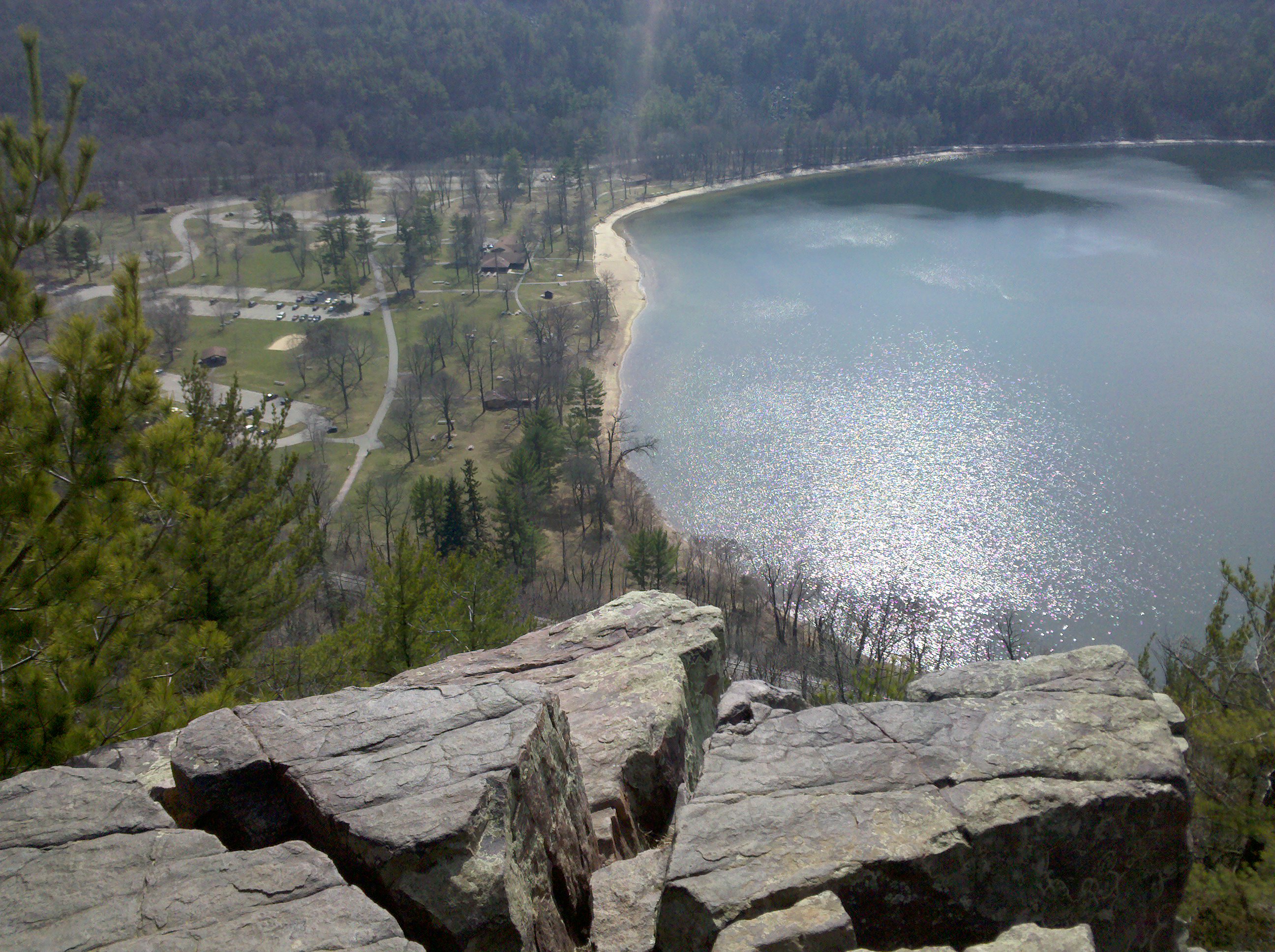
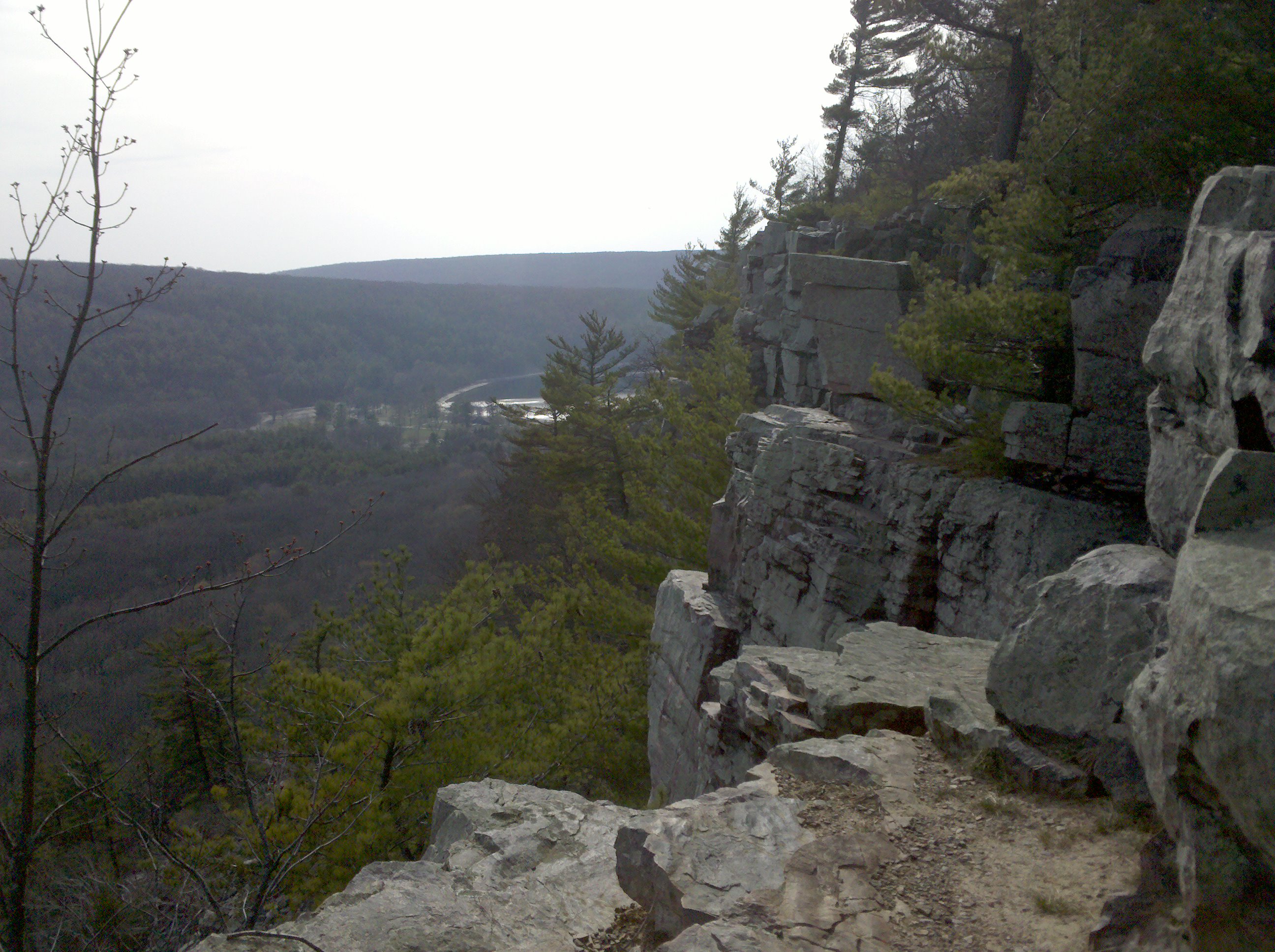
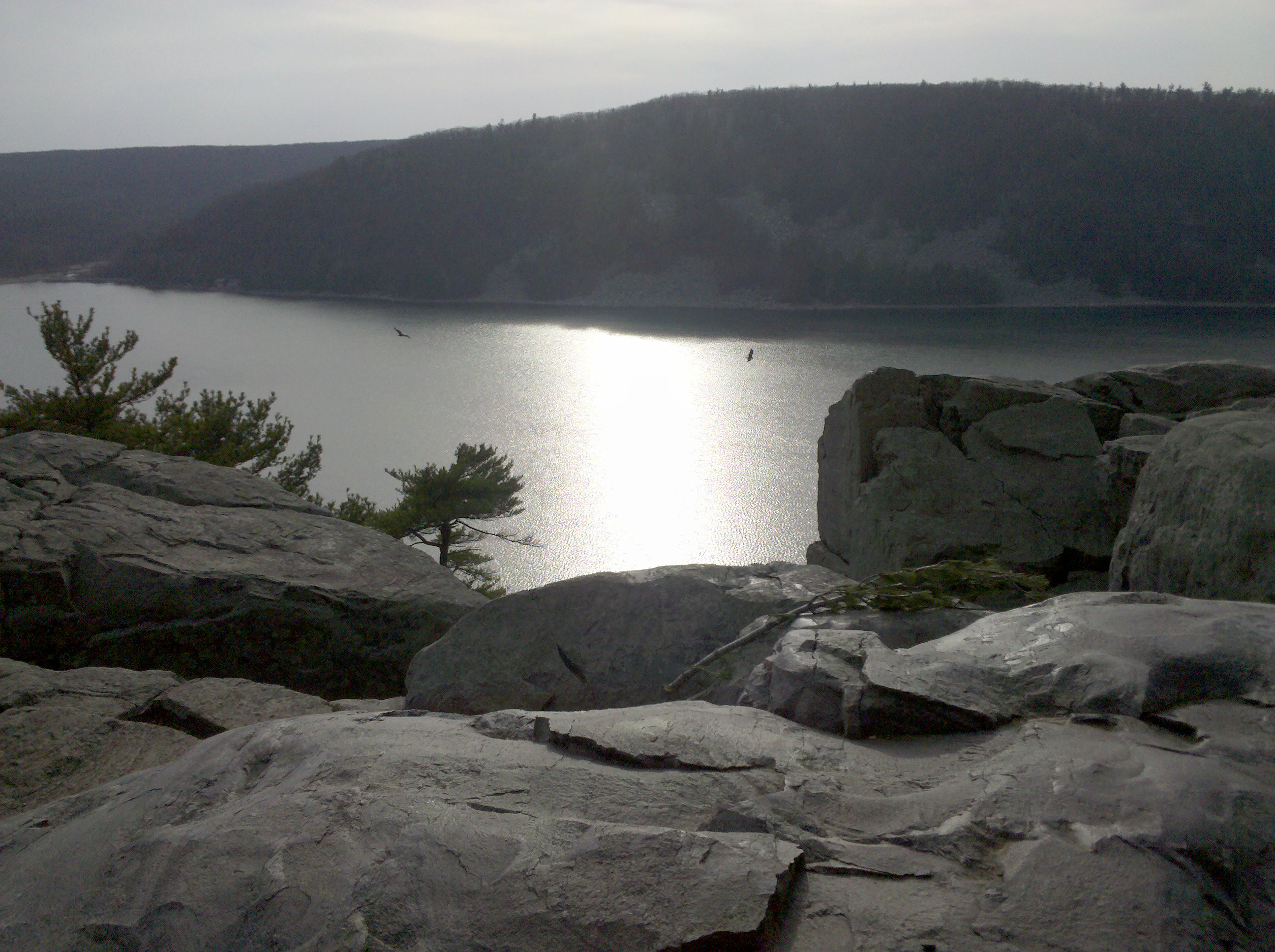
The day we were at the lake, March 31, the weather was warm, about 75 degrees F, and we saw kayakers out on the lake as well! Many families and couples were out that day. We hiked from about noon to 6pm and at sundown the views of the lake from high on the cliffs were spectacular. I’m sharing some of our pics from that day’s hike to help entice you to make your own journey to this beautiful natural park, unusually hilly (I’d say Mini-mountains is more like it) for the Midwest.  You don’t have to go far to find cliffs and rocks and lakes–Devils’ Lake is just about 3 hours Northwest of Chicago, about 30 minutes North of Madison, WI.

For info on Devils’ Lake, click here.

For directions, click here. Devil’s Lake State Park address: S5975 Park Rd., Baraboo WI 53913-9299 Phone (608) 356-8301

Fees

For an out-of state resident, a one day pass is $7. For an out-of-state annual pass, it’s $35. Camping is available at Devils Lake as well, click here.

View of Devil's Lake from East Bluff nearly at the top of the cliff

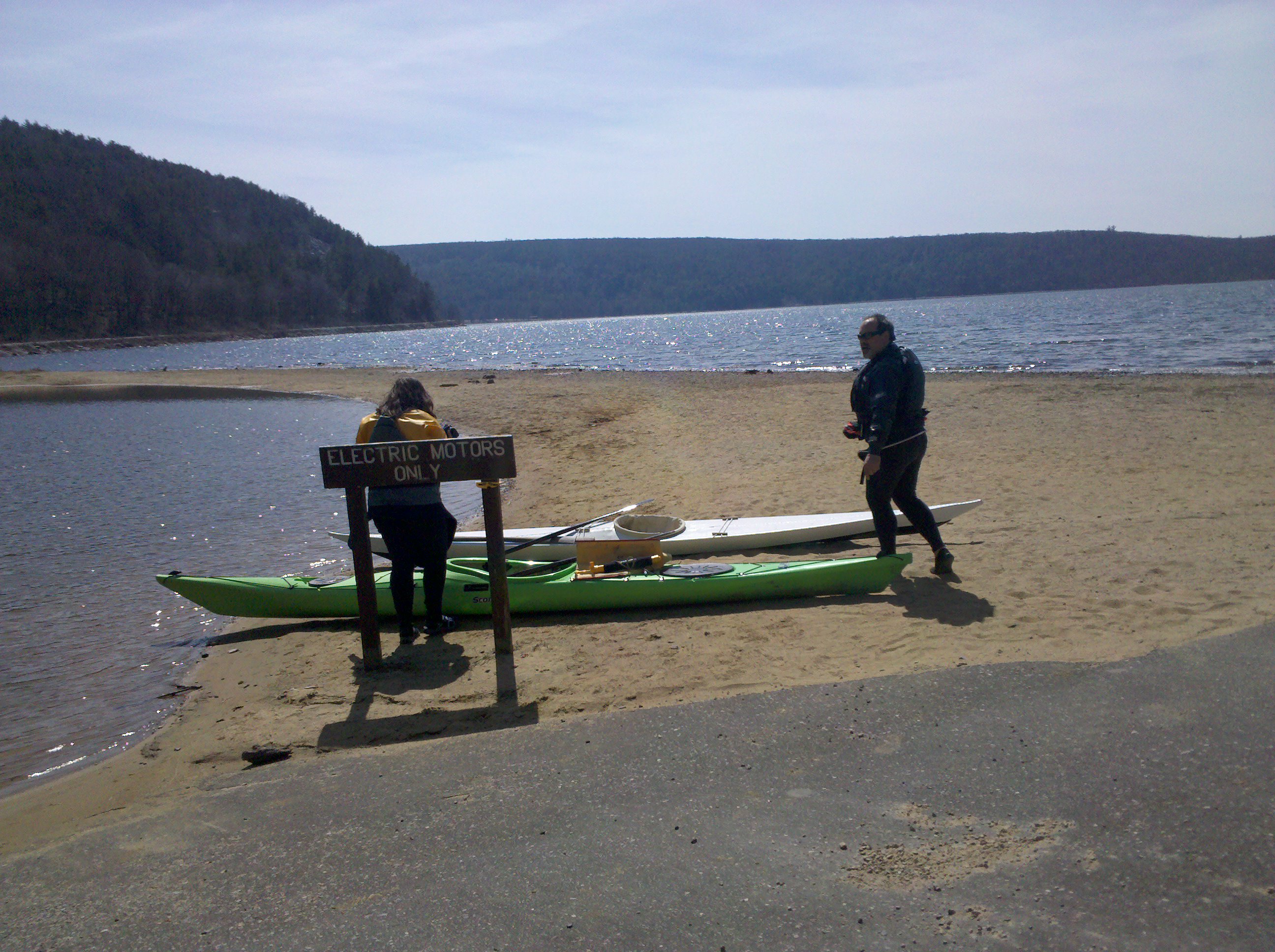
As we started our hike, we met one of the Park’s “rangers” as he and his companion started off on a kayaking trip around the lake.

What a great job! Manage the Park and go kayaking at lunch!

The water was cold, but soon will be a great place to swim!

The day we went was a pretty windy day, so you mostly hear wind instead of the relaxing waves lapping at the shore, but this short video gives you a nice view of the lake from the water’s edge.

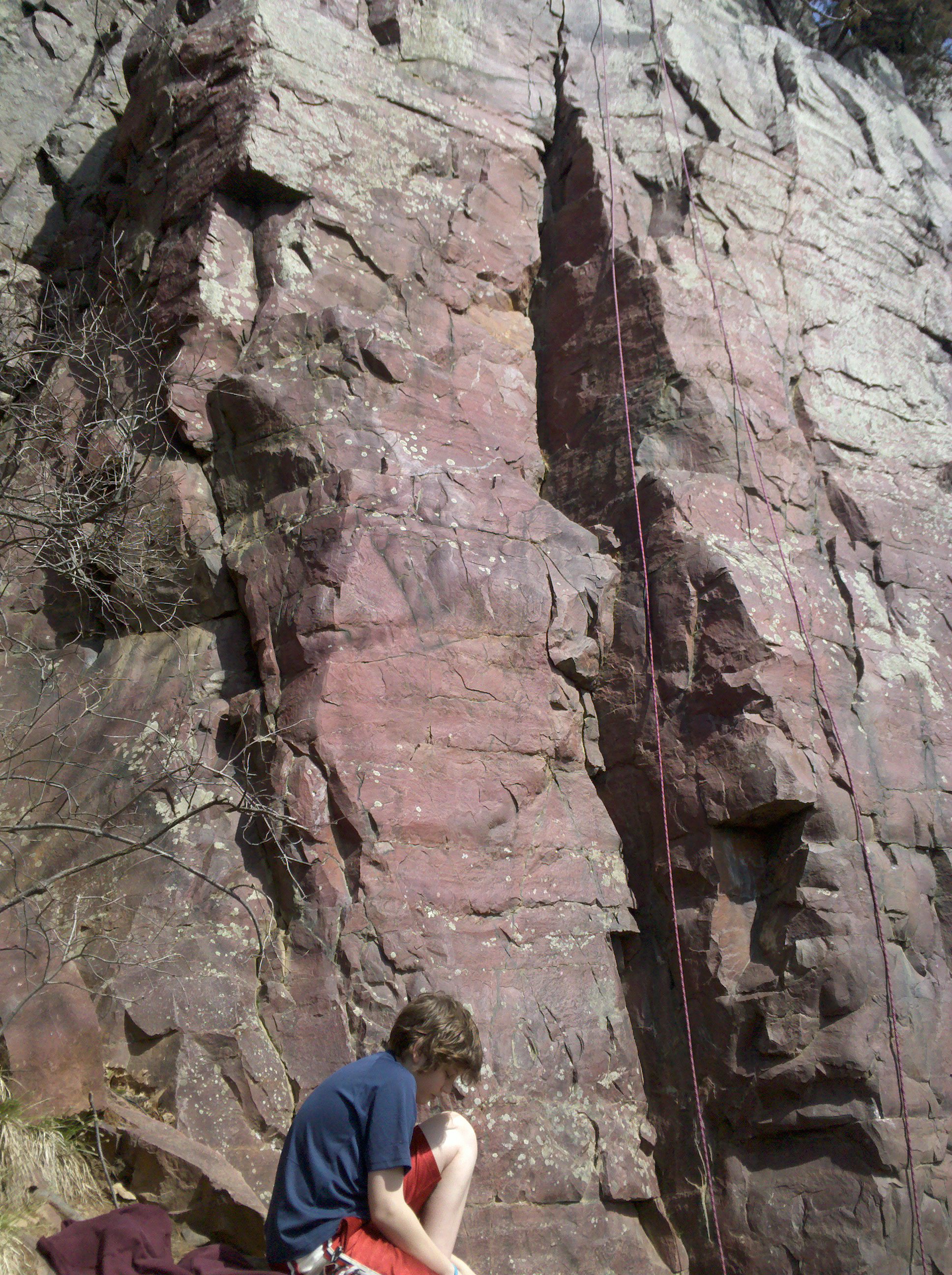
While we were hiking, we passed several groups of people practicing their rock climbing skills on walls of rock.

Rock climbers taking a break

We spent 6 hours hiking up and down different areas of the East Bluff Trail. The hike was fairly strenuous in parts because we choose routes that took up up and down the rocks to really challenge our cardiovascular systems and of course our calves! (Which were good and sore the next day)

No, this is not Yosemite, California, it’s Devil’s Lake, Wisconsin!

Sundown at Devil's Lake, WI

And at the end of our long day hiking, instead of relaxing in a nice jacuzzi, we decided to head over to the indoor waterpark Mount Olympus at Hotel Rome where we were staying. We spent two more hours climbing up and down stairs so we could slide down long winding water slides. In one day we gave our bodies and our minds a lot to enjoy!

Read Full Post »

By Sue Shekut, Owner, Working Well Massage, Licensed Massage Therapist, Certified Wellness Coach, ACSM Personal Trainer

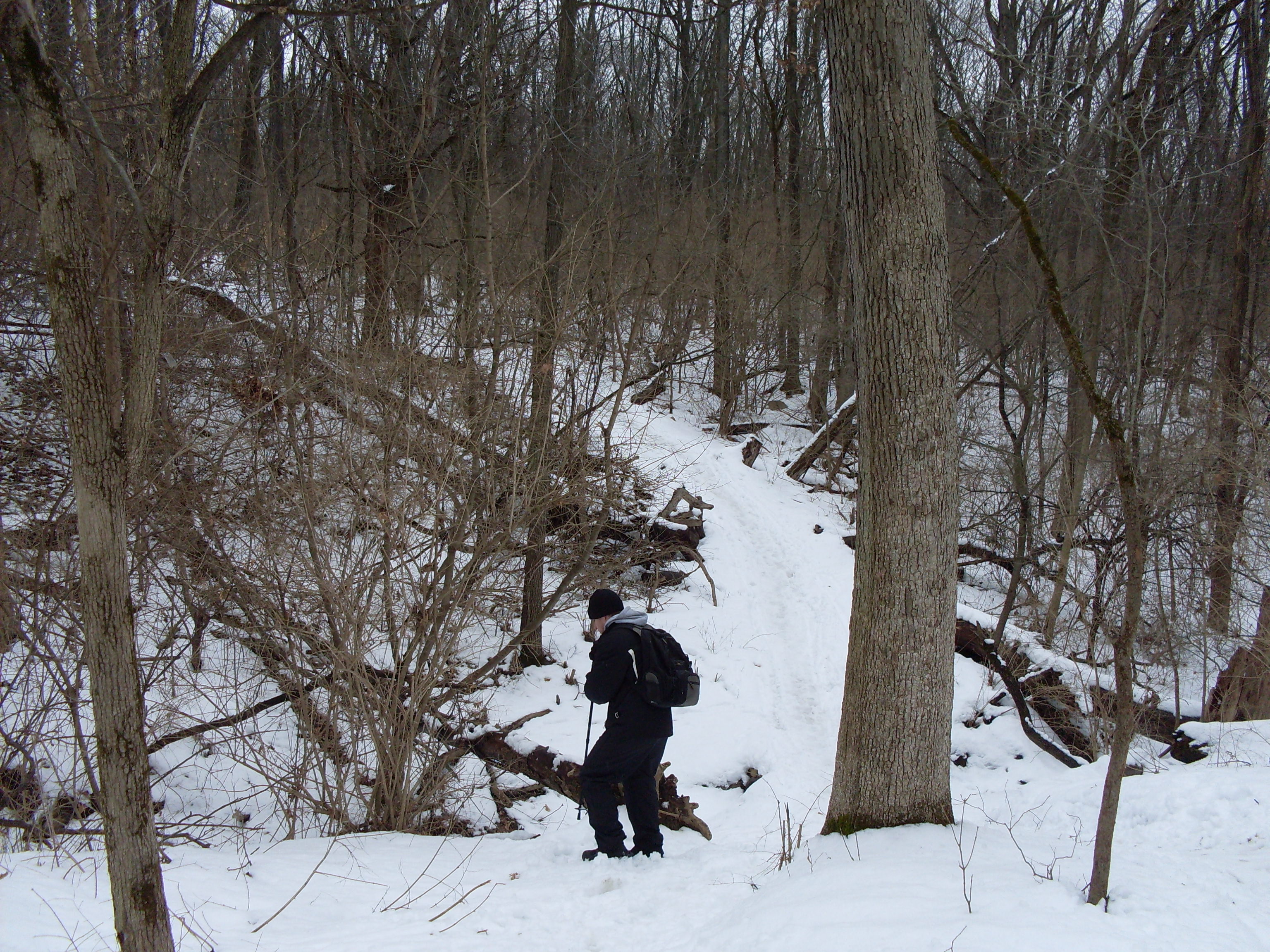
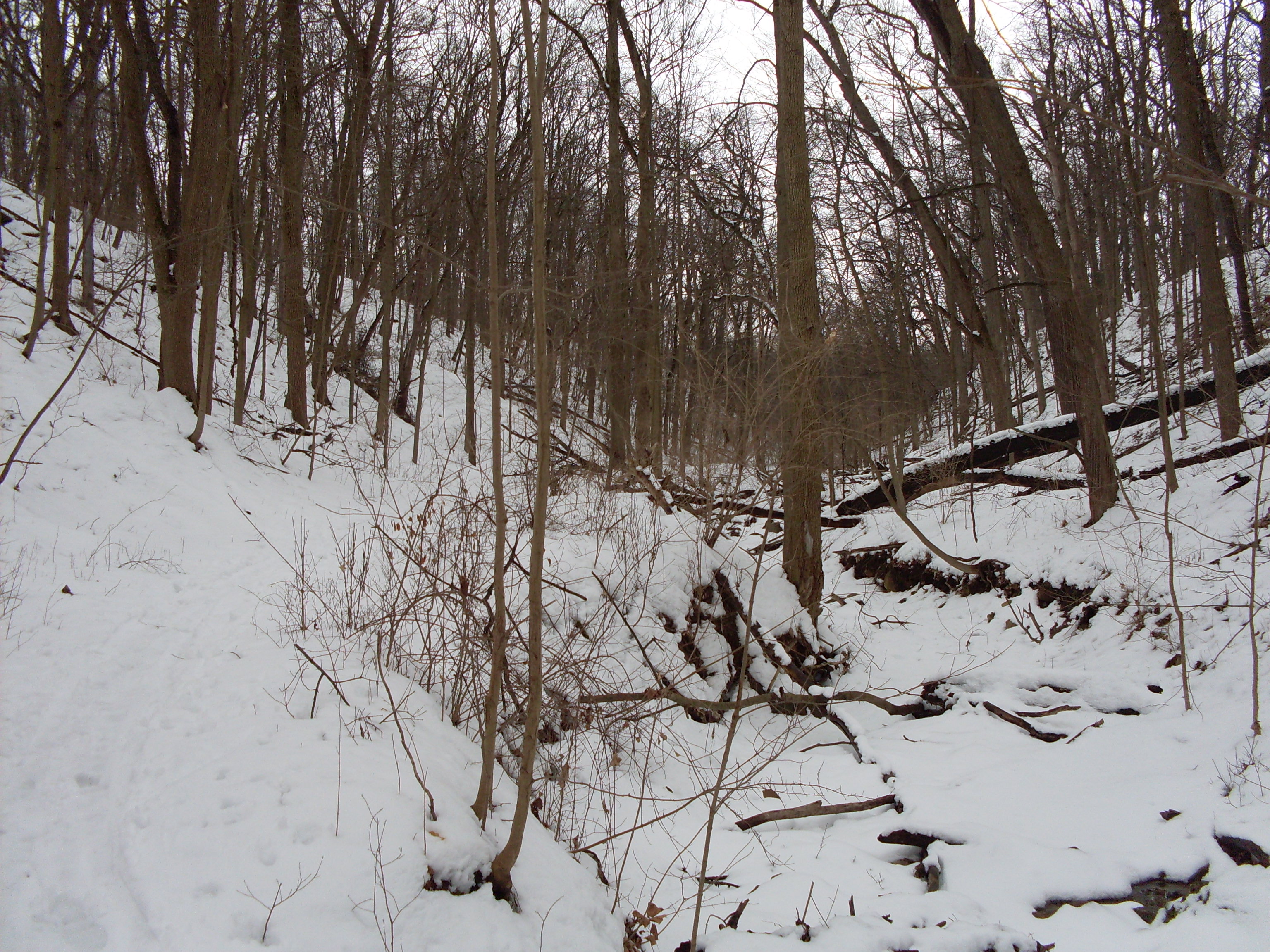
Hiking in Palos Forest Preserves in February 2010

Don’t let the snow and cold keep you from exercising outdoors. With the right gear and proper supplies, you can still hike and enjoy the great outdoors!  And the Chicago area forest preserves are open all winter to help keep you on track.

I’ve had the good fortune to get out a few times in the past month and hike in the Palos area forest preserves with my partner, Jay. We both have snow shoes and poles but it’s been too slushy for the snowshoes. So we hike it and use the polls for an even better cardio workout. Don’t get me wrong, the gym is still a great place to go in winter for cardio and strength training. But being outdoors gives your mind a chance to get away from televisions, loud music and…crowds.

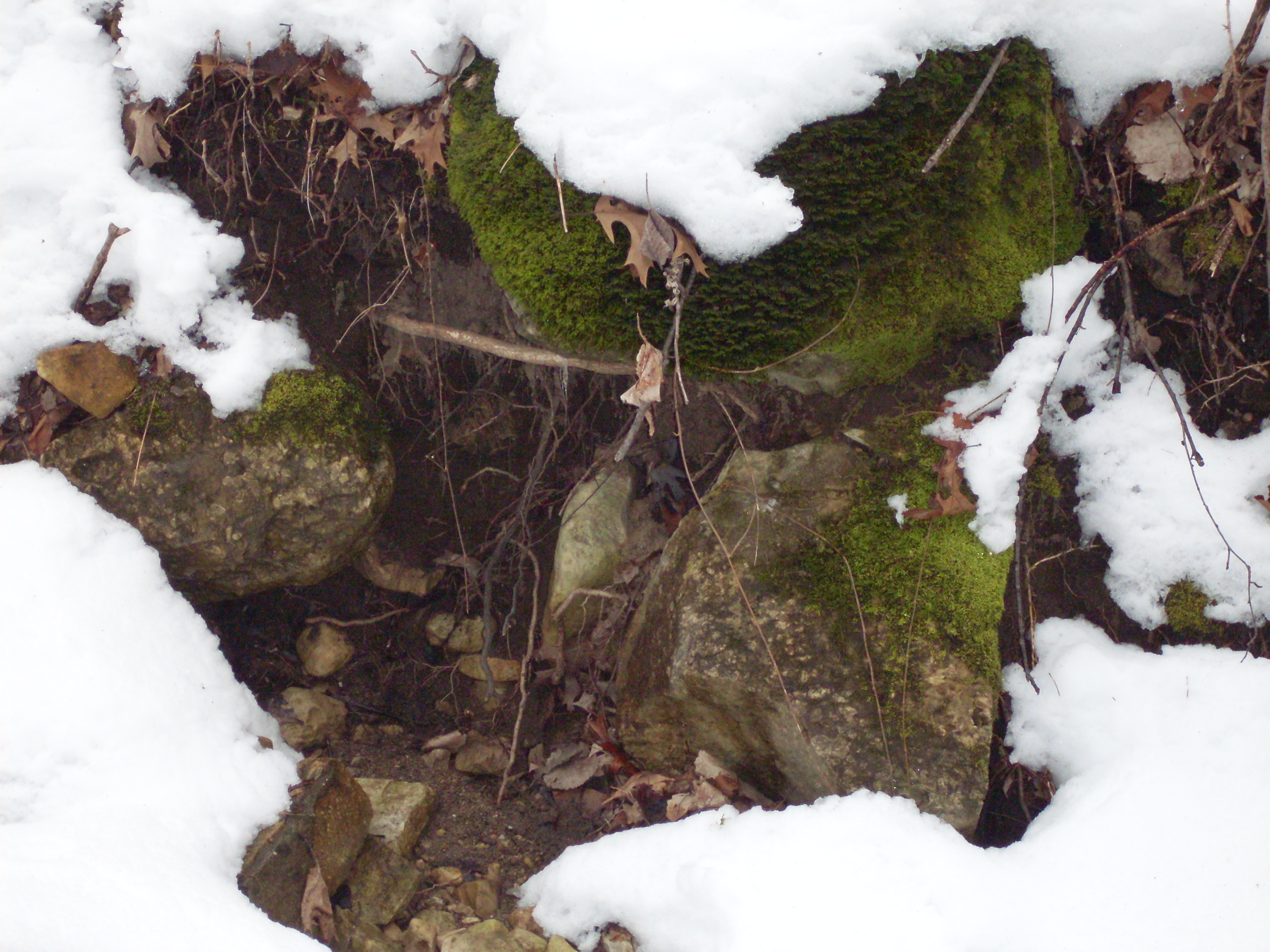
Moss covered rocks peeping through the snow heralding Spring!

We hike in waterproof boots and wear warm down coats. But as the hike goes on, we end up taking off our gloves and peeling off a layer as our bodies warm up.  It’s important to bring snacks to keep our blood sugar up and water for hydration. Even though it’s been relatively milder temperatures, we still need fluid and energy for the ups and downs of the ravines we travel.

If you feel a need to “get away from it all” but don’t have the time or money to fly somewhere, try the forest preserves in winter and see if a few hours of hiking in the woods doesn’t make you feel like you did indeed, “get way.”

Palos Ravines, the trail to the left, a nearly frozen creek to the right

For a map of the hiking trails in Palos Forest Preserves Trail System, click here.

Great Hiking Gear for Winter Hikes

• Columbia Sportswear Woman’s Moonlight Mover pant click here.

• Yukon Charlies 3 Section Adjustable Hiking/Snowshoe Poles click here.
• Pacific Outdoors Optima 10-by-32 Snowshoes click here.

Reblog this post [with Zemanta]

Read Full Post »

By Sue Shekut, L.M.T. ACSM Personal Trainer, Certified Wellness Coach, & Owner, Working Well Massage

Winter is here which means more and more snow soon. If you don’t want to exercise inside, you can ski or sled or snowboard. What about outdoor exercise for hikers and those that don’t want to travel to downhill ski?  Snowshoeing is becoming a popular way to get some cardiovascular workouts and the Chicago area Forest Preserves area available all winter!

Don’t have  experience snowshoeing?  Read the following excerpt from the “First-Timers Guide to ShowShoeing” below from SnowShoeing Magazine to learn all you need to know to get started!

First-Timers Guide to Snowshoeing

There is no better way to begin snowshoeing than just going and doing it. Take a risk, rent or buy a pair of snowshoes, dress for the elements and enjoy. However, that’s just a start – there is more to it than just taking a refreshing plunge in some snow.

Snowshoeing has been around for thousands of years. And, obviously, the art of snowshoeing has become more sophisticated over time – now it’s considered a winter sport. From the early wood-frame to the aluminum-frame models, snowshoeing has garnered quite a following throughout the world. Modern day snowshoeing is made up of casual snowshoers who hike trails for pleasure, the snowshoeing enthusiasts who trek through the backcountry, and the competitors who race.

Considering this is the fastest growing winter sport in the world (snowboarding is growing fast too, but not fast enough), snowshoeing is poised to become a monster of a market. Many involved in skiing and snowboarding utilize snowshoes to participate in some great backcountry hikes to find the holy grail of mother nature: Deep, unscathed powder. Snowshoeing is a great alternative for many sports – especially those who like running.

What’s So Great About Snowshoeing?

The sport is easy to learn, virtually inexpensive (compared to other winter sports), poses little risk of injury and is a great way to exert energy during the cold winter months. According to research provided by Snowsports Industries America (SIA), 40.8 percent of snowshoers are women (a number that is increasing rapidly), 9.4 percent of snowshoers are children (ages 7-11), and 44.2 percent of snowshoers are ages 25-44.

shoe5

SnowShowing burns more claories than walking or running. Image from SnowShowing Magainze

One of the more appealing facts about snowshoeing is how it can help enrich a person’s health. Known to help maintain or improve cardiovascular fitness, the sport helps burn more than 600 calories per hour. Snowshoers can burn more than 45 percent more calories than walking or running at the same speed, according to SIA. Snowshoeing is a great way to pursue losing weight.

What to Look For in a Pair of Snowshoes?

When buying or renting a pair snowshoes, keep in mind the following details:
There are three types of snowshoes available: Recreational Hiking, Aerobic/Fitness and Hiking/Backpacking.
• Recreational hiking snowshoes are a basic selection and are perfect for first-timers. Usually, these snowshoes work best on simple terrain that doesn’t require a lot of steep climbing or descents.
Snowshoes for aerobic/fitness are best suited for those who are active snowshoers – like runners and cross-trainers. This type of snowshoe has a very sleek design and is generally tougher than most available.

Snowshoeing at The Basin Phippsburg 08

Snowshoeing. Image from outdoors.mainetoday.com

• If you like the powder and are more experienced with snowshoeing, purchasing a pair of hiking/backpacking snowshoes is your ticket. These are as tough as they come: Strong aluminum frame, durable material for flotation, and bindings that support all types of boots.

• The cost for a pair of snowshoes is generally inexpensive. Look to spend on the low-end around $100 and on the high-end around $300 (sometimes higher depending on the manufacturer).

grnshoe

Northlites Snowshow from northernlites.com

• Many retailers will offer a package deal that will provide poles and a snowshoe bag. These are generally good deals, but pay particular attention to the type of snowshoe you will be receiving. If you want to do some backcountry snowshoeing, a starter kit won’t be the best option. Ask your retailer for more details.

• It is highly advised not to purchase a used pair of snowshoes. If you decide to go through with buying a used pair, inspect them thoroughly: Check the frames for damage (including chips), check the bindings for overstress and check the flotation material for holes and rips. Know who you are buying your snowshoes from. Don’t get caught in the backcountry with a faulty pair of shoes.

• Finally, as one of the most important factors in snowshoeing, choose according to the size available. Usually measured in inches, the length will depend upon how much you weigh. The most common sizes (excluding kids lengths) are 25 inches, 30 inches and 36 inches. Your retailer should be able to help you when deciding snowshoe length.

Where to Buy or Rent a Pair of Snowshoes?

There are plenty of snowshoe retailers to choose from. However, there are more obvious choices than others. For example, REI and Eastern Mountain Sports (EMS) sell snowshoes around the nation – they are the obvious retailers. The less obvious retailers are independent stores that may include equipment for running and local mountain outfitters.

If you really want a nice selection of shoes to purchase from a retailer, visit Backcountry.com: Click here. Backcountry.com is the place to buy not only snowshoes but accessories as well. They also have great prices on certain brands, models and snowshoe starter kits.

Where Should You Go Snowshoeing?

If it’s covered in snow…go for it!But, be careful. Don’t take risks and most importantly, have fun.

The prime areas for snowshoeing are at nordic centers, which are usually placed in or around a ski resort. Other types of snowshoeing destinations include bed and breakfast inns, mountain lodges, state parks, national parks, snow-covered golf courses, open space (provided by your state government), ski slopes, and much more.

Although many people like the individuality and peacefulness of snowshoeing, it’s a good idea to snowshoe with a friend or partner. And, bring a global positioning system (GPS) device and a compass to help better navigate remote and wooded areas.

Please note: Remember to bring plenty of water or a water filter on your snowshoe travels.

Read entire article from the “First-Timers Guide to ShowShoeing” below from SnowShoeing Magazine here.

What Type of SnowShoes Do I Use?

I recently bought a new pair of snowshoes from Amazon.com and plan to hit the trails as soon as there is more snow!
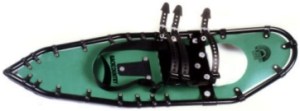
I bought the Pacific Outdoors Optima 10-by-32 Snowshoes

Pacific Outdoors Optima 10-by-32 Snowshoes

Available here from Amazon for about $78.00

Reblog this post [with Zemanta]

Read Full Post »

The holidays can be stressful. Shopping, parties, family obligations, and of course, extra traffic, can all lead you to feel a little anxious. But what happens when that stress produces a full blown anxiety attack? Read on to find the latest treatments for panic disorders and some simple fixes you can do for stress and anxiety…even if you don’t have full blown panic attacks! (Hint: Cutting down caffeine really helps curb anxiety.)

Excerpted from High Anxiety by Joseph Hart in Experience Life

40 million Americans who have been derailed by what psychiatrists call “anxiety disorders.” It’s a broad medical diagnosis that includes several distinct categories:

Obsessive-compulsive disorder, which consists of intrusive thoughts (obsessions) combined with repetitive behaviors (compulsions), such as excessive hand washing, that the sufferer performs to avoid the obsessive thoughts.

Panic disorder refers to recurring episodes of intense physical fear, without an obvious or immediate source of fear. These episodes, also called anxiety attacks, are commonly characterized by heart palpitations and may be accompanied by chest pains. It might also be difficult to breathe, and you may feel like you are choking (symptoms that can make the situation even more frightening and further ratchet up anxiety).

Posttraumatic stress disorder (PTSD) follows a severe traumatic event that threatens actual harm.

Social anxiety disorder describes the condition of people who suffer overwhelming anxiety when faced with everyday social interactions.

Generalized anxiety disorder is a catchall category that describes any chronic anxiety or exaggerated worry that lacks an obvious cause.

While these diagnoses, symptoms and distinctions sound clear-cut on paper, in practice they are anything but. In part, this is because separating the typical from the pathological isn’t always easy. The human brain, it seems, is hardwired to worry even under the best of conditions.

“Because we humans have prefrontal lobes, we can anticipate the future and make up a scenario that is harmful
to us,” says Melissa Blacker, MA, a psychotherapist and associate director of the Stress Reduction Clinic at the University of Massachusetts Medical School’s Center for Mindfulness.

Some degree of anxiety and fear are normal responses to life. “Healthy anxiety is part of our fight-or-flight response system,” says Jonathan Abramowitz, PhD, director of the Anxiety and Stress Disorder Clinic at the University of North Carolina, Chapel Hill. “As a basic emotion, it is helpful. In fact, we would all be dead without it, because it protects us from harm.”

So where does a healthy emotional response to stress leave off and an anxiety disorder begin? “Anxiety is a response to the perception of threat,” Abramowitz explains. “When we’re talking about a real danger, that’s healthy stress and anxiety, but when the perception of threat is based on either a misinterpretation of the severity of the threat or the likelihood of harm, then we’re talking about a disorder.”

Mind-Body Connections

The biological processes triggered by anxiety — sweaty hands, shallow breathing, increased heart rate, dizziness — are hardwired human responses to stressful situations. Most of these responses serve some biological purpose, such as preparing our bodies to react (fight or flee), or they are the byproduct of the chemicals, such as cortisol and adrenaline, that such a reaction might require. It’s when we perceive a major threat in situations where, objectively speaking, there is little or none — for example, in a crowded elevator (claustrophobia), crossing a bridge (fear of heights), leaving the house (agoraphobia) or at an office mixer (social anxiety) — that anxiety is classified as a disorder.

The more frequently or dramatically an unwarranted response occurs, and the more it interferes with a person’s daily life, the more severe that classification is likely to be.

Although pharmaceutical drugs can help moderate our bodies’ physical response to stressful thoughts or stimuli, nonpharmaceutical treatments — like cognitive behavioral therapy (CBT) — are beginning to replace drugs as the preferred treatment for anxiety disorders.

Unlike medications that attempt to suppress our physiological responses to perceived threats, CBT is aimed at correcting our perception of those threats, and thus encouraging a self-moderating response.

The first goal of CBT is simply education, says Abramowitz. “We teach people about their symptoms,” he explains. “We explain that when you feel nauseated, it’s not because you’re going to throw up; when your heart races, it’s not because you’re having a heart attack.” For many, just recognizing the symptoms of anxiety for what they are — and realizing that they do not represent an immediate danger — can prevent an attack from worsening.

The second phase of CBT focuses on exposure and response protection. Some CBT therapists actually place the sufferer in the situation that causes him or her fear — whether that situation is external, like playing with a large dog, or internal, like experiencing an accelerated heart rate. “When a person repeatedly confronts their fears, they learn that the outcomes they worry about aren’t nearly as likely as they think,” Abramowitz explains.

Moreover, they learn that the initial fight-or-flight response is transitory; anxiety eases when you’re able to stay in a situation and your fears aren’t realized.

It can take 10 to 15 sessions of CBT to produce lasting results, says Abramowitz, and the success rate is fairly high — as many as 70 percent of patients conquer their anxieties. (To find a cognitive-behavioral therapist near you, visit the National Association of Cognitive-Behavioral Therapists at http://nacbt.org/searchfortherapists.asp.)

Anxiety as a Physical Condition

The physical aspects of anxiety — our fight-or-flight response — are governed by the sympathetic nervous system. CBT works by essentially reprogramming our involuntary activation of this system. But other treatment approaches focus on the body’s parasympathetic nervous system, which regulates the healing, recharging part of the nervous system and helps shut off the fight-or-flight response.

Patricia Gerbarg, PhD, MD, a clinical psychiatrist at the New York Medical College and coauthor of How to Use Herbs, Nutrients, and Yoga in Mental Health Care (Norton, 2009), is studying how to activate the parasympathetic nervous system to quiet anxiety. She and her colleagues have discovered that some ancient practices are highly effective.

In particular, yoga breathing induces a very calm, clear-minded state — the opposite of the anxious fight-or-flight state of the sympathetic nervous system. “When you change the pattern of breathing,” explains Gerbarg, “it changes what happens in your emotion centers and thinking centers,” slowing the fight-or-flight actions of the amygdala and quieting the areas of the cortex that process worry.

Gerbarg and her colleagues have been able to quantify the effects of breathing techniques on the parasympathetic nervous system, and they are using what they’ve learned to train patients to interrupt anxiety with breathing. “We have seen some very rapid effects,” she says. “In five minutes, people may go from severe anxiety to complete relaxation.”

Psychotherapist Kathryn Templeton, who spent 20 years working with soldiers suffering from PTSD at the National Center for Posttraumatic Stress Disorder at the U.S. Department of Veterans Affairs and now works with abused children, uses breathing and yoga extensively in her treatments. She has her patients begin by inhaling slowly for three counts and exhaling for six counts, a practice that cultivates awareness of their breathing patterns. “Breathing creates resiliency and releases tension,” she explains. It is physically impossible to breathe deeply and feel anxious at the same time.

The power of breath to reduce symptoms of anxiety helps illustrate how anxiety lives in both brain and body. Because anxiety is as much a physical condition as a mental one, a variety of physical activities can offer relief.  Exercise in particular, writes Edward Hallowell in Worry: Hope and Help for a Common Condition (Random House, 1998), “is a terrific antidote for worry.”

Exercise quiets the anxiety response, not by changing the situation that is causing anxiety, he explains, but by changing “the vessel of your worry, the physical state of your body and brain.” He notes that exercise produces a variety of chemicals, such as endorphins, corticosteroids and neurotrophins, as well as various neurotransmitters like serotonin that can help soothe the worried mind.

If you start to feel anxiety welling up and you have even just a few free minutes, a couple treks up and down the stairs or a brisk walk around the block can work wonders, says Hallowell. You won’t always have the opportunity to break into a sprint when you feel your anxiety spiking, but, he continues, “A regular exercise program — exercise three or four times a week — will almost always cut down on worry. Exercise should be incorporated into any plan to reduce anxiety and control worry.”

Finally, no approach to anxiety management can be optimally successful unless it is supported by proper nutrition. Our brains require certain fats, proteins and nutrients to function normally and regulate mood — and no amount of yogic breathing or CBT can compensate for a mineral or omega-3-fat deficiency. (To learn more about what to eat to reduce anxiety and stabilize mood, see “Comfort Food for Your Brain.”) It is also important to limit your intake of stimulants such as caffeine, which prime the body and brain for heightened anxiety.

Mix Your Own Cure

Ultimately, regardless of whether or not you choose to treat your anxiety with medication, it makes sense to avail yourself of the full spectrum of other interventions, too — from good nutrition and regular exercise, to yoga, deep breathing and psychological approaches like CBT.

“Not every person will use every [approach],” writes Hallowell. “But every [approach] should at least be considered in order to achieve the best results.” That’s because, he notes, in almost all cases, no single approach alone will provide optimal results. Every individual has to find his or her own right mix.

In any life, anxiety is bound to come and go. But when it comes on strong enough to impede our health and happiness, it’s comforting to know that the remedies of modern science, ancient wisdom and simple self-care can all offer relief — and smart ways to keep future anxieties at bay.

The Big Chill-Out

Common signs of an anxiety attack include rapid heart rate, sweating, shaking, shortness of breath, nausea, dizziness, chest pain, numbness in limbs or face, difficulty thinking clearly, and fear of losing control.

Whether or not you are currently experiencing any of these symptoms, here are some top techniques for quickly and effectively reducing anxiety when it rears its ugly head:

Take a deep breath: Perhaps the single most effective way you can get your anxiety under control quickly is to breathe deeply and slowly into your diaphragm. Start simply by closing your eyes, breathing in deeply for a count of three and then exhaling for a count of four. Do it for a minute or two at a time, repeating until you feel calmer.

Pay Attention: Worries and anxieties tend to grow more powerful when we allow them to accumulate in our subconscious. You can interrupt the accumulation of anxieties by bringing them into the forefront of your mind and acknowledging their presence. Don’t worry about trying to talk yourself out of your worries. Just take a minute to step back and observe yourself being anxious. Note any physical symptoms (clenched muscles, shallow breathing, racing heartbeat) and ask yourself: Are my fears appropriate to my current actual level of danger? Simply taking stock of your anxiety and consciously seeing uncomfortable sensations for what they are (vs. indications that you are in physical danger) can make them feel less intense.

Get a Move On: If you feel anxiety rising, quit what you’re doing and take a quick walk, do some pushups, or climb a few flights of stairs. It may be enough to clear your body of accumulating stress chemicals and give your mind a chance to reframe troubling thoughts. Going forward, build some exercise time into your schedule. Regular exercise (most experts recommend vigorous activity three to four times a week to help keep anxiety symptoms at bay) helps your body balance its supply of neurochemicals and hormones and also helps increase your overall resilience. Many people find that yoga provides special anxiety- quelling benefits.

Connect With Nature: If you can step outside, or even focus on a tree, cloud or horizon line you can see from your window, do it. Numerous studies have shown that exposure to natural scenes and environments, even painted views of landscapes, measurably lowers anxiety and reduces perceptions of pain. Spending time in nature also improves mood and reduces reactivity in many people. So make a point of regularly getting outdoors, allowing images, scents and sensations of nature to help you calm your jangled nerves before they get out of control.

For more suggestions on managing anxiety, and a more complete list of symptoms and their causes, check out the Anxiety Disorders Association of America, online at www.adaa.org/GettingHelp/AnxietyDisorders/PanicAttack.asp.

Resources
WEB
Anxiety Disorders Association of America
(www.adaa.org) provides information about anxiety disorders, treatments, how to choose a therapist, self-tests and more.

The National Association of Cognitive-Behavioral Therapists (www.nacbt.org) provides information about CBT and how it works.

The Midwest Center (www.stresscenter.com/mwc) is a leading provider of self-care and coaching programs for people who suffer from stress, anxiety and depression.

BOOKS
Natural Relief for Anxiety: Complementary Strategies for Easing Fear, Panic & Worry by Edmund J. Bourne, Arlen Brownstein and Lorna Garano (New Harbinger, 2004)

When Panic Attacks: The New, Drug-Free Anxiety Therapy That Can Change Your Life by David D. Burns, MD (Broadway, 2007)

Living Well With Anxiety: What Your Doctor Doesn’t Tell You That You Need to Know by Carolyn Chambers Clark (HarperCollins, 2006)

Worry: Hope and Help for a Common Condition by Edward Hallowell, MD (Random House, 1998)

The Relaxation & Stress Reduction Workbook by Martha Davis, Matthew McKay and Elizabeth Robbins Eshelman (New Harbinger, 2008)

Panic Attacks Workbook: A Guided Program for Beating the Panic Trick by David Carbonell, PhD (Ulysses Press, 2004)

Excerpted from High Anxiety by Joseph Hart in Experience Life

Read Full Post »

bigchicagocover

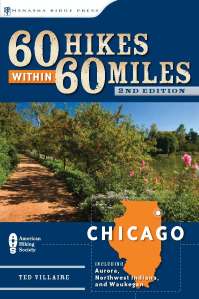
60 Hikes Within 60 Miles

If you’re looking for the lowdown on where you can stretch your legs and escape the urban grid, 60 Hikes within 60 Miles: Chicago will help you find your way.

Focusing on urban and rural areas and everything in between, the book features classic hikes at places such as Starved Rock State Park, as well as undiscovered gems like the LaSalle Fish and Wildlife Area in northwestern Indiana.

The author, Ted Villaire, also writes a blog, Prairie Fever here, with great insights into hiking, biking camping and kayaking in the Chicago area.

smalltedphoto

Ted Villaire

Who is Ted Villaire?

Ted Villaire received a bachelor’s degree in English and journalism from Aquinas College in Grand Rapids, Michigan, and received his master’s of arts in writing from DePaul University in Chicago. He is author of 60 Hikes within 60 Miles: Chicago, published in 2005 by Menasha Ridge Press, and is currently working on four more regional outdoor guidebooks that focus on bicycling and camping within the Chicago region and throughout Illinois. A Chicago resident for the past 10 years, Ted has worked for various daily and weekly newspapers, and has had freelance articles appear in The Chicago Tribune and the Des Moines Register. Recently, Ted worked for seven years as a publications editor for a large non-profit organization headquartered in Chicago.

Note: Working Well Resources is not affiliated with Ted Villaire in any manner. We just enjoy his blog and book and want to share them with you!

Read Full Post »

Aside from achieving better Fitness by hiking and exercising in the Forest, there is ample evidence that exercising or interacting with nature (even having live plants in your work environment) helps combat burnout, reduces mental stress and reduces mental fatigue. Read on for more about this research and it’s implications for our daily lives.

A Walk in the Woods

By John Lofy in Michigan Today, a publication of the University of Michigan

STDana

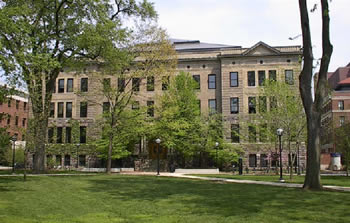
University of Michigan School of Natural Resources. Photo from JM Olsen Corporation

Professor Rachel Kaplan’s office at U-M’s School of Natural Resources and Environment looks out over a large oak tree. Potted plants crowd her window sill. Beyond these small patches of nature loom the buildings of central campus. But, she says, a little bit of nature goes a long way.

She would know. Kaplan and her husband, professor Stephen Kaplan, were among the first academics to study the psychological benefits of nature. Colleagues and collaborators for decades, they have shown that natural settings—trees, grass, gardens, and the like—have a profound, positive impact on both mental and physical health.

Both Kaplans hold joint appointments: Rachel in SNRE and Psychology, Stephen in Psychology and Electrical Engineering and Computer Science. They both take particular pride in graduate students they have mentored over the years. Students working with the Kaplans have made some striking discoveries:

• Studies by Bernadine Cimprich showed that the psychological health of cancer patients “improved dramatically” after they spent 20 minutes a day, three days a week, doing restorative activities such as gardening or walking in the woods. A control group that did not do the activities showed notably less improvement.

• Studies by Frances Kuo and William Sullivan found that residents of public housing projects who live near trees “showed all kinds of benefits,” says Stephen. “More civility, less aggression—and girls were more likely to study” their schoolwork.

• A study of AIDS caregivers by Lisa Canin found that the single most powerful factor in avoiding stress-related burnout was “locomotion in nature”—such as walking, running, biking, or canoeing. (The quickest route to burnout was watching television.)

Better yet, says Rachel, the natural setting “doesn’t have to be big or pristine” to have a positive effect. “Most of all, it has to be nearby.” A study by Ernest Moore of prisoners in Milan, Michigan, showed that simply having a view of farmland from a prison cell reduced inmates’ need for health care.

What’s so powerful about nature? Stephen theorizes that it comes down to brain function. The source of much mental distress, he says, is overuse of “directed attention”—such as concentrating on work. “Sustained directed attention is difficult and fatiguing. When people talk about mental fatigue, what is actually fatigued is not their mind as a whole, but their capacity to direct attention.” And it can make people “distractible and irritable.”

To escape the discomforts of mental fatigue, people often turn to activities that “capture” their attention. They find external events to distract them, so they don’t have to concentrate so hard. Watching TV, for instance, requires little willpower: the programs do the work, and the brain follows along.

tvfr2new

Watching t.v. doesn't allow for mental rest. Image from salviaforme

Similarly, says Stephen, “many people find an auto race fascinating.” Fast motion, loud noises, and smells captivate the brain.

The Kaplans refer to activities like watching TV or sporting events as “hard fascination.” The stimuli are loud, bright, and commanding. The activities are engaging and fun, but they don’t allow for mental rest.

Soft fascination, on the other hand, is the kind of stimulation one finds on, say, a stroll along the beach or in the woods. Nothing overwhelms the attention, says Stephen, “and the beauty provides pleasure that complements the gentle stimulation.” The brain can soak up pleasing images, but it can also wander, reflect, and recuperate.

Most people, say the Kaplans, intuitively know this. But often, they either don’t do it, or they may not have opportunities to get out in nature. That’s too bad, because the Kaplans have shown that if you’re upset, frazzled, or suffering, an easygoing walk in the woods or even along a tree-lined street is one of the best things you can do for yourself.

Read more about the Kaplans and their research here.

Ways You Can Increase Your Interaction with Nature

cok-gardener

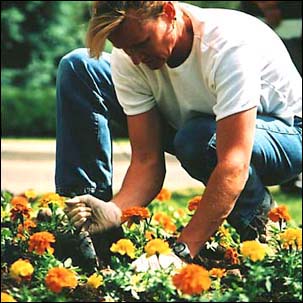
Gardening for stress relief. Photo from IVPeaceFest.com

• Plant a garden. Even in the city if you have an outdoor porch you can plant a small garden in pots and window boxes. Weeding the garden,  “playing” in the dirt, and taking the time to nurture your plants, nurtures your own nervous system and allows you some peaceful moments free from everyday stress.

• Bring live plants into your workspace. Live plants help clean the air and make your environment naturally beautiful and less stressful.

• Go for regular walks in nearby forest preserves or parks.

• Make after dinner walks around your neighborhood part of your family routine. This is a great way to spend quality time with friends and family, get regular exercise and get away from the stress of the TV, telephone and temptations of junk food.

• Volunteer in a nearby community garden.

2572969101_82c2ab01d5

Cabrini-Green Community Vegetable Garden (taken by Strannik45).

• Try snow shoeing, sledding, cross country skiing or walking in the fresh fallen winter snow. (It’s coming soon to Chicago so be ready with warm layers and waterproof hiking boots!)

Snowshoeing at The Basin Phippsburg 08

Snowshoeing. Image from outdoors.mainetoday.com

• When possible, alter your driving route to go through area parks, forest preserves or stretches of the road that gives you a view of Lake Michigan, trees and natural bodies of water like rivers and ponds.

IMG_0198

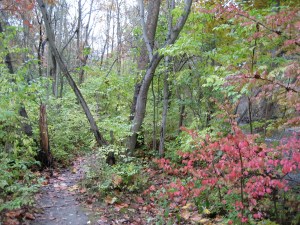
Fall Colors at Argonne

• Plant an indoor herb garden in a well lit window for the winter. It gives you the double benefit of fresh herbs for your meals and the moments of stress relief you get when tending your mini-garden.

• As much as possible, exercise outdoors. Run and hike in the park or forest preserves.

• When time permits, work outdoors. Take

your laptop to the beach or park. In inclement weather find malls or indoor public spaces with plants and trees.

Read Full Post »

Do scenes of nature on your computer screen or television give you the same stress relief that you get looking out a window at a scenic view? Sadly, no. Read the excerpt from Newswise.com below for the sad truth about the effects of “faux” nature.

Scenes of Nature Trump Technology in Reducing Low-level Stress

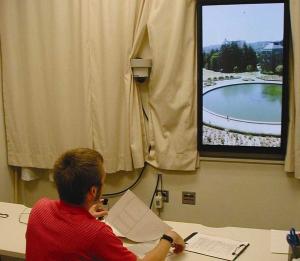
A new study that measured individuals’ heart recovery rate from minor stress when exposed to a natural scene through a window, the same scene shown on a high-definition plasma screen, or a blank wall. The heart rate of people who looked at the scene through the window dropped more quickly than the others. In fact, the high-definition plasma screen had no more effect than the blank wall.

080610154746

Student viewing computer scene of nature (Credit: Image courtesy of University of Washington)

Research done through the Human Interaction with Nature and Technological Systems Lab at the University of Washington showed that when people spent more time looking at the natural scene their heart rates tended to decrease more. That was not the case with the plasma screen.

The study, funded by the National Science Foundation, is published in the current issue of the Journal of Environmental Psychology.

“Technology is good and it can help our lives, but let’s not be fooled into thinking we can live without nature,” said Peter Kahn, a UW associate professor of psychology who led the research team.

“We are losing direct experiences with nature. Instead, more and more we’re experiencing nature represented technologically through television and other media. Children grow up watching Discovery Channel and Animal Planet. That’s probably better than nothing. But as a species we need interaction with actual nature for our physical and psychological well-being.”

Part of this loss comes from what the researchers call environmental generational amnesia. This is the idea that across generations the amount of environmental degradation increases, but each generation views conditions it grew up with as largely non-degraded and normal. Children growing up today in the cities with the worst air pollution often, for example, don’t believe that their communities are particularly polluted.

“This problem of environmental generational amnesia is particularly important for children coming of age with current technologies,” said Rachel Severson, a co-author of the study and a UW psychology doctoral student. “Children may not realize they are not getting the benefits of actual nature when interacting with what we’re calling technological nature.”

The researchers found that participants with the plasma screen actually looked at it just as often as did those who had the window. However, the window held the students’ attention significantly longer than the plasma screen did. When participants spent more time looking at the window, their heart rates decreased faster than on tasks when they spent less time looking at the window. This was not true with the plasma screen.

“I was surprised by this,” said Kahn. “I thought the plasma screen would come somewhere between the glass window and the blank wall. This study is important because it shows the importance of nature in human lives and at least one limitation of technological nature.

“In the years ahead, technological nature will get more sophisticated and compelling. But if it continues to replace our interaction with actual nature, it will come at a cost. To thrive as a species, we still need to interact with nature by encountering an animal in the wild, walking along the ocean’s edge or sleeping under the enormity of the night sky.”

Co-authors of the study are Batya Friedman, Jennifer Hagman, Erika Feldman and Anna Stolyar of the UW, Brian Gill of Seattle Pacific University, Nathan Freier of Rensselaer Polytechnic Institute and Sybil Carrere of California State University, San Bernardino. Freier and Carrere were both at the UW when they worked on the study.

Read the full article here.

Read Full Post »

By Sue Shekut, LMT, ACSM PT, Certified Wellness Coach

There is still time to enjoy the fall colors and get a bit of healthy hiking in this fall. Throw on a few layers of clothes, a good pair of hiking shoes, a camel back for water and grab a few LARABARs and you are ready to hike Waterfall Glen in the Chicago area!

IMG_0192

Waterfal Glen

Waterfall Glen is one of the DuPage County Forest Preserves. It rings Argonne labs and offers hikers, bikers, fishermen (and women), horseback riders and picnickers a chance to get away from the sounds, smells and traffic in the city. Being in nature has a stress relieving effect and exercise is good for stress management as well.

According to researchers at Cornell University: “Our study finds that life’s stressful events appear not to cause as much psychological distress in children who live in high-nature conditions compared with children who live in low-nature conditions,” says Nancy Wells, assistant professor of design and environmental analysis in the New York State College of Human Ecology at Cornell. “And the protective impact of nearby nature is strongest for the most vulnerable children — those experiencing the highest levels of stressful life events.”

From the Waterfall Glen website:

Waterfall Glen Forest Preserve has w glacier-formed ridges, ravines and potholes. The preserve is exceptional, because it contains features not found anywhere else in the county: The largest contiguous woodland block – over 700 acres — and a dolomite prairie, with rock very close to the surface and shallow soil, home to rare plants for the region.

IMG_0198

Fall Colors at Argonne/Waterfall Glen

Waterfall Glen’s many habitats — prairies, savannas, oak-maple woodlands and planted pine groves – and distinctive features make it a haven for a wide variety of plants and animals. Surveys by District ecologists have recorded more than 600 native plant species at the preserve, which includes 75 per cent of all the plants known to grow naturally in DuPage County. In addition, countless fish, amphibian, reptilian, and mammalian species can be found in the preserve, as well as more than 160 avian species, some year-round and some migrating.

Biking

Cyclists are invited to use any of the preserve’s eight-foot-wide multipurpose trails, although they are asked to stay toward the outside of the trails as a courtesy to other visitors. To prevent damage to sensitive natural areas, cycling on trails less than eight feet wide is prohibited.

Fishing

Several old quarries scattered throughout the preserve offer still fishing waters. All persons 16 and older (except legally disabled persons) are required to have in their possession a valid Illinois sport fishing license. All anglers must follow District and state regulations.

Horseback Riding

In addition to the main trail loop, Waterfall Glen offers trails suitable for horseback riding throughout the preserve. Visitors with trailers should park in the designated parking bays at the trailhead on Northgate Road.

Model Aircraft Area

A large open field in the southwest section of the preserve is a popular spot for local model aircraft enthusiasts. For more information on access to this area or use by qualified model aircraft clubs, contact Visitor Services at (630) 933-7248.

Picnicking

Visitors are welcome to spread a blanket and enjoy a picnic in the mowed grass areas at Waterfall Glen. Ground fires are not permitted, except in the fire ring at the trailhead area.

Trails

Waterfall Glen’s four marked trails range from 0.2 miles to 9.5 miles in length and meander through some of the preserve’s most scenic areas. The main trail is an eight-foot-wide crushed-limestone multipurpose trail. In addition, there are many unmarked mowed-grass trails and footpaths that dissect the preserve. Feel free to hike and explore these smaller, less-conspicuous paths, but remember that they often are not linked to the main trail nor are they shown on the preserve map.

argonne1009

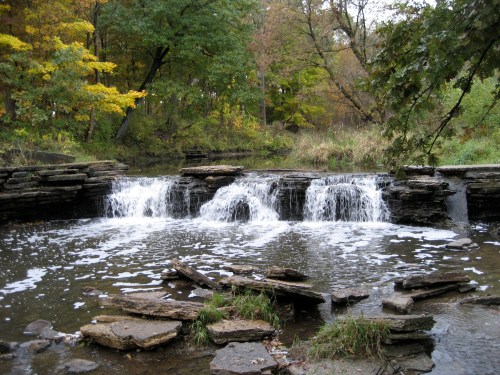
River at Waterfall Glen

To find out more about Waterfall Glen go to the DuPage Country Forest Preserve Website here.

Read Full Post »

By Barbara Russi Sarnataro
WebMD Feature
Reviewed by Louise Chang, MD

How many New Year’s Eves have you spent sipping champagne and vowing to get more fit in the coming year? And how many times have you failed to follow through?

“December 31 over a drink is too late to set goals and make promises,” says Justin Price, owner of The Biomechanics, a personal training and wellness coaching facility in San Diego, Calif.

Fall, on the other hand, is a great time to start a fitness program because “‘you’re going to create good habits for the holiday season and the upcoming winter months,” says Price.

Chris Freytag, a fitness instructor and fitness expert with Prevention magazine, agrees.

“With the change of seasons comes a renewed time to rethink and restart,” she says. “‘What’s so special about January?”

Besides, says Freytag, a mother of three, moms with school-aged kids “think of September as the new year.”

Here are 10 ways to start making the most of the season. And who knows? This year, you might be in great shape before that New Year’s Eve party rolls around.

1. Take advantage of the weather. Fall can be a treat for the senses: the crisp air, apple picking, pumpkin carving, a gorgeous canopy of fall foliage, and the crunch of leaves underfoot. These months are a great time to exercise outdoors and enjoy cooler temperatures.

“Walking, hiking and cycling are all awesome in the fall,” says Todd Durkin, MS, fitness coach and owner of Fitness Quest 10 in San Diego, Calif.

Discover park trails and take in some new scenery, whether you’re walking, biking, or in-line skating, he suggests.

In places where snow falls early, try cross country skiing or snowshoeing. Or, if you live near the beach, get out and play volleyball, throw the Frisbee around, or play a vigorous game of fetch with your dog.

“It’s a great time to do beach activities because it’s so much less crowded,” says Price.

If you’re near a lake, try kayaking or canoeing, for an excellent whole-body workout and a great change of pace.

And remember, it doesn’t have to seem like exercise to be a great workout.

“Raking leaves or doing some fall outdoor yard work is a great way to get the heart pumping, and it’s great calorie-burning,” says Freytag.

2. Think outside the box. Always wanted to learn to tap dance? Attempt to box? Master the jump rope? Ask any schoolchild: Fall is a great time to learn something new.

Many classes at gyms and elsewhere get started in the fall, so look around and see if something intrigues you.

And with the kids in school, parents have more time to check out those classes, Freytag says.

Fall is the perfect time to gain new physical skills, Price says, because you burn fewer calories when you begin a new activity (thanks to the learning curve). If you learn something new now, by next summer, you’ll have mastered the skill — and you’ll burn more calories doing it, just in time for swimsuit season.

3. Be an active TV watcher. Many people get geared up for fall premieres of their favorite television shows, says Freytag. “If you’re going to sit down and watch hours of TV, get moving,” she suggests. “Make a date with exercise and TV.”

While you watch, you can walk or run in place, do standing lunges, do tricep dips off the couch, or lift weights. During commercials, do push-ups or sit-ups. In a one-hour show, you probably have close to 20 minutes worth of commercial interruption.

4. Integrate exercise into your life. You already know the obvious suggestions: park farther away from your destination; take stairs instead of elevators; take a walk during your lunch break. Here are a few that are less obvious:

* If you’re spending the afternoon taking kids to soccer practice, instead of reading a book or visiting with another parent, “why not walk around the outside of the field while they practice?”, suggests Price. “Or (if you feel comfortable) warm up and cool down with the kids.”
* Or try “walking meetings,” like those Price and his colleagues at Biomechanics often hold. ‘”We go for a walk, we brainstorm, and we figure out who’s going to take what responsibilities,” says Price. “‘Things get achieved much more quickly,” he says, and everyone feels better for doing it.
* You can even get moving while you get motivated — for fitness or other life goals. ‘”Get some inspirational music or find a motivational talk and download it to your iPod,” suggests Durkin. Walk while you listen for 30 minutes.

5. Rejuvenate yourself. Fall is the time to rejuvenate body, mind and spirit, says Durkin. Get a massage after your run. Learn to meditate. Take an art class. Treat yourself not just with exercise but other activities that promote wellness, he says, so you can feel good physically, mentally, emotionally, and spiritually.

6. Remember the 30-day rule. “‘It takes about four weeks for the body to adapt to lifestyle changes,” says Price. That’s why people who give up on their fitness programs tend to do so within the first 30 days.

So, when the alarm goes off in the morning and it’s darker and colder, don’t roll over and hit the snooze button.

“Try to stick with a program for a month,” Price says. “After a month, behavior patterns will have adapted and it will be much easier to stick with it after that.”

7. Strive for the 3 Cs. Freytag calls commitment, convenience, and consistency “the three Cs”, and says having all three will lead to a successful fitness program.

First, exercise takes commitment. When a client complains to Freytag about a lack of time, she responds: “Tell me something I haven’t heard before. We’re all busy; that’s just part of our lives.

You have to start planning exercise, just like you do everything else,” like meetings, dinners, and getting kids to lessons and practice, she says. “Put in on the calendar, because later always turns into never.”

Convenience means choosing a gym that’s close by, or an activity you can do at home, or a time when you’re not likely to be interrupted.

Finally, there’s consistency. “I’d rather see a brand-new client work out for 10 minutes a day rather than one hour every month,” Freytag says

8. Deal with darkness. The best way to enjoy fall is to exercise outdoors. But it is getting darker earlier, and staying dark later in the morning, so be smart and safe.

“Just because it’s 6 p.m. (or a.m.) and dark doesn’t mean you can’t work out,” says Durkin. If walking or running outdoors, he says, “wear a reflective vest and carry a flashlight.”

When cycling, affix a light to your helmet or bike.

If possible, use trails or a local school track to avoid vehicle traffic. Try to work out at the same time every day, so drivers get used to seeing you.

9. Dress in layers. When exercising outside, layer your clothing. Before your body warms up, you may feel chilled, but once the blood gets pumping, you’ll feel overdressed.

These days, there’s no lack of great weather gear. Freytag and Price recommend clothing with wicking, often called “DriFit.”‘ This fabric wicks moisture away from your skin so you’re not exercising with wet fabric hanging on you.

Freytag suggests three layers: “The inner layer should be a moisture-wicking fabric, so it wicks away sweat and you’re not chilled. The second layer should be a warmth layer, and the third layer should be a protective layer (like a windbreaker or rain slicker, depending on the weather).”

“And don’t forget the sunglasses,” she warns. UV protection is important year round. Fall sun can be blinding at certain times of the day.

10. Find your motivation. “People are motivated by different things,” says Durkin. It’s important to first discover what your individual goals are, whether it’s losing weight, strengthening and toning, or preparing for a race or event, says Durkin.

But goals aren’t enough to get you there; you have to be motivated by the day-to-day workouts, he says. So choose something you’ll enjoy doing and will be likely to keep up, whether it’s walking or hiking with a friend, working with a trainer, or taking part in a “boot camp” class.

Creating a challenge for yourself will motivate you, as will encouragement and accountability, he adds. “You want to know when you’re doing a good job, and when you’re not,” says Durkin.

Remember too, that anything worth having takes work.

“Tell me something you can do three times a week for 10 minutes and be great at? It doesn’t exist,” he says. “If it was easy to be great, everybody would be great.”

Link to Barbara Russi Sarnataro’s article here

Read Full Post »

« Newer Posts