Feeds:
Posts
Comments

Archive for the ‘Health and Wellness’ Category

Saratoga chips at the Mississippi State Fair i...
Image via Wikipedia

By Sue Shekut, Owner, Working Well Massage, Licensed Massage Therapist, Certified Wellness Coach, ACSM Personal Trainer

Having a hard time switching from potato chips to carrots? You are not alone! As people in our country continue to grow more and more obese, many research scientists are putting in long hours to investigate biological causes. Last month, scientists from the Scripps Research Institute issued a report that shows -definitively, for the first time- that the same biological processes that cause drug addiction are behind the compulsion to overeat. Many obese people have been making this statement for years–that they feel out of control after eating junk food, and the more they eat, the more they want.

In the study, scientists monitored brain chemicals in rats, noticing that as the rats got more obese, their brains were less and less able to issue a reward to the body. As this pleasure center in the brain became less and less responsive, the rats developed the tendency to overeat, seeking that chemical reward. This is the exact same pattern that occurs in rats that are administered cocaine or heroin, and scientists believe that the pattern plays a large part in the development of drug dependency.

Paul J. Kenny, an Associate Professor at Scripps, conducted the study. He says that the nearly three year long study confirms the “addictive” properties of junk food:

“The new study, unlike our preliminary abstract, explains what happens in the brain of these animals when they have easy access to high-calorie, high-fat food. It presents the most thorough and compelling evidence that drug addiction and obesity are based on the same underlying neurobiological mechanisms. In the study, the animals completely lost control over their eating behavior, the primary hallmark of addiction. They continued to overeat even when they anticipated receiving electric shocks, highlighting just how motivated they were to consume the palatable food.”

The scientists offered the rats many types of food, but they always chose “junk” food. As a test, the researchers removed the junk food and tried to put them on a nutritious diet. Their preference for junk food was so strong, however, that they starved themselves for nearly two weeks.

To read the entire article, visit the original Press Release.

So if anyone tells you junk food is not addicting, think again. And pass the carrots!

Reblog this post [with Zemanta]

Read Full Post »

By Sue Shekut, Owner, Working Well Massage, Certified Wellness Coach, ASCM Personal Trainer

Thinking about growing some of your own vegatables or herbs but not sure how to start? This Saturday, Appetite for Balance, a Chicago holistic nutrition group, and We Farm, is sponsoring the first a FREE Sunday in a series of Urban Gardening and Organic Nutrition classes. The First Party is on  April 25th and they will be teaching about garden mapping, seeding and easy sprouting. Walk away with tools on how to do it yourself and why is is good for your health and your pocket book! RSVP here or here.

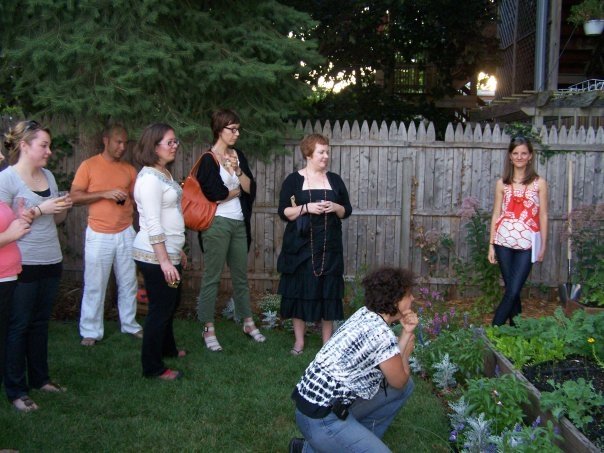
Last Year's Urban Farming Party Pics

All parties will be loaded with give-a-way(s), gardening tips, food demos, holistic nutrition, hands-on workshops, sustainable food/beverage, and FUN in the sun! So, grab a friend (or two) and join Appetite for Balance for a Sunday afternoon of digging and chewing!

Invite details:

Check out the Appetite for Balance blog here.

Reblog this post [with Zemanta]

Read Full Post »

By Sue Shekut, Owner, Working Well Massage, Licensed Massage Therapist, Certified Wellnenss Coach, ACSM Personal Trainer

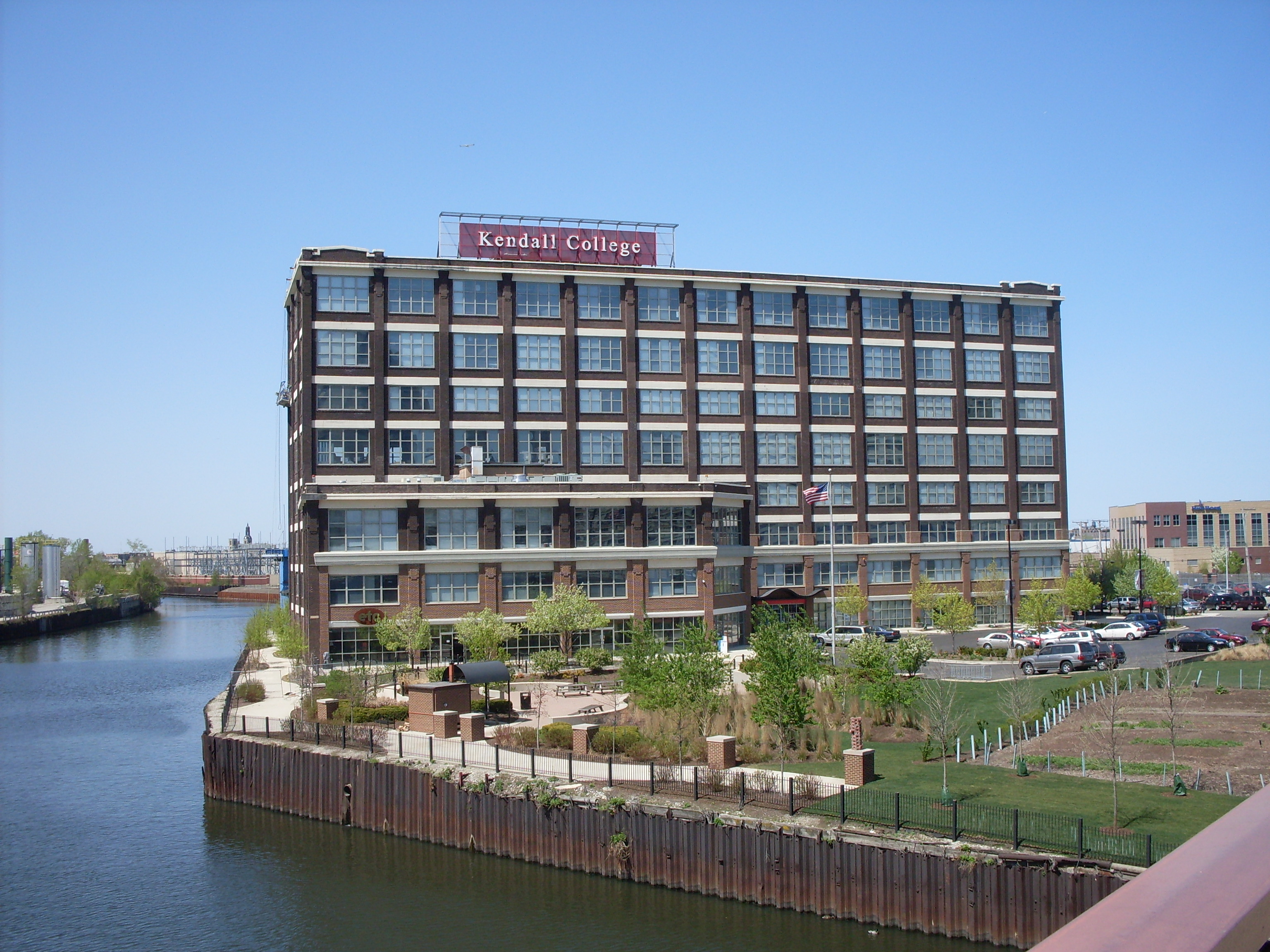
ETC in First Floor of Kendall Collage Building

In the past few years I’ve noticed  a trend in personal training: Gyms or centers that ONLY provide personal training. I recently spent some time in a really interesting such facility in Chicago– ETC (Energy Training Center). It’s a private, exclusive personal training facility geared towards personal trainers who are passionate about wellness. It’s not a gym or a fitness club. ETC is a personal trainers only center: You can only workout there with a personal trainer, not on your own. The advantage to this is: higher quality trainers and a clean, less crowded workout space!

One of my massage therapist/personal trainers led me through a few sessions at ETC to show me his trainer methods. I really enjoyed not only his training style but the center itself. It’s a but pricey (You pay for each session versus a monthly membership), but for those that can afford it, ETC is a nice alternative to packed gyms.

The concept here is simple: ETC wants its customers to achieve the best they can in health and wellness and wants the customers to work personally with experts to achieve these goals. ETC owners describes the center as “a facility for personal trainers and their clients, who desire a positive environment, first class amenities and service, high standards of fitness, education, and most of all results.”

ETC

Located on the first floor of the same building that houses Kendall College (On Halsted just North of Chicago), ETC offers a number of services and amenities:

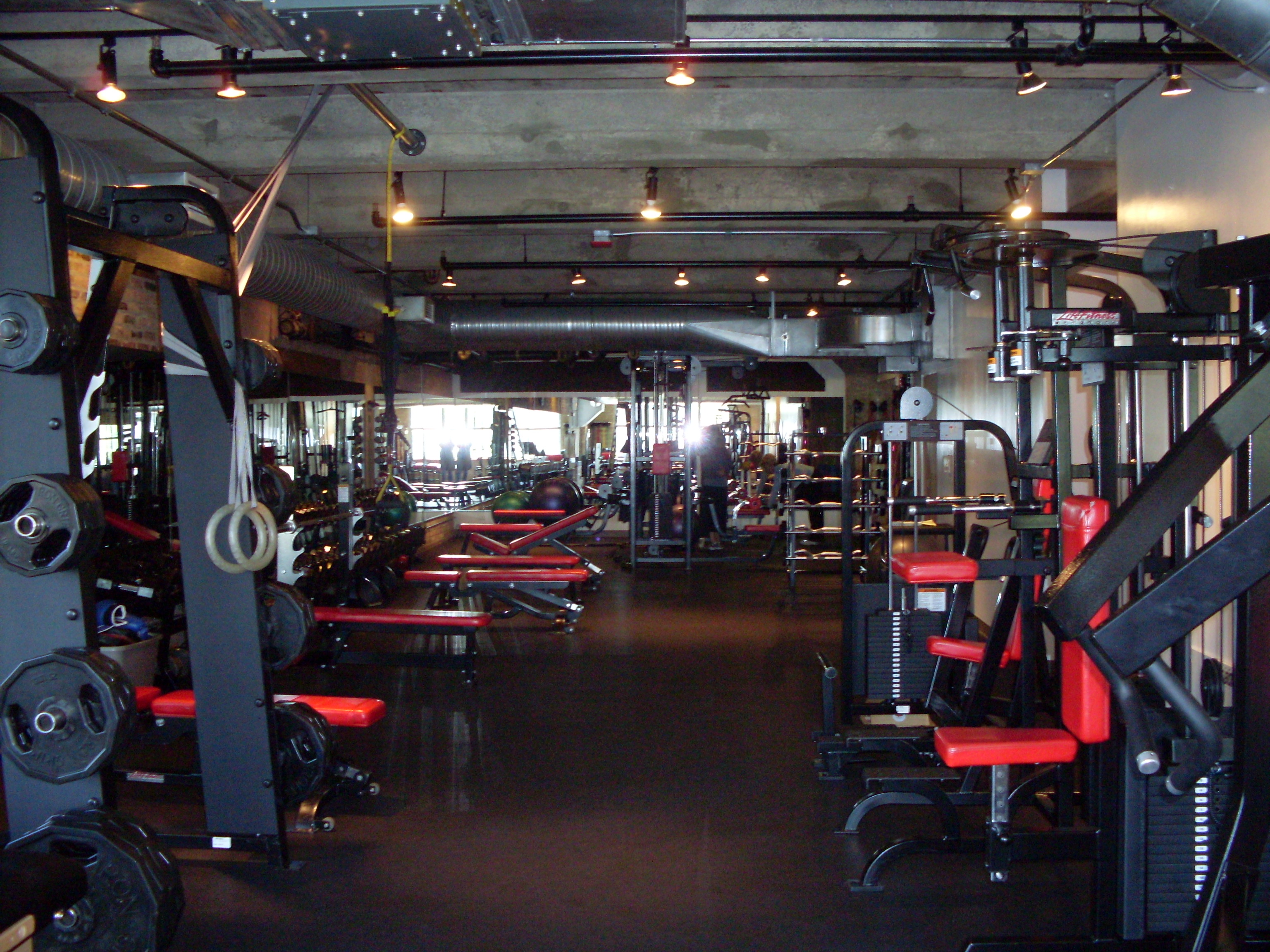
  • A state-of-the-art 7,000 sq. ft. training facility equipped with bio-mechanically correct equipment featuring LifeFitness, Hammer Strength, IronGrip and Stairmaster.
  • Inside Energy Training Center

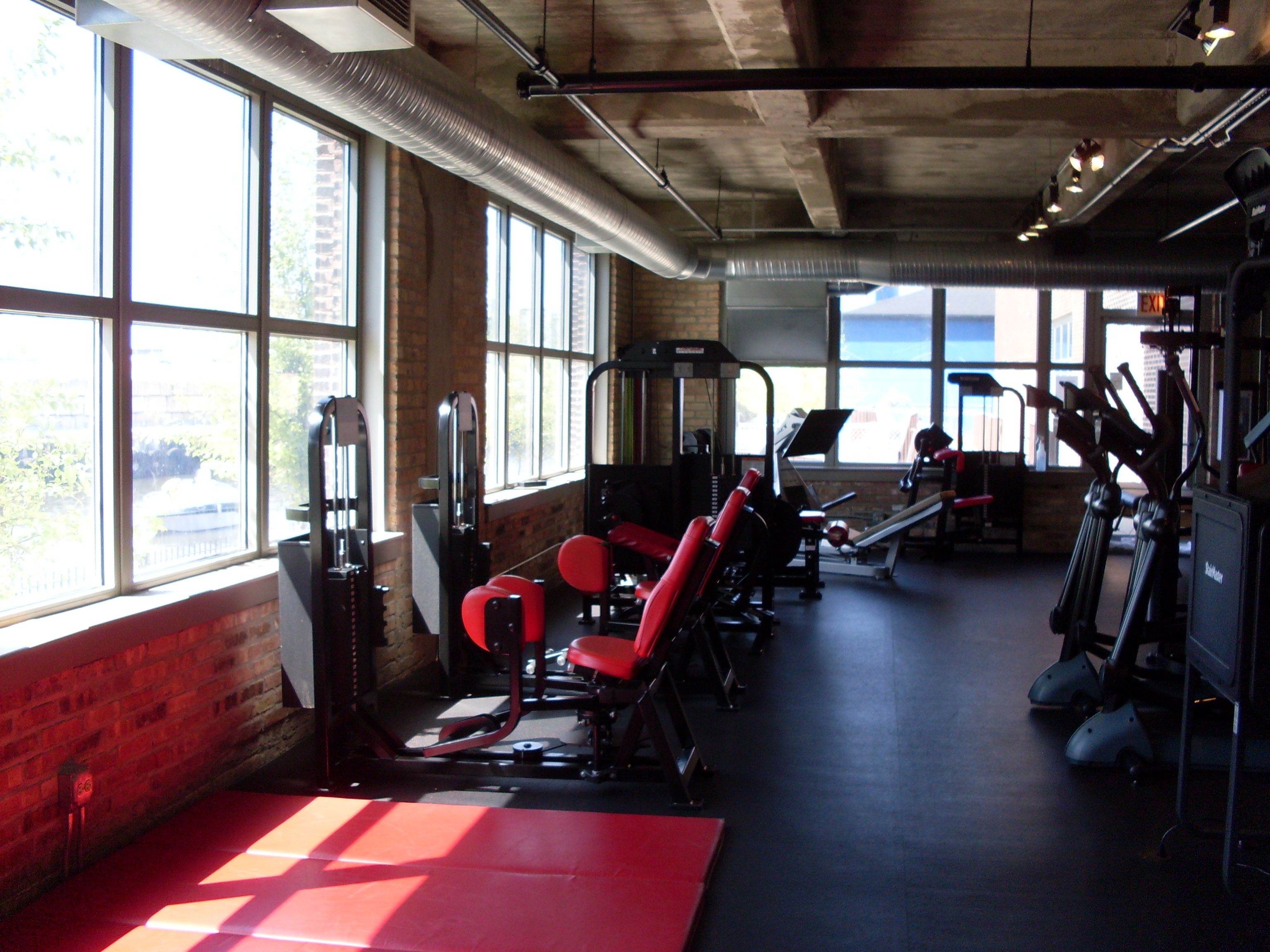
    ETC has ample cardio equipment for your warmup!

  • Complimentary unlimited secure parking
  • Complimentary towel and filtered water system
  • Full shower amenities in locker room including cable television and courtesy phones
  • Woman's locker room at ETC

  • Locker rooms and training floor sanitized daily
  • Open floor area for functional training and other sport specific movements
  • Great view of the river at ETC while you workout!

  • Fitness evaluation room
  • Complimentary coffee/tea service
  • Outdoor riverside training area available
  • Also available: massage therapy, physical therapy, occupational therapists, and MAT specialists
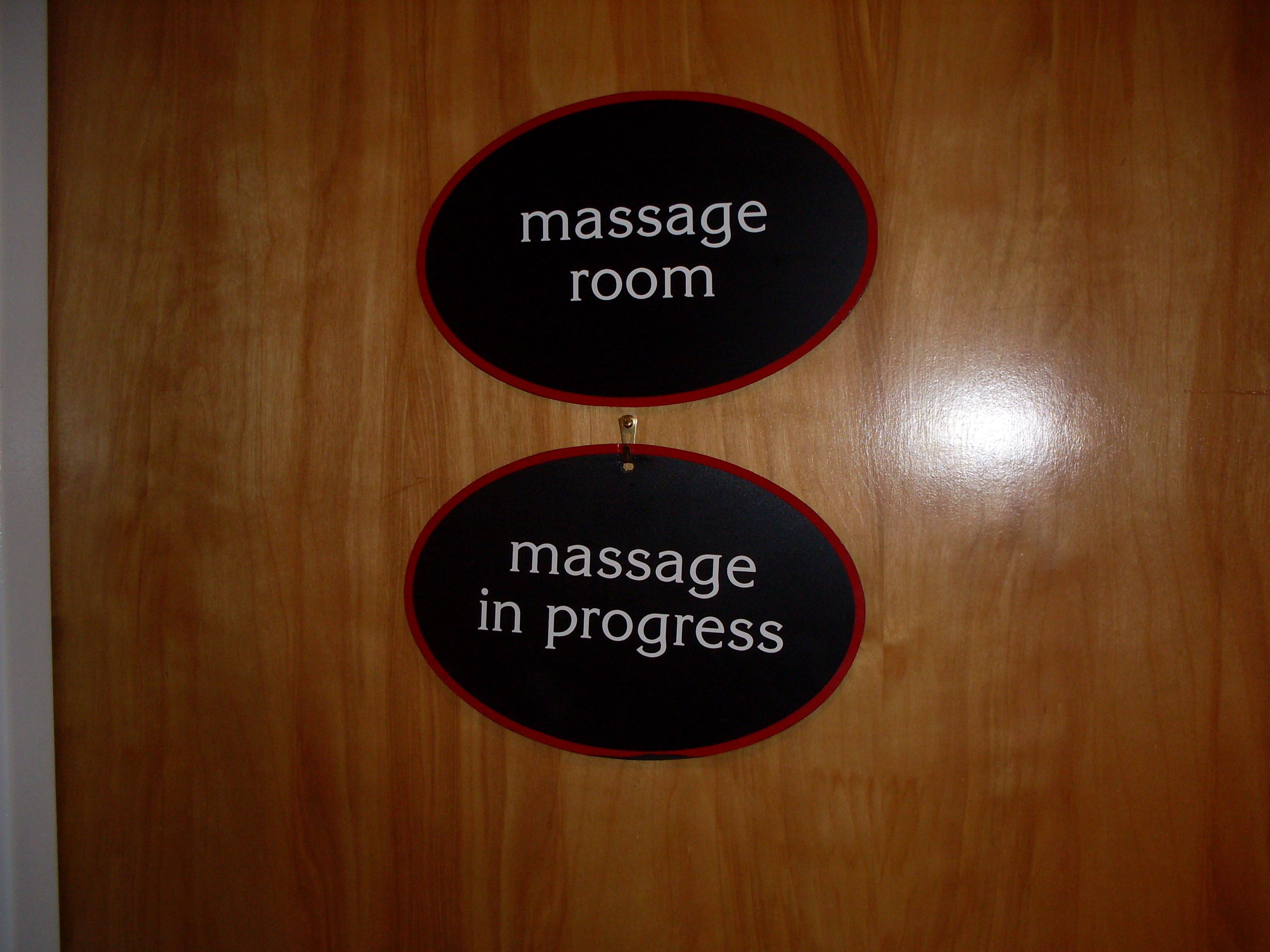
  • Massage Room at ETC-Before or after your workout

Interested in learning more? Visit their Facebook page, visit them or contact them directly:

900 N. Branch St.
Chicago, IL 60622

(312) 377-4170
EnergyTC@aol.com

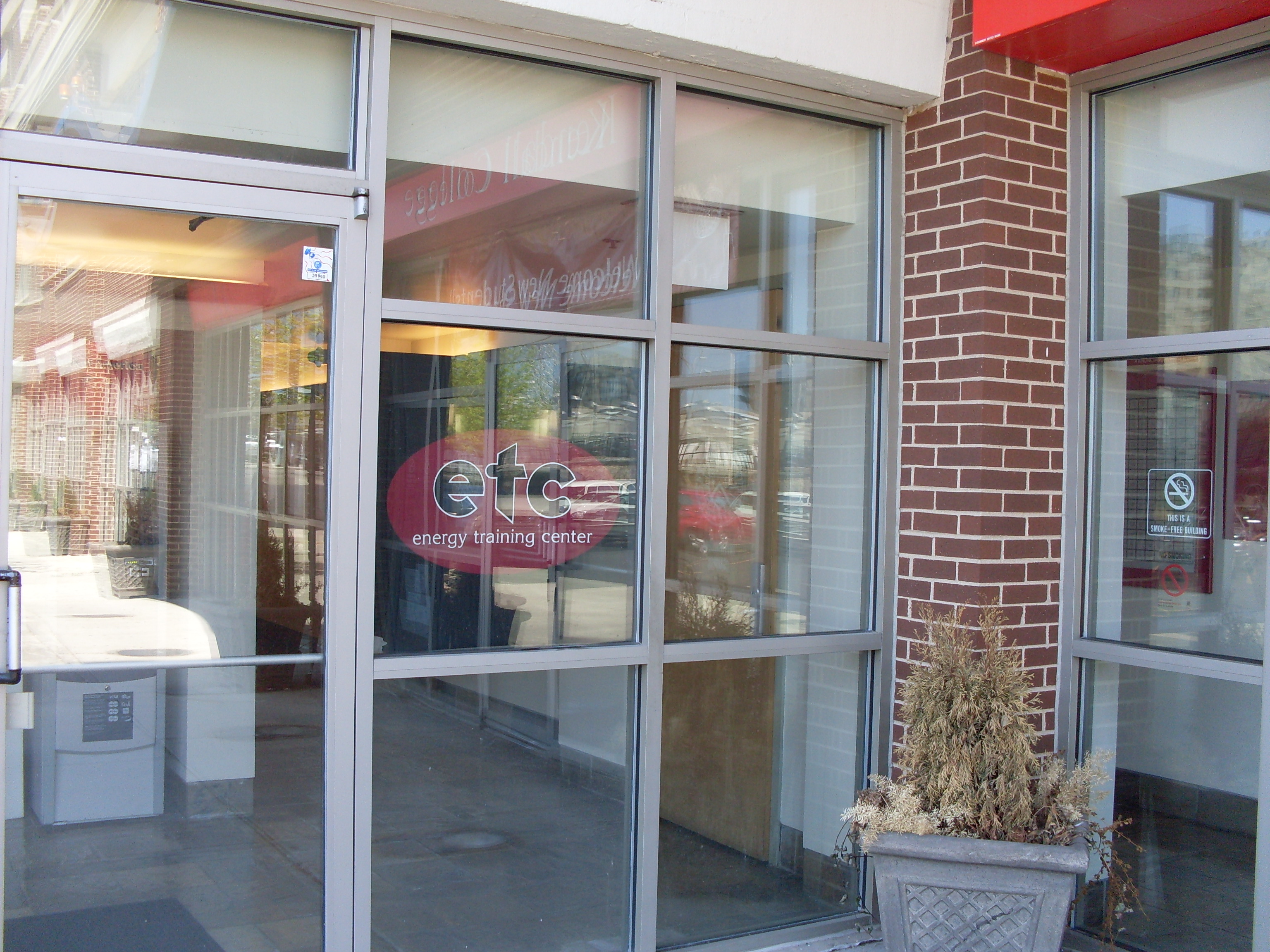
Front door of Energy Training Center


Reblog this post [with Zemanta]

Read Full Post »

By Sue Shekut, Owner, Working Well Massage, Licensed Massage Therapist, Certified Wellness Coach, ACSM Personal Trainer

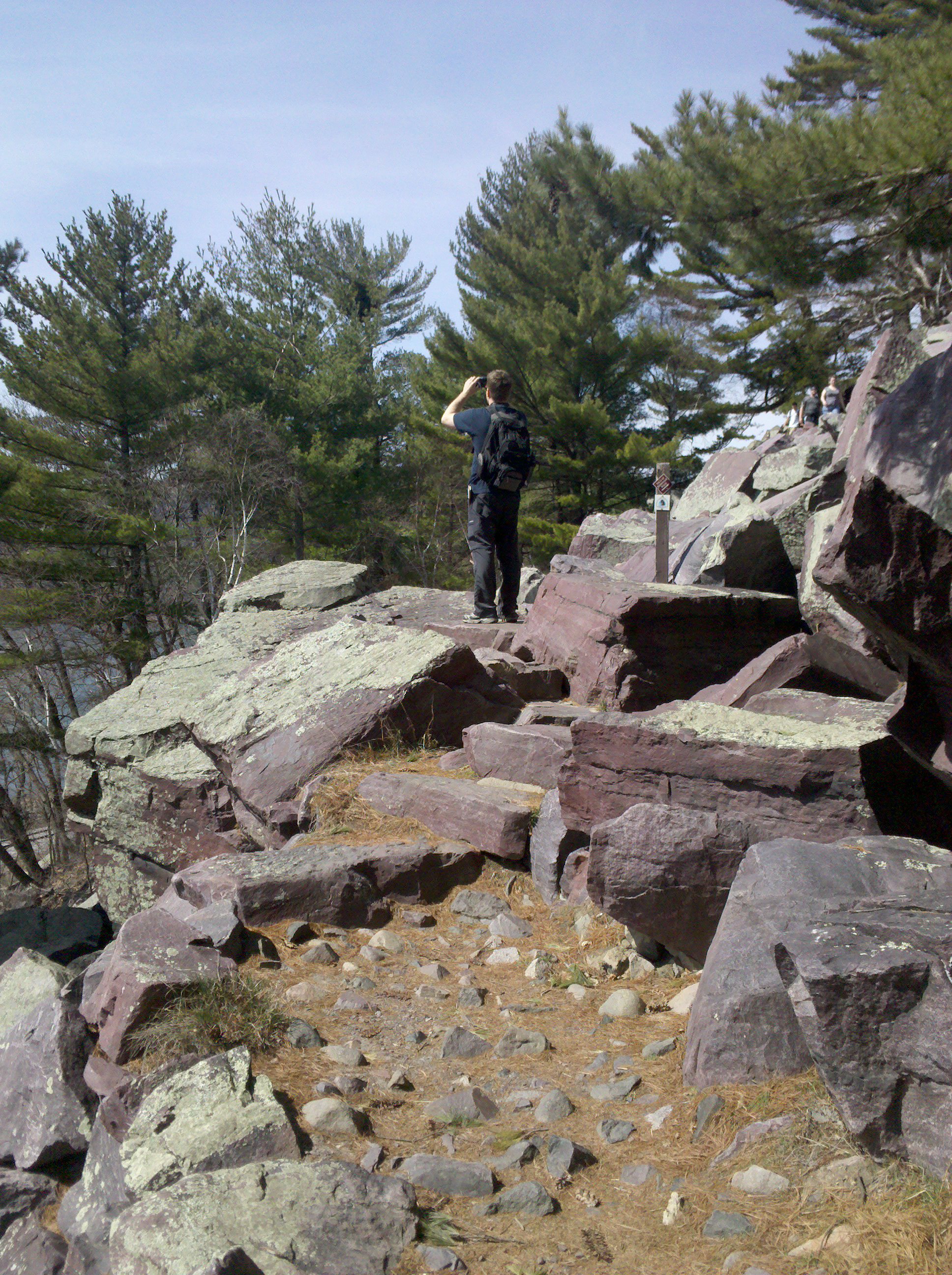
Hiking up the rocky "steps" is a great workout

A few weeks ago I had the good fortune to spend a few warm summer-like days in Wisconsin at the Wisconsin Dells. When I was  a child, my family used to take me and my brother to the

Dells and I have fond memories of lakes, hiking, go carts, haunted houses and, of course, Tommy Barlett’s water show with water skiers skiing in human pyramids.  Visiting again now so many years later, “the Dells,” as they are known to the initiated, are now a haven for water parks and other amusements. However, my man and I are always up for a bit of nature and hiking so we soon grew tired of the amusement park strip and headed to Devil’s Lake to hike up and down what we think of as a mini Yosemite, Devil’s Lake. Like much of Wisconsin, this region was created by glacial formations and so has a lot of very rocky terrain and tall cliffs to hike and rock climb.

The day we were at the lake, March 31, the weather was warm, about 75 degrees F, and we saw kayakers out on the lake as well! Many families and couples were out that day. We hiked from about noon to 6pm and at sundown the views of the lake from high on the cliffs were spectacular. I’m sharing some of our pics from that day’s hike to help entice you to make your own journey to this beautiful natural park, unusually hilly (I’d say Mini-mountains is more like it) for the Midwest.  You don’t have to go far to find cliffs and rocks and lakes–Devils’ Lake is just about 3 hours Northwest of Chicago, about 30 minutes North of Madison, WI.

For info on Devils’ Lake, click here.

For directions, click here. Devil’s Lake State Park address: S5975 Park Rd., Baraboo WI 53913-9299 Phone (608) 356-8301

Fees

For an out-of state resident, a one day pass is $7. For an out-of-state annual pass, it’s $35. Camping is available at Devils Lake as well, click here.

View of Devil's Lake from East Bluff nearly at the top of the cliff

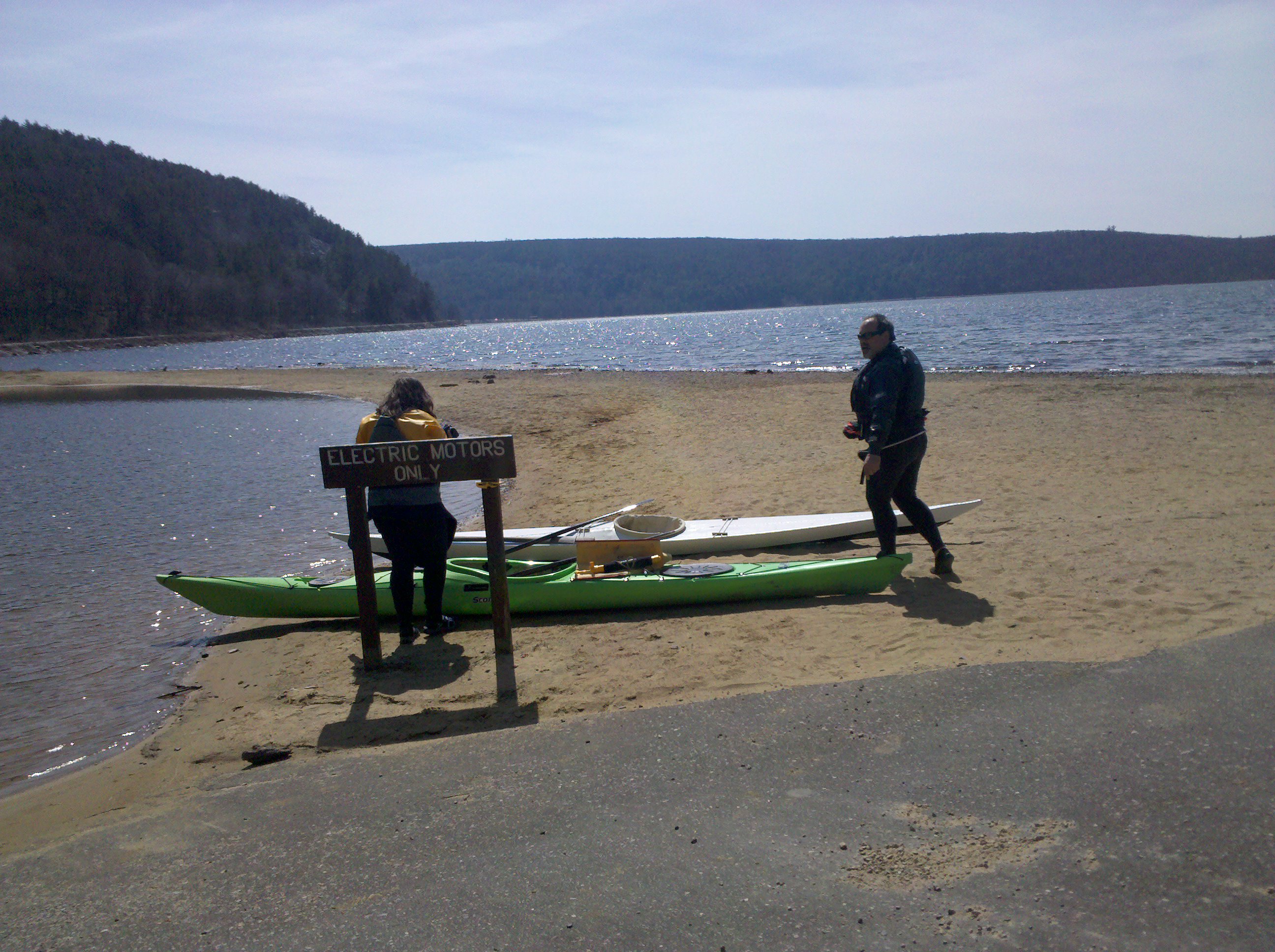
As we started our hike, we met one of the Park’s “rangers” as he and his companion started off on a kayaking trip around the lake.

What a great job! Manage the Park and go kayaking at lunch!

The water was cold, but soon will be a great place to swim!

The day we went was a pretty windy day, so you mostly hear wind instead of the relaxing waves lapping at the shore, but this short video gives you a nice view of the lake from the water’s edge.

While we were hiking, we passed several groups of people practicing their rock climbing skills on walls of rock.

Rock climbers taking a break

We spent 6 hours hiking up and down different areas of the East Bluff Trail. The hike was fairly strenuous in parts because we choose routes that took up up and down the rocks to really challenge our cardiovascular systems and of course our calves! (Which were good and sore the next day)

No, this is not Yosemite, California, it’s Devil’s Lake, Wisconsin!

Sundown at Devil's Lake, WI

And at the end of our long day hiking, instead of relaxing in a nice jacuzzi, we decided to head over to the indoor waterpark Mount Olympus at Hotel Rome where we were staying. We spent two more hours climbing up and down stairs so we could slide down long winding water slides. In one day we gave our bodies and our minds a lot to enjoy!

Read Full Post »

By Sue Shekut, Owner, Working Well Massage, Licensed Massage Therapist, Certified Wellness Coach, ACSM Personal Trainer

Check out these Easy Exercise videos for women who are beginners, baby boomers and seniors from Mirabai! Mirabai Holland M.F.A. is one of the leading authorities in the Health and Fitness industry. She Specializes in Easy Exercise Videos and Medical Exercise Videos for Women. She has: Easy Exercise videos for beginners, Easy Exercise videos for Baby Boomers, Easy Exercise videos for Seniors, and Easy Medical Exercise videos. Mirabai uses her Moving Free® Easy Exercise Technique on all her videos. Moving Free® with Mirabai doesn’t feel like work!Watch Video

Who is Mirabi and Why Should We Check Out her Videos?

Mirabai Holland M.F.A. is one of the leading authorities in the health & Fitness Industry and a public health activist who specializes in preventive and rehabilitative exercise. She is the creator of the Skeletal Fitness by Mirabai Holland®: A Workout For Your Bones, Fabulous Forever® Easy Aerobics, and Fabulous Forever® Easy Stretch: Flexibility and Stress Reduction home exercise videos.

New York Magazine once called her the “best aerobics teacher in New York City”. Mirabai has made numerous TV appearances as a Health & fitness expert including the Today Show, Good Morning America, CBS Nightly News, and a Nationally Syndicated Women’s Health Series produced by ABC. As a free-lance journalist for the New York Times, American Health, First For Women, and trade magazines like IDEA Today, Metro Sports, Club Industry and Fitness Management, Holland’s writing has reached over 20 million readers.

About MirabaiHer Moving Free® approach to exercise is designed to provide a movement experience so pleasant it doesn’t feel like work. Virtually anyone can ease into the best shape of their life by simply Moving Free® along with Mirabai.

She is an active volunteer of the American Heart Association and has been on their committee on Preventive Cardiology and the Women’s Heart Initiative.

As a consultant for Lenox Hill Hospital in New York City, she designed the Women’s heart exercise protocol for their Cardiac Rehabilitation Phase II Program. She also designed the exercise program for Rutgers University College of Nursing entitled ” A Culturally Attuned Exercise Intervention for Coronary Heart Disease At-Risk Minority Women and Children.

Mirabai is a Contributor to the National Arthritis Foundation’s PACE (People with Arthritis Can Exercise) manual. She served four years as chairperson of the American Council On Exercise (ACE) Exercise Instructor Examination Committee.

She has been a speaker at major health and fitness organizations and corporations including Forbes, Time Warner, American Heart Association, Education Coalition of the NJ Interagency Council on Osteoporosis, National Wellness Association, NJ Foundation of Aging, National Arthritis Foundation, NIKE Women’s’ Symposium, The National Institute for the Clinical Application of Behavioral Medicine, Metro Sports, HIRSA, Club Industry, IDEA, East Coast Alliance, AAHPERD, Mind Body & Medicine and Women’s Health Symposium and the 92nd Street Y in New York City.

She is certified by the American Council on Exercise (ACE), the Aquatic Exercise Association, holds 2 certifications by the American College of Sports Medicine (A.C.S.M.), and a Medical Exercise Specialist certification from the American Academy of Health and Fitness Professionals.

Currently, she is Director of Fitness and Wellness Programs at the 92nd Street Y, in New York City.

Note: Neither I, Sue Shekut, nor Working Well Massage is affiliated with Mirabai or her videos in  any way. I just found her info and thought I’d share it with my loyal readers! Enjoy!

Check out Mirabai’s Videos:

Reblog this post [with Zemanta]

Read Full Post »

Stretching throughout the workday is essential for good health.

By Sue Shekut, Owner, Working Well Massage, Licensed Massage Therapist, Certified Wellness Coach, ASCM Personal Trainer

If you’re reading this, it’s likely that you’ve been sitting at a computer for an extended period of time.  Did you know that sitting still for a long time can cause serious health damage? OSHA says that maintaining static postures, such as viewing the monitor, for a prolonged period of time without taking a break can fatigue the muscles of the neck and shoulder that support the head. Additionally, OSHA recommends that repetitive tasks or jobs that require long periods of static posture incorporate several, short rest breaks (micro breaks or rest pauses). During these breaks you should stand, stretch, and move around. This provides rest and allows the muscles enough time to recover. Read the excerpt from Susan Seliger”s article “Stretching Exercises at Your Desk: 12 Simple Tips” at WebMD for a few of the stretches you can easily perform in your workplace to keep limber throughout the day.

Stretching Exercises You Can Do at Your Desk

  1. Just stand up and sit down — no hands
    • You might have gotten a gold star in preschool for sitting still, but it just goes to show you (best sellers notwithstanding) that not all of us learned everything we need to know in kindergarten. “If you stand up and sit down (over and over) — without using your hands — it can be a challenge,” says Smith. It’s like doing mini-squats!
  2. Substitute exercise for sitting — while you work
    • Get rid of your desk chair and substitute an exercise ball, suggests Smith. “I used it for a while when I was having low-back problems; it was great,” Smith says. “All day you are engaging all the muscles in the back, legs, butt, everything, to stay balanced.”
  3. Shrug your shoulders — to release the neck and shoulders
    • Inhale deeply and shrug your shoulders, lifting them high up to your ears. Hold. Release and drop. Repeat three times.
    • Shake your head slowly, yes and no.
  4. Loosen the hands with air circles
    • Clench both fists, stretching both hands out in front of you.
    • Make circles in the air, first in one direction, to the count of ten.
    • Then reverse the circles.
    • Shake out the hands.
  5. Point your fingers — good for hands, wrist, and forearms
    • Stretch your left hand out in front of you, pointing fingers toward the floor. Use your right hand to increase the stretch, pushing your fingers down and toward the body. Be gentle.
    • Do the same with the other hand.
    • Now stretch your left hand out straight in front, wrist bent, with fingers pointing skyward. Use your right hand to increase the stretch, pulling the fingers back toward your body.
    • Do the same on the other side.
  6. Release the upper body with a torso twist
    • Inhale and as you exhale, turn to the right and grab the back of your chair with your right hand, and grab the arm of the chair with your left.
    • With eyes level, use your grasp on the chair to help twist your torso around as far to the back of the room as possible. Hold the twist and let your eyes continue the stretch — see how far around the room you can peer.
    • Slowly come back to facing forward.
    • Repeat on the other side.
  7. Do leg extensions — work the abs and legs
    • Grab the seat of your chair to brace yourself and extend your legs straight out in front of you so they are parallel to the floor.
    • Flex and point your toes five times. Release.
    • Repeat.
  8. Stretch your back with a “big hug”
    • Hug your body, placing the right hand on your left shoulder and the left hand on your right shoulder.
    • Breathe in and out, releasing the area between your shoulder blades.
  9. Cross your arms — for the shoulders and upper back
    • Extend one arm out straight in front of you. With the other hand, grab the elbow of the outstretched arm and pull it across your chest, stretching your shoulder and upper back muscles.
    • Hold. Release.
    • Stretch out the other arm in front of you — repeat.
  10. Stretch your back and shoulders with a “leg hug”
    • Sit on the edge of your chair (if it has wheels, wedge the chair against the desk or wall to make sure it does not roll). Put your feet together, flat on the floor.
    • Lean over, chest to knees, letting your arms dangle loosely to the floor. Release your neck.
    • Now bring your hands behind your legs, right hand grasping left wrist, forearm (or elbow if you can reach that far), left hand grasping the right. Feel the stretch in your back, shoulders and neck. Hold.
    • Release your hands to the floor again.
    • Repeat three times or as often as it feels good.
  11. Look up to release upper body
    • Sit up tall in your chair, or stand up. Stretch your arms overhead and interlock your fingers.
    • Turn the palms to the ceiling as you lift your chin up, tilt your head back, and gaze up at the ceiling, too.
    • Inhale, exhale, release.
  12. Substitute walks for email — and don’t eat at your desk
    • Instead of emailing a colleague “and copying 25 people who don’t want to be copied anyway,” Smith says, “walk over to the colleague you really want to talk to.”

    Read the rest of the article at WebMD.

    Reblog this post [with Zemanta]

Read Full Post »

By Sue Shekut, Owner, Working Well Massage, Licensed Massage Therapist, Certified Wellness Coach, ACSM Personal Trainer

I first wrote about Climate Cycle’s upcoming Solar Ride for Schools here. I asked others to participate and now it’s time to walk my own talk. I am riding myself in the 10 miles course and I am looking for sponsors! By sponsoring me you are donating to Climate Cycle and your $5, $10, $20 or more donation will go to help provide solar panels for Chicago area schools. Climate Cycle also uses your donations to help raise awareness about environmental sustainability. I am happy to be able to participate and ride my bike along Lake Michigan with many other Climate Cycle Riders. It’s fitness with good purpose!

What is the Solar Schools Ride?

Climate Cycle’s May 15th, 2010 Solar Schools Ride is a family and fan friendly fundraiser in which riders garner pledges in advance of the ride. Proceeds go to install solar energy systems in local public schools.

Cyclists select from a 4, 10, 20 or 62-mile course along picturesque Lake Michigan. All starting and end points are in downtown Chicago, with the exception of the 62-mile “metric century” course, which begins at the Indiana Dunes and ends in downtown Chicago.

A post ride celebration follows the ride. This festive event includes music, free lunches for all riders, sustainability showcases, goody bags, a raffle and kid friendly activities.

Want to Help Out But Not Ride? Sponsor Me!

Sponsor me for the Climate Cycle Ride on May 15th! OR, register for the ride yourself and join me in fitness, fun and raising money for a good cause!

Reblog this post [with Zemanta]

Read Full Post »

By Sue Shekut, Owner, Working Well Massage, Licensed Massage Therapist, Certified Wellness Coach, ACSM Personal Trainer

People say they want to restrict fat or they want to eat less fat. But fat is a necessary part of your daily diet. So how much should you eat? And how do you keep track of how much fat to eat?

First off, let’s think about why we need fat. The body uses fat as its major source of energy storage– when the energy you eat and/or drink can’t be used, your body turns some of it into fat for later use. Despite its negative associations, fat is essential, as it cushions organs and bones, makes horomones, regulates blood pressure and maintains healthy skin, hair and nails.

Don't forget to read!

In general, though, people in the United States eat way too much of it. Katherine Zeratsky, R.D., L.D.,  a Mayo Clinic nutritionist, offers great advice on how to monitor your fat intake:

“Health experts at the Institute of Medicine recommend that healthy adults get 20 to 35 percent of their total calories from fat. Each gram of fat has 9 calories. So, if you’re trying to eat 1,800 calories a day, you should have no more than 70 grams of fat a day — 35 percent of 1,800 calories = 630 calories, divided by 9 (calories per gram of fat) = 70 grams.

Food labels also list calories and calories from fat per serving. So if a food label says 250 calories and 110 fat calories, it means that almost half the food’s calories come from fat. That’s not necessarily a reason to avoid that food, though. For example, 55 percent of the calories in part-skim mozzarella cheese come from fat, but a 1-ounce serving (28.47 grams) has just 4 grams of fat and 72 total calories.

The percentages you see on food labels are designed to show how much of a specific nutrient a food contains compared with the Daily Value (DV). The DV is based on a 2,000-calorie diet. So, for example, if the label lists 18 percent next to fat it means that the food provides 18 percent of the suggested daily total for fat. You may be eating more or less than 2,000 calories a day, but this percentage can still help you choose foods that are lower in fat.”

So don’t be afraid to eat fat. Just be careful how much you eat and of course, exercise and eat your veggies too!

Reblog this post [with Zemanta]

Read Full Post »

By Sue Shekut, Owner, Working Well Massage, Licensed Massage Therapist, Certified Wellness Coach, ACSM Personal Trainer

heat/ice packIn my business, I see a lot of injuries. Weekend warriors sit at a desks all week and then push the limits of their bodies in intense weekend sports. Many of my clients sit long hours at computers and then face a long seated commute home. Muscle injuries can occur in both active and inactive people. Even sitting at a desk for 8-10 hours requires you to contract and use your muscles in a repetitive manner. These positions can cause tight neck, shoulder and back muscles. And all sports and exercises, yes, even yoga, can lead to injury if you are not using proper form or if you are overly tired, if you are already injured or if your muscles are cold. When clients tell me they have an injury, one of the first things I ask them is “Did you ice?” Some clients remember to ice. Others say they didn’t know they should ice or that they didn’t have time. but icing an injured muscle or limb is easy!

You can also end up with tight and sore muscles from sitting too long or holding one position for too long. Gardening and yard work can also cause sore muscles. In this case, heat packs, heating pads and hot baths can be helpful.

Like one of the 25 million Americans who report chronic pain, you might seek some simple treatments for relief. But should you use a heating pad or an ice pack? And for how long?

Jonathan Cluett, MD, offers some simple advice in a post at orthopedics.about.com.

Cold Pack

Ice Treatment:

  • Ice treatment is most commonly used for acute injuries.
  • Use ice treatment if you have a recent injury (within the last 48 hours) where swelling is a problem,
  • Ice packs can help minimize swelling around the injury.
  • Ice packs are often used after injuries such as an ankle sprain have occurred.
  • To minimize swelling, apply an ice pack early and often for the first 48 hours. Decreasing swelling around an injury will help to control the pain.
  • Ice treatments may also be used for chronic conditions, such as overuse injuries in athletes. In this case, ice the injured area after activity to help control inflammation. Never ice a chronic injury before activity as that can cause it to tighten which is not good before a workout! If you are too injured to workout without icing first, you are likely too injured to workout at all!

Heat Treatment:

  • Heat treatments should be used for chronic conditions to help relax and loosen tissues, and to stimulate blood flow to the area. Use heat treatments for chronic conditions, such as overuse injuries, before participating in activities.
  • Do not use heat treatments after activity
  • Do NOT use heat after an acute injury–it can increase inflammation. Sometimes it feels good when you first add heat to an injured area, but afterward, as the swelling increases the pain may increase as well!
  • You can heat your tight muscles using a heating pad, or even a hot, wet towel.
  • When using heat treatments, be very careful to use a moderate heat for a limited time to avoid burns.
  • Never leave heating pads or towels on for extended periods of time, or while sleeping.

If that’s not simple enough for you, try this simple chart:

Ice or Heat?
Ice Heat
When To Use Use ice after an acute injury, such as an ankle sprain, or after activities that irritate a chronic injury, such as shin splints. Use heat before activities that irritate chronic injuries such as muscle strains. Heat can help loosen tissues and relax injured areas.
How To Do It Read through the information on how to ice an injury. There are several ways to ice an injury. Heating pads or hot wet towels are both excellent methods. Place a washcloth under hot tap water and then apply to the injured area.
For How Long Apply ice treatments for no longer than 20 minutes at a time. Too much ice can do harm, even cause frostbite; more ice application does not mean more relief. It is not necessary to apply a heat treatment for more than about 20 minutes at a time. Never apply heat while sleeping.

How to Apply Ice Treatment to an Injury

1. Make sure the injured area is not bleeding. If it is, wash the wound and seek medical attention.
2. Take an icepack from your freezer. if you do not have an ice pack, put about 4-5 ice cubes in a strong zip lock baggy and seal the baggy. If you have crushed ice you can use about a cup instead of the ice cubes.
3. Place a hand towel over the tissue you want to use. (This can help prevent frostbite. NEVER apply the ice pack directly to your skin. As it cools your tissue, it also numbs your tissue and you won’t realize you are getting frostbite!)
4. Place the ice pack over the towel and hold it in place for approximately 15 minutes. When your tissue stops feeling cold and starts to feels numb it’s time to remove the icepack!
5. After letting your tissue warm up again, after about 2 hours you can reapply ice in the same manner.

Where to Get Ice Packs and Heat Packs

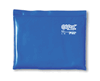
• Techni Ice HDR 4 Ply Reusable Ice & Heat Packs, approx $18.00 at Amazon. Link here.
How to Make a $20 Ice pack for $2
• Instant Ice Pack for $1.50 at Amazon here.
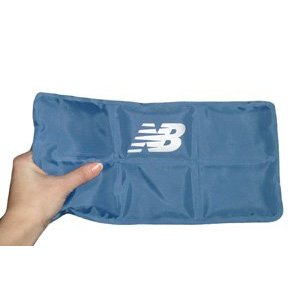
• New Balance Ice/Heat Pack for $12.00 at Amazon here.
• Thermalon Microwave Activated Moist Heat-Cold Neck Wrap for Neck and Shoulder, 21″ about $17.00 from Amazon here.

Icewraps.com

Note: The information given in this post is not intended to replace advice from your health care provider. Make sure you consult your doctor before using ice or heat on an injury!

Reblog this post [with Zemanta]

Read Full Post »

By Sue Shekut, Owner, Working Well Massage, Licensed Massage Therapist, Certified Wellness Coach, ACSM Personal Trainer

One of our most popular posts is our post about NASA’s Top Ten plants to help clean your air here. You might already think that having a small plant at your desk is a pleasant aesthetic choice, but now you know that it actually will help keep you healthy as well!

“Indoor plants can reduce fatigue, coughs, sore throats and other cold related illnesses by more than 30%,” explains Dr Tove Fjeld of Norway’s University of Agriculture. NASA scientists have also found that plants in the office combat air humidity problems and absorb the pollution from computers, carpets and perfume.

A hearty desk plant can help improve the health of your office.

Megan Cohen at Planet Green has some suggestions for even the worst gardeners:

Spider Plant
Spider plants are happy with watering just once a week, and do well in moderately cool places, which is good news if you’re in an office where air conditioning is just part of the daily deal. They do best when they’re near a window so that they can get some natural light, but don’t put them right in the path of very strong sun or the leaves will freak out and start turning brown. Spider plants like it mellow.

Jade Plant
Jade plants can keep growing for decades, which definitely tells you something about how tough they are. Much like the parrot on the shoulder of a pirate, there’s a chance that your jade plant might outlive you, but chances are, it’ll just be a cool, laid-back partner in crime and will keep most of your secrets.

Peace Lily
These elegant white flowers only need watering about twice a week and have an exotic look that belies how easy they are to handle. Most flowers need a lot of sunlight to fully bloom, but peace lilies still put on a show in low-to-middling lighting conditions, which makes them optimal for bringing a little eye candy to a dingy cubicle.

Photo courtesy of Wikipedia.

Reblog this post [with Zemanta]

Read Full Post »

« Newer Posts - Older Posts »