Feeds:
Posts
Comments

Archive for the ‘Health and Wellness’ Category

By Sue Shekut, Owner, Working Well Massage, Licensed Massage Therapist, Certified Wellness Coach, ACSM Personal Trainer
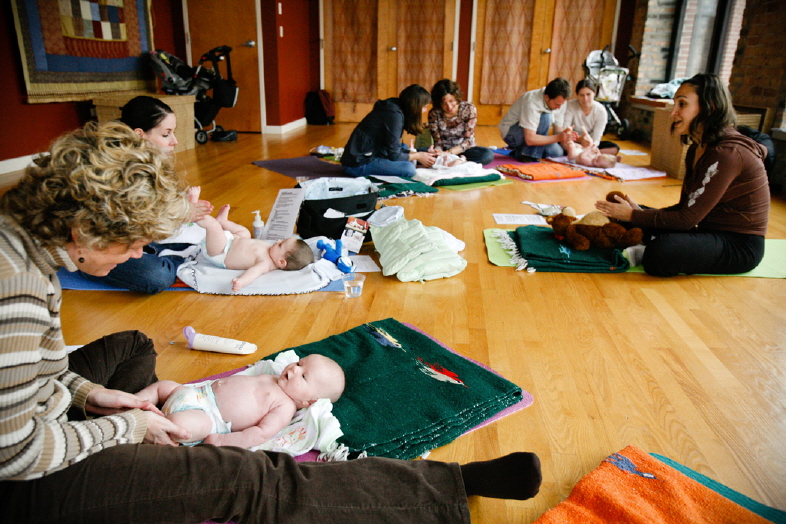
 

Adina Rosenberg's Infant Massage class


Recently I’ve had a number of my female clients deliver happy healthy adorable babies! As a big promoter of  a healthy lifestyle and wellness services like massage therapy, I want to share some information about infant massage for new moms and dads and other infant childcare providers.

Research shows children and infants that are massaged regularly show sleep better, are less anxious and show less signs of stress as indicated by heart rate and stress hormone levels. Infant massage supports the healthy development of  your baby’s body and  builds a foundation of trust and healthy communication between you and your child.

So, where do you go to learn how to safely massage your infant in the Chicago area? I found a few infant massage instructors and class offerings for you and am posting them below.

Adina Rosenberg, Breathe Bodyworks


Adina Rosenberg


As seen on “Fox Thing in the Morning”, Adina teaches  easy massage and yoga techniques to benefit your baby and you. The benefits of infant massage and yoga stretches include early brain development, stimulation, relaxation of muscles, gas relief, and enhanced sleep quality for baby and parent. The massage giver benefits from increased awareness of their baby’s needs and strengthens your bonds with baby. A 10 minute massage, two or three times a week, will make for a more confident caregiver-infant relationship and a very happy baby. It’s easy, fun and rewarding. All care givers are welcome – Mothers, Fathers, Expecting Parents, Grandparents, Sitters, etc. Please bring your baby or a doll to practice techniques.

Infant Massage Workshop
Sunday, December 12, 2010, 1:00 – 2:00 p.m.<

Soulistic Studio & Spa
805 Milwaukee Avenue
Chicago Il 60642

The cost of this workshop is $35/family. Space is limited an pre-registration is required.

To Register go to Soulistic.com.

Infant Massage Course at Galter Life Center

5157 N Francisco Avenue, Chicago, Illinois 60625

Infant massage has numerous benefits, including relaxing and soothing your baby, deepening your communication and bonding and helping your baby sleep. Learn the proper techniques for massaging newborns to 1-year-olds from Heather Rabbitt, LMT, certified infant massage instructor.The class fee is $60 per infant, with a discount for babies delivered at Swedish Covenant Hospital (enter schdelivery as your discount code at checkout).

For more information about this course, please call (773) 878-8200, Ext. 7340 or go to this link here.

Northwestern Memorial Hospital

Infant Massage Classes — Two-part series is for parents of infants from 3 weeks to crawling and is one of the most pleasant ways to “get in touch” with your infant. Infant massage helps regulate digestive, respiratory, and circulatory systems, while influencing motor and memory development. It helps baby sleep better, too! Small group sessions, or private sessions at the hospital, are taught by a Certified Infant Massage Instructor. ONLY MOTHER NEEDS TO BE REGISTERED. Two-Part Group session: $80 Private Session: $100
Register for the next class on November 3 by clicking here.

Infant Massage Class in Oak Park with Mary Cay Cavanagh, NCBTMB, LMT, CPMT, CEIM
 

Mary Cay Cavanagh


Medical Arts Building | 715 Lake Street | Suite 200 | Oak Park, IL 60301

  • Classes held in Oak Park location
  • Babies may be any age under one year (pre-crawling is ideal!)
  • Expectant parents may attend and bring a doll on which to practice the strokes – this is a great way to prepare for your baby’s homecoming
  • Classes are valuable for all caregivers, i.e., moms, dads, nannies, grandparents, older siblings or anyone who enriches your baby’s life with his/her presence. Especially great for new dads as it gives them a physical bond (like mom already has) with their new baby
  • Wonderful opportunity to meet others with new babies in their lives and to share experiences
  • Each session focusing on massage techniques for different parts of the body so you can work with your baby and discover his/her favorites techniques. We also discuss various aspects of infant massage i.e., history, benefits, infant brain development.
  • Price is $150.00 per family for the 2 week series

Please email or phone Mary at 630.452.1527 if you are interested in a class or if you would like information about future classes with Mary.

Enhanced by Zemanta

Read Full Post »

By Sue Shekut, Owner, Working Well Massage, Licensed Massage Therapist, Certified Wellness Coach, ACSM Personal Trainer

People seek massages for a variety of reasons: Stress relief, reducing muscle tension, improving recovery from injury, to enhance athletic performance, and to just pain feel good (versus feel bad or being in pain and tension). If you’ve noticed lately, a new study that links social anxiety to increased inflammatory response has been all over the Internet. So what does this have to do with massage therapy? Plenty.

First off, massage therapy is one of the main complimentary health care approaches for stress relief. Research has shown that massage therapy lowers blood pressure, elevates levels of serotonin and dopamine and reduces levels of cortisol. This new study, conducted by George Slavich, a postdoctoral fellow at the UCLA Cousins Center for Psychoneuroimmunology, and Shelley Taylor, a UCLA professor of psychology,  found that people who have a greater neural sensitivity to social rejection (social anxiety) also have greater increases in inflammatory activity in response to social stress.

A temporary increases in inflammatory response may have been useful for our ancestors when they were confronting a physical threat which may have been triggered by a social threat from a neighboring tribe or another tribe member jockeying for position. Inflammation may be triggered by anticipation of a physical injury.  Proteins that regulate the immune system called, inflammatory cytokines  are released in response to impending (or actual) physical assault because they accelerate wound-healing and reduce the risk of infection. However, chronic inflammation can increase the risk of asthma, rheumatoid arthritis, cardiovascular disease, certain types of cancer and depression, according to the UCLA study.


George Slavich, UCLA


Study author George Slavich said that how people react and interpret social situations has an important effect on how people trigger the inflammatory response. For example, some people may view being the enter of attention (such as giving a speech or attending a party), as a welcome challenge. Others may see the same event as extremely uncomfortable or even threatening.

“This is further evidence of how closely our mind and body are connected,” Slavich said according to a UCLA press release about the study. “We have known for a long time that social stress can ‘get under the skin’ to increase risk for disease, but it’s been unclear exactly how these effects occur. To our knowledge, this study is the first to identify the neurocognitive pathways that might be involved in inflammatory responses to acute social stress.”

Potentially anxiety producing situations like job interviews, public speaking, large parties, even award ceremonies can lead some people to feel extreme anxiety.

How can massage therapy help? One way would be to hire your own personal massage therapist to travel around with you and give you a chair massage any time you feel social anxiety. Bob Hope did it. That it, he had his own personal massage therapist for years that gave him a massage every day. I’m not sure that daily massage was to improve Bob’s social anxiety, because I don’t know if he had any! But he did get daily massage for many years. And Bob lived to be 100 years old.

For most of us a daily professional massage not really practical. But how about scheduling a massage the day before or a few hours before or after your big event. The massage may help relax you and flood your body with feel good chemicals. It’s difficult to feel tense and stressed while feeling relaxed at the same time!

Other strategies for coping with social anxiety include working with a cognitive behavioral therapist to help you better manage your thoughts that make your responses to social situations less stressful.

“Although the issue is complex, one solution is to not treat negative thoughts as facts,” Slavich said. “If you think you’re being socially rejected, ask yourself, what’s the evidence? If there is no evidence, then revise your belief. If you were right, then make sure you’re not catastrophizing or making the worst out of the situation.”

The study appears in the current online edition of the journal Proceedings of the National Academy of Sciences.

Enhanced by Zemanta

Read Full Post »

Deep and superficial layers of posterior leg m...
Image via Wikipedia

By Sue Shekut, Owner, Working Well Massage, Licensed Massage Therapist, Certified Wellness Coach, ACSM Personal Trainer

Most people think of their calf muscles as those two bulging muscles below the back of their knees called the gastrocnemius muscle. These muscles have two “heads” like the biceps and are visible in most people. However, underneath this muscle is a very important muscle, the soleus muscle. It is a smaller, flatter muscle that attaches deep to the upper portion of your tibia and fibula bones as well as to the membrane that attaches the too bones together.

The soleus attaches at the bottom to your leg to the heel bone via the Achilles tendon (along with the gastrocnemius and plantaris muscles.) Because the soleus attaches to your hell, it is a primary plantar flexor of the ankle. this means the soleus is the muscle most responsible for letting you push down firmly with the front of your foot. this is useful for walking, running, cycling, jumping, dancing, basketball, climbing and any activity where you need to push off on the front of your foot. Soleus also helps you standing up!

The gastrocnemius muscle attaches  to the lower portion of the femur (upper leg bone) just above the back of the crease of the knee. About midway down the back of the lower leg, this muscle attaches to the Achilles tendon (which attaches to your heel bone). Because the muscle fibers in the gastrocnemius are longitudinal fibers orienting on a vertical (sagital in anatomic terms) plane, they allow you to left he entire weight of our body! You need this power to be able to jump, climb and walk down stairs and hills. The gastrocs also help stabilize the ankle and knee joints and help control balance in your feet. although most people think of their calves as primarily the gastrocnemius muscles, surprisingly, this muscle doesn’t do much to help you move forward. Its more of a power muscle for spurts of movement like jumping and climbing (versus walking or jogging).

People often experience “Charley horses” or cramps in their gastrocnemeus muscles. But cramps or pain in soleus muscles can lead to pain in your heel, calf and back of your ankle as well.  And since soleus is used in to help maintain a standing position and for walking and running, overly tight soleus muscles can also contribute to low back pain in some people.

How to Stretch Soleus Muscles

1. Stand with your legs  in a mild lunge position (one leg in front of the other), feet about 2 feet apart.

2. Bend your front foot upward (dorsiflex your foot) while bending your back leg. Keep front leg straight.

3. Hold for 10-15 seconds then repeat with the other leg.

You should feel a good stretch in your soleus, but not much in your gastrocs.

How to Stretch Gastronemius Muscles

1. Stand facing about 3-4 feet from a flat wall.

2. Lean your body into the wall so that your palms are touching the wall and holding you up.

3. Now step backwards with one foot, bending your forward knee and keeping the back foot as flat tot the ground as possible.

4. “Lather, rinse, repeat” with the other leg.

You should feel a strong stretch in both your gastrocnemeus and your soleus, but more so in your gastrocs.

Enhanced by Zemanta

Read Full Post »

By Sue Shekut, Owner, Working Well Massage, Licensed Massage Therapist, Certified Wellness Coach, ACSM Personal Trainer

The American College of Sports Medicine tracks trends for the fitness industry and published their findings to show you what to expect in fitness in the coming year at the gym, in your doctor’s office and at work. Experienced fitness professionals topped the list while strength training, core work, special fitness programs for older adults, pilates and balance training also made the top ten. Dr. Walter Thompson, of the American College of Sports Medicine (ACSM) which conducted the poll, said that 1,540 ACSM-certified fitness professionals from all around the world took part in the online survey.

“We really wanted to look at trends,” Thompson, a professor of Exercise Science at Georgia State University, explained. “We instructed the respondents to ignore fads, like the devices you see on late-night TV infomercials.”

Fitness professionals and personal trainers captured the first and third spots in the survey, but according to Thompson, this increase is at expense of clients. Why? Because the increase in demand for personal trainers and fitness instructors has led to an influx of people entering the profession lacking the necessary training to avoid injuring clients. Thompson said, “There has to be some policing. People are getting hurt by trainers who just don’t have the qualifications.” Personal training was introduced about 10 years ago and was once a luxury for movie stars. Now most gyms provide personal trainers and some gyms are personal trainer-only gyms.

Children and obesity came in second in the poll. “For the first time in history the next generation of young people may not live as long as their parents or grandparents,” said ACSM representatives. Strength training  and core training were in the top five as well.

The stability ball  came in at number eight. (Note: The use of the stability ball did not even make the top 20 in an ACSM survey in 2007.)  Fitness professionals once thought this was a fad, according to the ACSM, but the ball has become into a versatile teaching tool for stability, balance and strength.

Balance training, which includes yoga, Pilates, tai chi and exercise balls, came in at number 10. (Two years ago it was not even in the top 20.)

The emphasis on comprehensive health promotion at the workplace was number 12. “The notion of wellness coaching (number 13) was also a surprise. Last year it was at the bottom.” said Thompson, adding that nutrition as well as exercise and wellness training points to a more holistic approach to fitness in general.

Thompson and his team don’t predict the future, but they believe that the trends they track to inform the fitness industry are also useful in educating the public. For example,  physician referrals to exercise professionals is a growing trend. “Exercise is medicine,” Thompson concludes. “We’re bridging the gap between fitness professionals and physicians.”

Read the full article  here.
Enhanced by Zemanta

Read Full Post »

Men's Health Logo
Image via Wikipedia

By Sue Shekut, Owner, Working Well Massage, Licensed Massage Therapist, Certified Wellness Coach, ACSM Personal Trainer

I enjoy reading Men’s Health magazine each month. The editors and writers do a fantastic job of researching a wide range of topics and presenting great workout ideas, simple tasty recipes and a fair number of inspirational stories about men that have overcome cancer, emotional issues and serious accidents.

Last month, the August issue carried an article titled, When the Warrior Returns Home here. In the article, the author describes the use of resilience training for combat troops. The armed forces are employing psychologists to give the troops resilience training is an attempt to help soldiers better communicate (without overreacting) to family and friends after returning home from combat. Resilience training also helps soldiers deal with the effects of being in combat: being able to handle the emotional stress of watching buddies get blown to bits in front of them and of the possibility of capture or death during deployment.  How well does resilience training work? Pretty well. Read the article to learn more.

If resilience training works for combat troops to avoid Post Traumatic Stress Disorder, can it help you and me? Sure it can. Whether you are fighting a tough reorganization environment at work, the stress of having a new baby at home (or two or three!), long-term unemployment or managing long commutes and frustrating traffic, resilience training may help you, too.

How do you get resilience training? Men’s Health gives tips on this page to show you how to better manage your own emotions and avoid the health costs of overreacting, high blood pressure and mental stress.

MayoClinic has a great article on Resilience training here.

Or you can visit a Licensed Psychologist or Counselor that specializes in resilience training.

Check out the Chicago Center for Family Health here. Their website says that their “collaborative, resilience-promoting approach identifies and builds on clients’ strengths, helping them to manage persistent stress and recover from life crises. Our goal is to enhance the functioning and well-being of the families, couples and individuals with whom we work.”

Or i the Chicago area, you may want to contact Michele Dubuisson, LCSW. In her web page she says that ““My areas of expertise include depression, anxiety, relationship issues, grief, and trauma. My approach to therapy is grounded in the belief that we are all resilient, each of us has unique strengths. I work with my clients to build on these strengths, increase their insight, and develop the trust needed to achieve their goals. I do this by providing a safe space in which you may process your experiences, express your feelings, challenge unhealthy relationship patterns, and develop self-awareness.I work with my clients to understand triggers that may contribute to stress and to develop healthier coping skills. My clients appreciate my down-to-earth, relational style, and collaborative approach to therapy.” Contact Michele via this link.

Enhanced by Zemanta

Read Full Post »

By Sue Shekut, Owner, Working Well Massage, Licensed Massage Therapist, Certified Wellness Coach, ACSM Personal Trainer

Are you looking for a really big challenge, fitness wise? Wanted to climb Mount Ranier and didn’t make it this year? Or not able to run the Chicago Marathon but still want a heavy duty fitness goal?  You are in luck. The people behind Men’s Health magazine have put together a rigorous obstacle source race called the URBANATHLON™. And it’s coming to Chicago on October 10-16-10.

What’s so cool about the URBANATHLON™? It’s all set up in downtown Chicago lakefront areas and consists of fitness challenges for men and woman that want to do more than run on pavement for 26 plus miles. Not to bash the Marathon, but some people want more than a running race. They want a climbing, jumping, sprinting and crawling race.

For example, the first challenge is:
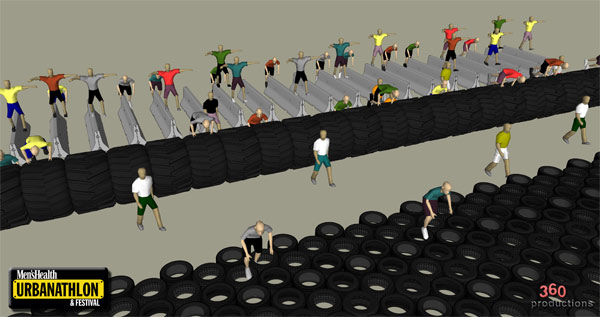
Obstacle Course 1: Navy Pier
Violation of the rules of this obstacle course will result in a do-over.

Section 1

  • Get up on and move across the “JERSEY CONCRETE BARRIERS” as you would a balance beam
  • You must get from one end to the other without falling off

Section 2

  • Get up and over the “MONSTER TRUCK TIRE” obstacle
  • You are not permitted to go around the obstacle

Section 3

  • Move through the “TIRE” portion of the obstacle stutter-step style, touching the ground inside of each consecutive tire
  • Do not skip a tire or run on top of the tires

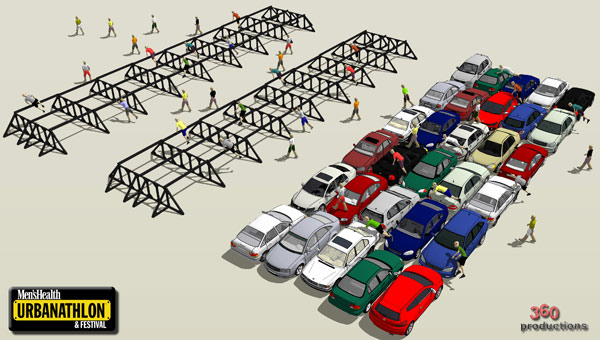
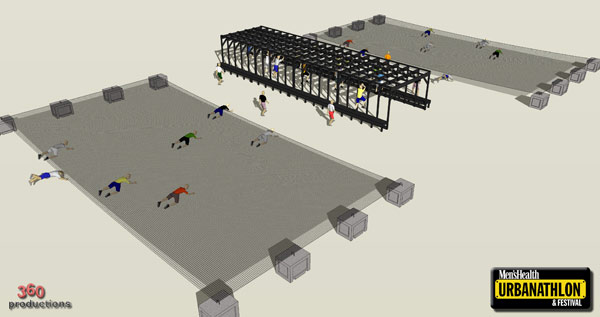
For a full list of obstacles on the  course click here.

For the obstacle course map click here.

And if you don’t want to race but want to participate, you can watch. For a list of where to watch the race, click here.

Registration Cost
Solo: $110.00
Relay: $180.00

Ipods Banned From the Race
iPods/portable media devices are strictly prohibited because of the unique urban makeup of this event. The obstacles involve jumping, crawling and climbing and thus lend themselves to headphone cord snags and dropped devices that result in back-ups and run-ins. This rule has been set to protect all involved parties from injury.

Please Note: Race staff will be aggressively enforcing this rule on race day.

What are the Rules?

For a complete list of rules to compete in the URBANATHLON™, click here.

Total Course Distance
9.75 miles, including obstacles.

Race Start Time
Wave One will begin at 7:45AM sharp, with each successive wave following according to the wave start plan.

Minimum Age of Race Participants
All racers must be 18 years of age or older to participate in this event.

If I can’t Make the Race in Chicago  in 2010, Where Else Can I Race the Course?
This year, the URBANATHLON™ will be held in Chicago only. We are looking to bring the race to other cities in the future.

Charity

Join the Men’s Health Mission, to raise funds for the Challenged Athletes Foundation® so people with physical disabilities can pursue an active lifestyle. Signing up for the Mission will provide you with:

• A fundraising kit
• A dedicated fundraising web page
• A CAF T-shirt

Your hard work will be rewarded with valuable incentive prizes: technical apparel, high-tech bikes, adventure trips, sports watches, digital cameras and more.

Click here to join the Men’s Health Mission.

Where to Pick Up Your Race Packet

Hard Rock Hotel
230 North Michigan Avenue
Chicago, IL 60601

Enter via the Michigan Avenue entrance, take stairs on left to the 2nd floor, Gibson Room

race Packet Pickup Dates and Times
10.14.10, 11:30 AM–8:00 PM
10.15.10, 11:30 AM–10:00 PM

Please Note: There will be NO packet pickup on the morning of the race.

Enhanced by Zemanta

Read Full Post »

By Sue Shekut, Owner, Working Well Massage, Licensed Massage Therapist, Certified Wellness Coach, ACSM Personal Trainer

As Fall unfolds and winter approaches, it’s time to think about giving your home and your family a boost of fresh air, reduced stress and visual beauty. How can you do that? With indoor potted plants.

Some plants are known for their ability to remove harmful chemicals from the air. Overall, plants and nature have shown to reduce stress levels and improve mood. And for most people, plants are visually appealing and give our minds a break from “hard attention,” the kind we use when we read, solve problems at work or focus on a task.

To send a friend or relative a burst of healthy air and the gift of stress reduction, you can send them a Potted Peace Lily Plant (Spathiphyllum) for about $40 (with shipping) from Proflowers here.

In Chicago, you can find locations to buy air cleaning plants here.

Breathe deep and enjoy your indoor plants! They may help keep you from getting cabin fever.

Enhanced by Zemanta

Read Full Post »

Personal trainer showing a client how to exerc...
A Non-French gym. Image via Wikipedia

By Sue Shekut, Owner, Working Well Massage, Licensed Massage Therapist, Certified Wellness Coach, ACSM Personal Trainer

This morning I was reading an article from Reuters about how the French culture is not adopting the “gym culture” as readily as people in the U.S., Spain and the United Kingdom. One of the reasons given for the French reluctance to leave the outdoors and go workout in a gym? The tendency of the French to play football, tennis and go cycling.

Now the gym industry is trying to determine the best ways to get people in France off their football fields, tennis courts and off their bikes so they can go work out in a gym. I find this really interesting because here in the U.S., people are more likely to go work out in a gym, compartmentalizing exercise into a 30-minute or 1 hour segment of their week. While in France, people tend to walk daily, eat smaller portions and incorporate exercise into their daily routine.  In the U.S., where obesity is a huge concern, we have created a sedentary lifestyle (suburbs, car based cities, supersized portions and a fast food mentality). Meals in France are more leisurely, people often shop each day for the evening meal. Meals are more often lingered over, a time for socializing and conversation, not wolfing down food while sitting in front of the television (which, I admit I’ve been guilty of at times.).

So, what’s wrong with this picture? For one thing, going to the gym when you have no other alternative for exercise is better than not doing anything. I am not anti-gym. In the U.S. our gyms and personal trainers have come a long way to helping more people get fit and adopt a healthier lifestyle. But to expect a culture to adopt a less healthy lifestyle (by giving up a natural incorporation of exercise and healthy portion size) to help build more gyms in France seems counterproductive.

If the gym industry could embrace France’s culture instead of the other way around, we might have a healthy U.S. gym culture too. For example, creating more outdoor running areas and cycling areas, making areas of the city car free so that only bicycles could ride in that area. Creating more opportunities for exercise in suburbs with more walkable downtown areas. And for those that want to eat more like the French, we already have a great cookbook: The French Women Don’t Get Fat Cookbook! Only $16.50 at Amazon.

Enhanced by Zemanta

Read Full Post »

By Sue Shekut, Owner, Working Well Massage, Licensed Massage Therapist, Certified Wellness Coach, ACSM Personal Trainer

When you are ill, you just want to feel better!

I was forwarded an article about the lack of credibility in Wikipedia entries, link here. Is it absolutely shocking that an open source, user-edited and maintained site might not reflect all sides of any story? In my book, no.

In my travels and studies of massage, psychology and personal training, I read a lot of conflicting information. Some “research” is questionable because it’s sponsored by a company or individual with financial ties to the product or service being studied. Some research is questionable if it is not published in an established peer-reviewed journal. (And even peer-reviewed journals may only publish research that reflects the reviewer’s bias.) In my own experience, I think there are some treatments and modalities of wellness care that are ineffective. And some really well-meaning people may practice them, telling clients that if the treatment does not work, it’s because the client did not believe in it. This is hogwash. Belief in a treatment should not be the sole requirement for its effectiveness. If it were, then the placebo effect would be the treatment of choice for everyone! At the same time, I’ve read articles about studies that were published in peer-reviewed journals but were financed by a pharmaceutical company or by a researcher with ties to a pharmaceutical company. Often this research is later criticized by other researchers for its lack of objectivity. The research may or may not be solid, but the researcher’s affiliation makes the results suspect. I’ve also heard stories from clients and friends about medical doctors misdiagnosing them or doing surgery that made their pain and problems worse. So who can you trust for health care information?

For consumers and clients that just want to be healthy and recover from illness and injury, it is difficult to know who to trust. But in health care as well as in all aspects of life, it truly is buyer beware.  That said, reading Wikipedia as a source of factual information is unwise. I like Wikipedia as a starting point for general information and further research, but I take what I read with a huge boulder of Sea salt. As wellness care consumers, we all must be careful to check the sources of our information, to visit health care practitioners we trust and to look elsewhere if our health care providers let us down or don’t succeed in treating us or our conditions.

I consider myself a skeptic with an open mind. I’ve seen medical doctors make horrible mistakes, allow pharmaceutical reps to dictate patient care through use of free samples, free tickets and gifts. I’ve also seen some alternative health care practitioners encourage clients to come back week after week, taking the clients money, promising recovery from a disease or condition while having no success in treating the client’s condition.  At the same time, I’ve seen both alternative health care providers as well as Western medical doctors help people make miraculous recoveries from illnesses and injuries. The human body is still a mystery to the medical and holistic community. There are things we know and things we guess about and things we are still figuring out. We have not yet conquered aging and death, illness and pain. Some might say that illness, death, pain and aging are part of the human condition. We can do our best to maintain a quality of life, try to remain pain-free, illness free, and when we do fall ill, do our best to find treatment and recover quickly. But as of yet, we all have a finite lifespan. There are no magic bullets. Yet health care research, medical providers, alternative health care providers and wellness practitioners can agree on one thing: We all want our clients and patients to live the best lives they can with our help. And coming together on that point is what matters to me.

As a consumer, what can you do to protect yourself, your pocketbook, and your health from wasting time with ineffective treatments?

1. Be as educated as you can about your condition and the latest research on treatment options.

2. Get referrals from friends and family, keeping in mind that what works for one person may not work for another.It doe snot mean the treatment or practitioner is bogus.

3. Check the background of any health care provider that is going to provide you with care ( especially if you are considering surgery or any expensive or untested treatment).

4. If a health care provider offers you a service or treatment and you are not sure of its effectiveness, look it up. Do your homework. Does the treatment have any research to back it up? Is the research reliable?  Don’t just trust Wikipedia for your results! Check out PubMED (for medical research) or PsychINFO (for psychological research) or any reputable research search engine.

5. If you are under someone’s care and you don’t feel you are getting results, it does not mean that person is a quack or is ineffective, it may be that you need a different health care provider or treatment. Sometimes, one doctor may have a different take on an illness. An internal medicine doctor may not know as much about arthritis as a rheumatologist. A Western medical doctor will not know as much about acupuncture as a board certified acupuncturist. A massage therapist may know a lot about your muscle adhesions but will not have the expertise to diagnose an ACL tear in your knee.

There are no guarantees in life. But becoming more knowledgeable about research into a treatment’s effectiveness and a health care provider’s financial affiliations and education, can help you make better decisions about your own health care.

As to the Wikipedia debate, I’ll leave it to the folks fighting to keep their info on the site. I do wonder, though, how important it is to have Wikipedia showcase a particular treatment or school of thought when there are so many more reputable sources for information.

Enhanced by Zemanta

Read Full Post »

By Sue Shekut, Owner, Working Well Massage, Licensed Massage Therapist, Certified Wellness Coach, ACSM Personal Trainer

Recently I was reading Backpacker magazine’s top lists of hikes around the U.S. They  listed 3 of the top hiking places in Chicago: The Chicago Lakefront, Starved Rock and Kankakee River State Park.  The lakefront is more of an outdoor mall these days than an actual hiking path, but it is a well known Chicago route so I give Backpacker that much. But I was surprised that they did not mention any of the fantastic hiking paths in the rest of the Chicago Area: Tinley Park, Herrick Lake, Palos, Waterfall Glen, Sag Valley, and about 30 more. If you get out of Chicago proper, there are scores of really quiet, well maintained forests, meadows and trails.  I’ve been to Starved Rock a number of times, but had not yet to Kankakee. So, to verify Backpackers recommendation, my man and I bundled up our hiking gear and headed for Kankakee River State Park this past weekend!

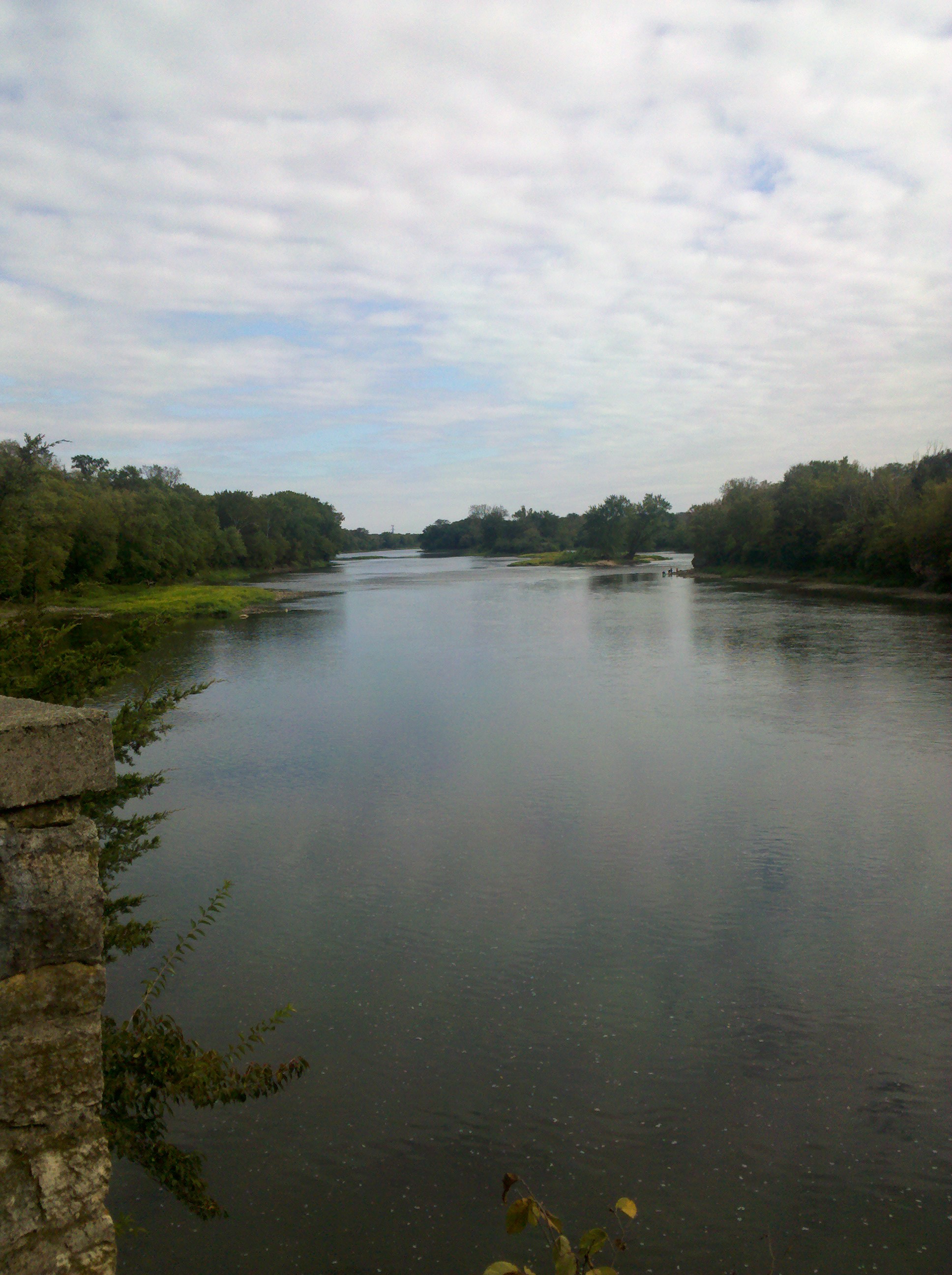
Kankakee River. Image by Sue Shekut

The park’s trail system stretches for miles along both sides of the river. Hiking, biking and cross-country ski trails are on the river’s north side, while horse and snowmobile trails can be found on the south.

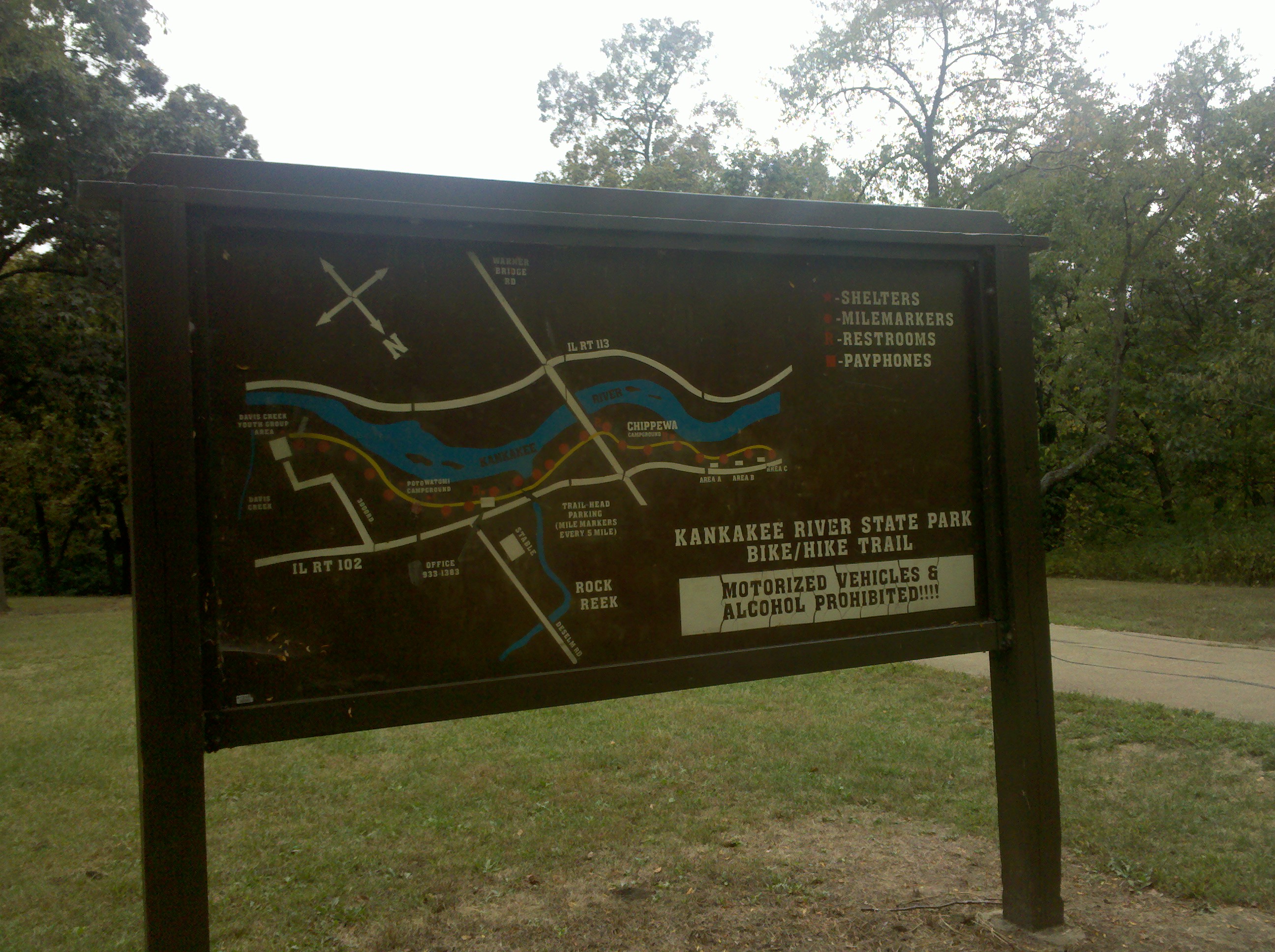
Kankakee River State Park Map. Image by Sue Shekut

On Sunday, we walked from a boat launch area on the West side of the park, over a suspension bridge, along a picnic area and then to Rock Creek trail where we climbed along the creek.

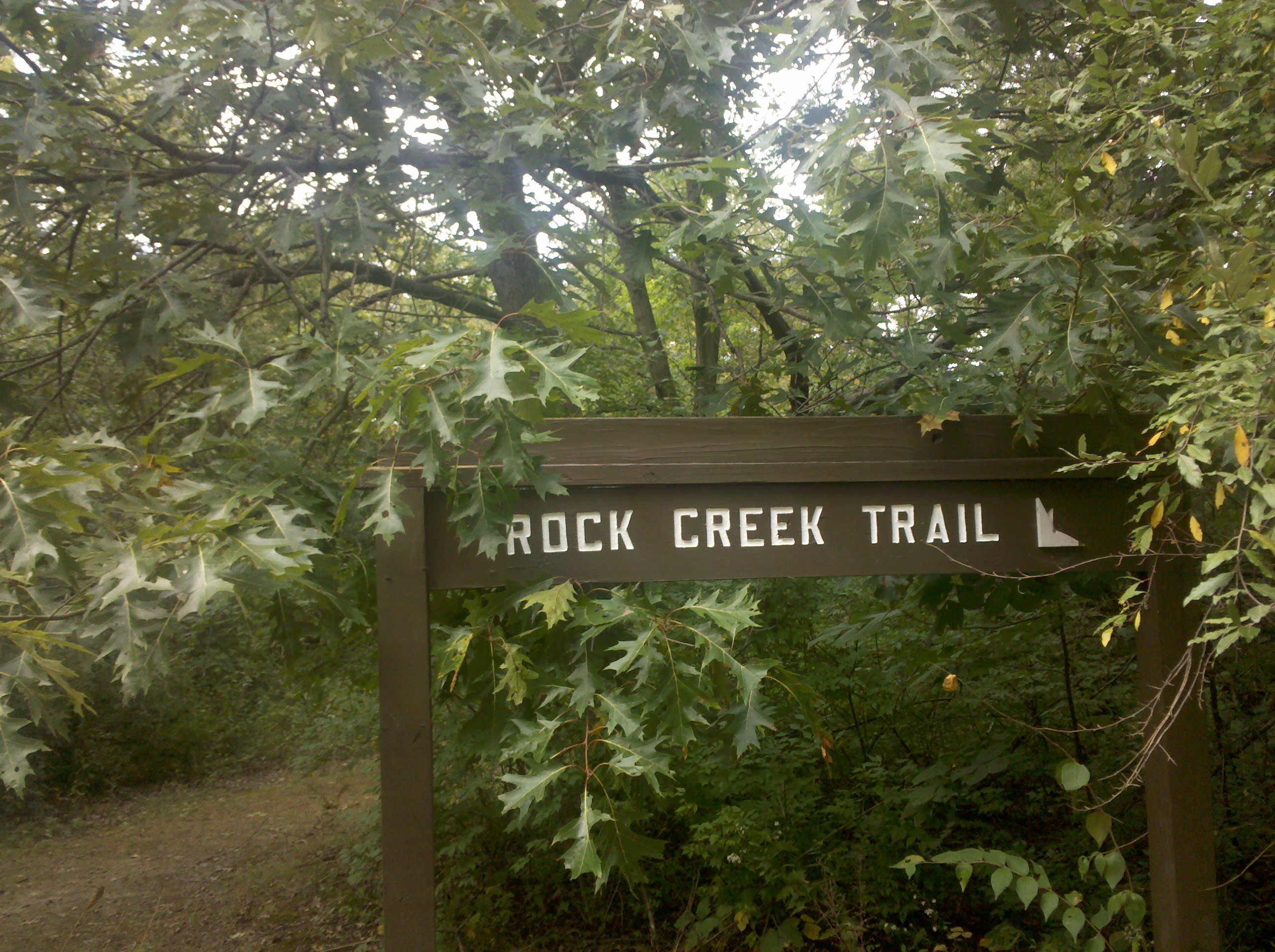
Kankakee Rock Creek Trail marker. Image by Sue Shekut

The 3-mile route along Rock Creek gives you a great view of limestone canyons and a smallish frothy waterfall. The park offers a bicycle trail that begins at Davis Creek Area and travels 10.5 miles of trails in the form of a linear trail along the river and with a loop in the west end of the park.

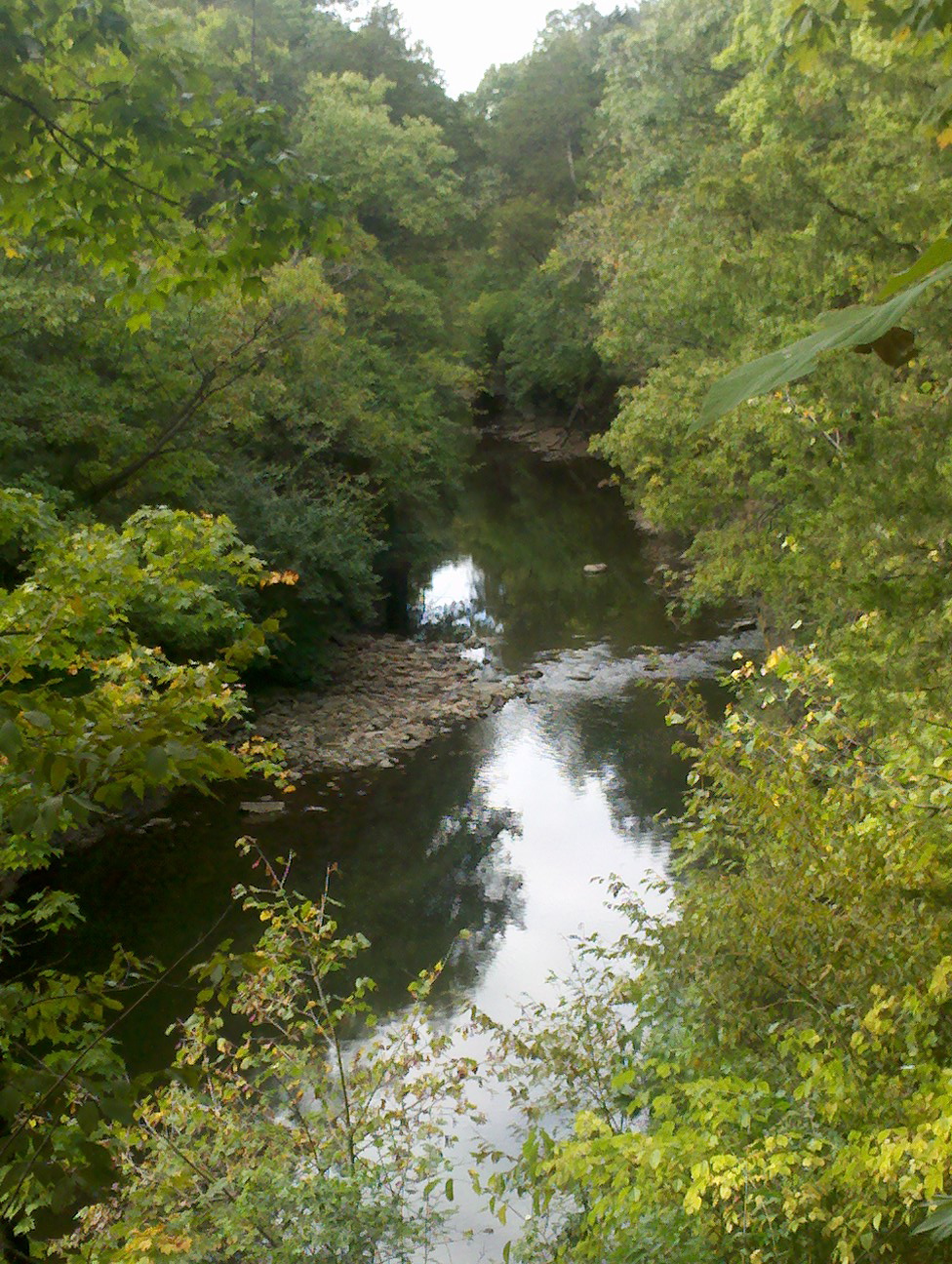
View from Rock Creek Trail, Kankakee. Image by Sue Shekut

This region is fairly flat with some nice hike-able cliffs and a few look out points along the river. But the Rock Creek Trail had some really steep paths along the way affording interesting lookouts of the clean clear water below.

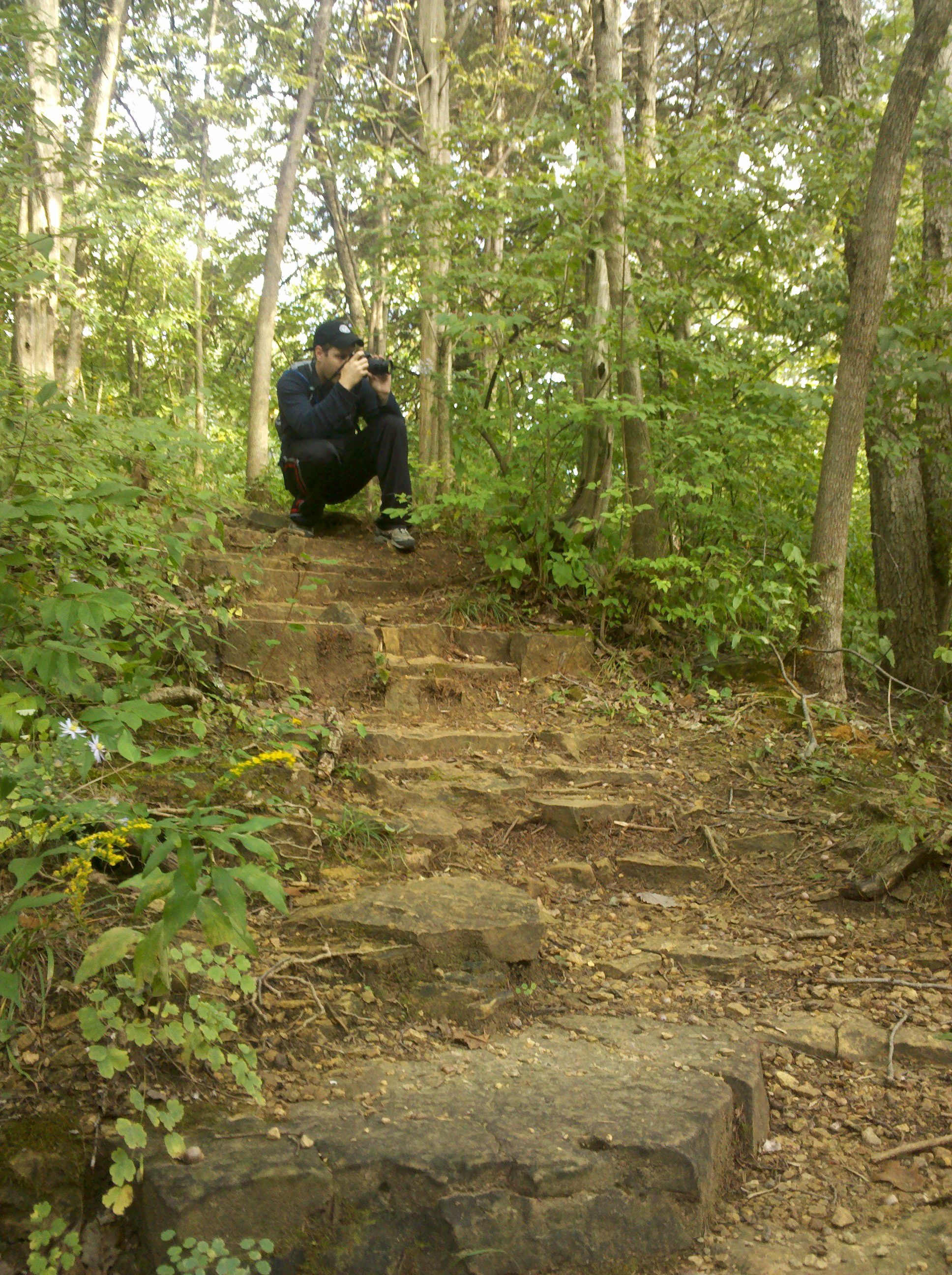
Jason taking pics at Rock Creek Trail overlook, Kankakee. Image by Sue Shekut

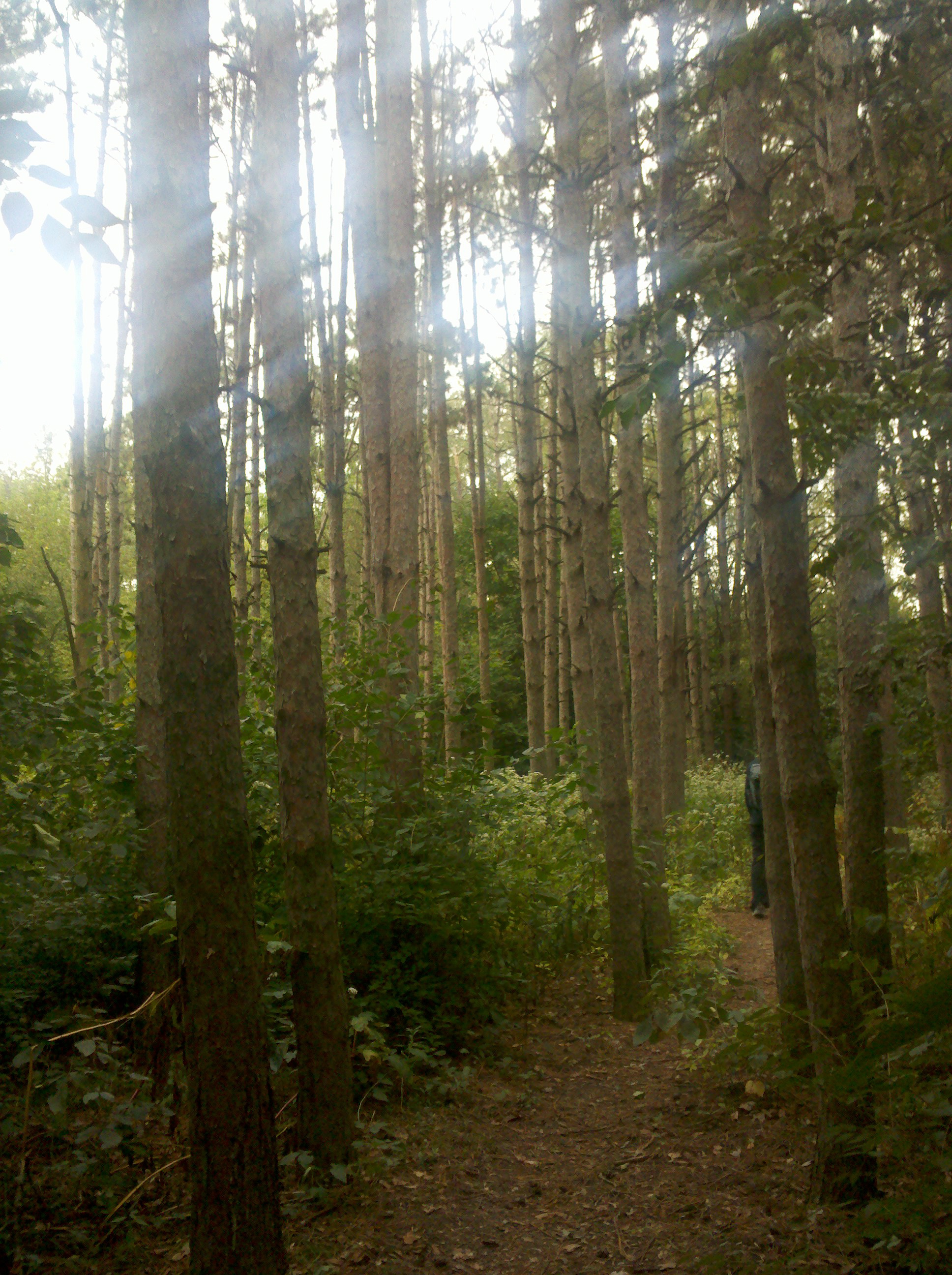
On our way around the Rock Creek Trail we found a really lovely grove of pine trees. Walking into the trees we felt that special hush I often feel when I am in the presence of a grove of trees. It felt like a church or sacred space.

Pine forest along the trail in Kankakee. Image by Sue Shekut

No matter where we hiked, we could see through the water at every point!  That water is clean–at least to the naked eye–and it’s  a pleasure to be able to see such clear water in a local river.

Super clear water in Kankakee River! Image by Sue Shekut

At this point we had hiked about 7 miles and then got a bit lost finding our way back to our car which added another 2 miles to our hike. We took a wrong turn at fork in the trail and ended up by the stables.

Kankakee River Stables rents horses. Image by Sue Shekut

All told, according to my handy pedometer, we hiked 10 miles and still had another half of the park to explore on another day.

For directions, info on equestrian trials, biking, hiking, etc. click here.

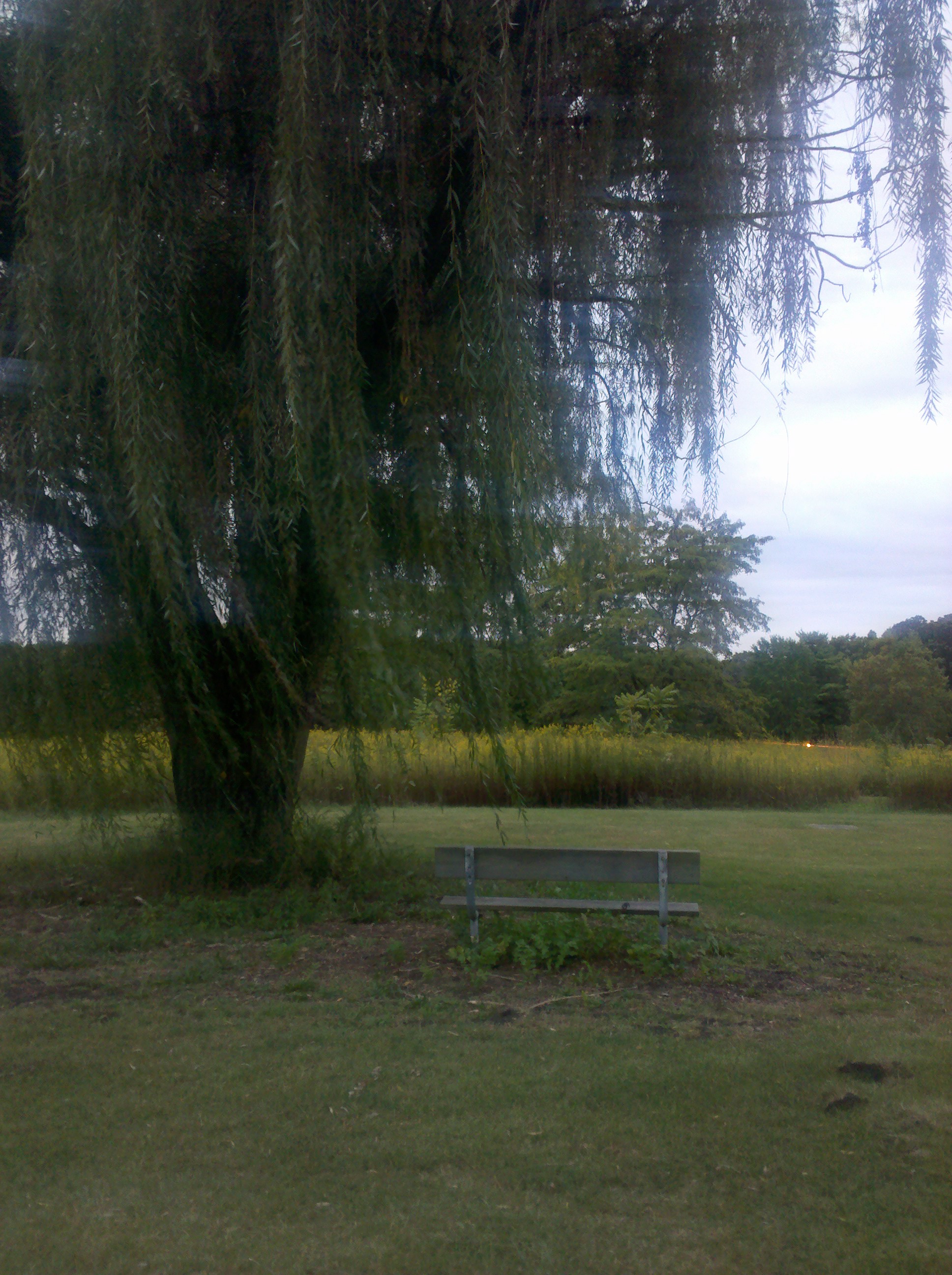
A beautiful spot to relax in Kankakee River State Park. Image by Sue Shekut

Enhanced by Zemanta

Read Full Post »

« Newer Posts - Older Posts »