Feeds:
Posts
Comments

Archive for the ‘Nutrition’ Category

Many Working Well Massage clients try to eat well and exercise. But they do love their chocolate!  Can you eat chocolate and still feel you are eating healthy? Can you satisfy your chocolate cravings and still keep your fat and sugar intake to a healthy amount?

To answer those questions, you first need to know a bit about chocolate.  According to Robert L. Wolke www.professorscience.com), professor emeritus of chemistry at the University of Pittsburgh and the author, most recently, of “What Einstein Told His Cook: Kitchen Science Explained”, “Milk chocolate contains so much milk and sugar that its percentage of true cacao may be as low as 10 percent, the minimum required by the FDA for calling it “chocolate” on the label. Hershey’s milk chocolate contains about 11 percent cacao. In contrast, a serious dark chocolate bar will contain anywhere from 65 percent to 85 percent cacao.”

“Good Morning America” contributor Dr. David Katz has been conducting a study at Yale University on the health effects of chocolate.

The Yale study, which is funded by Hershey, used ultrasound technology and sophisticated measurements to assess the effects of eating dark chocolate on 45 moderately overweight adults. The study also measured participants’ blood pressure before and two hours after eating two servings of dark chocolate. Sure enough, after consuming the dark chocolate, which is high in antioxidants, their blood pressure dropped. Dark chocolate also helps blood vessels dilate which allows blood to flow more freely.

But that does not mean everyone can consume as much dark chocolate as they want?

“Chocolate remains a concentrated source of calories and sugar and too much of those things will seriously offset any health benefit,” Katz said. “Milk chocolate doesn’t work because it’s high in saturated fatty acids that harm blood vessels and the overall health of your heart … So don’t go overboard, but switch to dark chocolate and you can really have your cake and eat it too.”

People should look for chocolate that has a cocoa content of 60 percent or higher, Katz said.

Katz said that “healthy” candy bars are example of “functional foods.” The manufacturers purposely added a healthy nutrient to the product. He said he expects more similar items in the future. read more from Dr. Katz about “healthy” chocolate bars here.

Health By Chocolate

Health By Chocolate is a new bar that makes health claims about it’s chocolate bars. According to their website,  Health by chocolate bars are low glycemic foods and contain only 2 teaspoons of sugar, and a 50 gram bar contains less than half the caffeine of a cup of coffee (15-40 mg versus 80-100mg). Created by Sally Malanga, founder of the natural beauty brand Ecco Bella, in her New Jersey townhouse in 2003, the bars have a proprietary blend of functional ingredients to address a specific need:

• Instant Bliss Beauty for healthy skin
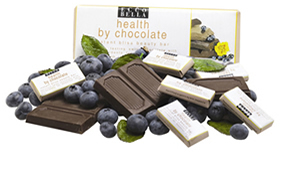
Bliss bar

• Beautiful Bones for strong, healthy bones
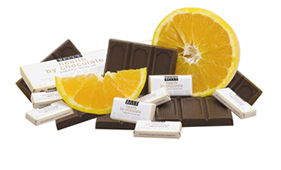
Bones bar

• Women’s Wonder bar to combat the effects of PMS and menopause
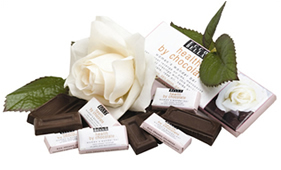
Woman's Wonder Bar

What’s So Healthy About Health By Chocolate Bars?

• Each of Beautiful Bones serving (2 squares 16.66gr.) contains 400 mg calcium (38% RDA), 22 mcg vitamin K blend with K2 (from natto, a fermented soybean- no official RDA but suggested RDA is 45mcg), 150iu vitamin D2 (from yeast), 150 iu vitamin D3 (from lanolin- 15% of RDA), 750 mg fructooligosaccharide fiber (from sugar cane fiber- 2% of RDA).

• Calcium in the Beautiful Bones Bar is produced from seaweed with its trace minerals intact, such as magnesium, iodine, boron, and selenium. The seaweed is harvested from the seabed off the west coast of Ireland from mineral rich Atlantic waters.

• Woman’s Wonder Bars includes a traditional herb, Chaste Tree Berry, which is considered safe and effective for relieving symptoms of both PMS and menopause. According to the German Commission E monograph, the ripened berry of the Chaste Tree was clinically proven to relieve PMS symptoms and reduce menopausal symptoms. Research shows that recommended dosages vary from 40 mg day to 400 mg day without side effects, except for a slight skin itching. It is not recommended for pregnant women.

• Whole soybean powder contains the isoflavones genistein and daidzein. According to the HealthByChocolate website, some studies show that isoflavones have the ability to mimic human estrogen, helping to reduce insomnia, loss of libido, night sweats and hot flashes. Isoflavones also have a positive effect on bone, breast and heart health.

• Cranberry Seed Oil has a blend of omega 3/6/9 essential fatty acids that are beneficial to skin, heart, brain and overall cellular health. Omega 3 essential fatty acids help relieve inflammation, a major factor in PMS cramping and headaches.

• FOS (fructooligosaccharide) is the fibrous part of sugar cane. FOS feeds the good bacteria in the digestive tract. When digestion is optimized, hormone levels are more balanced and calcium absorption increases by 50%!

Where Can You Buy Healthy By Chocolate Bars?

Whole Foods Market and a host of other retailers here.

Or Make Your Own Chocolate Bars!

By Xxheather2124 From Grouprecipies.com From Grouprecipies.com
Very Healthy Chocolate Bars Recipe
Ingredients

  • 12 tablespoons raw cacao powder (crushed cacao beans or nibs)
  • 6 tablespoons agave nectar
  • 6 tablespoons coconut oil
  • 2 tablespoons coconut milk (optional)
  • 3 tablespoons shredded coconut
  • Directions

    1. Blend everything in a food processor until very smooth.
    2. Pour into your chosen mold (ice cube trays work well).
    3. Freeze for 20-30 minutes, and then enjoy!

    Note: Neither Working Well Massage nor Working Well Resources has any affiliation with Health by Chocolate. We just want our clients to know about options that may be healthier than standard high fructose corn sugar sweetened milk chocolate bars!

    Read Full Post »

    One of the anxiety producing aspects of Thanksgiving for my Wellness Coaching clients is the potential for overeating. Here are some tips from WebMD on how to keep up your healthy eating and lifestyle habits  even on a day traditionally known for “stuffing” (ourselves with food!).

    10 Tips for a Thinner Thanksgiving

    Read entire article here.

    Thanksgiving dinner Photo Credit:bookcellarinc.com

    By Kathleen M. Zelman, MPH, RD, LD
    WebMD Weight Loss Clinic-Feature
    Reviewed by Louise Chang, MD

    Thanksgiving only comes around once a year, so why not go ahead and splurge? Because gaining weight during the holiday season is a national pastime. Year after year, most of us pack on at least a pound (some gain more) during the holidays — and keep the extra weight permanently.

    But Thanksgiving does not have to sabotage your weight, experts say. With a little know-how, you can satisfy your desire for traditional favorites and still enjoy a guilt-free Thanksgiving feast. After all, being stuffed is a good idea only if you are a turkey!

    Get Active

    Gentle exercise from EverydayHealth.com

    Create a calorie deficit by exercising to burn off extra calories before you ever indulge in your favorite foods, suggests Connie Diekman, Med, RD, former president of the American Dietetic Association (ADA).

    “‘Eat less and exercise more’ is the winning formula to prevent weight gain during the holidays,” Diekman says. “Increase your steps or lengthen your fitness routine the weeks ahead and especially the day of the feast.”

    Make fitness a family adventure, recommends Susan Finn, PhD, RD, chair of the American Council on Fitness and Nutrition: “Take a walk early in the day and then again after dinner. It is a wonderful way for families to get physical activity and enjoy the holiday together.”

    Eat Breakfast

    While you might think it makes sense to save up calories for the big meal, experts say eating a small meal in the morning can give you more control over your appetite. Start your day with a small but satisfying breakfast — such as an egg with a slice of whole-wheat toast, or a bowl of whole-grain cereal with low-fat milk — so you won’t be starving when you arrive at the gathering.

    “Eating a nutritious meal with protein and fiber before you arrive takes the edge off your appetite and allows you to be more discriminating in your food and beverage choices,” says Diekman.

    Lighten Up

    Whether you are hosting Thanksgiving dinner or bringing a few dishes to share, make your recipes healthier with less fat, sugar, and calories.

    “There is more sugar and fat in most recipes than is needed, and no one will notice the difference if you skim calories by using lower calorie ingredients,” says Diekman.

    Her suggestions:

    • Use fat-free chicken broth to baste the turkey and make gravy.
    • Use sugar substitutes in place of sugar and/or fruit purees instead of oil in baked goods.
    • Reduce oil and butter wherever you can.
    • Try plain yogurt or fat-free sour cream in creamy dips, mashed potatoes, and casseroles.

    Police Your Portions

    • Thanksgiving tables are bountiful and beautiful displays of traditional family favorites. Before you fill your plate, survey the buffet table and decide what you’re going to choose. Then select reasonable-sized portions of foods you cannot live without.

    “Don’t waste your calories on foods that you can have all year long,” suggests Diekman. “Fill your plate with small portions of holiday favorites that only come around once a year so you can enjoy desirable, traditional foods.”

    • Skip the Seconds.Try to resist the temptation to go back for second helpings.”Leftovers are much better the next day, and if you limit yourself to one plate, you are less likely to overeat and have more room for a delectable dessert,” Diekman says.

    Slowly Savor

    Eating slowly, putting your fork down between bites, and tasting each mouthful is one of the easiest ways to enjoy your meal and feel satisfied with one plate full of food, experts say. Choosing whole grains, fruits, vegetables, broth-based soups, salads, and other foods with lots of water and fiber add to the feeling of fullness.

    Go Easy on Alcohol

    Go Easy on Alcohol

    Don’t forget those alcohol calories that can add up quickly.

    “Have a glass of wine or a wine spritzer and between alcoholic drinks, (or) enjoy sparkling water,” says Diekman. “this way you stay hydrated, limit alcohol calories, and stay sober.”

    Be Realistic

    The holiday season is a time for celebration. With busy schedules and so many extra temptations, this is a good time to strive for weight maintenance instead of weight loss.

    “Shift from a mindset of weight loss to weight maintenance,” says Finn. “You will be ahead of the game if you can avoid gaining any weight over the holidays.”

    Focus on Family and Friends

    Thanksgiving is not just about the delicious bounty of food. It’s a time to celebrate relationships with family and friends.

    Read entire article at WebMD here.

    Read Full Post »

    There is now a Chicago-based company, Element Bar, that let’s you custom design your own energy bar!  (And then they ship it to you.) But that’s not the best part. As you design your own energy bar, the website shows you how each ingredient effects nutritional data. Add some peanut  butter and watch the fat content go up. Add some honey and watch the sugar content increase. You can also add “boosts” of Omega 3, Fiber, Soy Protein or Whey Protein.

    Try Building Your Own Bar here.

    I tried it out and created the bar below:

    • Dates: Made from natural date paste. Virtually fat free, high in fiber, no added sweeteners.


    • Prunes: Adds a nice chewy texture and fiber.


    • Almonds: Raw, unsalted – great for texture and taste.
    • Flaxseeds: Lightly roasted that adds a nice crunch.
    • Immunity Boost: Provides 100% of key antioxidants in each bar.
    • Omega 3 boost: Our flax seed oil provides 0.5 grams of Omega-3 per bar.


    • Fiber: Chicory root extract provides 2 grams of soluble fiber per bar.

    Ingredients in my custom protein bar

    name your custom energy bar
    we guarantee delicious bars
    Delete Ingredient Organic
    prunes Prunes Organic not available
    almonds Almonds
    flaxSeeds FlaxSeeds
    omega3Boost Omega-3 Boost
    fiberBoost Fiber Boost Organic not available
    immunityBoost Immunity Boost Organic not available
    datey Datey Core Organic not available

    Bar Power Key:

    custom energy bar rich in antioxidants custom energy bar good for GI health custom energy bar good for your brain custom energy bar good for your heart custom energy bar for strength
    Antioxidant GI Health Brain/Memory Heart Muscle/Strength

    Nutrition Facts
    Serving Size 1 Bar (2.8oz)
    Amount Per Serving
    Calories 265
    Calories from Fat 50

    Total Fat 5.5g
    % Daily Value*8%

    Saturated Fat 0.2g
    % Daily Value*1%

    Trans Fat 0g

    Cholesterol 0mg
    % Daily Value*0%

    Sodium 2.2mg
    % Daily Value*0%
    Potassium 402.6mg
    % Daily Value 12%

    Total Carbohydrate 55.2g
    % Daily Value 18%

    Dietary Fiber 8.8g
    % Daily Value 35%
    Sugars 46.3g

    Protein 2.3g
    % Daily Value*5%

    Vitamin A % Daily Value 42%
    Vitamin C
    % Daily Value*382%
    Calcium
    % Daily Value*20%
    Iron
    % Daily Value*3%

    Ingredients: Date Paste (Pressed Dates, Vegetable Oil), Inulin (Chicory Root Extract), Almonds, Organic Flax Seeds, Prunes, Immunity Boost, Organic Flaxseed Oil

    Contains: Tree Nuts
    May contain traces of: Milk, Soy, Wheat, Tree Nuts, and Peanuts.

    A Word About Element Bar Ingredients

    Element Bars are made from all-natural ingredients that are either unprocessed or have been minimally processed to best preserve each ingredient’s nutritional benefits.

    * No artificial sweeteners
    * No processed starches
    * No new, fancy food technology

    Read Full Post »

    If you like to hike, ski, run marathons, or otherwise burn calories in the great outdoors, you may have needed to resort to energy bars to keep you going. Nowadays, many people eat energy bars as a mid afternoon snack or to supplement a forgotten lunch box.  “Energy” bars can be packed with as much sugar as a candy bar. However, some energy bars face better than others in turns of good fats, low calories and great taste. (It sounds like a beer I am describing, but no, energy bars are not replacements for a Miller Genuine Draft 64!)

    One of my favorite energy bars is the LÄRABAR.

    sdc13037

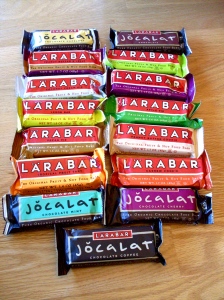
    Lara Bar Varieties

    It is available in about 12 different flavors, from Coconut Cream Pie, Cashew Cookie, Banana Bread, Key Lime Pie, Pistachio, Lemon Bar, Apple Pie, Chocolate Coconut, Ginger Snap, Peanut Butter Cookie to Cherry Pie, Pecan Pie, Cocoa Mole PB&J and the new Tropical Fruit Tart.

    What’s So Great About These Bars?

    Can bars with dessert names be good for you?  From the LÄRABAR website, take a look at the ingredients:

    LÄRABAR is a delicious blend of unsweetened fruits, nuts and spices – energy in its purest form. Made from 100% whole food, each flavor contains no more than eight ingredients. Pure and simple, just as nature intended.

    Quality standards for LÄRABAR ingredients are: All natural, No added sugars or sweetener, Raw, Non-GMO, Non-irradiated, No sulfites, No preservatives, No fillers, No colorings, Gluten-free, Dairy-free, Soy-free and Vegan (But don’t let that scare you away, they are tasty!)

    LÄRABARs are sweet with no added sweeteners. They use no added fillers, supplements or flavorings.  All of the vitamins, minerals, fiber, protein, good carbohydrates and healthy fats are derived exclusively from the whole, raw food used to make LÄRABAR.  Plant-based fats are healthier than animal fats. The fat in LÄRABAR comes primarily from nuts-all plant-based fats containing Omega 3 & 6 essential fatty acids, which have been proven to reduce LDL cholesterol and help protect the heart.

    The carbohydrates in LÄRABAR are good carbohydrates, derived from fruit and, ultimately, necessary for the body to function. They also contain fiber and plant phytonutrients that help the immune system. It’s the processed and refined carbohydrates you should avoid-the kind found in white flour, white rice, and added sugars such as high fructose corn syrup, white sugar and grape juice.

    Larabars are Uncooked and Unprocessed. The essential enzymes, which are necessary fo

    Pecan Pie bars

    Pecan Pie bars

    r the digestion and utilization of nutrients, remain completely intact in their most natural, powerful state. A diet abundant in raw, unprocessed foods is important for health and longevity.

    LÄRABAR contains approximately 20 grams of whole-food-source carbohydrates, which are essential to good health. Each bar contains approximately 5 grams of protein.

    My favorite bar, Pecan Pie, is simply a combination of pecans, dates and almonds.

    JŎCALAT aka Chocolate LÄRABARs

    The company also sells chocolate bars. You may say, wait, aren’t chocolate bars candy bars, which are bad for me, high in transfats, sugars and all that unhealthy gook? Well, normally yes. But in this case, no! LÄRABAR has a line of bars, JŎCALAT bars, that are made with cocoa powder, but no added sugar or trans fats.

    The chocolate in JŎCALAT, along with the fruit and nuts, contains high concentrations of natural antioxidants, which appear to be helpful in combating disease and aging.

    Each JŎCALAT bar contains at least 20% of the recommended daily value of fiber, along with a healthy dose of Omega-6 essential fatty acids, which help keep your heart healthy AND has the added benefit of being under 190 calories. JŎCALAT bars contain 13 essential vitamins and minerals, which decrease stress and increase energy. Resident phytonutrients promote a hea

    lthy immune system.


    LBGCC_large_large

    German Chocloate Cake Bar Ingredients

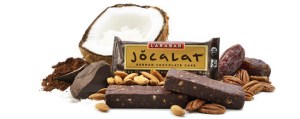
    JŎCALAT German Chocolate Cake Bars

    A new entry JŎCALAT bar offering, this bar contains Coconut+Pecans+Almonds+Cocoa. And that’s it. Listed out like that, it may not sound like it tastes that good, but try it and see if it gives your taste buds a bit of that German Chocolate Cake taste., without the nasty sugar

    drop a real cake usually give you. And without the bad fats and guilt too!

    So Where Do I get These Tasty LÄRABARs Already?

    Order LÄRABARs directly from their website and have them shipped to you. Click here to order directly.

    OR buy LÄRABARs from Whole Foods Markets at about the same price without the shipping costs.

    Make Your Own Bars

    As a last resort, if you have time and are adventurous, make your own raw fruit and nut bars!

    Try this recipe from the Cookie Madness blog

    Sort of Like Larabars

    Makes about 3 bars or a quarter or a 4×4 inch square which you can form and then cut or punch into shapes.

    1 1/2 ounce almonds (about 1/3 cup)
    3 ounces pitted dates (about 14, if you don’t have a scale)


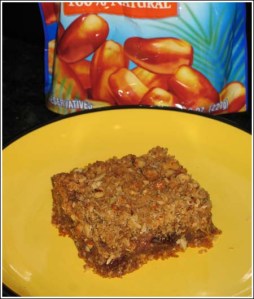
    datebarforblog

    Homemade "Lara-like Bars"

    2 teaspoons unsweetened cocoa powder (optional)
    1 tablespoon prune puree
    1 tablespoon quick cooking oats.

    Place almonds in food processor and process into crumbs. Pour into a bowl. Place dates in processor

    and process as much as possible. Add almond crumbs back into processor and process until well mixed. Add cocoa, prune puree and oats. Process a little more, then dump into a bowl and knead until ingredients stick together. Shape into a rectangle. If it’s too sticky, knead in some more almonds or oats. Slice into about 3 bars or press into a square and cut out cute shapes.

    Read Full Post »

    By Sue Shekut, Licensed Massage Therapist, ACSM Personal Trainer, Certified Wellness Coach, Owner, Working Well Massage

    Take this easy test to calculate your risk for diabetes and heart disease.

    Just enter some basic health information and My Health Advisor very accurately calculates your risk for type 2 diabetes, heart disease, and stroke. Note: Your results will be more accurate if you know your blood pressure, cholesterol and glucose levels from recent blood tests.

    My Health Advisor

    Then, once My Health Advisor calculates your personal risk, you can quickly and easily see the difference simple lifestyle changes—like losing 5 or 10 pounds or quitting smoking—make in your overall risk. Then get your personal action plan outlining suggestions for lowering your risk for these deadly diseases. When you’re done, email your results to your doctor and make plans to discuss them at your next check-up.

    You can stop type 2 diabetes, starting right now. Use My Health Advisor. Then talk to your doctor about your risk for diabetes, heart disease, and stroke. Listen to your doctor. Eat better. Get moving.

    Get started now!

    Learn more about CheckUp America and your risk for type 2 diabetes, heart disease, and stroke.

    What is My Health Advisor?

    My Health Advisor is powered by Archimedes, a very powerful health modeling program that brings together a large amount of clinical research data to make highly accurate predictions about health risk. Archimedes creates a virtual reality in which all the important objects and events in the real world match objects and events in the model’s world.

    When a simulation model is run, the objects interact and events occur as they would in the real world. So, My Health Advisor is very accurately projecting your personal risk based on real world events.


    My Health Advisor was developed through the American Diabetes Association’s CheckUp America program, which is supported by unrestricted educational grants from Eli Lilly & Company, Merck & Merck/Schering-Plough Pharmaceuticals, Novartis, Pfizer Inc., sanofi-aventis, and Takeda Pharmaceuticals North America.

    Go to the American Diabetes Association website for more details.

    Read Full Post »

    The American Diabetes Association designated this November as the month to communicate the seriousness of diabetes and the importance of proper diabetes control and treatment to those diagnosed with the disease and their families.  Throughout the month, the American Diabetes Association will hold special events and programs on topics related to diabetes care and treatment.  For information click the link to go to the website,  American Diabetes Association or call (800) DIABETES.


    myths-4330056-490x190

    Diabetes Myths and Facts


    Read the myths and facts below from the American Diabetes Association to see how well you know your diabetes facts.


    Myth: Diabetes is not that serious of a disease.

    Fact: Diabetes causes more deaths a year than breast cancer and AIDS combined.  Two out of three people with diabetes die from heart disease or stroke.

    Myth: If you are overweight or obese, you will eventually develop type 2 diabetes.

    Fact:  Being overweight is a risk factor for developing this disease, but other risk factors such as family history, ethnicity and age also play a role. Unfortunately, too many people disregard the other risk factors for diabetes and think that weight is the only risk factor for type 2 diabetes.  Most overweight people never develop type 2 diabetes, and many people with type 2 diabetes are at a normal weight or only moderately overweight.

    Myth: Eating too much sugar causes diabetes.

    Fact: No, it does not.  Type 1 diabetes is caused by genetics and unknown factors that trigger the onset of the disease; type 2 diabetes is caused by genetics and lifestyle factors.  Being overweight does increase your risk for developing type 2 diabetes, and a diet high in calories, whether from sugar or from fat, can contribute to weight gain.  If you have a history of diabetes in your family, eating a healthy meal plan and regular exercise are recommended to manage your weight.

    Myth: People with diabetes should eat special diabetic foods.

    Fact: A healthy meal plan for people with diabetes is generally the same as a healthy diet for anyone – low in fat (especially saturated and trans fat), moderate in salt and sugar, with meals based on whole grain foods, vegetables and fruit.  Diabetic and “dietetic” foods generally offer no special benefit. Most of them still raise blood glucose levels, are usually more expensive, and can also have a laxative effect if they contain sugar alcohols.

    Myth: If you have diabetes, you should only eat small amounts of starchy foods, such as bread, potatoes and pasta.

    Fact: Starchy foods are part of a healthy meal plan.  What is important is the portion size.  Whole grain breads, cereals, pasta, rice and starchy vegetables like potatoes, yams, peas and corn can be included in your meals and snacks.  The key is portions.  For most people with diabetes, having 3-4 servings of carbohydrate-containing foods is about right.  Whole grain starchy foods are also a good source of fiber, which helps keep your gut healthy.

    Myth: People with diabetes can’t eat sweets or chocolate.

    Fact: If eaten as part of a healthy meal plan, or combined with exercise, sweets and desserts can be eaten by people with diabetes.  They are no more “off limits” to people with diabetes than they are to people without diabetes.

    Myth: You can catch diabetes from someone else.

    Fact: No.  Although we don’t know exactly why some people develop diabetes, we know diabetes is not contagious.  It can’t be caught like a cold or flu.  There seems to be some genetic link in diabetes, particularly type 2 diabetes.  Lifestyle factors also play a part.

    Myth:  People with diabetes are more likely to get colds and other illnesses.

    Fact: You are no more likely to get a cold or another illness if you have diabetes.  However, people with diabetes are advised to get flu shots. This is because any illness can make diabetes more difficult to control, and people with diabetes who do get the flu are more likely than others to go on to develop serious complications.

    Myth: If you have type 2 diabetes and your doctor says you need to start using insulin, it means you’re failing to take care of your diabetes properly.

    Fact: For most people, type 2 diabetes is a progressive disease. When first diagnosed, many people with type 2 diabetes can keep their blood glucose at a healthy level with oral medications.  But over time, the body gradually produces less and less of its own insulin, and eventually oral medications may not be enough to keep blood glucose levels normal.  Using insulin to get blood glucose levels to a healthy level is a good thing, not a bad one.

    Myth:  Fruit is a healthy food.  Therefore, it is ok to eat as much of it as you wish.

    Fact: Fruit is a healthy food.  It contains fiber and lots of vitamins and minerals.  Because fruits contain carbohydrates, they need to be included in your meal plan.  Talk to your dietitian about the amount, frequency and types of fruits you should eat.

    Read Full Post »

    The Nutrition Data website is a great source of the latest information on nutrition. It also links to a great nutrition blog, the Nutrition Data blog, written by Monica Reinagel M.S., LD/N.

    The information in Nutrition Data’s database comes from the USDA’s National Nutrient Database for Standard Reference and is supplemented by listings provided by restaurants and food manufacturers. The source for each individual food item is listed in the footnotes of that food’s Nutrition Facts page. In addition to food composition data, Nutrition Data also provides a variety of proprietary tools to analyze and interpret that data. These interpretations represent Nutrition Data’s opinion and are based on calculations derived from Daily Reference Values (DRVs), Reference Daily Intakes (RDIs), published research, and recommendations of the FDA.

    Nutrition Data was launched in 2003 and has grown into one of the most useful sources of nutritional analysis on the Web. In July 2006, Nutrition Data was acquired by CondéNet, a digital publisher under the Condé Nast Publications umbrella dedicated to editorial excellence. Nutrition Data’s continuing goal is to provide the most accurate and comprehensive nutrition analysis available, and to make it accessible and understandable to all.

    Check out Nutrition Data here for the latest on Diabetes, Diet and Weight Loss, Heart Health and a whole host of useful tools to track your daily caloric needs, compare foods to determine which has the best nutrition content and more!

    Read Full Post »

    From time to time we post about nutrition topics. Nutrition Data Blog is a great source of nutrition tips and ideas. Check out the ND blog here.

    The Nutrition Data Blog is maintained by Monica Reinagel, MS, LD/N, CNS.

    Who is Monica Reinagel? Take a look at her bio from MacMillan Speakers here to see if she really is a credible source about nutrition:

    A licensed nutritionist, noted author, and trained chef, Monica Reinagel, MS, LD/N, CNS, has written and edited numerous books, articles, and other publications on health, nutrition, and diet. Her books include Amazon best-seller The Inflammation Free Diet Plan, as well as The Life Extension Revolution: The New Science of Growing Older without Aging (with Philip Miller, M.D.) and The Secrets of Evening Primrose Oil.

    Monica is the creator of the IF Rating system, a scientific method for estimating the inflammatory effects of foods. She holds a Master’s Degree in Human Nutrition and is a board-certified nutrition specialist. Monica is a member of the American Dietetic Association, the American College of Nutrition and the International Association of Culinary Professionals.

    Monica is Chief Nutritionist for NutritionData.com, the internet’s leading source of nutrition information. Her well-respected blog on NutritionData.com and her popular weekly Nutrition Diva podcast have attracted a large and enthusiastic fan base. In an age of information overload, Monica is known for her clear and practical advice on how to take charge of your health—without taking all the fun out of life.

    Hmm, trained chef, licensed nutritionist, Masters Degree in nutrition, author of many nutrition books. We think Monica’s credibility speaks for itself! To view her blog click here.

    Read Full Post »

    From the Nutrition Data Website,a diet that makes sense…and can actually be maintained over time. It’s not a fad, it’s a framework. Read about the Better Choices Concept:

    The Better Choices Diet revolves around one very simple key concept:

    For every food that you eat, there are likely to be other equally nutritious foods that will satisfy your hunger with fewer Calories.

    The Better Choices Diet starts with a simple nutritional analysis of your current diet. It evaluates each food that you now eat, and recommends alternative foods that may provide more nutritional value and help you feel full on fewer Calories. Instead of shocking your body with an abrupt change in foods, the Better Choices Diet focuses on evolving your diet one food at a time.

    Other benefits of the Better Choices Diet
    Unlike many other diet plans, the Better Choices Diet:

    • Has no banned foods. Instead of rigid lists of “approved” and “unapproved” foods, the Better Choices Diet allows you to eat anything, but encourages you to make smarter food choices.

    • Requires no special foods or other investments. Everything you need to understand and use the Better Choices Diet is contained within the Nutrition Data website.

    • Can be used with other diet plans. The tools and methods of the Better Choices Diet can also be used to improve the effectiveness of most other diet plans.

    • Can also be used for weight gaining diets. The Better Choices Diet is not just for weight loss; it’s about controlling your weight (up or down) through proper food selection and hunger control.

    How the Better Choices Diet Evaluates Foods

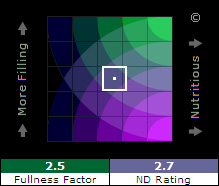
    The Better Choices Diet determines potential food substitutions with the help of ND’s Nutritional Target Map, which maps food in relation to their predicted satiating effect (Fullness Factor) and nutrient density (ND Rating). Foods closer to the upper right corner of the Nutritional Target Map are Better Choices for healthy weight loss, and foods closer to the lower right corner are Better Choices for healthy weight gain.

    Better Choices Nutritional Target Map

    The 4 Steps of the Better Choices Diet:

    1. Make a daily record of everything you eat. Making a record of your diet is a very tedious task if you’re using paper and pencil, but it’s very easy to do with the My Tracking feature of My ND. Please read the My Tracking Help page to learn how to track and analyze your intake.

    2. Determine which foods contribute the most Calories to your diet. The primary focus of the Better Choices Diet is to gradually replace some of the foods that you now eat with other foods that are more supportive of your goals. It makes sense to start with those foods that are contributing the most calories to your diet, since this is most likely to have the greatest positive impact on your progress. This step is automated with My Tracking. The tracking report that it generates includes a listing of all foods that you consumed, along with the percentage of calories that each supplied to your diet.

    3. Make Better Choice substitutions for those foods. For each item on your tracking report, you’ll also find links to Better Choice substitutions. Select your goal (weight loss, optimum health, or weight gain), and click on the link to explore the resulting list of foods. It’s not important to choose foods that appear highest on the list—simply choose any of these foods that you would enjoy eating.

    4. Repeat. Your goal is to gradually evolve your diet to include more nutritious and filling foods and less unhealthy and unsatisfying foods. Over time, as you incorporate more of these foods into your diet, the total calories that you consume will drop, and the overall nutrient density of your meals will increase.

    Warning: The Better Choices Diet is a self-directed program.

    Despite its potential benefits, the Better Choices Diet is not recommended for those with eating disorders or diet-related medical conditions. It is best suited for individuals who are only moderately overweight and reasonably self-disciplined. All diet analyses and food recommendations are provided interactively via the Nutrition Data website. Although these services are free, no other specific dietary advice is provided. The Better Choices Diet also relies heavily on ND’s Ratings and Fullness Factors. While these calculated values provide a reasonable scientific prediction of a food’s benefit with relation to diet, they can not take into account every aspect of a food’s value. For this reason, no guarantee can be made on the accuracy or suitability of this diet with respect to your individual needs. If in doubt, please consult a nutritionist or healthcare professional for more specific dietary recommendations.

    For more on the Better Choices Diet and Nutrition Data tools for tracking and evaluating your food choices, click here.

    Read Full Post »

    By Sue Shekut, Licensed Massage Therapist, ACSM Personal Trainer, Certified Wellness Coach, Owner, Working Well Massage

    I have had to eat a “healthy” diet for most of my adult life. As a young girl, I ate as much junk food as my peers and my body rebelled. By 20, I could not eat any white or processed sugar because I was hypoglycemic. I developed migrane headaches from chocolate (a former childhood love) and fermented foods like sharp cheeses and wines. White bread made me sick, so I had to switch to whole grain bread even before it was marketed as whole grain bread. Through the years my body let me know, anything overly processed, overly sugared, overly salted, or overly fat was going to give me stabbing pain in my head, my abdomen, or just plain make me sick and exhausted. I am the “canary in the coal mine” when it comes to food. But in many ways I am a lucky person. I haven’t been able to eat the typical American diet and I don’t have a lot of the typical American diseases. (such as obesity, high blood pressure, Type II diabetes)

    I don’t tell you this to get accolades or say I am so great. No, my healthy diet was mainly by default in the beginning. I liked the junk food. I just couldn’t handle it. Later, as I read more and learned more, I ate healthy by design. Having grown up on Rice Krispy Treats, all things Nestle, Rice a Roni, Carnation Instant Breakfast, Skippy Peanut Butter, McDonald’s and Wonder Bread, I know what it’s like to try to wean off the processed foods and try to eat vegetables, fresh fruit, healthy grains, like brown rice, and be satisfied. In my case, I had a crash course in changing my diet. Still, it took a while to adjust to new tastes and learn how to be satisfied with less added sugar. But I can tell you IT CAN BE DONE! and your health and well being is worth it.

    But How do you Know What’s Junk Food and What’s Healthy Food?
    According to Margie King of the Philadelphia Nutrition Examiner, the NuVal nutritional scoring system may be the ticket to simpler healthy eating. The NuVal system will analyze more than 50,000 food items found in a typical grocery store and assign a value of 1 to 100 to each item. The higher the score, the more nutritious is the food.

    The system is the brainchild of Dr. David Katz, an Associate Professor at the Yale University School of Public Health, and the Director and founder of Yale’s Prevention Research Center. Dr. Katz is an expert in nutrition and preventative medicine, the author of several books including The Flavor Point Diet, a syndicated health columnist for The New York Times and a medical contributor for ABC News.
    Read more from Margie King of the Philadelphia Nutrition Examiner here

    Dr. Katz says our taste buds are malleable and we are teaching them to crave salt and sugar. Eating added sugar in non-dessert items in everything from pasta sauce to breakfast cereal causes our taste buds to crave sugar much more than we normally would. In the video, he talks about how there is as much sodium in many breakfast cereals than your diet should be. It’s well worth the 4 minutes to watch Dr. Katz talk about how our diets are modified by the food supply and how we can retrain our taste buds to enjoy healthier less salty and less sugary foods.

    Link to Dr. Katz’s video “Rehab Your Taste Buds: Getting Hooked on Wholesome Foods”

    As American’s look to health care reform, there is a growing buzz about food system reform as well. Some say health care reform won’t work without reforming our nutritional system. The Nu Val system is one attempt to give us tools to reform our diets so we don’t NEED as much health care intervention. It’s Prevention versus Disease Treatment. And that sounds pretty sweet! Read Why Health Care Reform Requires Nutrition Reform by Margie King in the Philadelphia Nutrition Examiner

    Read Full Post »

    « Newer Posts - Older Posts »