Feeds:
Posts
Comments

Archive for March, 2010

By Sue Shekut, Owner, Working Well Massage, Licensed Massage Therapist, Certified Wellness Coach, ACSM Personal Trainer

Chicago Wellness Magazine

Did you know that Chicago has it’s own wellness magazine entitled, appropriately, Chicago Wellness Magazine? Tooling around the Internet, I found the magazine’s website and was intrigued by their offerings.

The latest issue of Chicago Wellness magazine has these stories in store for you:
• Find your Fit by JJ Rusch
• Mind Body Connection by Andrea Metcalf
• Try Reducing Pain the Natural Way
• Vitamin Jay by Jayson Kroner, Have Pills, Will Travel
• On the Shelves New Product Reviews
• Reader Discounts New Offer Round Up
• Grill Wisely Tips for a Safe and Great Grilling Season
• Fiber and Your Colon (The Scoop on Poop)
• The Price of Gas
• Soy what? I’ll Tofu!

In reading through the biography of it’s publisher, I was impressed how her story mirrors that of so many Chicagoans moving from an unhealthy lifestyle to an advocate of wellness. From the Chicago Wellness Magazine website, here is publisher Joanne Rusch’s wellness story:

On April 1, 2000 Joanne Rusch tipped the scale at 217 when she gave birth to her first and only child at the age of forty.

Six months later struggling to lose the last 25 pounds of maternity weight she had gained, Joanne was cast as a member of Good Morning America’s first Lock the Door Lose the Weight series, which aired in November of 2000. By the fall of 2001, she had lost that last 25 and more. The experience set forth into motion a series of life altering changes both personally and professionally.

Plagued by weight problems all her life, beginning with a “chubby childhood”, Joanne was passionate about sharing her newfound insights for weight control. She spent the next year writing and developing an inspirational website Scaleitdown.com. Her website and first reduced calorie cookbook, the “Sweets Edition” both debuted in November of 2002. Cookbook editions for: Appetizers, Breads & Soups, Casseroles and Salads followed.

Convinced the missing link to achieving healthier lifestyles fell somewhere between real life application and the barrage of helpful (and not so helpful) information we receive daily, Joanne began devoting herself to inspiring others to seek out personal plans to work in tandem with their own unique lifestyles, tastes and schedule demands and began working with small groups and individuals.

Offered her own column in Chicago Wellness Magazine (CWM) in July of 2004, Joanne spent the next year and a half as an editor and columnist penning her column under, “Find your Fit”, which quickly became her working motto.

At the NBC affiliate in Chicago, Joanne further honed her media skills as a recurring guest of fitness reporter, Michael Sena, where she shared reduced calorie recipes and dishes on his morning news segments. In January of 2006, she was offered a returning monthly guest spot to do healthy based consumer food segments, for which she was soon dubbed the “Food Cop”, by NBC5 morning anchor, Dick Johnson.


Food Cop at the Food Show—on location with NBC5 Morning Anchor, Dick Johnson reviewing new products. (Food Cop segments can be viewed by clicking the NBC logo at chicagowellnessmagazine.com.)

Joanne became the succeeding publisher of CWM in mid-2006 and redirected the publication’s focus to a consumer based feel. Educational and inspirational information and ideas on all things which affect our desires and efforts to achieve and live well-balanced lifestyles is the working theme of CWM today.

Want to subscribe to the magazine? It’s free! Click here to subscribe.

Note: Neither I, nor Working Well Massage has any affiliation with Chicago Wellness Magazine or  Joanne Rusch. I just wanted to share yet another source of wellness info with my Chicago based readers!

Reblog this post [with Zemanta]

Read Full Post »

Yoga Video Tree Pose - Vrksasana
Image by myyogaonline via Flickr

By Sue Shekut, Owner, Working Well Massage, Licensed Massage Therapist, Certified Wellness Coach, ACSM Personal Trainer

I started practicing yoga about 18 years ago. I was working at a computer all day and went to get my first professional massage. During the massage, my massage therapist lifted my arms over my head to  stretch and I thought, “Wow, I never move my arms anywhere but up to my keyboard and mouse. this arm stretching stuff feels great!” At that time I didn’t stretch much and if I did, it was my legs that I stretched, not my arms or back. She recommended yoga and I joined my first yoga class at the local YMCA.
Through the years, I’ve been able to attend many yoga classes, workshops and do my own home yoga practice. I find yoga not only helpful to my body, but is also very calming, relaxing and stress reducing. Now research shows that practicing yoga actually has a chemical effect on your brain in that it increases levels of a neurotransmitter, GABA, believed to calm the nervous system.

Researchers at Boston University School of Medicine found that for experienced yoga practitioners, brain GABA levels increase by 27% after a session of yoga. This suggests that the practice of yoga should be explored as a treatment for disorders with low GABA levels such as depression and anxiety disorders. Authors of the study conclude that future studies should compare yoga to other forms of exercise to help determine whether yoga or exercise alone can alter GABA levels.

The Study

The sample subjects of the study included of 8 yoga practitioners and 11 comparison subjects. The Yoga practitioners completed a 60-minute yoga session and comparison subjects completed a 60-minute reading session. According to Suite 101, “Magnetic resonance spectroscopic imaging conducted before and immediately after each intervention indicated that the yoga practitioners had a 27% increase in GABA levels after the yoga session but no increase after the reading session.”

According to Barry Keate of Arches, Tinninus Formulas, this ability of yoga to increase GABA also has promising applications for sufferers of tinnitus due to its abilility to increase GABA levels. In his article, “How Yoga Increases GABA Levels And Improves Tinnitus” he quotes Dr. Chris Streeter, the lead researcher of the study and a yoga practioner herself about the implications of her study:

Dr. Chris Streeter stated in a newspaper interview “I’m quite sure this is the first study that’s shown there is measurable change in a major brain neurotransmitter with a behavioral intervention such as yoga. What’s really fabulous is this is hard science that is able to clearly document neurochemical changes in the brain.”

Dr. Streeter learned that the National Institutes of Health gave a high score to her research grant proposal for a larger yoga-GABA study and hopes to begin soon. “It will be a much bigger study,” she said. “We will use yoga-naïve people to gauge how regular practice can change GABA levels. It will also include more ability to gauge the positive effects of yoga over time.”

How Do GABA Levels Affect Anxiety and Depression?

Read the excerpt which follows from Laura Owens article in Suite 101, “GABA and Yoga: Decrease Depression and Anxiety: Yoga Boosts Essential Calming Neurotransmitter in Brain”

GABA or gamma-aminobutyric acid is an amino acid made in brain cells from glutamate. It functions as an inhibitory neurotransmitter, meaning it blocks nerve impulses. Without GABA, nerve cells fire too often and too easily. GABA is especially abundant in the cerebral cortex, where thinking occurs and sensations are interpreted, (Jacob J. Schor, N.D. and Rena A. Bloom, N.D.,“GABA: Gamma-Amino Buytric Acid,” Naturopathic Clinic News. Accessed January 14, 2009.)

As one of the primary neurotransmitters, GABA is responsible for inhibitory processes. It elevates the production of alpha waves associated with feeling relaxed (without drowsiness) while boosting mental alertness. Moreover, GABA lowers beta waves that contribute to a state of nervousness, racing thoughts and hyperactivity.

Research, including one study published in the Trends of Pharmacology Science indicate that a dysfunction in the GABA system can contribute to anxiety and depression. (Cryan JF, Kaupmann K, ” ‘B’ happy!: A role for GABA (B) receptors in anxiety and depression.” Trends Pharmacology Science, 2005 January 26 (1):36-43.

Read more at Suite101: GABA and Yoga: Decrease Depression and Anxiety: Yoga Boosts Essential Calming Neurotransmitter in Brain

For an abstract of the actual research on Yoga and GABA, click here.

How Does GABA Effect Tinnitus?

Barry Keates explores research on GABA and tinnitus. Read an excerpt from his article, “How Yoga Increases GABA Levels And Improves Tinnitus” below.

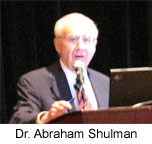
Dr. Andrew Shulman

In 2002, Drs. Abraham Shulman, Arnold Strashun and Barbara Goldstein, from the Martha Entemann Tinnitus Research Center, published a paper describing the common central pathway through the brain through which all tinnitus symptoms must travel. (Shulman A, Strashun A, Goldstein B. GABA-Benzodiazepine-Chloride Receptor-Targeted Therapy for Tinnitus Control. Int Tinnitus J. 2002;8(1):30-6.) This pathway, they determined, is the chemical receptor called gamma-aminobutyric acid-benzodiazepine-chloride receptor (GABA/BZ/Cl) in the medial temporal lobe system. The researchers stated the function of the GABA receptor is to inhibit central nervous system synapse activity.

Deficiency in the GABA receptor is directly related to the worsening of tinnitus, which is marked by increased emotional difficulty, anxiety, stress, depression and fear. Impairment of GABA function also leads to convulsions, which provides clinical support for the concept that tinnitus is an epileptic-like auditory phenomenon.

Read Barry Keates entire article here.

Reblog this post [with Zemanta]

Read Full Post »

By Sue Shekut, Owner, Working Well Massage, Licensed Massage Therapist, Certified Wellness Coach, ACSM Personal Trainer

Get fit and help support a good cause! Spring is coming to Chicago and with it are a host of events that allow Chicagoans to run, walk, bike and swim to raise money for good causes. A dear friend of mine, Joey Feinstein, went from massage therapist to Presidio business school graduate where he obtained an MBA in Sustainabel Resources. Joey started an innovative charity bicycle ride after he graduated, called Climate Cycle. Last year Working Well Massage therapists braved a chilly muddy day to give massages to Climate Cycle riders. It was a lot of fun, we made many cyclists happy and we got to hear great music and sample food from local merchants. I am so impressed by all Joey and his team at Climate Cycle have accomplished in just a few short years. This May, I plan on riding in the event myself!

What is Climate Cycle?

Climate Cycle is a non-profit organization that empowers youth to become leaders of the clean energy movement by installing solar energy systems and funding sustainability education in local Chicago area public schools. This is made possible by alliances between students, community organizations and concerned citizens to usher in the new green economy.

Climate Cycle creates local solutions to global pollution. At the inaugural bike-a-thon in May 2009, 350 participants raised $67,000 to install solar energy on four schools. Because more money is spent on utilities than textbooks and computers combined, the time to retool our schools is now.

When’s the Ride?

Climate Cycle’s May 15th, 2010 Solar Schools Ride is a family and fan friendly fundraiser in which riders garner pledges in advance of the ride. Proceeds go to install solar energy systems in local public schools. To register click here.

Where’s the Ride?

Cyclists select from a 4, 10, 20 or 62-mile course along picturesque Lake Michigan. All starting and end points are in downtown Chicago, with the exception of the 62-mile “metric century” course, which begins at the Indiana Dunes and ends in downtown Chicago.

A post ride celebration follows the ride. This festive event includes music, free lunches for all riders, sustainability showcases, goody bags, a raffle and kid friendly activities.

Information for the 4, 10, 20 mile routes

Start Point: DuSable Harbor – Lakeshore and Madison, in the north end of Grant park

Ride registration starts at 9:00 a.m. Solar Schools festival is 9:00 a.m. – 2:00 p.m. in DuSable Harbor. Registration fee is $25. The Fund raising Minimum for the 4, 10, 20 Mile Routes is
$200 for adults. Fund raising minimum for college students is $75. Fund raising minimum for ages 12-18 years is $60. Children younger than 12 and “virtual fundraisers” have no registration fee or minimum fund raising requirements.

To register click here.

Note: Fund raising is made super easy. Climate Cycle is using a service called First Giving to handle registration and fund raising. Gone are the days you have to walk around the office with a clipboard soliciting pledges for your fund raising efforts. now all you have to do is give friends and family your link to the Climate Cycle page on First Giving and they can donate online!

Information for the 62 mile route
Starting Point is Indiana Dunes State Park. Ride registration starts at 6:00 a.m. Ride starts at 7:00 a.m. at the Indiana Dunes State Park and finishes at DuSable Harbor.

Registration fee is $25. Fund raising minimum is $500 for the 62 mile ride. Fund raising minimum for college students for the 62 mile ride is$75. Fund raising minimum for ages 12-18 years for the 62 mile ride is $60. Children younger than 12 and “virtual fundraisers” have no registration fee or minimum fund raising requirements.

To register click here.

What Support is Offered for Riders?

The Ride is fully supported. Climate Cycle will provide sag vehicles, several rest stops along the way with food, water, and restrooms, and ride marshals for light bike maintenance support. Climate Cycle is currently reviewing options to transport riders and bikes to the Dunes, but as of now all riders are expected to transport themselves.

To register now and get more ride information, click here.

Reblog this post [with Zemanta]

Read Full Post »

By Sue Shekut, Owner, Working Well Massage, Licensed Massage Therapist, Certified Wellness Coach, ACSM Personal Trainer

Ever wanted to start your own city garden? Or maybe you want to grow an herb garden but aren’t sure how to go about it.  Eating healthy starts with using healthy ingredients. Gardening can be an enjoyable way to de-stress and spend some time working with your hands and enjoying the outdoors.

FamilyFarmedEXPO is a fantastic event this weekend that provides a variety of speakers and workshops to teach you all you want to know about gardening, growing herbs, buying local produce and generally eating and producing your own food in an environmentally friendly and healthy manner.

Friday features the Midwest’s leading local food trade show, our Meet the Buyers reception, an innovative Food Policy Summit, and the scrumptious Localicious Party to cap the day.

Saturday features cooking demos from celebrity chefs, educational seminars and an interactive Kids Corner.  Exhibitors offer a wide selection of local food, gifts and useful information to help you eat locally and healthy year-round.

Some of the workshops I recommend on Saturday, March 13, include:
Growing & Using Herbs & Botanicals From 12:30 – 1:45 pm

Growing and using herbs and botanicals to feed the senses.

• Locavore 365 – Preserving Fresh Grown Food from 3:30 –  4:45 pm

Enjoy local food year round by preserving the food you enjoy most.

Local & Organic Eating on a Dime Also from 12:30 – 1:45 pm

Eating organic food on a budget.

Farming in the City from 2:00 – 3:15 pm

Growing food between the skyscrapers and feeding local communities.

Drinking Farm to Glass from 3:30 –  4:45 pm

Learn how the beverages you choose can sustain your community.

For a list of all the workshops available on Saturday, March 13 click here.

And don’t forget, the CHEF COOKING DEMONSTRATIONS on Saturday:

10:30 – 11:30 am – Rick Bayless, Frontera Grill/Topolobampo/Xoco

12:00 – 1:00 pm – Paul Virant, Vie

1:15 – 2:15 pm – Paul Kahan, Blackbird/Avec/Publican

2:30 – 3:30 pm – Jo Kaucher & Kim Gracen, Chicago Diner

3:45 – 4:45 pm – Gale Gand, Tru

Where Do I Get Tickets?

Ticket to the event on Saturday are $15 if you buy online and $20 at the door. Click here to purchase tickets.

Where is the Event?

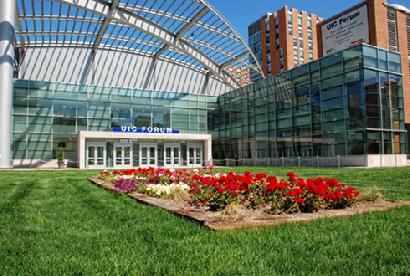
UIC Forum

The UIC Forum is located at the corner of Halsted and W. Roosevelt.

The address is 725 West Roosevelt Road, Chicago, IL 60607

Reblog this post [with Zemanta]

Read Full Post »

By Sue Shekut, Owner, Working Well Massage, Licensed Massage Therapists, Certified Wellness Coach, ACSM Personal Trainer

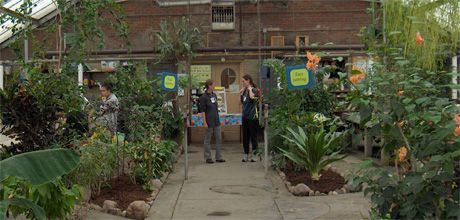
Many of our readers go to our blog post about indoor plants helping clean the air of pollutants like benzene and formaldehyde. Since Spring is peering around the corner, I though I’d point local Chicago readers to the big plant sale happening this coming weekend (May 15, 2010 – May 16, 2010) at Kilbourn Park’s Organic Greenhouse. Kilbourn Park Organic Greenhouse will sell more than 150 varieties of organically grown vegetable, herb and flower seedlings. Plant prices range $2 and up. Plants offered include grown tomato and pepper seedlings,  other interesting vegetables, flowers, and herbs. Peruvian Purple Pepper, Boinda Di Lyon Chard, Rosita Eggplant and lots more.

Location: Kilbourn Park Organic Greenhouse
3501 N. Kilbourn Ave.
Chicago, IL 60641

Sale Hours: Saturday 10 am – 3 pm; Sunday 10am-2pm

Gardeners of all levels are welcome! The event is free admission and very popular, so stop by early to purchase your supply of seedlings. The Kilbourn Park Organic Greenhouse accepts payment for plants by cash and check only.

Want to Learn More About Organic Gardening?

Kilbourn Park, home to the Park District’s only organic-teaching greenhouse, offers workshops throughout the year. For questions regarding the organic plant sale or to register for a class, call Kilbourn Park at either 773-685-3351 or 773-685-3359 or visit http://www.chicagoparkdistrict.com.

For additional information go to http://www.chicagoparkdistrict.com

Read Full Post »

By Sue Shekut, Owner, Working Well Massage, Licensed Massage Therapist, Certified Wellness Coach, ACSM Personal Trainer

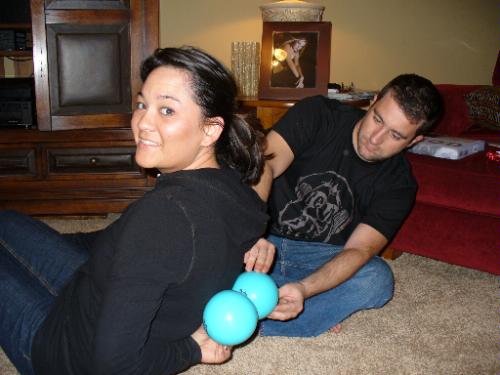
My mother gave me the Miracle Ball Method for Christmas last year.  I have to say, they do work to release tension in specific muscle areas also known as Trigger Points. Chiropractors have told me to use tennis balls for self massage and you can use Miracle Balls the same way. Basically, you lay on the floor, place a Miracle Ball under your back in the area that is tight and then rock back and forth on the ball until it “massages” your muscles.

Tennis balls are harder and if you need a firmer “touch” you may want to use the tennis balls. But I found the larger size and “squishiness” of the Miracle Balls made them more comfortable to use and I could lay on them longer.  Andrew, one of my massage therapists at the Working Well Massage chair stations, uses golf balls to massage his back, but he is a lot tougher than I am!

The key to using tennis balls, or Miracle Balls, is to place them on areas of your muscles only–not on bone and definitely not directly on your spine.

Chrissie and Dan, Amazon reviewrs, Demonstrate Micracle Ball placement

If you are under a doctor’s care for muscle or spinal problems, consult your doctor before using tennis or miracle balls or any other exercise!

Seniors and those with excess body weight may have a hard time using these balls according to Amazon reviewers. And of course, there is no substitute for human touch and a real massage. But in a pinch, I find the Miracle Balls a nice quick self massage tool.

Read what Amazon Reviewers say about Miracle Balls

• When I first saw this set of 2 small, blue-green balls, I really wondered whether they were any good. Decided to take a chance, and I am sure glad I did. Propped myself over these 2 semi-inflated balls on the floor and it was sheer bliss as my own body weight sank upon them.

The set consists of 2 approximately 4 inch (11 cm) diameter therapy balls (re-inflatable) and a pocket-sized 296 page insruction book packed in a transparent casing. The balls are approx. a half-inch (1 cm) thick each, and are not as thin-skinned as might be imagined. The book says that the balls are built tough, and are good for up to 300 pounds, and I believe the claim is sustainable.

In my opinion, these 2 little balls are fantastic value for money for what they are capable of, and you would be surprised how nice it feels once you prop your tired body over them at the end of a long day. Although these are therapy balls, you may also want to use them as I frequently do – a simple and ‘fun’ way of giving your body a much needed self-massage, merely by placing them at strategic locations beneath your body and resting over them.

By the way, I am not one of Ms. Elaine Petrone’s student, since I am writing from half a world away. But, I am definitely her fan now after being convinced by these 2 little ‘Miracle’ balls! Go http://www.elainepetrone.com for more info.

My advice: considering their low price, get them while they are available, as these little balls are ‘hot’ – they were all sold out on Amazon.com until recently.

• I am a licensed Massage therapist in Hawaii. I stumbled upon Elaine’s book and started using it for my neck & back pain. I was pleasantly surprised at how deep my muscles and spine could be worked while I did two simple things Breath and Relax. Although breathing and relaxing is simple it becomes more difficult the longer the balls are in one position and works deeper into the muscles. At that point I choose either to move positions or focus on relaxing further and deeper breathing to let the ball(s) work deeper.

I’ve recommended the product to clients to use in-between massage treatment however discipline to use the balls is a stumbling block for many. I have found if a client uses the balls prior to a massage treatment, generally don’t have to work the muscles as deeply because they have already begun to relax. Deep tissue client get much better result than just a massage alone.

I’m buying more to give away and sell in my practice because when used correctly on it’s own can be a healing resouce for many patients who are disiplined to use this self treatment.

• Just a suggestion on this product: start out easing into it. Too much too fast will put you in pain, but with starting gently for a very short time you can find relief. It really has been helpful with sciatic pain using one or two balls in the lower back/sacariliac area. I’ve wanted something like these balls for a long time as I sensed that putting pressure on a spot by lying on a ball could help. They do work. Worth the price.

• If you have serious pain or injury, like sciatica, consult your doctor and see a chiropractor. However, if you have nagging back pain that you know is brought on by tight joints and muscles, stress, or exercise, I would definitely give the Miracle Balls a try.

Order Miracle Balls from Amazon for about $12.00  here.

Reblog this post [with Zemanta]

Read Full Post »

By Sue Shekut, Owner, Working Well Massage, Licensed Massage Therapist, Certified Wellness Coach, ACSM Personal Trainer

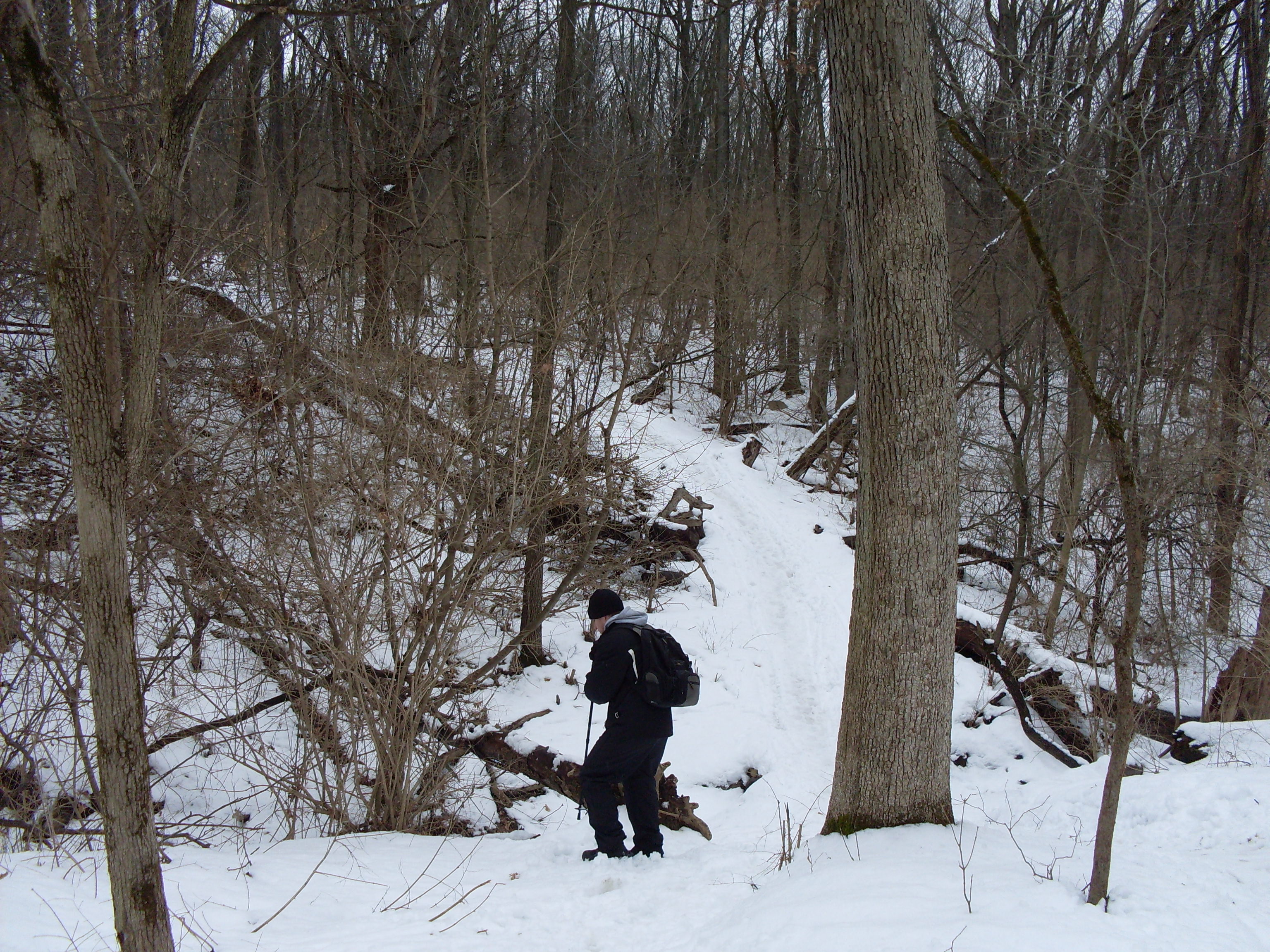
Hiking in Palos Forest Preserves in February 2010

Don’t let the snow and cold keep you from exercising outdoors. With the right gear and proper supplies, you can still hike and enjoy the great outdoors!  And the Chicago area forest preserves are open all winter to help keep you on track.

I’ve had the good fortune to get out a few times in the past month and hike in the Palos area forest preserves with my partner, Jay. We both have snow shoes and poles but it’s been too slushy for the snowshoes. So we hike it and use the polls for an even better cardio workout. Don’t get me wrong, the gym is still a great place to go in winter for cardio and strength training. But being outdoors gives your mind a chance to get away from televisions, loud music and…crowds.

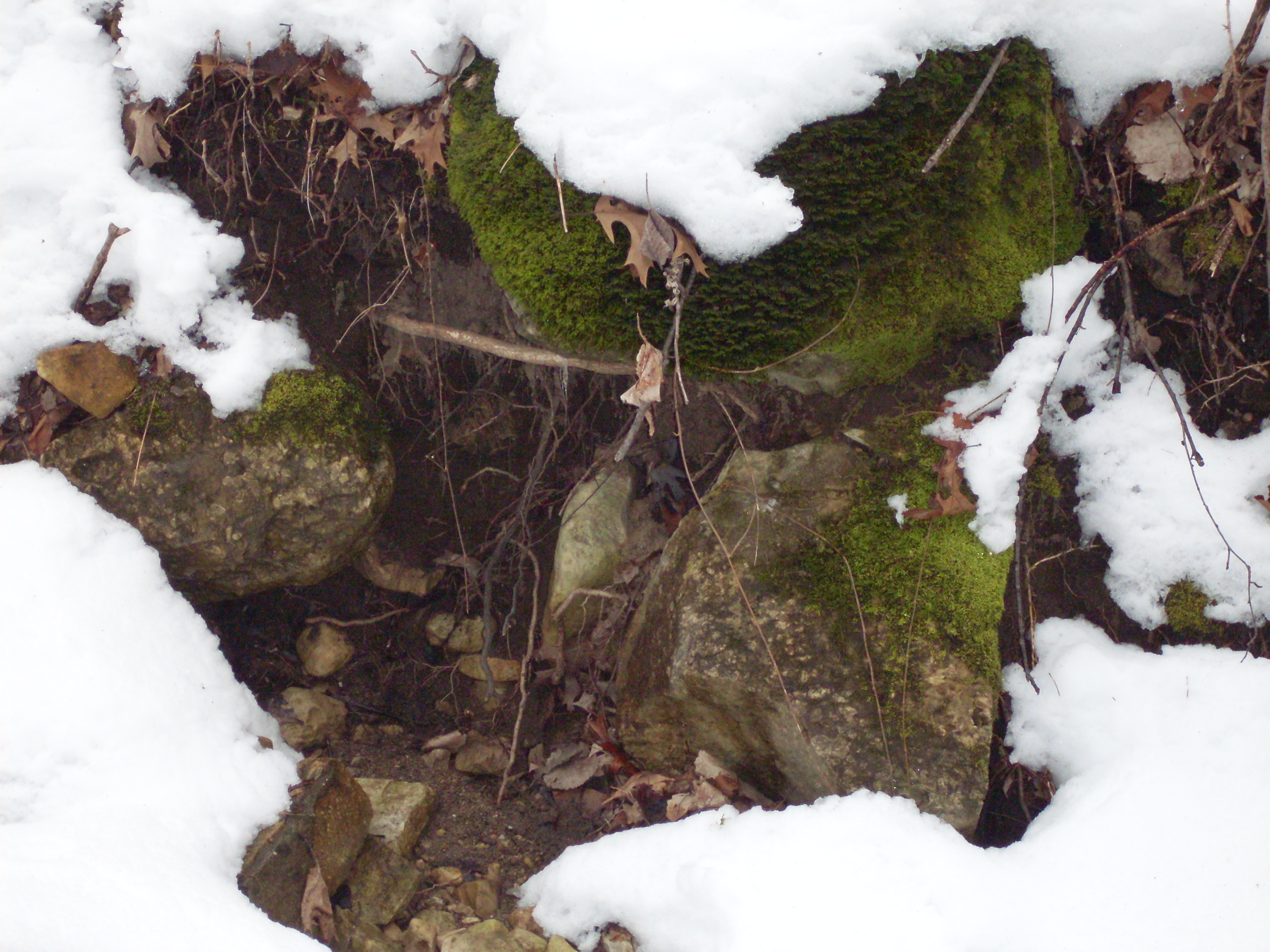
Moss covered rocks peeping through the snow heralding Spring!

We hike in waterproof boots and wear warm down coats. But as the hike goes on, we end up taking off our gloves and peeling off a layer as our bodies warm up.  It’s important to bring snacks to keep our blood sugar up and water for hydration. Even though it’s been relatively milder temperatures, we still need fluid and energy for the ups and downs of the ravines we travel.

If you feel a need to “get away from it all” but don’t have the time or money to fly somewhere, try the forest preserves in winter and see if a few hours of hiking in the woods doesn’t make you feel like you did indeed, “get way.”

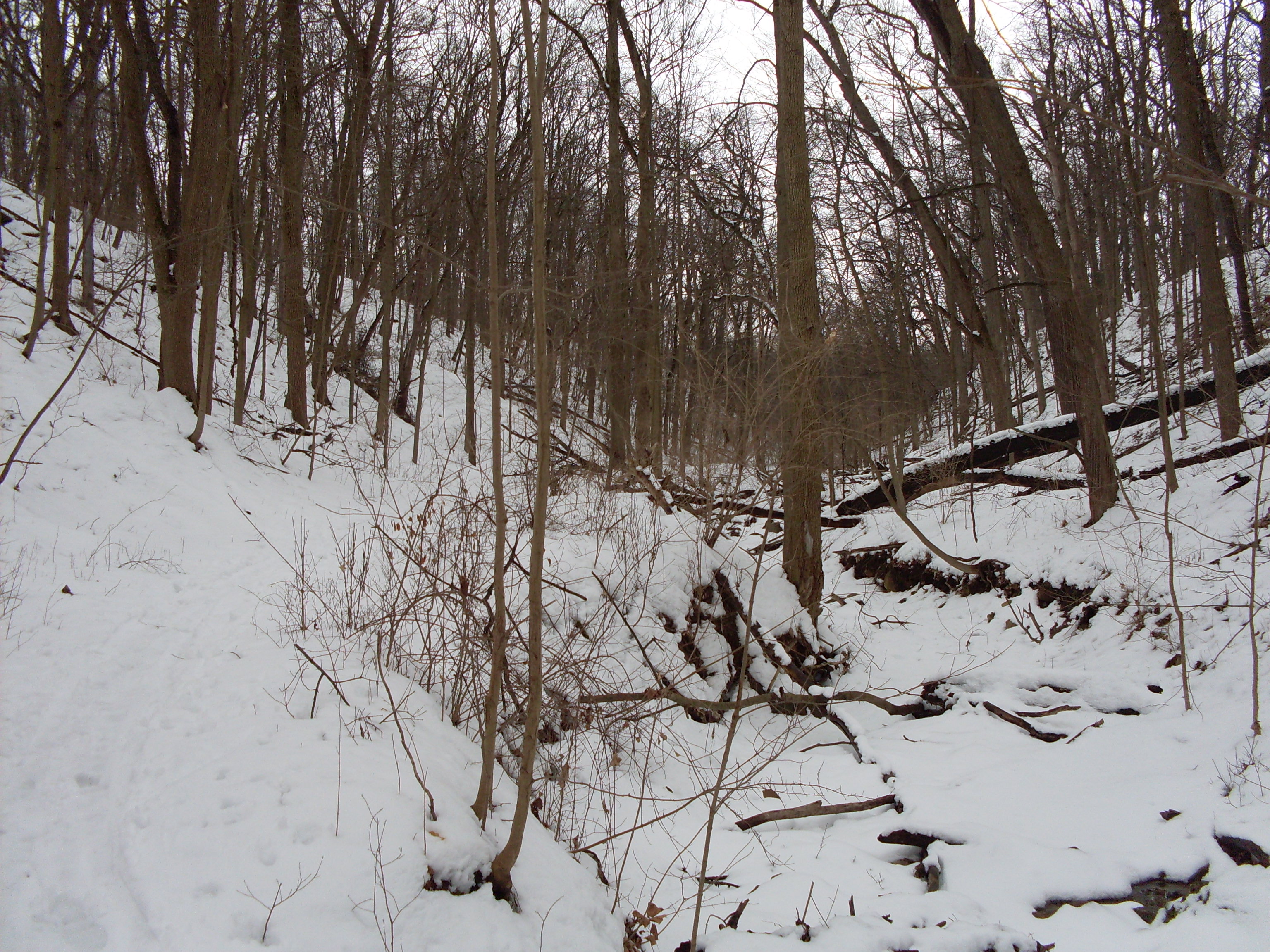
Palos Ravines, the trail to the left, a nearly frozen creek to the right

For a map of the hiking trails in Palos Forest Preserves Trail System, click here.

Great Hiking Gear for Winter Hikes

• Columbia Sportswear Woman’s Moonlight Mover pant click here.

• Yukon Charlies 3 Section Adjustable Hiking/Snowshoe Poles click here.
• Pacific Outdoors Optima 10-by-32 Snowshoes click here.

Reblog this post [with Zemanta]

Read Full Post »

By Sue Shekut, Owner, Working Well Massage, Licensed Massage Therapist, Certified Wellness Coach, ACSM Personal Trainer

In winter cold, my thoughts run to tropical vacations, the desert sun beating down on my back and all places warm and cozy. But what about learning how to survive in nature? If you are looking for a vacation that lets you soak up some warmth AND learn how to light afire, find safe drinking water and teach you how to survive in the wilderness like Survivorman? Check out Cody Lundin. He’s a survivalist, book author and runs his own wilderness travel company, Aboriginal Living Skills School.

Cody Lundin The "Nothing" Course Skill building

From Cody’s Website: Cody’s field courses are held in the wilderness — not just outside — allowing you the rare opportunity to explore and harvest natural materials from their source for optimum realism and enjoyment. Time-tested programs are continually updated with new and exciting skills while limited enrollment ensures you personalized instruction, maximum adventure and fun!

Cody Lundin’s ALSS specializes in:

  • Primitive Living Skills
  • Wilderness Living and Modern Outdoor Survival Skills
  • Urban, Suburban and Rural Preparedness
  • Disaster Mitigation, Training and Survival
  • Sustainable Design, Building and Living Systems
  • Media Production

Sample Upcoming Class-The Essential Abo

June 19-20
Cost $395

If you were to walk “naked into the wilderness,” what skills would you need to know first? Come and find out…..and introduce yourself to living comfortably in the outdoors without relying on modern technology. For more than 19 years, the Essential Abo adventure has been a foundational class at our school and remains a must have experience for those who walk upright. Learn and experience the very skills that were used by indigenous peoples the world over to shape the beginning of civilization itself!

Fire from Sticks: create a functional bow-drill fire making set from a wilderness environment, learn about the all powerful tinder bundle, the fire triangle, nature’s fire starters, using fire as a tool, and how to safely extinguish a fire using no water.

Primitive Shelter: building quickie homes from leaves and limbs, where to build, why and how using the five laws of how the human body loses and gains heat to the environment.

Stone Tools: creating simple discoidal and bi-polar stone knives and hand-axes and how to use them for anything from making a shelter, notching a fire-by-friction board or cleaning a fish.

Natural Cordage: create string and rope from dogbane, yucca and deer sinew, learn how to identify and prepare the fiber, do reverse wrap cordage, splice and braid.

Wooden Containers: use fire you’ve made with sticks to create cottonwood eating bowls and bark spoons using the same method indigenous peoples used to make dug-out canoes.

The Essential Abo adventure trains you in the priorities of long term living in the bush. These same priorities can be used to help you more effectively plan, pack and prepare for a 21st century modern back packing adventure. Create and take home lots of handmade primitive gear that has kept people alive in the wilderness for thousands of years! (minimal hiking required)

Note: Cody has many other classes including skills classes, adventure classes and custom classes you design with Cody.

Who is Cody Lundin?

Cody

Image from the back of Cody’s book, 98.6 Degrees: The Art of Keeping Your Ass Alive!

Unbeknownst to him at the time, Cody Lundin’s love of all things self-reliant began as a child with the influence of his grandparents. Their rural South Dakota lifestyle of living close to the land and doing more with less was Cody’s first exposure to what the family still calls, “that good ol’ pioneer spirit.”

The only child of a military family, Cody moved frequently, including time spent in Europe. During these years of migration, with no formal base to call home, Nature became Cody’s constant companion, whether in the neighboring woods or the back yard.

During his teenage years in the prairies and mountains of Wyoming his interest in self-reliance training continued. He would frequently hike alone into the Wyoming wilderness with spartan gear and a piece of fishing line to improvise catching brook trout. Cody graduated early from high school, created his first survival kit for living on the road, and boarded a westward bound greyhound bus with a duffle bag and a guitar – making raw choices that would nearly cost him his life more than once. He lived on city streets, alone in the woods, in a radical commune a few miles from the Mexican border, and generally immersed himself in the dark years he simply calls, “my warrior training.”

Cody’s life changed forever when he experienced a transformation in the Red Rock wilderness of Sedona, Arizona. This profound experience with the natural world inspired him to change his life and share Nature with others. He then consciously entered a multi-year journey of hard choices, deprivation and self-correction.

In 1991, Cody founded the Aboriginal Living Skills School using the same passion, determination and psychological stamina he used to overcome personal challenges and heal his life. He is an internationally recognized professional in his field and the best-selling author of two books on survival and preparedness, 98.6 Degrees: The Art of Keeping Your Ass Alive and When All Hell Breaks Loose: Stuff You Need to Survive When Disaster Strikes. His expertise in practical outdoor skills comes from a lifetime of personal experience including two years spent living in a brush shelter in the woods where he slept on pine needles and cooked over an open fire.

For information on the Aboriginal Living Skills School courses click here.

Reblog this post [with Zemanta]

Read Full Post »

« Newer Posts