Feeds:
Posts
Comments

Archive for December, 2009

By Sue Shekut, Licensed Massage Therapist, ACSM Personal Trainer, Certified Wellness Coach, Owner, Working Well Massage

Chicago is famous for many things. Chicago is “the Windy City,” The Second City,” the home of the Cubs, the White Sox and da Bears. Chicago also has the dubious honor of being one of the top 20 most “fat” cities in the U.S. But there are those of us that want to change that last claim to fame for Chicago.

One group that is making serous headway in tackling high blood pressure, obesity and activity levels of Chicagoans is Building a Healther Chicago.

Building a Healthier Chicago

Building a Healthier Chicago (BHC) is a collaborative of local and national stakeholders working to strengthen efforts to promote the health of Chicago residents and employees.

Through collaboration BHC promotes and tracks the adoption of selected programs, practices, policies, and supportive environments throughout the worksites, schools, health care organizations, faith based organizations, parks and neighborhoods of Chicago. BHC works with community organizations, academics, health care and government to improve the health of all citizens.

To make a significant impact on the health of all Chicagoans, BHC works to support its stakeholders broadly in:

  • Increasing physical activity levels
  • Improving healthy eating
  • Prevention, detection and control of high blood pressure

Why focus on physical activity, nutrition, and blood pressure?

Physical inactivity and obesity are at epidemic proportions in the U.S., resulting in an increased prevalence of many chronic diseases. Meanwhile, health care expenditures associated with physical inactivity and obesity continue to rise.

Becoming a Stakeholder in Building a Healthier Chicago

Working Well Massage is a stakeholder in Building a Healthier Chicago. If your firm is involved in promoting wellness or has a workplace wellness program you are proud of, consider joining BHC as a stakeholder!

Building a Healthier Workplace Resources

American Cancer Society Workplace Solutions

Centers for Disease Control and Prevention

Center for Value-Based Health Management

Federal Occupational Health

Health Enhancement Research Organization

Health Resources and Services Administration

National Business Group on Health

National Wellness Institute

Partnership for Prevention

Start! For HR Professionals (American Heart Association)

WELCOA: Wellness Council of America

WellSteps

Reblog this post [with Zemanta]

Read Full Post »

By Sue Shekut, Licensed Massage Therapist, ACSM Personal Trainer, Certified Wellness Coach, Owner, Working Well Massage

Pharmaceutical drugs are often discovered by accident. One drug test may be going on where a chemical combination is used to treat one condition then in trails  it’s found that the drug also treats other unrelated symptoms or diseases. Some of the major antipsychotic meds, like thorazine, were discovered when scientists were trying to treat allergies and found that people taking an allergy medicine had clearer thought patterns. Now a drug designed to help those with Osteoprerosis has been found to reduce the risk of breast cancer!

Chris Maynard from Spine-Health.com has written about a new study that shows that shows that osteoporosis medications may reduce the risk of breast cancer. According to the study, woman that took biphosphonates were 32% less likely to develop invasive breast cancer.

Read the excerpt from Maynard’s article in Spine Health for more info:

Women who took bisphosphonates were less likely to develop invasive breast cancer than women who did not take these bone-strengthening drugs, according to a recent analysis of participants in the Women’s Health Initiative (WHI) program.

As recently presented at the San Antonio Breast Cancer Symposium,  there was on average 32 percent fewer invasive breast cancers in those women who used bisphosphonates as opposed to women who did not use these medications.

According to researchers in the recent observational study, bisphosphonates may contribute to fewer breast cancers as a result of discouraging the formation of blood vessels, which tumors grow on.

Read the entire article at Spine-health here.

Reblog this post [with Zemanta]

Read Full Post »

A photo of a cup of coffee.
Image via Wikipedia

By Sue Shekut, Owner, Working Well Massage, Licensed Massage Therapist, Certified Wellness Coach, ACSM Personal Trainer

As a young woman, I drank a lot of coffee. A LOT of coffee. Until a close friend told me one day she couldn’t get a word in edgewise, I was talking so much. I was so hyped up on caffeine it impacted my ability to listen!

I cut down on my caffeine intake, but still drank a cup a day for quite a while. Then the acidity of most coffee started to bother my stomach. I found Starbucks to be the next best thing to rocket fuel, with the acid content to match the power of the caffeine. I had to cut coffee out altogether.

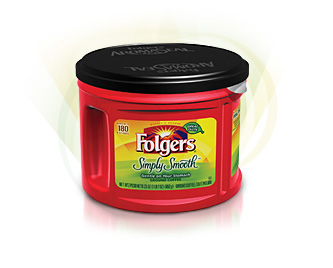
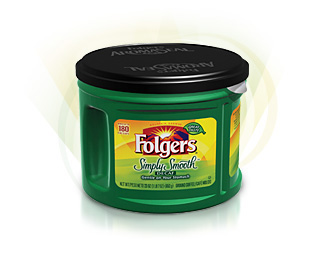
Now I only drink coffee periodically and there is only one brand I can tolerate: Folger’s Simply Smooth or Simply Smooth Decaf (if I want to spare my friends and family my auctioneer impression).

According to Folger’s, they roast the coffee beans to reduce certain irritants that may affect a sensitive stomach.  The caffeinated version coffee comes in  34.5 oz, 23 oz, 11.5 ounce tubs and is available in a decaffeinated variety in 23 oz, 11.5 ounce tubs.

While I like the coffee, I wish Folger’s marketing team had come up with a better name. Simply Smooth sounds like a laxative, and that’s really what most stronger coffees are, not this gentler version of Folger’s coffee! To me, this coffee would be better named  “Gentle Java.”  But, as you know, I don’t work for Folger’s nor their PR team, so I can only drink their coffee and laugh at the name!

The larger tub version of Simply Smooth is tough to find in stores. Target carries it, but lately I’ve only been able to find the small 11.5 ounce tubs. So, if you want to buy Simply Smooth in the larger size tubs, go to good old Amazon.com and get it shipped right to your door. Click on link here to get your own Folger’s Gentle Java (aka ahem, Simply Smooth) coffee.

Folgers Simply Smooth®

Folger's Simply Smooth

Folgers Simply Smooth® Decaffeinated

Folger's Simply Smooth Decafe Coffee

For another perspective, read Clever Shopper’s blogppost,”Folgers Simply Smooth Coffee: Finally a Coffee Gentle on the Stomach!!” here.

Enhanced by Zemanta

Read Full Post »

Driving in snow (video)
Image by sgtgary via Flickr

by Sue Shekut, Licensed Massage Therapist, ACSM Personal Trainer, Certified Wellness Coach, Owner, Working Well Massage

Good health is not just about fitness and nutrition. We all make choices each day that impact our well being, our long term health and ultimately our happiness. On Christmas day I spent a wonderful time with my family and a not so wonderful time driving on the Chicago area highways traveling from one celebration to another. I am extremely grateful that I was able to spend time with the people I care about, but driving on ice and snow makes me extra nervous–and extra cautious.

In the Chicago area, driving, either to work or to school or to the store, is an everyday occurance. It’s tough to get away from traffic and other drivers. Aside from the stress of driving in congested traffic, each time you get behind the wheel you must make many choices that impact your health directly. For example, wearing your safety belt, we all know, can save your life. So can taking your time and yielding to other drivers.  The car is not the place to take out your aggression, have a power struggle or show off.  Driving in snowy and icy conditions requires a clear head and a steady hand. But there are many other considerations. Follow the Safe Driving Tips from the Department of Occupational Health and Safety to make sure your winter drives keep you and your family safe and sound.

Tips for Winter Driving

The Three P’s of Safe Winter Driving
• PREPARE for the trip
• PROTECT yourself; and
• PREVENT crashes on the road

Prepare for the Trip

Maintain Your Car

Check battery, tire tread, and windshield wipers

• Keep your windows clear

• Put no-freeze fluid in the washer reservoir

• Check your antifreeze levels and make sure your radiator is properly filled
Equipment to Have On Hand

• Flashlight

• Jumper cables

• Abrasive material (sand, kitty litter, even floor mats)

• Shovel

• Snow brush and ice scraper

• Flares or other warning devices

• Blanket and extra warm clothes

• Cell phone

• For long trips, add food and water and any medication you may need if stranded
What to Do if You Are Stopped or Stalled?

• Stay with your car

• Don’t over exert

• Put bright markers on antenna or windows and shine dome light

• If you run your car, clear exhaust pipe and run it just enough to stay warm

Plan Your Route

• Allow plenty of time (check the weather and leave early if necessary)

• Be familiar with the maps/directions/GPS

• Let others know your route and arrival time

Practice Cold Weather Driving!
• During daylight, rehearse maneuvers slowly on the ice or snow in an empty lot

• Steer into a skid

• Know what your brakes will do: stomp onantilock brakes, pump non-antilock brakes

• Stopping distances are longer on water-covered ice and ice

• Don’t idle for a long time with the windows up or in an enclosed space

Protect Yourself and Your Passaengers

• Buckle up and use child safety seats properly

• Never place a rear-facing infant seat in front of an air bag

• Children 12 and under are much safer in the back seat

Prevent Crashes

• Drugs and alcohol never mix with driving

• Slow down and increase distances between cars

• Keep your eyes open for pedestrians walking in the road

•Avoid fatigue – Get plenty of rest before the trip, stop at least every three hours, and rotate drivers if possible

Planning a road trip through snow and ice?

Read more road-tested tips from professional driving instructor Bob Schaller to help keep you safe, warm, and on track. RTA’s Road Food Guru Dennis Weaver also tells how to stay hydrated and nourished in cold weather.

Read Schaller’s tips <a title=”Road trip America” href=”http://www.roadtripamerica.com/travelplanning/Winter-Driving.htm&#8221; at RoadTripAmerica here.

Who is Bob Schaller and Why Should I Listen to His Tip

“I live for road trips” could be Bob Schaller‘s mantra. His love for exploring began at the age of three when he explored his neighborhood by tricycle. Following a stint in the US military, Bob was a long-haul truck driver, a commercial pilot, an industrial supply salesman, a college student, and a civil servant working in Arizona’s judicial branch for thirteen years. A recognized expert in Arizona traffic law, Bob teaches defensive driving classes all over the state and is author of the online defensive driving manual Drive Safe with Uncle Bob. His wanderlust remains as hearty as ever, and he is an occasional contributor to the Great American RoadTrip Forum.

Reblog this post [with Zemanta]

Read Full Post »

By Sue Shekut, Licensed Massage Therapist, ACSM Personal Trainer, Certified Wellness Coach, Owner, Working Well Massage

Christmas Eve. Snacks, candy, treats, egg nog. Friends. Family. Presents. Roast turkey. Or ham and roast beef. And then rolls and bread and crackers and brie…and before you know it, you’ve eaten way too much and you feel…like a pinata ready to burst open.

The holidays are full of extra sugary and fat filled treats. And according to some nutrition experts, it’s fine to have a few treats at Christmas. However, it’s also a good idea to plan ahead and follow a few simple rules of thumb so you don’t overdo it. Dana Lilenthal of Nutrition Data blog has the following tips to help you feel less stuffed and more buff on Christmas.

Healthy Eating Tips for Christmas

By Dana Lilienthal

Before you head out to your holiday meal, or before your guests arrive, here are some things you should be doing to make sure you enjoy your holiday with out overindulging.

1. Make a game plan for the day.
• What will you eat during the day?
• When will you fit in your exercise?

2. How much will you eat at your Christmas Eve/Day meal.

3. What are those special foods that you will eat at this meal.
• Are there 1 or 2 dishes that you love and only have once a year?
• Will you enjoy a small serving of these foods?
• What foods can you pass on?

4. Are there foods that make better leftovers?

5. Will you be the host to have control over the foods prepared or are you the guest who can bring a healthy dish or two for you and the rest of the guests?

Read entire blogpost from Dana here here.

Read more articles like this: Blog posts by Dana, Habits & Behavior

Who is Dana Lilienthal, M.S., R.D. and Why Would You Want to Follow her Advice?
Dana is a health educator and counselor with a passion for analyzing and creating recipes. She holds certifications as a Registered Dietitian from the American Dietetic Association, Personal Trainer from the American Council on Exercise and Health Counselor from the Institute for Integrative Nutrition. Dana holds a B.S. in dietetics and a master’s degree in elementary education. When not in a middle-school classroom, Dana educates private clients on how to improve their lifestyle for health and overall well-being.

Reblog this post [with Zemanta]

Read Full Post »

Dogs at Work

By Sue Shekut, Licensed Massage Therapist, ACSM Personal Trainer, Certified Wellness Coach, Owner, Working Well Massage

Dogs have long been used as Guide Dogs and Service Dogs for people with vision impairment and other disabilities. Seniors also find that dogs and other animals known as Emotional Support Dogs can provide companionship, non-judgmental positive regard, affection, and a focus in life. Now, savvy employers are seeing the benefits of allowing employees to bring their dogs to work. In the article below from Corporate Wellness Advisor.com, Gayle Christopher, Ph.D., explains why.

Take Your Dog to Work?

December 11, 2009
Written by: Gayle Christopher, Ph.D.,

Looking for a no-cost employee pick-me up? Proponents say this perk increases worker cohesion, lowers stress, and that there are few downsides. Dog-friendly workplaces, where well-behaved pets are welcomed to join their owners in the daily grind, are found all over the country.

The majority of companies that allow dogs are small start-up companies that realize the need for a flexible work environment or large high tech firms that allow dogs in order to capture the interest of a prospective employee or to retain their current employees. One survey found that 20% of employers have pet-friendly policies.

Of course, not all pets are well-behaved enough to be welcomed into the work environment. Some are hyper, too vocal, or aggressive. Pets should have decent manners, be house-trained and well-groomed. Owners must responsibly evaluate their own ability to perform when Fido is present and their pet’s shortcomings in human and animal relations. Pet-friendly workplaces have found that most employees will police themselves because they understand that such policies are a privilege and not a right. But setting up rules and enforcement procedures are a must.

Facts from the American Humane Association

  • Staff morale and worker productivity are increased by bringing pets to work
  • Increased camaraderie among employees when pets are in the workplace
  • Happier employees result in enhanced job performance
  • Increase in sales reported by store owners who take their dogs to work
  • Dogs can serve as a crime deterrent

Read entire article from Corporate Wellness Advisor.com here

Read Full Post »

By Sue Shekut, Licensed Massage Therapist, ACSM Personal Trainer, Certified Wellness Coach, Owner, Working Well Massage

It’s that time of year. Holiday parties abound with extra cocktails and appetizers.  Cookies,  candies and vendor gifts line workplace kitchen areas. How do you eat sensibly and maintain a healthy weight without overdoing it and packing on an extra 5-10 pounds this holiday season? Surprisingly, by NOT following some well meaning but unhelpful diet tips.  Katherine Hobson from U.S. News and World Report, has the following tips about diet tips. Her advice: shun or eschew the conventional tips about holiday dieting for a more practical–and healthful–approach.

6 Stupid Holiday Diet Tips You Should Ignore (And 1 You Shouldn’t)

By Katherine Hobson, U.S. News and World Report

(Julia Nichols/iStockphoto)

You can read the best holiday diet advice while waiting in line at the supermarket! Or not. Amidst the stories about Tiger Woods’s monogamy issues, I found some ideas for controlling weight that sounded too good (or odd) to be true. (I picked up a few more online.) I ran them by people who know far more about nutrition and the body than I do, and some added their own examples of stupid holiday diet tips you’re better off ignoring. Here’s the final list—including one tip that sounds stupid but is actually pretty smart.

Diet Tip Myth #1: Avoid dairy products, since they’re tough to digest.

(iStockphoto)

There are several reasons you might want to avoid dairy products: lactose intolerance, a commitment to veganism, or simply a dislike of cheese and milk. But “because they complicate digestion,” as I read in one magazine, is not one of them.

If you’re lactose intolerant, the sugar in milk will sail through the gastrointestinal tract without being processed, says Amy Foxx-Orenstein, past president of the American College of Gastroenterology and an associate professor of medicine at the Mayo Clinic. That can lead to bloating, gas, and other unpleasantness. Folks experiencing flare-ups of celiac disease or irritable bowel syndrome might also find milk hard on the stomach, she says. And, says Suzanne Havala Hobbs, a registered dietitian and faculty member at Gillings School of Public Health at the University of North Carolina, people with acid reflux may experience symptoms if they eat a lot of high-fat cheese and then loll on the sofa. But otherwise healthy people without those problems aren’t going to be harmed by dairy—and cutting it out certainly won’t provide any magic weight-loss advantage.

Diet Tip Myth #2: If you’re trying to lose weight quickly, cut out all fruits except grapefruit.

(Liv Friis-Larsen/iStockphoto)

Why on earth would you pick a diet that eliminates what American Dietetic Association spokesperson Jeannie Gazzaniga-Moloo calls “nature’s perfect food”? Fruit is loaded with vitamins, minerals, and beneficial phytochemicals, she says. While fruit does contain sugar, it’s helpfully packaged with fiber, which slows the absorption of sugar by the liver. “I don’t think most people’s [weight] problems come from eating too many apples,” notes Rachel Cosgrove, cofounder of Results Fitness in Southern California and author of The Female Body Breakthrough.

Diet Tip Myth #3: Use agave, not sugar.

(Cathleen Abers-Kimball/iStockphoto) Blue agave plant.

Whether it’s table sugar, maple syrup, agave, or honey, it’s largely empty calories and so should be eaten in moderation. “When it comes to weight loss, a sugar is a sugar is a sugar,” says Gazzaniga-Moloo.

Diet Tip Myth #4: Don’t drink a lot of water or other fluids during your meal because they may dilute the digestive juices in your stomach and make digestion more difficult.

(Nicolette Neish/iStockphoto)

Umm…no. Water and other liquids actually help the stomach acids to better combine with the solid food in your stomach and to give the mixture the proper consistency to pass from the stomach, says Foxx-Orenstein. (At the opposite extreme, slavishly drinking eight glasses of water a day is no guarantee of weight loss, either, says Gazzaniga-Moloo.)

Diet Tip Myth #5: Make “healthful” versions of holiday favorites—like nonfat, no-sugar cheesecake.

(Paul Johnson/iStockphoto)

OK, I made up that example; I’m not sure such a thing exists. But, says Cosgrove, substituting ingredients or making “lite” holiday dishes is rarely a good idea. “Usually, it still isn’t very healthy, and now it just doesn’t taste as good,” she says. “Life’s too short not to have my grandmother’s sweet potato pie.” Her suggestion for the holidays (and the rest of the year): Eat healthfully 90 percent of the time, and then give yourself the freedom to splurge during the other 10 percent.

Diet Tip Myth #6: Lose seven pounds in seven days.

Istock photo

“Get thin for the holidays” with the restrictive, 1,000-to-1,200-calorie diet featured in a gossip magazine? Not likely. First, do the math: Even if you normally burn off 2,500 calories in a day and cut back to 1,000, your deficit over a week still adds up to less than 7 pounds (1 pound is equivalent to 3,500 calories). Anything you do lose on a strict calorie deprivation diet is mostly water. Moreover, most dietitians would counsel people to maintain their weight—not try for a drastic loss—over the holidays, says Havala Hobbs.

#1 Smart Diet Tip: Eat dessert first.

(Ed O'Neil/iStockphoto)

I always thought that substituting leftover cookie batter for dinner while I bake counted as a guilty pleasure, but going straight for your favorite treat can sometimes be a smart move, says Havala Hobbs. If you know you’re going to eat the cookies and the pumpkin pie, having them first, even if it spoils your appetite for dinner, will very likely keep your daily calorie total lower than if you eat a full dinner and then chow down on your favorites although you’re already stuffed. No, it won’t be the most nutritionally balanced meal of your life, but that’s OK once in a while.

Link to Katherine Hobson’s full article here. Katherine Hobson is a Senior Writer for U.S. News and World Report. Her expertise is in Cancer research and treatment,  diet,  nutrition, exercise and fitness.

Reblog this post [with Zemanta]

Read Full Post »

By Sue Shekut, Licensed Massage Therapist, ACSM Personal Trainer, Certified Wellness Coach, Owner, Working Well Massage

Some times ago I blogged about the Walkstation from Steelcase. (Link here.) Now it looks like the idea of treadmills attached to desks is gathering steam–and coming down a bit in price. Read the excerpt from a article in Vocus/PRWEB.

Salt Lake City, UT (Vocus/PRWEB ) December 10, 2009 — A new research project for scientists at the University of Utah has been announced which will focus on a series of workplace wellness studies designed to test the effectiveness of walking slowly while working, utilizing a treadmill desk known as the TrekDesk.

Dr. Elizabeth Joy of the University of Utah

The first in a series of proposed studies will focus on damage caused in the workplace to employee’s spines. Eight out of ten Americans will suffer from back pain and injury at some point in their adult lives. The study will do a comparative analysis of spinal compression caused by office chairs versus the compression reducing qualities of walking.

“We evolved as a species to be upright. We have less loading actually of the joints and our back standing than we do sitting. We actually lubricate the joints in our lower extremities, in our hips, in our knees and our ankles through movement,” states lead scientist, Dr. Elizabeth Joy, Director, Utah Health Research Network (UHRN). Dr. Joy has an extensive background in workplace wellness issues and has long lobbied for the re-engineering of work environments to allow for more physical movement.

Treadmill desks are currently in use at many Fortune 500 companies and small businesses across America and have been shown effective in boosting energy, productivity, preventing disease, assisting in weight loss and restoring health.

Many employers faced with declining employee health and rising health care costs now see the need for a radical change in the workspace and a need for more healthy solutions. The current challenge for most employers is finding a solution that is affordable since treadmill desks may retail between $4,500 and $6,000.

A treadmill desk manufacturer based in Phoenix, AZ recently released the TrekDesk, which, priced at 1/10 the cost of comparable models, is the subject of many of the proposed studies. TrekDesk is a full sized, height adjustable workstation designed to attach to an existing treadmill.

“We are thrilled that the University recognizes the myriad health benefits of treadmill desks and are honored that the TrekDesk has been chosen for further study due to its affordability and design,” states Steve Bordley, CEO of TrekDesk. “With rising obesity rates and skyrocketing health care costs it is time to realize that the sedentary design of the workplace must be changed,” states Bordley, “once employers adopt measures to keep their employees moving during the day they will see a boost in productivity and a decrease in sick days and health care costs.”

Read the entire article in Vocus/PRWEB here.

Working Well Says: The TrekDesk is available from Amazon for about $479. However, this does not include the cost of the treadmill which can run another $380 on up. In addition, if you purchase the TrekDesk, you must make sure that whatever treadmill you buy to work with it can fit so that the treadmill display and handlebars can fit behind the desk not blocking your entry to the desk. Overall, we are happy to see the price of walkable workstations decreasing. $800-$1000 is lot less than the Steelcase Walkstations $4500 price tag!

Read Full Post »

By Sue Shekut, Licensed Massage Therapist, ACSM Personal Trainer, Certified Wellness Coach, Owner, Working Well Massage

Don’t have time to exercise? Working long hours at a computer or desk?  Then this set of easy yoga poses may be for you!

Easy Desktop Yoga is a CD with a series of video exercises based on yoga, and designed specifically for computer users. International yoga instructor, Juliet Lee, demonstrates easy modified yoga exercises to calm, invigorate, or relax.

Pop the CD into your computer and choose from more than 20 yogic exercises.  Each one can be done in just a few minutes, so they are easy to incorporate into your workday.  Easy Desktop Yoga CD-ROM comes complete with a reminder program to help remind you when it’s time to take a break and stretch!

Note: One of our clients purchased the DVD and found it only works for PCs not Apple computers.

What You Get on the Easy Desktop Yoga CD

Office Warm Up (four exercises) Easy Desktop Yoga Cover
Breathing
Breath Stretch
Seated Sun Salutation
Modified Sun Salutation
Moon Pose
Lunge Pose
Hip Rotation
Knee Rotation
Right Angle Pose
Neck Stretch
Lion Pose
Eye Exercise
Upper Body Twist
Upper Body Stretch
Shoulder Roll
Modified Camel Pose
Modified Cat and Dog Poses
Forward Bend
Relax

Purchase your very own Easy Desktop Yoga program here.

Check out the free download for a sample: neck stretch 2 min video here.

Read Full Post »

Shovelling Snow
Image by gautamnguitar via Flickr

By Sue Shekut, L.M.T., ACSM Personal Trainer, Certified Wellness Coach, Owner, Working Well Massage

Shopping more than normal? Traveling to see family and friends? Taking a ski vacation? Or just shoveling snow, putting up lights and surviving the extra traffic this time of year brings? All of these activities may be out of your normal routine and may put extra stress on you and your back.  Read the tips excerpted from a blogpost below from Josie and Chris at Ann Arbor Balance Massage Therapy to safeguard your back and muscles as much as possible to stay healthy this holiday season!

Holiday Back Pain–Find Balance and Stay Pain Free

Back pain around the holidays can be especially debilitating as we all try to do more for everyone but ourselves. Taking a moment ahead of time can really help you stay on your feet this holiday season. Here are some helpful tips to pay attention to your back, taken from Dr. Alanna Levine and Dr. Marcus – primary care physicians.

Move Your Body
Long trips through the airport or in a car involve sitting for a long period of time which is very hard on muscles. “muscles were made to move” says Dr. Marcus. Take the time to get a holiday tune up massage. A great self care trick is to bring along a tennis ball and sit on it. Direct pressure helps relieve muscle tension, keeps muscles from getting tight through movement and keeps blood flowing through the legs reducing risk for blood clots.

Travel With Your Body In Balance
When traveling take the time to pack light and use a roller bag or two. By dividing your belongings into two bags instead of one you can carry the weight in a more balanced way. Pack a tennis ball (see above tip), move during the flight and take regular breaks while driving.

Lift Smart–Carry Light-Move Trips Means More Movement
Many small bags are better than one big one even when shopping. As you approach holiday shopping make frequent trips to the car to give your back a break. When carrying, balance the weight load. Lift smart -Bend your knees and hips, not your back, and try to prevent bending and twisting at the same time and keep the weight close to your body.

Warm Up When You Wake Up
For many of us sleeping in a foreign bed can wreak havoc on the back – Take the time to warm up in the morning before standing up. Gentle movement (yes, you should wiggle around!) while still laying down gives a chance for hard working muscles to be ready to hold you up when you stand.

Buddy Up For Tall Tasks
Decorating involves a long time on a ladder and a a lot of reaching – use a buddy to hand up to you to save your back. Any type of reaching whether it be down to clean or across as you cook is a hard on your back making very few muscles work very hard. Which is always a recipe for disaster over time.

Most importantly – Take Good Care of Yourself!
Pay attention to your body and how it feels. Drink plenty of water as dehydration can make muscles ache.

Although massage can help to relieve severe back pain once you hurt yourself, it will also keep you out of pain when used on a regular basis. Muscle tension and imbalance do not happen overnight they build up slowly with overuse and poor posture. Taking care to work out trigger points, or knots in muscles stops this build up. Just like getting your teeth cleaned on a regular basis has long lasting results so does regular massage help with muscle imbalance and strain.

Read entire blogpost from Josie and Chris at Ann Arbor Balance Massage Therapy here.

Link to Interview on CBS News Early Show Interview with Dr. Alanna Levine here.

Reblog this post [with Zemanta]

Read Full Post »

Older Posts »