Feeds:
Posts
Comments

Archive for November, 2009

The holidays can be stressful. Shopping, parties, family obligations, and of course, extra traffic, can all lead you to feel a little anxious. But what happens when that stress produces a full blown anxiety attack? Read on to find the latest treatments for panic disorders and some simple fixes you can do for stress and anxiety…even if you don’t have full blown panic attacks! (Hint: Cutting down caffeine really helps curb anxiety.)

Excerpted from High Anxiety by Joseph Hart in Experience Life

40 million Americans who have been derailed by what psychiatrists call “anxiety disorders.” It’s a broad medical diagnosis that includes several distinct categories:

Obsessive-compulsive disorder, which consists of intrusive thoughts (obsessions) combined with repetitive behaviors (compulsions), such as excessive hand washing, that the sufferer performs to avoid the obsessive thoughts.

Panic disorder refers to recurring episodes of intense physical fear, without an obvious or immediate source of fear. These episodes, also called anxiety attacks, are commonly characterized by heart palpitations and may be accompanied by chest pains. It might also be difficult to breathe, and you may feel like you are choking (symptoms that can make the situation even more frightening and further ratchet up anxiety).

Posttraumatic stress disorder (PTSD) follows a severe traumatic event that threatens actual harm.

Social anxiety disorder describes the condition of people who suffer overwhelming anxiety when faced with everyday social interactions.

Generalized anxiety disorder is a catchall category that describes any chronic anxiety or exaggerated worry that lacks an obvious cause.

While these diagnoses, symptoms and distinctions sound clear-cut on paper, in practice they are anything but. In part, this is because separating the typical from the pathological isn’t always easy. The human brain, it seems, is hardwired to worry even under the best of conditions.

“Because we humans have prefrontal lobes, we can anticipate the future and make up a scenario that is harmful
to us,” says Melissa Blacker, MA, a psychotherapist and associate director of the Stress Reduction Clinic at the University of Massachusetts Medical School’s Center for Mindfulness.

Some degree of anxiety and fear are normal responses to life. “Healthy anxiety is part of our fight-or-flight response system,” says Jonathan Abramowitz, PhD, director of the Anxiety and Stress Disorder Clinic at the University of North Carolina, Chapel Hill. “As a basic emotion, it is helpful. In fact, we would all be dead without it, because it protects us from harm.”

So where does a healthy emotional response to stress leave off and an anxiety disorder begin? “Anxiety is a response to the perception of threat,” Abramowitz explains. “When we’re talking about a real danger, that’s healthy stress and anxiety, but when the perception of threat is based on either a misinterpretation of the severity of the threat or the likelihood of harm, then we’re talking about a disorder.”

Mind-Body Connections

The biological processes triggered by anxiety — sweaty hands, shallow breathing, increased heart rate, dizziness — are hardwired human responses to stressful situations. Most of these responses serve some biological purpose, such as preparing our bodies to react (fight or flee), or they are the byproduct of the chemicals, such as cortisol and adrenaline, that such a reaction might require. It’s when we perceive a major threat in situations where, objectively speaking, there is little or none — for example, in a crowded elevator (claustrophobia), crossing a bridge (fear of heights), leaving the house (agoraphobia) or at an office mixer (social anxiety) — that anxiety is classified as a disorder.

The more frequently or dramatically an unwarranted response occurs, and the more it interferes with a person’s daily life, the more severe that classification is likely to be.

Although pharmaceutical drugs can help moderate our bodies’ physical response to stressful thoughts or stimuli, nonpharmaceutical treatments — like cognitive behavioral therapy (CBT) — are beginning to replace drugs as the preferred treatment for anxiety disorders.

Unlike medications that attempt to suppress our physiological responses to perceived threats, CBT is aimed at correcting our perception of those threats, and thus encouraging a self-moderating response.

The first goal of CBT is simply education, says Abramowitz. “We teach people about their symptoms,” he explains. “We explain that when you feel nauseated, it’s not because you’re going to throw up; when your heart races, it’s not because you’re having a heart attack.” For many, just recognizing the symptoms of anxiety for what they are — and realizing that they do not represent an immediate danger — can prevent an attack from worsening.

The second phase of CBT focuses on exposure and response protection. Some CBT therapists actually place the sufferer in the situation that causes him or her fear — whether that situation is external, like playing with a large dog, or internal, like experiencing an accelerated heart rate. “When a person repeatedly confronts their fears, they learn that the outcomes they worry about aren’t nearly as likely as they think,” Abramowitz explains.

Moreover, they learn that the initial fight-or-flight response is transitory; anxiety eases when you’re able to stay in a situation and your fears aren’t realized.

It can take 10 to 15 sessions of CBT to produce lasting results, says Abramowitz, and the success rate is fairly high — as many as 70 percent of patients conquer their anxieties. (To find a cognitive-behavioral therapist near you, visit the National Association of Cognitive-Behavioral Therapists at http://nacbt.org/searchfortherapists.asp.)

Anxiety as a Physical Condition

The physical aspects of anxiety — our fight-or-flight response — are governed by the sympathetic nervous system. CBT works by essentially reprogramming our involuntary activation of this system. But other treatment approaches focus on the body’s parasympathetic nervous system, which regulates the healing, recharging part of the nervous system and helps shut off the fight-or-flight response.

Patricia Gerbarg, PhD, MD, a clinical psychiatrist at the New York Medical College and coauthor of How to Use Herbs, Nutrients, and Yoga in Mental Health Care (Norton, 2009), is studying how to activate the parasympathetic nervous system to quiet anxiety. She and her colleagues have discovered that some ancient practices are highly effective.

In particular, yoga breathing induces a very calm, clear-minded state — the opposite of the anxious fight-or-flight state of the sympathetic nervous system. “When you change the pattern of breathing,” explains Gerbarg, “it changes what happens in your emotion centers and thinking centers,” slowing the fight-or-flight actions of the amygdala and quieting the areas of the cortex that process worry.

Gerbarg and her colleagues have been able to quantify the effects of breathing techniques on the parasympathetic nervous system, and they are using what they’ve learned to train patients to interrupt anxiety with breathing. “We have seen some very rapid effects,” she says. “In five minutes, people may go from severe anxiety to complete relaxation.”

Psychotherapist Kathryn Templeton, who spent 20 years working with soldiers suffering from PTSD at the National Center for Posttraumatic Stress Disorder at the U.S. Department of Veterans Affairs and now works with abused children, uses breathing and yoga extensively in her treatments. She has her patients begin by inhaling slowly for three counts and exhaling for six counts, a practice that cultivates awareness of their breathing patterns. “Breathing creates resiliency and releases tension,” she explains. It is physically impossible to breathe deeply and feel anxious at the same time.

The power of breath to reduce symptoms of anxiety helps illustrate how anxiety lives in both brain and body. Because anxiety is as much a physical condition as a mental one, a variety of physical activities can offer relief.  Exercise in particular, writes Edward Hallowell in Worry: Hope and Help for a Common Condition (Random House, 1998), “is a terrific antidote for worry.”

Exercise quiets the anxiety response, not by changing the situation that is causing anxiety, he explains, but by changing “the vessel of your worry, the physical state of your body and brain.” He notes that exercise produces a variety of chemicals, such as endorphins, corticosteroids and neurotrophins, as well as various neurotransmitters like serotonin that can help soothe the worried mind.

If you start to feel anxiety welling up and you have even just a few free minutes, a couple treks up and down the stairs or a brisk walk around the block can work wonders, says Hallowell. You won’t always have the opportunity to break into a sprint when you feel your anxiety spiking, but, he continues, “A regular exercise program — exercise three or four times a week — will almost always cut down on worry. Exercise should be incorporated into any plan to reduce anxiety and control worry.”

Finally, no approach to anxiety management can be optimally successful unless it is supported by proper nutrition. Our brains require certain fats, proteins and nutrients to function normally and regulate mood — and no amount of yogic breathing or CBT can compensate for a mineral or omega-3-fat deficiency. (To learn more about what to eat to reduce anxiety and stabilize mood, see “Comfort Food for Your Brain.”) It is also important to limit your intake of stimulants such as caffeine, which prime the body and brain for heightened anxiety.

Mix Your Own Cure

Ultimately, regardless of whether or not you choose to treat your anxiety with medication, it makes sense to avail yourself of the full spectrum of other interventions, too — from good nutrition and regular exercise, to yoga, deep breathing and psychological approaches like CBT.

“Not every person will use every [approach],” writes Hallowell. “But every [approach] should at least be considered in order to achieve the best results.” That’s because, he notes, in almost all cases, no single approach alone will provide optimal results. Every individual has to find his or her own right mix.

In any life, anxiety is bound to come and go. But when it comes on strong enough to impede our health and happiness, it’s comforting to know that the remedies of modern science, ancient wisdom and simple self-care can all offer relief — and smart ways to keep future anxieties at bay.

The Big Chill-Out

Common signs of an anxiety attack include rapid heart rate, sweating, shaking, shortness of breath, nausea, dizziness, chest pain, numbness in limbs or face, difficulty thinking clearly, and fear of losing control.

Whether or not you are currently experiencing any of these symptoms, here are some top techniques for quickly and effectively reducing anxiety when it rears its ugly head:

Take a deep breath: Perhaps the single most effective way you can get your anxiety under control quickly is to breathe deeply and slowly into your diaphragm. Start simply by closing your eyes, breathing in deeply for a count of three and then exhaling for a count of four. Do it for a minute or two at a time, repeating until you feel calmer.

Pay Attention: Worries and anxieties tend to grow more powerful when we allow them to accumulate in our subconscious. You can interrupt the accumulation of anxieties by bringing them into the forefront of your mind and acknowledging their presence. Don’t worry about trying to talk yourself out of your worries. Just take a minute to step back and observe yourself being anxious. Note any physical symptoms (clenched muscles, shallow breathing, racing heartbeat) and ask yourself: Are my fears appropriate to my current actual level of danger? Simply taking stock of your anxiety and consciously seeing uncomfortable sensations for what they are (vs. indications that you are in physical danger) can make them feel less intense.

Get a Move On: If you feel anxiety rising, quit what you’re doing and take a quick walk, do some pushups, or climb a few flights of stairs. It may be enough to clear your body of accumulating stress chemicals and give your mind a chance to reframe troubling thoughts. Going forward, build some exercise time into your schedule. Regular exercise (most experts recommend vigorous activity three to four times a week to help keep anxiety symptoms at bay) helps your body balance its supply of neurochemicals and hormones and also helps increase your overall resilience. Many people find that yoga provides special anxiety- quelling benefits.

Connect With Nature: If you can step outside, or even focus on a tree, cloud or horizon line you can see from your window, do it. Numerous studies have shown that exposure to natural scenes and environments, even painted views of landscapes, measurably lowers anxiety and reduces perceptions of pain. Spending time in nature also improves mood and reduces reactivity in many people. So make a point of regularly getting outdoors, allowing images, scents and sensations of nature to help you calm your jangled nerves before they get out of control.

For more suggestions on managing anxiety, and a more complete list of symptoms and their causes, check out the Anxiety Disorders Association of America, online at www.adaa.org/GettingHelp/AnxietyDisorders/PanicAttack.asp.

Resources
WEB
Anxiety Disorders Association of America
(www.adaa.org) provides information about anxiety disorders, treatments, how to choose a therapist, self-tests and more.

The National Association of Cognitive-Behavioral Therapists (www.nacbt.org) provides information about CBT and how it works.

The Midwest Center (www.stresscenter.com/mwc) is a leading provider of self-care and coaching programs for people who suffer from stress, anxiety and depression.

BOOKS
Natural Relief for Anxiety: Complementary Strategies for Easing Fear, Panic & Worry by Edmund J. Bourne, Arlen Brownstein and Lorna Garano (New Harbinger, 2004)

When Panic Attacks: The New, Drug-Free Anxiety Therapy That Can Change Your Life by David D. Burns, MD (Broadway, 2007)

Living Well With Anxiety: What Your Doctor Doesn’t Tell You That You Need to Know by Carolyn Chambers Clark (HarperCollins, 2006)

Worry: Hope and Help for a Common Condition by Edward Hallowell, MD (Random House, 1998)

The Relaxation & Stress Reduction Workbook by Martha Davis, Matthew McKay and Elizabeth Robbins Eshelman (New Harbinger, 2008)

Panic Attacks Workbook: A Guided Program for Beating the Panic Trick by David Carbonell, PhD (Ulysses Press, 2004)

Excerpted from High Anxiety by Joseph Hart in Experience Life

Read Full Post »

By Sue Shekut, Owner, Working Well Massage, Licensed Massage Therapist, Certified Wellness Coach, ACSM Personal Trainer

Recently we posted about a study from the University of Georgia that listed 5 indoor plants as good air cleaners. Now NASA scientists are finding house plants surprisingly useful in absorbing potentially harmful gases and cleaning the air inside modern buildings.

spathiphyllum-mojo

Peace Lily. Image from http://www.spaths.com

A sophisticated pollution-absorbing device: the common indoor plant may provide a natural way of helping combat “Sick Building Syndrome”.

Research into the use of biological processes to solve environmental problems, both on Earth and in space, has been carried out for many years by Dr. Bill Wolverton, formerly a senior research scientist at NASA’s John C. Stennis Space Center, Bay St. Louis, Miss.

Preliminary evaluations of the use of common indoor plants for indoor air purification and revitalization inspired a study using about a dozen popular varieties of houseplants to determine their effectiveness in removing several key pollutants associated with indoor air pollution.

NASA research on indoor plants found that living plants are so efficient at absorbing contaminants in the air that some will be launched into space as part of the biological life support system aboard future orbiting space stations.

While more research is needed, Wolverton’s study showed that common indoor landscaping plants can remove certain pollutants from the indoor environment. “We feel that future results will provide an even stronger argument that common indoor landscaping plants can be a very effective part of a system used to provide pollution free homes and work places, ” he concludes.

Each plant type was placed in sealed, Plexiglas chambers in which chemicals were injected.

JanetCraig

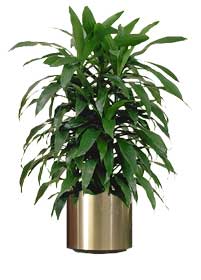
Dracaena Janet Craig. Image from http://www.dracaena.com

Philodendron, spider plant and the golden pothos were labeled the most effective in removing formaldehyde molecules.

Flowering plants such as gerbera daisy and chrysanthemums were rated superior in removing benzene from the chamber atmosphere. Other good performers are Dracaena Massangeana, Spathiphyllum, and Golden Pothos.Plants take substances out of the air through the tiny openings in their leaves,” Wolverton said. “But research in our laboratories has determined that plant leaves, roots and soil bacteria are all important in removing trace levels of toxic vapors“.

Combining nature with technology can increase the effectiveness of plants in removing air pollutants,” he said. “A living air cleaner is created by combining activated carbon and a fan with a potted plant. The roots of the plant grow right in the carbon and slowly degrade the chemicals absorbed there,” Wolverton explains.

Read Wolverton’s book from Amazon: How to Grow Fresh Air: 50 Houseplants to Purify Your Home or Office

NASA research has consistently shown that living, green and flowering plants can remove several toxic chemicals from the air in building interiors. You can use plants in your home or office to improve the quality of the air to make it a more pleasant place to live and work – where people feel better, perform better, any enjoy life more.

TOP 10 plants most effective in removing Formaldehyde, Benzene, and Carbon Monoxide from the air

Formaldehyde is a ubiquitous chemical found in virtually all indoor environments. The major sources which have been reported and publicized include urea-formaldehyde foam insulation (UFFI) and particle board or pressed wood products used in manufacturing of the office furniture bought today. It is used in consumer paper products which have been treated with UF resins, including grocery

formaldehyde

Products made with Formaldehyde. Image from Greenday systems

bags, waxed papers, facial tissues and paper towels. Many common household cleaning agents contain formaldehyde. UF resins are used as stiffeners, wrinkle resisters, water repellents, fire retardants and adhesive binders in floor coverings, carpet backings and permanent-press clothes. Other sources of formaldehyde include heating and cooking fuels like natural gas, kerosene, and cigarette smoke.

Formaldehyde irritates the mucous membranes of the eyes, nose and throat. It is also a highly reactive chemical which combines with protein and can cause allergic contact dermatitis. The most widely reported symptoms from exposure to high levels of this chemical include irritation of the eyes and headaches. Until recently, the most serious of the diseases attributed to formaldehyde exposure was asthma. However, the Environmental Protection Agency (EPA) has recently conducted research which has caused formaldehyde to be strongly suspected of causing a rare type of throat cancer in long-term occupants of mobile homes.

Benzene is a very commonly used solvent and is also present in many common items including gasoline, inks, oils, paints, plastics, and rubber. In addition it is used in the manufacture of detergents, explosives, pharmaceuticals, and dyes.

Benzene has long been known to irritate the skin and eyes. In addition, it has been shown to be mutagenic to bacterial cell culture and has shown embryotoxic activity and carcinogenicity in some tests. Evidence also exists that benzene may be a contributing factor in chromosomal aberrations and leukemia in humans. Repeated skin contact with benzene will cause drying, inflammation, blistering and dermatitis.

Acute inhalation of high levels of benzene has been reported to cause dizziness, weakness, euphoria, headache, nausea, blurred vision, respiratory diseases, tremors, irregular heartbeat, liver and kidney damage, paralysis and unconsciousness. In anima tests inhalation of benzene led to cataract formation and diseases of the blood and lymphatic systems. Chronic exposure to even relatively low levels causes headaches, loss of appetite, drowsiness, nervousness, psychological disturbances and diseases of the blood system, including anemia and bone marrow diseases.

Sources: Plantcare.com and Zone10.com

For a similar listing of plants that improve indoor air quality, read our post here on the University of Georiga’s research on plants and indoor air quality.

More in depth information on indoor air quality, Sick Building Syndrome, and the effects of indoor air pollutants on our health in an article titled “Top 15 NASA’s Plants That Can Save Your Life!” by Stefan Anitei, Science Editor at Softpedia.com.

Where To Find Indoor Plants Services in Chicago

Plantscapes by Janet

Everliving Greenery

Read Full Post »

One of the anxiety producing aspects of Thanksgiving for my Wellness Coaching clients is the potential for overeating. Here are some tips from WebMD on how to keep up your healthy eating and lifestyle habits  even on a day traditionally known for “stuffing” (ourselves with food!).

10 Tips for a Thinner Thanksgiving

Read entire article here.

Thanksgiving dinner Photo Credit:bookcellarinc.com

By Kathleen M. Zelman, MPH, RD, LD
WebMD Weight Loss Clinic-Feature
Reviewed by Louise Chang, MD

Thanksgiving only comes around once a year, so why not go ahead and splurge? Because gaining weight during the holiday season is a national pastime. Year after year, most of us pack on at least a pound (some gain more) during the holidays — and keep the extra weight permanently.

But Thanksgiving does not have to sabotage your weight, experts say. With a little know-how, you can satisfy your desire for traditional favorites and still enjoy a guilt-free Thanksgiving feast. After all, being stuffed is a good idea only if you are a turkey!

Get Active

Gentle exercise from EverydayHealth.com

Create a calorie deficit by exercising to burn off extra calories before you ever indulge in your favorite foods, suggests Connie Diekman, Med, RD, former president of the American Dietetic Association (ADA).

“‘Eat less and exercise more’ is the winning formula to prevent weight gain during the holidays,” Diekman says. “Increase your steps or lengthen your fitness routine the weeks ahead and especially the day of the feast.”

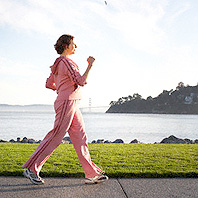
Make fitness a family adventure, recommends Susan Finn, PhD, RD, chair of the American Council on Fitness and Nutrition: “Take a walk early in the day and then again after dinner. It is a wonderful way for families to get physical activity and enjoy the holiday together.”

Eat Breakfast

While you might think it makes sense to save up calories for the big meal, experts say eating a small meal in the morning can give you more control over your appetite. Start your day with a small but satisfying breakfast — such as an egg with a slice of whole-wheat toast, or a bowl of whole-grain cereal with low-fat milk — so you won’t be starving when you arrive at the gathering.

“Eating a nutritious meal with protein and fiber before you arrive takes the edge off your appetite and allows you to be more discriminating in your food and beverage choices,” says Diekman.

Lighten Up

Whether you are hosting Thanksgiving dinner or bringing a few dishes to share, make your recipes healthier with less fat, sugar, and calories.

“There is more sugar and fat in most recipes than is needed, and no one will notice the difference if you skim calories by using lower calorie ingredients,” says Diekman.

Her suggestions:

  • Use fat-free chicken broth to baste the turkey and make gravy.
  • Use sugar substitutes in place of sugar and/or fruit purees instead of oil in baked goods.
  • Reduce oil and butter wherever you can.
  • Try plain yogurt or fat-free sour cream in creamy dips, mashed potatoes, and casseroles.

Police Your Portions

  • Thanksgiving tables are bountiful and beautiful displays of traditional family favorites. Before you fill your plate, survey the buffet table and decide what you’re going to choose. Then select reasonable-sized portions of foods you cannot live without.

“Don’t waste your calories on foods that you can have all year long,” suggests Diekman. “Fill your plate with small portions of holiday favorites that only come around once a year so you can enjoy desirable, traditional foods.”

  • Skip the Seconds.Try to resist the temptation to go back for second helpings.”Leftovers are much better the next day, and if you limit yourself to one plate, you are less likely to overeat and have more room for a delectable dessert,” Diekman says.

Slowly Savor

Eating slowly, putting your fork down between bites, and tasting each mouthful is one of the easiest ways to enjoy your meal and feel satisfied with one plate full of food, experts say. Choosing whole grains, fruits, vegetables, broth-based soups, salads, and other foods with lots of water and fiber add to the feeling of fullness.

Go Easy on Alcohol

Go Easy on Alcohol

Don’t forget those alcohol calories that can add up quickly.

“Have a glass of wine or a wine spritzer and between alcoholic drinks, (or) enjoy sparkling water,” says Diekman. “this way you stay hydrated, limit alcohol calories, and stay sober.”

Be Realistic

The holiday season is a time for celebration. With busy schedules and so many extra temptations, this is a good time to strive for weight maintenance instead of weight loss.

“Shift from a mindset of weight loss to weight maintenance,” says Finn. “You will be ahead of the game if you can avoid gaining any weight over the holidays.”

Focus on Family and Friends

Thanksgiving is not just about the delicious bounty of food. It’s a time to celebrate relationships with family and friends.

Read entire article at WebMD here.

Read Full Post »

By Sue Shekut, L.M.T. ACSM P.T., Certified Wellness Coach

Years ago a client gave me a Crabtree & Evelyn hand cream as  a holiday gift. I tried the cream and could not believe how well it lubricated my hands–AND did not leave my hands greasy. I went to the Crabtree & Evelyn store to get more and find out what this amazing ingredient was. The salesclerk told me that the amazing ingredient in some of their creams was: shea butter.

However, I was not a big fan of the smell of the Crabtree cream (or it’s price). I have since found many other sweeter smelling creams and lotions with shea butter. For massage, shea butter is a great cream because it gives just enough lubrication for massage therapist’s hands to glide for effluerage strokes, but just enough friction for deep tissue work.

Now I find that shea butter has another benefit that would not immediately come to mind: As a nasal decongestant! I am the first to admit, some wellness people tend to tout the benefits of products far beyond what is realistic (not everything cures cancer, prevents hair loss or keeps your skin looking young forever). I am fairly skeptical about product clams from product manufacturers. But I looked into this claim and it is backed up by clinical research.

Put Butter in My Nose? C’mon, You Must Be Joking

According to a study published in the British Journal of Clinical Pharmacology, shea butter does relieve nasal decongestion, actually better than conventional nasal drops! Now, it’s just one study. But my experience of shea butter is that it’s pretty amazing butter and lubricating dry nasal passages when I have a stuffy nose makes sense. But, don’t just take my word for it.. Read the study here.

So What is Shea Butter?

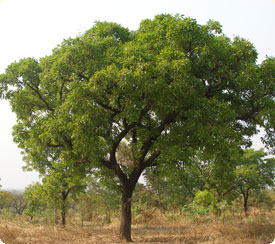
Shea tree

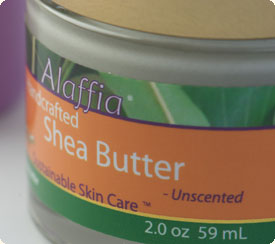
Allafia is a company that sells unrefined Shea Butter. According to their website, “Shea Butter is the oil from the nuts of wild Shea trees (Vitellaria paradoxa) scattered throughout the wooded savanna of West and Central Africa. Shea Butter has been used for centuries in Africa as a decongestant, an anti-inflammatory for sprains and arthritis, healing salve, lotion for hair and skin care, and cooking oil. However, the protective and emollient properties of Shea Butter are most valued for skin care.”

What Does it Matter if It’s Refined or Unrefined Shea Butter?

According to Alaffia: Most Shea Butter available to the general public outside West Africa is white and odorless: in other words, it has been “refined” to remove the natural scent and color of natural Shea Butter. In the process, the majority of the effective agents are also removed.

In addition, refined Shea Butter has usually been extracted from the shea kernels with hexane or other petroleum solvents. The extracted oil is boiled to drive off the toxic solvents, and then refined, bleached, and deodorized, which involves heating it to over 400 degrees F and the use of harsh chemicals, such as sodium hydroxide.

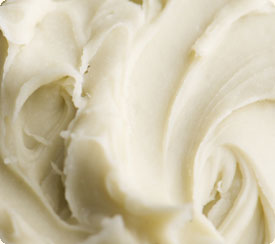
Shea butter itself!

Shea Butter extracted in this manner still contains some undesirable solvent residues, and its healing values are significantly reduced. Antioxidants or preservatives such as BHA (butylated hydroxyanisole) or BHT (butylated hydroxytoluene) may be added as well. The end result is an odorless, white butter that may be aesthetically appealing, but lacks the true moisturizing, healing, and nutritive properties of true traditional Shea Butter.

Refined Shea Butter is often hard and grainy, not smooth and creamy like pure, unrefined Shea Butter. Refined Shea Butter  has an extended shelf life, a white, uniform color, no odor, and greatly reduced therapeutic benefits from the Shea Butter. All of the Alaffia butters are handcrafted and unrefined so they retain their natural healing and moisturizing properties.

Where Do I get Some Unrefined Shea Butter  in the U.S.?

Whole Foods Market carries Allafia products as well as many other shea butter based creams and lotions. I like Affalia because they do not refine their shea butter and their pricing is reasonable. (A little jar of shea butter last a long time!)   Affalia is also a fair trade company.

To purchase jars of Affalia Shea Butter online, click here. To purchase Alaffia products at Whole Foods, stop by a local store or click here.

What is Fair Trade?

Fair Trade Enpowers Whole Communities

Fair trade means paying a fair price or wage in the local context, providing equal employment opportunities, engaging in environmental sustainable practices, providing healthy and safe working conditions, being open to public accountability, and reducing the number of middlemen between producers and consumers. Fair trade is environmentally, economically and culturally sustainable and gives local communities the opportunity to self empower.

Buying products from producers that are fair trade certified means you can feel good about the product you are buying. A fair trade product means the actual people toiling away in the fields of far off Africa are getting paid a fair wage for their work and are able to support themselves and their families from their own labor.

The founder of Aliffa, Olowo-n’djo Tchala, grew up in poverty in Togo. He dedicated his life to empowering communities in Africa. He chooses to promote indigenous African natural resources that are culturally, spiritually, economically and ecologically sustainable. Traditionally handcrafted shea butter fits these criteria. It is a renewable resource of African origin; shea trees are wild, requiring no chemical fertilizers or pesticides. Furthermore, it is an integral part of many savanna communities and, consequently, there is a wealth of local and traditional knowledge of making shea butter. The fair trade of our handcrafted shea butter and shea butter skin care products is bringing income to and empowering our communities in Togo, while making indigenous, sustainable and effective skin care available to the global community.

Aliffia Shea Butter

Give Gifts Friend and Family Will Love And You Will Feel Good Giving

To give some great holiday gifts this year, why not give those you love a product that not only helps their skin feel good but in this cold and flu season, may help them breathe better if they get congested?

Does Working Well Massage Get Anything From Promoting Alaffia or Shea Butter Products?

Nope. No money, no free stuff, no kickbacks. What we do get is the satisfaction that we are telling our clients and readers about great products and helping in some small way to promote fair trade in a far off country. And that is worth more than a few dollars!

Read Full Post »

I was speaking with a client the other day about running. Many of our clients run to keep up their cardiovascular fitness and keep their bodyfat composition down. Running can be a great exercise if precautions are followed to avoid joint damage. Read expert advice on how you can minimize wear and tear on your joints from Running Times:

1) Train appropriately and maintain proper weight.

“The key word is appropriate,” says Dr. Walter Bortz, an expert on aging and longevity at Stanford University School of Medicine. “When the compressive forces are right in amount and direction, then the molecules across a joint are stimulated. That’s a healthy joint. But when they’re torqued or overburdened with obesity, then the molecules start fraying and that leads to arthritis.”

“The two important characteristics of runners who improve are genetics and training,” says Dr. David Martin, a renowned exercise physiologist at Georgia State University. “Some people aren’t given perfect biomechanical systems so they don’t have as much room for error in training.”

2) Avoid hard, cambered surfaces.

images

Running on grass. Image fom Womansrunningcentral.com

As much as possible, get off the roads. Ideally, train on dirt trails. Find a track, but run clockwise in the outside lane on your warm-up and cool-down so you’re not continually making left turns. On asphalt, choose lightly cambered roads. Avoid running on cement surfaces like the plague.

3) Wear the right shoes.

Martin says that two-time Olympic 1500m gold medalist Sebastian Coe wore heavy, cushioned shoes in training which, he says, provide a softer landing and develop very strong legs. Like Coe, reserve your lightweight flats for races and then “run with the wind,” Martin advises.

images-1

Running Shoes

Dr. Amol Saxena, a podiatrist in the Sports Medicine Department of the Palo Alto Medical Foundation in California, cautions that if you have a family history of medial (inside) knee arthritis, or if you’re bow-legged, avoid motion-control shoes and devices, as they contribute to wearing out the medial knee joint.

“I also encourage people who don’t have foot problems to walk around the house, or even do some exercise, in bare feet,” says Saxena. “This provides a stronger platform so your muscles can absorb shock and support your joints better. In cultures where people go barefoot, in general there is less osteoarthritis.”

4) Maintain proper running form and cadence.

In particular, avoid overstriding, which contributes to impact-related injuries. To prevent overstriding, strive for at least 160 foot strikes per minute (80 for each foot). Most elite runners have a stride rate of 180 or over.

5) Cross-train.

Give yourself regular breaks from running’s weight-bearing forces by swimming, deep water running with a flotation belt, bicycling, or cycling. If you have access to an Alter G treadmill, use it: A growing number of elites are incorporating this tool into their training.

Dumbbell_Lunges_MPreview

Dumbbell Lunges

6) Incorporate weight and strength training.

When done properly, weight and strength training can help preserve bone density. Plus, it can improve muscle mass, strength, and balance, which may take pressure off of your joints.

7) Stretch diligently.

Long, supple muscles may also alleviate pressure and wear on your joints. Stretching is even more important as we age, when muscles and joints stiff en. Yoga and tai chi can be excellent for flexibility and balance, but be careful, as certain yoga positions can irritate joints.

8) Know the signs of over-taxed joints.

Obvious signs are joint pain accompanied by swelling. If you experience locking or catching of a joint, you should probably avoid impact activities.

9) Pay attention to all injuries.

Seek appropriate medical intervention. Don’t minimize physical therapy following injuries. Many types of injuries can cause long-term structural or biomechanical imbalances and lead to joint degeneration that doesn’t become apparent until years later.

sdc13037

Lara Bar Varieties

10) Eat right.

Some natural foods have anti-inflammatory properties that are beneficial for joints: berries and berry juices, soy products, some fruits and vegetables, canola and olive oils, green tea, and foods rich in omega-3 fatty acids (wild salmon and other cold water fish, walnuts, flax seed, etc.).

Entire article at Running Times here.

Read Full Post »

Harvard Health Publications has the latest word on napping and your health. Read the article below from Harvard Health Letter to find out why short daytime naps may be good for business’ bottom line!

Napping may not be such a no-no

Research is showing that the daytime snooze may have benefits and not interfere with nighttime sleep.

At work, if you get caught napping, it could get you into trouble or, more mildly, sully your reputation for diligence. In studies, naps have been linked to ill health, although usually as a consequence, not a cause. And in sleep recommendations, naps have taken a back seat — or been cast as a threat to nighttime sleep.

But lately, naps have been shedding some of their bad-for-you image. Researchers are finding benefits. A few employers have become accommodating of the quick snooze. And some research suggests that instead of fretting about napping more as we get older, we should plan on adding daytime sleep to our schedule as a way to make up for the normal, age-related decay in the quality of our nighttime sleep.

Getting over the hump

Naps, of course, can be an antidote to daytime sleepiness, and we get sleepy during the day for a wide variety of reasons. There is, in fact, a biological clock located in a cluster of cells in the hypothalamus of the brain. Those cells orchestrate the circadian (that is, daily) ups and downs of many physiological processes (body temperature, blood pressure, secretion of digestive juices), including sleep and wakefulness. As you might expect, the usual circadian pattern is wakefulness during the day followed by gradually increasing sleepiness in the evening, but it’s also common to have a little “hump” of midafternoon sleepiness programmed into the circadian schedule. An afternoon nap is one way to accommodate that hump.

In 2008, British researchers reported results of a study that compared getting more nighttime sleep, taking a nap, and using caffeine as ways to cope with the afternoon hump. The nap was the most effective.

Another factor in daytime sleepiness is the number of hours you’ve been awake. After about 16 consecutive hours without sleep, most of us will start to feel tired. Ideally, this homeostatic sleep drive, as it is called, is in sync with the one set by our circadian rhythm, so they’re mutually reinforcing. But if you work a night shift, or have problems sleeping at night, your 16-hour allotment of wakefulness may begin — and end — earlier, which can set you up for grogginess in the late afternoon or early evening. A short nap won’t completely reset the timer, but it can buy you some time before the grogginess sets in again.

How to take a good nap

Keep it short. The 20- to 30-minute nap may be the ideal pick-me-up. Even just napping for a few minutes has benefits. Longer naps can lead to sleep inertia — the post-sleep grogginess that can be difficult to shake off.

Find a dark, quiet, cool place. You don’t want to waste a lot of time getting to sleep. Reducing light and noise helps most people nod off faster. Cool temperatures are helpful, too.

Plan on it. Waiting till daytime sleepiness gets so bad that you have to take a nap can be uncomfortable and dangerous if, say, you’re driving. A regular nap time may also help you get to sleep faster and wake up quicker.

Time your caffeine. Caffeine takes some time to kick in. A small Japanese study published several years ago found that drinking a caffeinated beverage and then taking a short nap immediately afterward was the most restful combination because the sleep occurred just before the caffeine took effect. We’re not so sure about that approach — the mere suggestion of caffeine, in the form of coffee taste or smell, wakes us up. Regardless of the exact timing, you need to coordinate caffeine intake with your nap.

Don’t feel guilty! The well-timed nap can make you more productive at work and at home.

On the job

Since 2000 or so, researchers at Harvard and elsewhere have conducted dozens of experiments that have shown that sleep improves learning, memory, and creative thinking. In many cases, the edifying sleep has come in the form of a nap. For example, several studies have shown that if people are asked to memorize something — say, a list of words — and then take a nap, they’ll remember more of it than they would have if they hadn’t taken the nap. Even catnaps of six minutes (not counting the five minutes it takes to fall asleep on average) have been shown to make a difference in how well people retain information.

Robert Stickgold, a Harvard sleep researcher, says napping makes people more effective problem solvers. His research group has shown that taking a nap seems to help people separate important information from extraneous details. If the nap includes REM sleep — the phase during which dreaming occurs — people become better at making connections between seemingly unrelated words.

Stickgold says his and others’ findings argue for employer policies that actively encourage napping, especially in today’s knowledge-based economy. Some companies have set up nap rooms, and Google has “nap pods” that block out light and sound.

Understandably, employers are concerned about abuse: employees catching up on sleep they should be getting on their own time. But there may be a place for “strategic napping,” especially among people who work a night shift. Results from a New Zealand study published in 2009 showed that air traffic controllers working the night shift scored better on tests of alertness and performance if they took advantage of a planned nap period of 40 minutes. Researchers in the Harvard Division of Sleep Medicine are working with fire departments to improve sleep policies. One of their recommendations is that firefighters on the night shift take a nap in the late afternoon before their shift starts.

Read entire article in Harvard Health Letter here.

Read Full Post »

By Sue Shekut, Owner, Working Well Massage, Licensed Massage Therapist, Certified Wellness Coach, ACSM Personal Trainer

We know that nature has a stress relieving effect. Read more about the effects of nature on stress in our post, “A Cure For Burnout and Stress–As Simple as a Walk In The Woods!” here. But working indoors and living in cold climates like Chicago often means a lack of contact with nature. How can we help reduce our stress, interact more with nature and still work to pay our bills?

Add indoor plants to the workplace and home!

Not only can it help with stress relief, but indoor plants have been shown to improve indoor air quality too. Read more about the study of indoor plants and air quality from United Press International via EcoWorld in the   article that follows.


Top Indoor Air Cleaner Plants


ATHENS, Ga., Nov. 5, 2009 (UPI) — U.S. scientists say they have come up with five ornamental plants that do a superior job of removing indoor air pollutants.

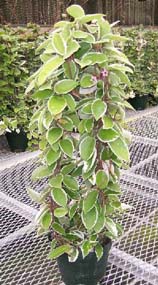
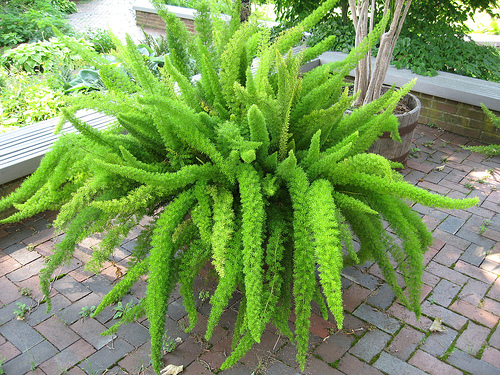
The study of 28 types of plants, published in HortScience, found Hemigraphis alternata known as purple waffle plant; Hedera helix or English ivy; Hoya carnosa or variegated wax plant; and Asparagus densiflorus or Asparagus fern had the highest removal rates for all five volatile organic compounds introduced.

Tradescantia pallida or Purple heart plant was rated superior for its ability to remove four of the volatile organic compounds.

Study leader Stanley J. Kays of the University of Georgia in Athens placed plants in gas-tight glass jars, exposing them to benzene, octane, toluene and alpha-pinene. The researchers analyzed air samples and then classified plants as superior, intermediate and poor in their ability to remove the five volatile organic compounds from the air.

“The volatile organic compounds tested in this study can adversely affect indoor air quality

and have a potential to seriously compromise the health of exposed individuals,” Kays said in a statement.

Kays said benzene and toluene are known to originate from petroleum-based indoor coatings, cleaning solutions, plastics, environmental tobacco smoke and exterior exhaust fumes seeping into buildings; octane from paint, adhesives and building materials; TCE from tap water, cleaning agents, insecticides and plastic products; and alpha-pinene from synthetic paints and odorants.

Copyright 2009 by United Press International

Find original article in EcoWorld here.


Caring for your Indoor Plants


• Purple waffle plant-care instructions here.

2403036762_e7b39eb931

Purple Waffle Plant from joeysplanting's photostream on Flickr

• English ivy-most effective plant for removing formaldehyde,  the most common indoor air pollutant, from your indoor atmosphere. English Ivy care instructions here.

plant_english_ivy

English Ivy. Image from Loghome.com

• Variegated wax plant-care instructions here.

Hoya carnosa-varigeated-809

Hoya-varigeated wax plant. Image from plant-care.com

• Asparagus fern-care instructions here.

1139637262_dbeb27b24b

Asparagus Fern (Asparagus densiflorus. Image from Pandorea's photostream on Flickr.

• Purple heart plant-care instructions here.

T_pallida-container

Purple Heart or Purple Heart Wandering Jew. Image from University of Wisconsin Horticulture

Read Full Post »

bigchicagocover

60 Hikes Within 60 Miles

If you’re looking for the lowdown on where you can stretch your legs and escape the urban grid, 60 Hikes within 60 Miles: Chicago will help you find your way.

Focusing on urban and rural areas and everything in between, the book features classic hikes at places such as Starved Rock State Park, as well as undiscovered gems like the LaSalle Fish and Wildlife Area in northwestern Indiana.

The author, Ted Villaire, also writes a blog, Prairie Fever here, with great insights into hiking, biking camping and kayaking in the Chicago area.

smalltedphoto

Ted Villaire

Who is Ted Villaire?

Ted Villaire received a bachelor’s degree in English and journalism from Aquinas College in Grand Rapids, Michigan, and received his master’s of arts in writing from DePaul University in Chicago. He is author of 60 Hikes within 60 Miles: Chicago, published in 2005 by Menasha Ridge Press, and is currently working on four more regional outdoor guidebooks that focus on bicycling and camping within the Chicago region and throughout Illinois. A Chicago resident for the past 10 years, Ted has worked for various daily and weekly newspapers, and has had freelance articles appear in The Chicago Tribune and the Des Moines Register. Recently, Ted worked for seven years as a publications editor for a large non-profit organization headquartered in Chicago.

Note: Working Well Resources is not affiliated with Ted Villaire in any manner. We just enjoy his blog and book and want to share them with you!

Read Full Post »

By Jacqueline Stenson, MSNBC contributor

Many exercisers wonder whether vigorous physical activity, such as running or jogging, can be too tough on the body, especially the joints.

Physical activity guidelines released by the federal government last year recommend a minimum of two hours and 30 minutes a week of moderate physical activity or at least one hour and 15 minutes of vigorous activity, plus at least two days of strength training a week. The guidelines also state that greater health benefits can be achieved when adults like yourself increase their physical activity to five hours a week of moderate activity or 2.5 hours of vigorous activity, or more.

exercise_routine

Light weight training from PsychologyToday.com

Dr. W. Ben Kibler, a spokesperson for the American College of Sports Medicine and medical director of the Lexington Clinic Sports Medicine Center, says that you can overdo it with exercise and sustain overtraining injuries, particularly if you don’t follow good technique or listen to your body’s warning signals to taper off. But there’s no reason to think that healthy people doing recommended amounts of physical activity and progressing at a sensible rate are going to eventually wear out their bodies. On the contrary, there is abundant evidence that exercise can go a long way to keep us healthy and strong as we age — and prevent early death.

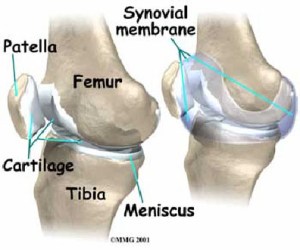
There is a fairly common concern among exercisers that high-impact exercise such as running will eventually destroy the knees. But as Dr. Ron Noy, a New York City sports medicine specialist and spokesman for the American Academy of Orthopaedic Surgeons, points out, running helps the joints stay lubricated and healthy, and keeps the bones and heart strong.“If you have a healthy knee, running is not going to damage the knee,” he says. “It’s not going to wear down your knee, and there are benefits to the joint from running.”

KneeReplacement

The Knee Joint. Image from globalsurgicalsolutions.com

”It’s a different story, though, if you have an arthritic or injured knee, which gives the body “less protective power” against high-impact activity, Noy says. Problems also can arise in obese people who are sedentary and then jump into a rigorous exercise program, which can overload a deconditioned body, he says, possibly leading to knee injuries, stress fractures or other problems.

So it would not be a good idea, for instance, for a 250-pound couch potato to start out running 12 miles a day, Noy says. “You have to acclimate your body to accept that load,” he says, with a “slow, progressive program.”

Even normal weight people with no health issues can become injured if they push too far, too fast in a range of activities. How much is too much varies from individual to individual, so as your program progresses, listen to your body, says Noy. If you’re getting signals such as pain, swelling or extreme fatigue, scale back.

An experienced coach or personal trainer can help recreational athletes develop a safe program that incorporates proper technique and equipment.

And it’s always a good idea to get a checkup before starting a training program, Noy says. It’s especially important to identify any potential heart problems or risk factors such as a family history of early cardiac death that might lead to sudden death during exercise. Be sure to discuss with your doctor any chest pain, shortness of breath or prior difficulty exercising in hot temperatures.

Kibler points out that people who die during endurance exercise often have underlying health problems or they push themselves too hard in the heat.“There’s usually some identifiable reason outside of exercise,” he says. “But exercise is the trigger.”

Link to original MSNBC article here.

Read Full Post »

Aside from achieving better Fitness by hiking and exercising in the Forest, there is ample evidence that exercising or interacting with nature (even having live plants in your work environment) helps combat burnout, reduces mental stress and reduces mental fatigue. Read on for more about this research and it’s implications for our daily lives.

A Walk in the Woods

By John Lofy in Michigan Today, a publication of the University of Michigan

STDana

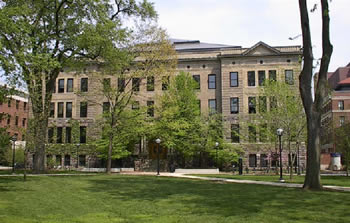
University of Michigan School of Natural Resources. Photo from JM Olsen Corporation

Professor Rachel Kaplan’s office at U-M’s School of Natural Resources and Environment looks out over a large oak tree. Potted plants crowd her window sill. Beyond these small patches of nature loom the buildings of central campus. But, she says, a little bit of nature goes a long way.

She would know. Kaplan and her husband, professor Stephen Kaplan, were among the first academics to study the psychological benefits of nature. Colleagues and collaborators for decades, they have shown that natural settings—trees, grass, gardens, and the like—have a profound, positive impact on both mental and physical health.

Both Kaplans hold joint appointments: Rachel in SNRE and Psychology, Stephen in Psychology and Electrical Engineering and Computer Science. They both take particular pride in graduate students they have mentored over the years. Students working with the Kaplans have made some striking discoveries:

• Studies by Bernadine Cimprich showed that the psychological health of cancer patients “improved dramatically” after they spent 20 minutes a day, three days a week, doing restorative activities such as gardening or walking in the woods. A control group that did not do the activities showed notably less improvement.

• Studies by Frances Kuo and William Sullivan found that residents of public housing projects who live near trees “showed all kinds of benefits,” says Stephen. “More civility, less aggression—and girls were more likely to study” their schoolwork.

• A study of AIDS caregivers by Lisa Canin found that the single most powerful factor in avoiding stress-related burnout was “locomotion in nature”—such as walking, running, biking, or canoeing. (The quickest route to burnout was watching television.)

Better yet, says Rachel, the natural setting “doesn’t have to be big or pristine” to have a positive effect. “Most of all, it has to be nearby.” A study by Ernest Moore of prisoners in Milan, Michigan, showed that simply having a view of farmland from a prison cell reduced inmates’ need for health care.

What’s so powerful about nature? Stephen theorizes that it comes down to brain function. The source of much mental distress, he says, is overuse of “directed attention”—such as concentrating on work. “Sustained directed attention is difficult and fatiguing. When people talk about mental fatigue, what is actually fatigued is not their mind as a whole, but their capacity to direct attention.” And it can make people “distractible and irritable.”

To escape the discomforts of mental fatigue, people often turn to activities that “capture” their attention. They find external events to distract them, so they don’t have to concentrate so hard. Watching TV, for instance, requires little willpower: the programs do the work, and the brain follows along.

tvfr2new

Watching t.v. doesn't allow for mental rest. Image from salviaforme

Similarly, says Stephen, “many people find an auto race fascinating.” Fast motion, loud noises, and smells captivate the brain.

The Kaplans refer to activities like watching TV or sporting events as “hard fascination.” The stimuli are loud, bright, and commanding. The activities are engaging and fun, but they don’t allow for mental rest.

Soft fascination, on the other hand, is the kind of stimulation one finds on, say, a stroll along the beach or in the woods. Nothing overwhelms the attention, says Stephen, “and the beauty provides pleasure that complements the gentle stimulation.” The brain can soak up pleasing images, but it can also wander, reflect, and recuperate.

Most people, say the Kaplans, intuitively know this. But often, they either don’t do it, or they may not have opportunities to get out in nature. That’s too bad, because the Kaplans have shown that if you’re upset, frazzled, or suffering, an easygoing walk in the woods or even along a tree-lined street is one of the best things you can do for yourself.

Read more about the Kaplans and their research here.

Ways You Can Increase Your Interaction with Nature

cok-gardener

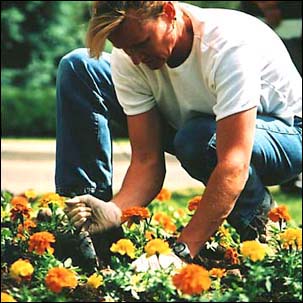
Gardening for stress relief. Photo from IVPeaceFest.com

• Plant a garden. Even in the city if you have an outdoor porch you can plant a small garden in pots and window boxes. Weeding the garden,  “playing” in the dirt, and taking the time to nurture your plants, nurtures your own nervous system and allows you some peaceful moments free from everyday stress.

• Bring live plants into your workspace. Live plants help clean the air and make your environment naturally beautiful and less stressful.

• Go for regular walks in nearby forest preserves or parks.

• Make after dinner walks around your neighborhood part of your family routine. This is a great way to spend quality time with friends and family, get regular exercise and get away from the stress of the TV, telephone and temptations of junk food.

• Volunteer in a nearby community garden.

2572969101_82c2ab01d5

Cabrini-Green Community Vegetable Garden (taken by Strannik45).

• Try snow shoeing, sledding, cross country skiing or walking in the fresh fallen winter snow. (It’s coming soon to Chicago so be ready with warm layers and waterproof hiking boots!)

Snowshoeing at The Basin Phippsburg 08

Snowshoeing. Image from outdoors.mainetoday.com

• When possible, alter your driving route to go through area parks, forest preserves or stretches of the road that gives you a view of Lake Michigan, trees and natural bodies of water like rivers and ponds.

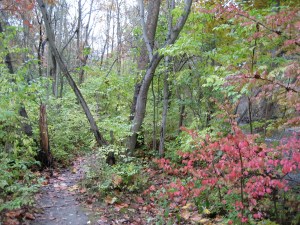
IMG_0198

Fall Colors at Argonne

• Plant an indoor herb garden in a well lit window for the winter. It gives you the double benefit of fresh herbs for your meals and the moments of stress relief you get when tending your mini-garden.

• As much as possible, exercise outdoors. Run and hike in the park or forest preserves.

• When time permits, work outdoors. Take

your laptop to the beach or park. In inclement weather find malls or indoor public spaces with plants and trees.

Read Full Post »

Older Posts »